


 русский
 Français
 Español
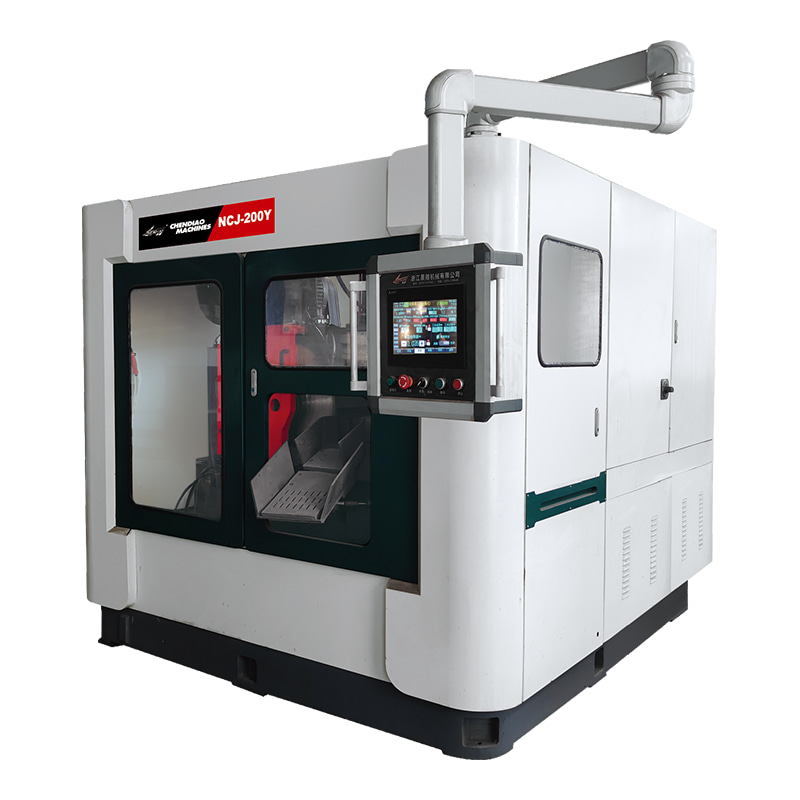
NCJ-200Y Fully Automatic 100-200mm Bar And Pipe Cutting Machine High-Speed Flat Push Circular Saw Machine
Cat:Flat Push Circular Saw Machine
Highly rigid body structure with advanced clamping device, environment...
See DetailsSurface finish is a critical factor when working with aluminum plates, especially in applications that demand high precision or aesthetic quality. Rough or uneven cuts can cause additional finishing operations, material waste, and increased production costs. An Aluminum Plate Cutting Circular Saw Machine is designed to provide high-quality cutting performance, but understanding the factors that influence surface finish is key to optimizing results.
One of the primary factors affecting cut quality is the choice of blade. High-quality, sharp blades with an appropriate tooth geometry significantly reduce surface roughness. Blades designed specifically for aluminum often feature a high tooth count and alternate top bevel or triple-chip grind patterns. These designs reduce burr formation and prevent tearing of the material, ensuring a smooth edge. Regular inspection and timely replacement of worn blades are crucial to maintain consistent surface quality over time.
Cutting parameters such as speed and feed rate have a direct impact on surface finish. If the blade rotates too slowly or the feed rate is too high, it can create excessive friction, heat, and vibrations, all of which cause rough or uneven cuts. Conversely, too high a blade speed may cause burning or melting of the aluminum surface. Finding the right balance for the Aluminum Plate Cutting Circular Saw Machine ensures precise, clean cuts. Manufacturers often provide recommended speed and feed settings based on material thickness and blade specifications to achieve suitable results.
Using appropriate coolants or lubricants during cutting can greatly enhance surface finish. Coolants reduce heat generation and friction between the blade and aluminum plate, preventing discoloration, burrs, and surface deformation. In addition, the cooling fluid helps flush away chips and particles, keeping the cutting path clear. Some advanced circular saw machines integrate mist or flood coolant systems, providing continuous lubrication for high-speed and high-volume operations. Proper coolant management is essential to maintain both cutting quality and blade longevity.
Mechanical stability and alignment of the saw machine are vital for a smooth cut. Vibrations, loose guides, or misaligned components can cause uneven edges and rough surfaces. Ensuring that the Aluminum Plate Cutting Circular Saw Machine is properly calibrated, with secure clamping and accurate feed mechanisms, reduces these issues. Rigid frames, precise drive systems, and well-maintained bearings all contribute to a more stable cutting process, resulting in a good surface finish.
Modern saw blades may feature specialized coatings or treatments that improve cutting performance and surface quality. Titanium nitride, carbide-tipped, or diamond-coated blades reduce friction and resist wear, providing cleaner cuts for longer periods. These enhancements are particularly useful when processing thicker aluminum plates or alloys with higher hardness, where traditional blades may struggle to maintain surface quality.
Improving the surface finish when using an Aluminum Plate Cutting Circular Saw Machine involves a combination of factors, including blade quality, cutting speed, feed rate, coolant usage, and machine stability. By carefully selecting blades, optimizing cutting parameters, and maintaining equipment, operators can achieve smoother, more precise cuts while reducing post-processing requirements. Investing in proper tooling and operational techniques ensures consistent high-quality results, enhances productivity, and reduces material waste in aluminum plate fabrication.
Highly rigid body structure with advanced clamping device, environment...
See Details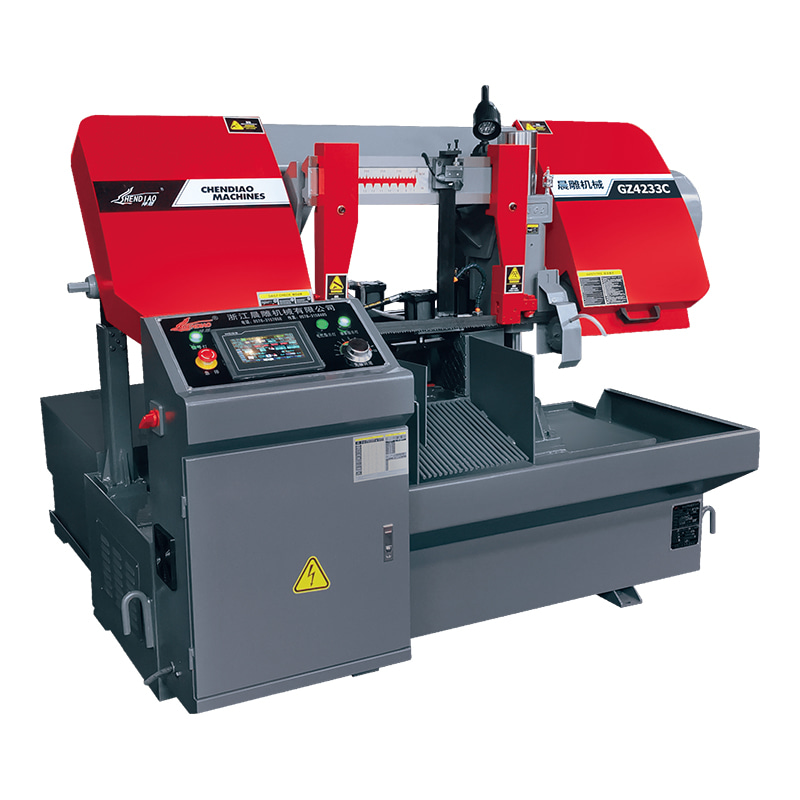
Suitable for sawing and cutting materials into same-size in massive qu...
See Details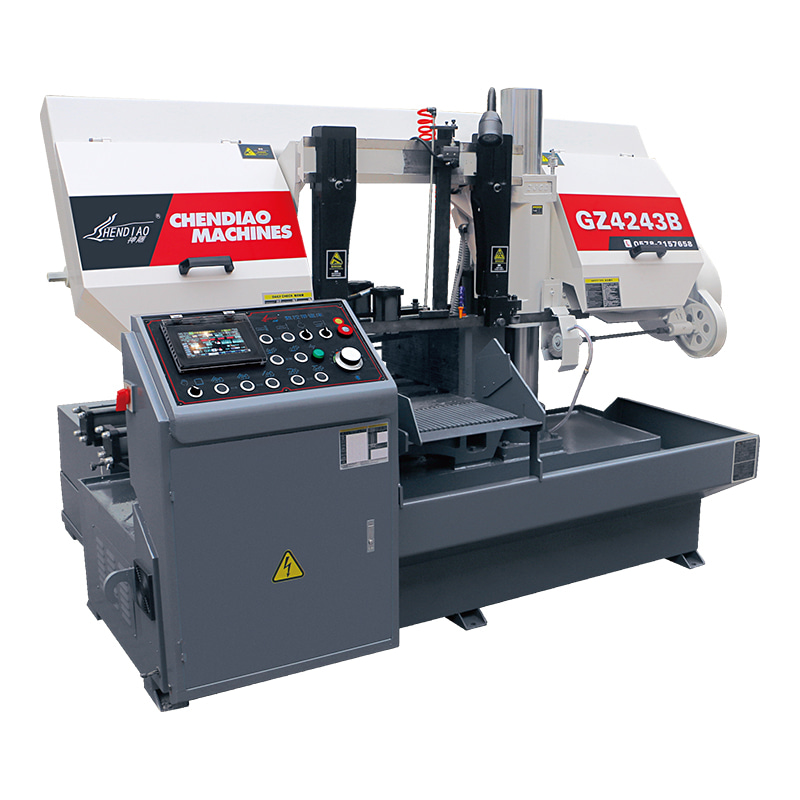
Suitable for sawing and cutting materials into the same size in massiv...
See Details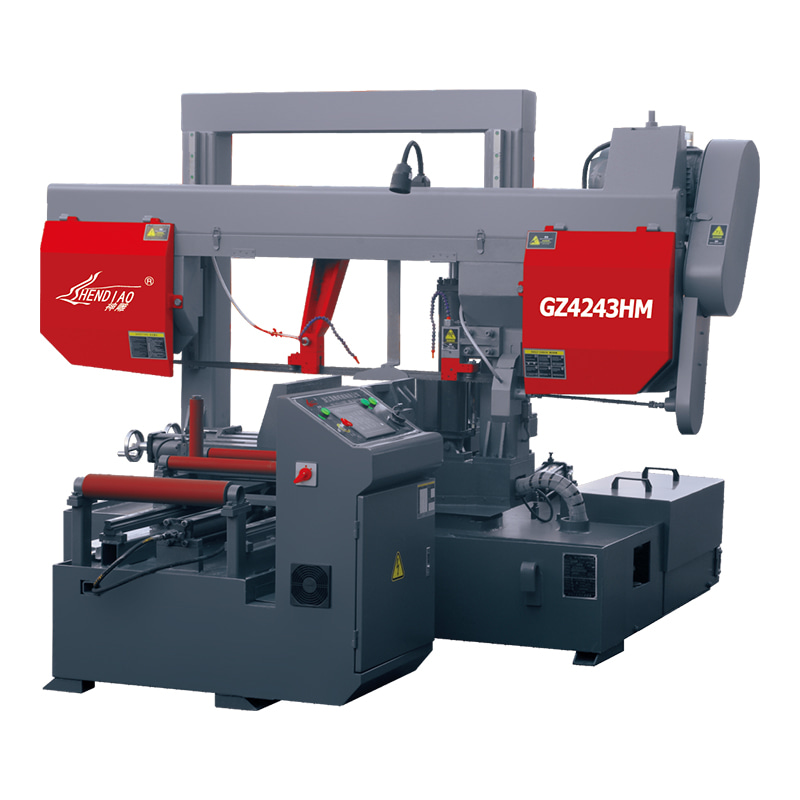
The BS-712N 7-inch bandsaw is just a highly practical, no-nonsense too...
See Details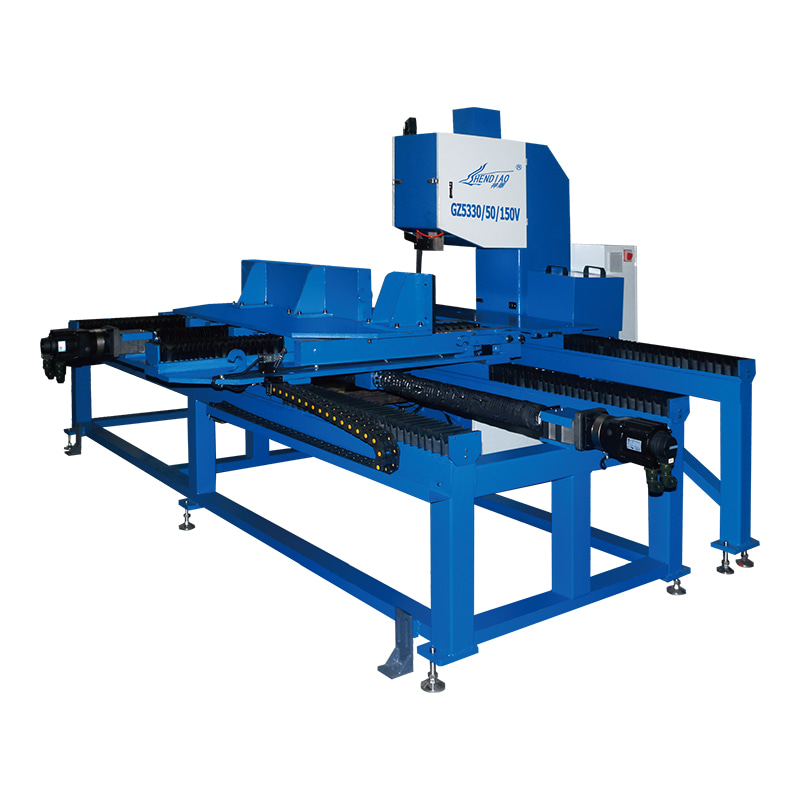
The GZ5330/50/150V Fully Automatic Feeding And Variable Frequency Sawi...
See Details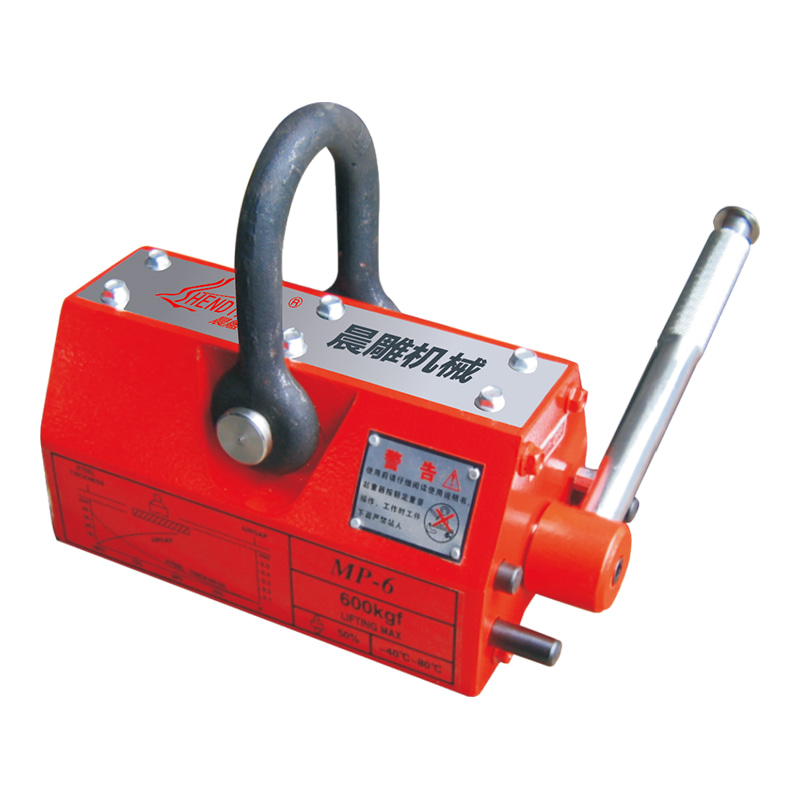
The magnetic lifting heads, which have been developed, designed, and m...
See DetailsCopyright © Zhejiang Chendiao Machinery Co., Ltd. Rights Reserved.
Band Saw Factory

