


 русский
 Français
 Español
HC-16310NC High-Speed Servo Feeding Sawing Fully Automatic Aluminum Plate Circular Saw
Cat:Circular Saw
Suitable for cutting aluminum alloy plate, high efficiency (3 times of...
See DetailsThe feeding system is one of the critical components of a Fully Automatic Metal Cutting Band Saw Machine. It ensures consistent material supply, accurate positioning, and efficient cutting, which directly affect productivity and precision. Understanding how the feeding system works can help operators optimize performance, reduce downtime, and maintain long-term reliability. This article explains the structure, functionality, and operational principles of the feeding system in fully automatic metal cutting band saws.
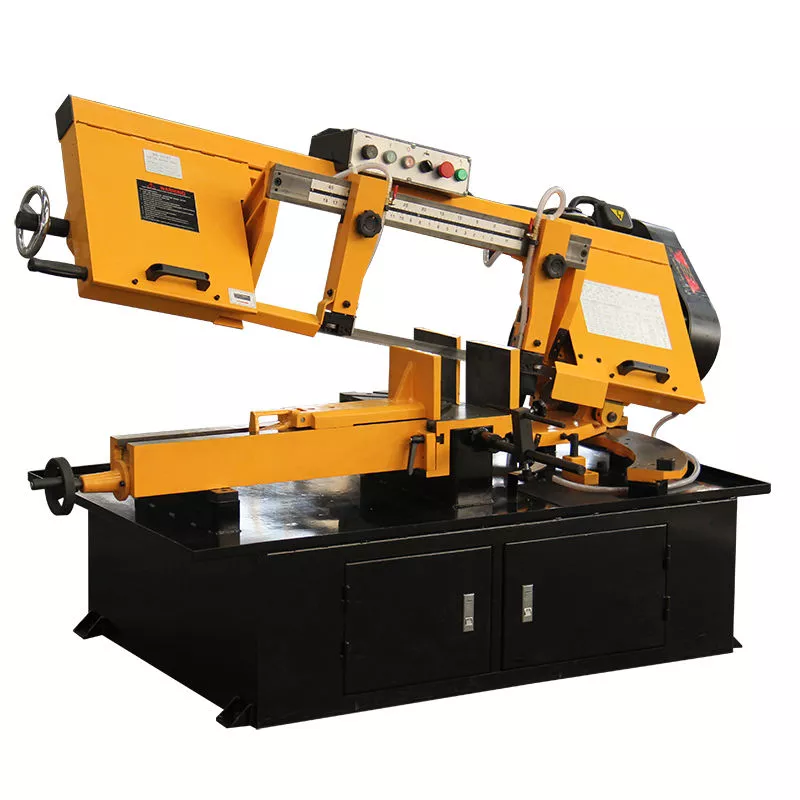
Step 1: Material loading: Raw metal bars, tubes, or profiles are placed on the machine bed or feed platform. In fully automatic machines, a loading arm or magazine may supply the material.
Step 2: Clamping: The material is clamped securely by a vice or clamping system to prevent movement during feeding.
Step 3: Controlled advancement: The feed rollers or linear drive system push the material toward the saw blade at a programmed speed, typically adjustable based on material type and thickness.
Step 4: Cutting synchronization: Sensors communicate the material’s position to the control system, ensuring the saw blade cuts at the precise location for accurate length and geometry.
Step 5: Retraction or repositioning: After cutting, the system retracts or resets the feeding mechanism to prepare for the next cut.
The feeding system is a crucial part of the Fully Automatic Metal Cutting Band Saw Machine, directly influencing efficiency, precision, and safety. By understanding its components, operating principles, and maintenance requirements, operators can optimize performance and extend the machine’s lifespan. Automated feeding ensures smooth material handling, precise positioning, and consistent cutting results, making fully automatic band saws ideal for high-volume and high-precision metal cutting applications. Proper operation and maintenance of the feeding system improves productivity while reducing downtime and operational risks.
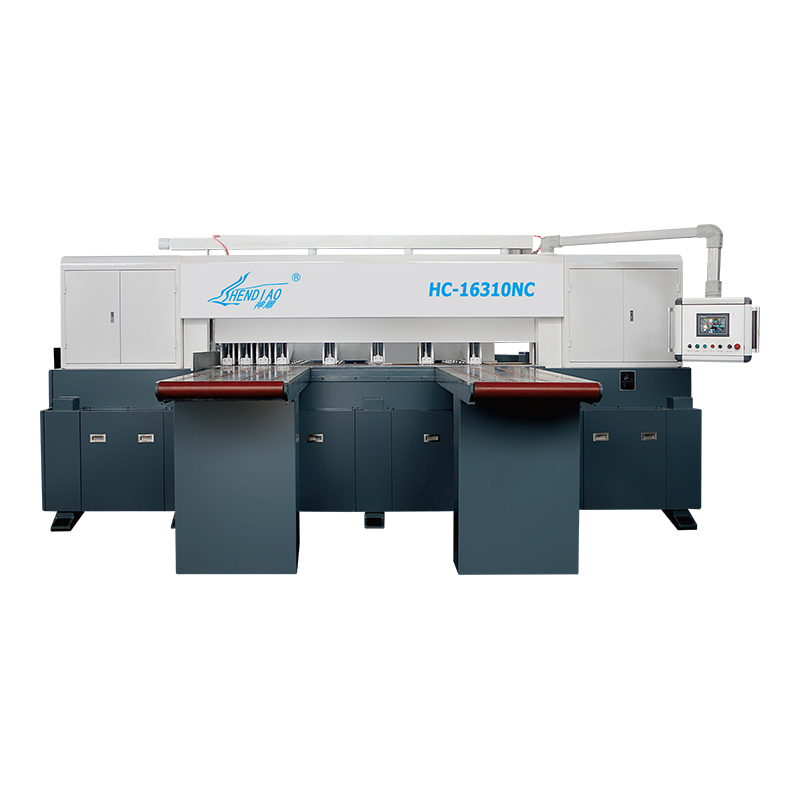
Suitable for cutting aluminum alloy plate, high efficiency (3 times of...
See Details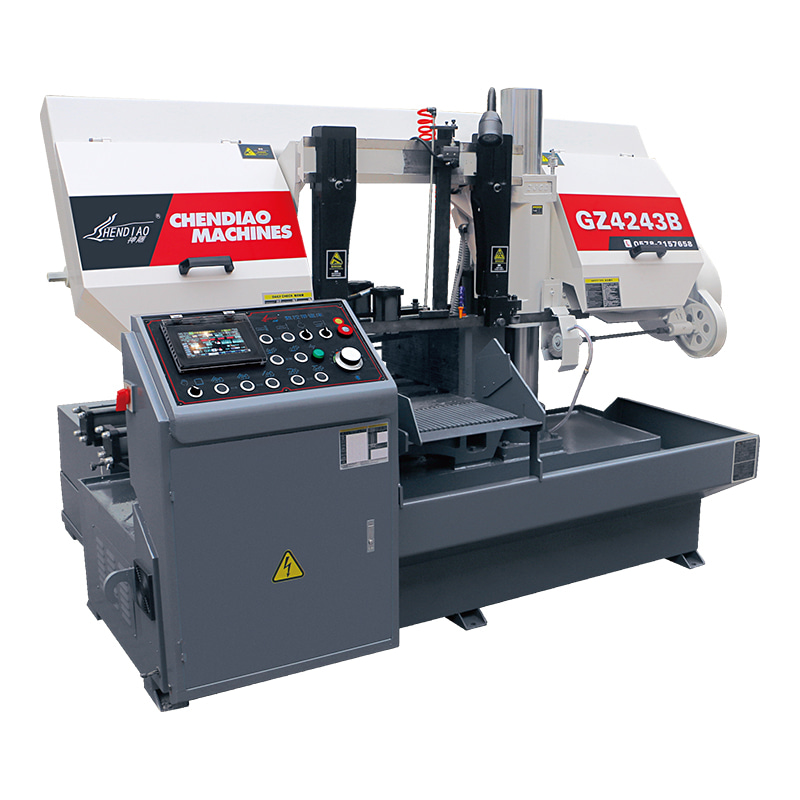
Suitable for sawing and cutting materials into the same size in massiv...
See Details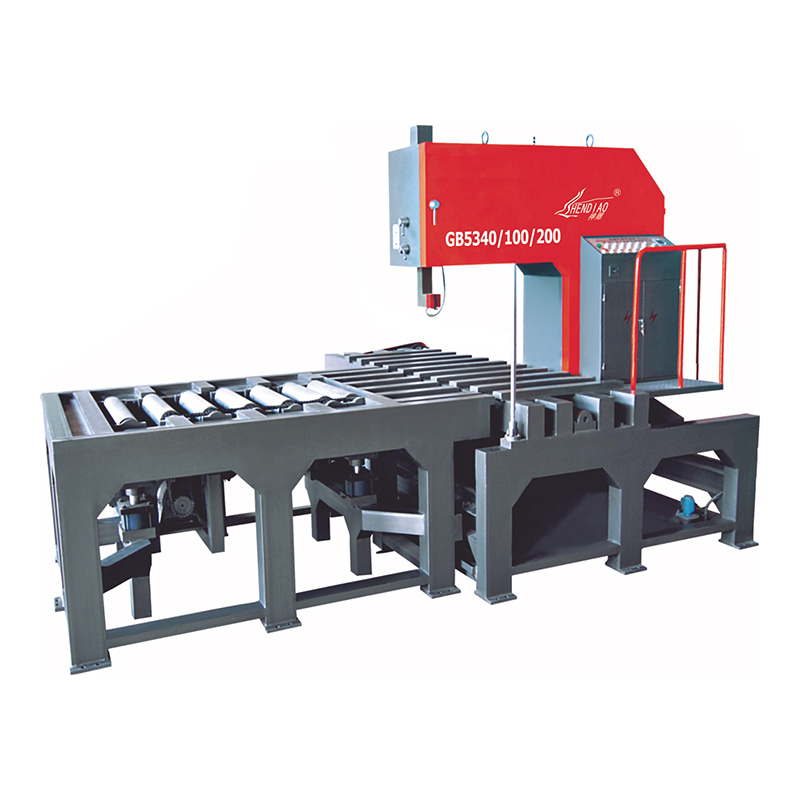
Apply in billets, plates, forgings and other steel cutting. Materials ...
See Details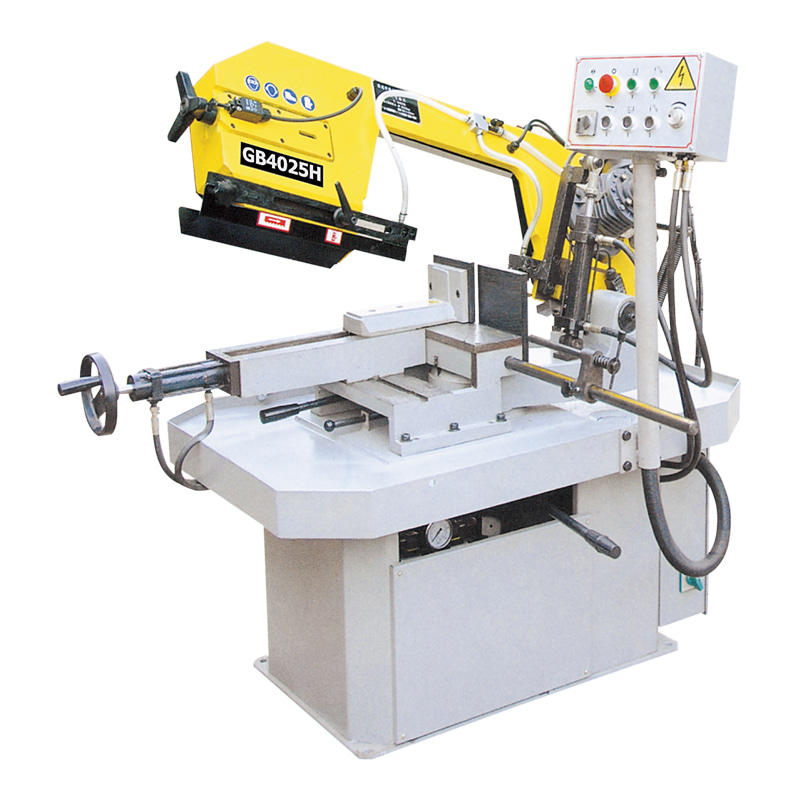
The GB4025H is a great choice,if you need a reliable saw for tackling ...
See Details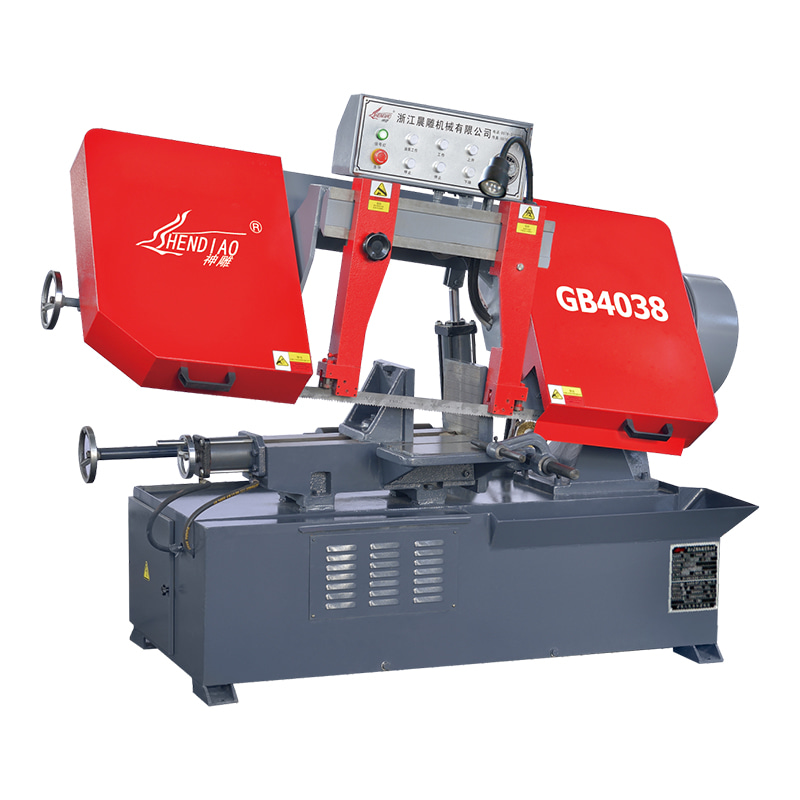
Can be customized: The equipment can be varied according to the fast f...
See Details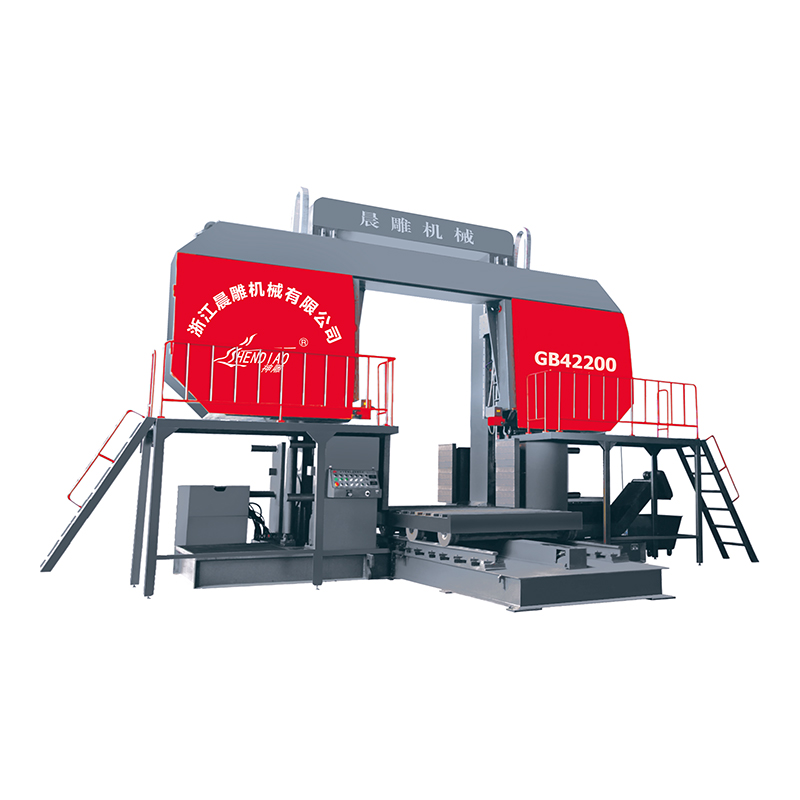
The GB42200 Gantry Type Band Pulley Automatic Feeding Metal Sawing Mac...
See DetailsCopyright © Zhejiang Chendiao Machinery Co., Ltd. Rights Reserved.
Band Saw Factory

