


 русский
 Français
 Español
GZ4233C Horizontal Double Column Fully Automatic Metal CNC Band Sawig Machine
Cat:CNC Band Sawig Machine
Suitable for sawing and cutting materials into same-size in massive qu...
See DetailsMetal processing sits at the foundation of a huge range of industries — manufacturing, construction, equipment production, you name it. Before metal ever becomes a finished part, it has to be shaped and prepared, and that preparation stage carries more weight than people often give it credit for.
As production demands keep shifting, companies have started paying a lot closer attention to how their cutting processes are actually organized. A well-run workflow cuts out unnecessary steps, keeps material handling cleaner, and generally makes operations a lot more predictable day to day.
That's exactly why automatic metal saw equipment has picked up so much traction. By taking the cutting process into automated territory, it helps create a working environment that's genuinely more structured — and a lot less dependent on constant manual oversight.
Traditional cutting methods tend to demand a lot more hands-on involvement, which gets complicated fast once a company's juggling different materials and workloads that don't stay consistent week to week. Automatic saws exist precisely to take that daily complexity off someone's plate.
This growing interest really reflects a bigger shift happening across manufacturing broadly — companies are actively hunting for tools that boost productivity without sacrificing the flexibility they need to handle whatever comes their way.
A workflow only runs as smoothly as the connections between its individual steps, and in metal processing, cutting is often the stage that shapes everything that happens afterward.
An automatic saw tightens up that workflow by cutting out the constant manual adjustments that traditional cutting demands. With the equipment handling that structure, operators get to shift their attention toward actually managing production rather than babysitting the saw.
The real payoff here isn't just raw speed, either — it's better coordination across the whole production chain. When cutting runs on a structured, predictable rhythm, materials get managed a lot more effectively downstream.
That's why automatic saws show up in such a range of settings — whether a company's cutting metal parts for assembly, prepping materials for custom projects, or running a mix of both, automated cutting adapts to fit.
| Workflow Challenge | How Automatic Metal Saw Helps |
|---|---|
| Repeated cutting tasks | Supports more organized production steps |
| Manual operation pressure | Helps reduce unnecessary operator workload |
| Changing production needs | Provides flexible cutting solutions |
| Material preparation issues | Supports smoother workflow planning |
That capacity to bring genuine order to the cutting process is really the core reason metal saw equipment keeps drawing attention from manufacturers.
Metal cutting shows up in so many corners of production that automatic saws have found their way into a genuinely wide spread of industries — each with its own priorities, but all sharing the same basic need for a cutting process that just works reliably.
Manufacturing is probably the biggest user base here. Plenty of factories need metal prepped and cut before it ever reaches assembly or further processing, and automated equipment brings a lot more consistency to that step.
Construction-related industries lean on metal cutting too, particularly for structural materials and components — and a dependable cutting workflow makes it a lot easier to keep project timelines on track.
The automotive sector is another place where metal processing plays a starring role, given how much consistent part preparation these production lines demand.
Other common users include:
That spread across so many fields says a lot — automatic metal saw equipment isn't a niche solution for one industry. Its role keeps expanding as more sectors look for genuinely more efficient ways to handle production.
Automation has become a genuinely central thread running through manufacturing's evolution, and a lot of that comes down to companies wanting cleaner, less complicated production organization.
In metal cutting specifically, automation smooths out the handoff between workflow stages. Materials move through the process in a much more structured, predictable way, which makes the entire production chain easier to manage.
Consistency matters a lot here too. When cutting tasks repeat constantly throughout the day, keeping that operation stable becomes genuinely important — and automated equipment delivers exactly that kind of predictability.
There's also a real shift in what operators actually spend their time doing. Rather than grinding through repetitive cutting tasks all day, workers get to focus on monitoring the process, managing production, and finding ways to actually improve operations.
It equipment fits squarely into that shift, supporting a real partnership between people and machines rather than replacing one with the other — which ultimately gives businesses a much more balanced production system overall.
Long-term flexibility factors into this too. As market demands keep shifting, equipment that can bend to handle different tasks becomes a genuinely valuable asset rather than a nice-to-have.
Material management is one of those things that's easy to overlook until it goes wrong — poor organization here quickly turns into wasted resources, production delays, and a lot of unnecessary extra handling.
It equipment helps businesses keep material handling genuinely organized, giving planned cutting operations a much clearer structure to work within.
That improved organization tends to ripple across several areas:
| Material Management Area | Potential Improvement |
|---|---|
| Material preparation | Creates a clearer cutting process |
| Production planning | Supports better workflow coordination |
| Storage management | Helps organize material usage |
| Process connection | Improves communication between production steps |
When the cutting process itself is easier to manage, companies end up a lot more capable of responding quickly to whatever production demands come their way.
Material flexibility matters here too — plenty of businesses work with a whole range of different metals across different projects, and equipment that can flex with those changing needs gives production planning a lot more room to breathe.
It technology supports exactly that kind of adaptability, helping businesses build a cutting environment that genuinely bends without breaking.
Industrial settings tend to throw a lot of variety at their equipment, and companies weigh several factors before deciding a cutting solution is actually the right fit.
A good metal saw needs to support genuinely practical, day-to-day operation and slot smoothly into whatever workflow already exists — working alongside other production activities rather than creating new friction.
Workflow compatibility
The equipment needs to genuinely mesh with a company's existing production process. Clean integration keeps interruptions to a minimum and makes daily management noticeably easier.
Operational convenience
Simpler operation means workers manage tasks with a lot less friction. Equipment built around clear, straightforward workflows tends to improve overall workplace organization too.
Production flexibility
Different projects call for different cutting approaches, and flexible equipment gives companies the room to actually respond as those requirements shift.
Maintenance planning
Keeping equipment properly maintained matters a lot for stable, ongoing production — and equipment that's genuinely easy to maintain supports much better long-term use.
These are exactly the factors that keep pushing companies toward automatic metal saw equipment when it's time to update their production setup.
It equipment represents a genuine shift in how companies think about metal cutting altogether. Rather than leaning heavily on manual processes, businesses are steadily moving toward production methods built around real organization.
Traditional cutting methods still have their place in certain situations, to be fair. But as production requirements get more complex, companies increasingly need solutions that offer more genuine flexibility than older methods can provide.
Automatic saws bridge that gap between technology and practical manufacturing needs, letting businesses manage cutting operations while steadily improving how the whole workflow connects together.
This shift shows up clearly in industries built around repeated cutting work, where automated solutions cut down on workflow interruptions and support genuinely more stable operations overall.
And really, this shift isn't just about swapping out old equipment for new — it's about rethinking how companies plan, manage, and connect their production activities across the board.
Metal processing keeps evolving as industries explore new ways to run production, and demand for organized workflows paired with genuinely flexible equipment is only going to shape equipment choices further going forward.
Fully Automatic Metal Cutting Band Saw Machine solutions are becoming a core part of that development because they support so many important production goals at once — managing cutting processes, tightening workflow connections, and adapting as needs continue to change.
As manufacturing environments become more interconnected, equipment that genuinely supports efficient operation is only going to draw more attention. Automated cutting solutions look set to play an even bigger role in helping businesses build smoother production systems going forward.
Ultimately, the future of metal processing is going to come down to how well companies pair practical equipment with genuinely effective workflow management. Automatic metal saw technology offers one solid path forward for businesses looking to bring more organization to how they handle metal cutting.
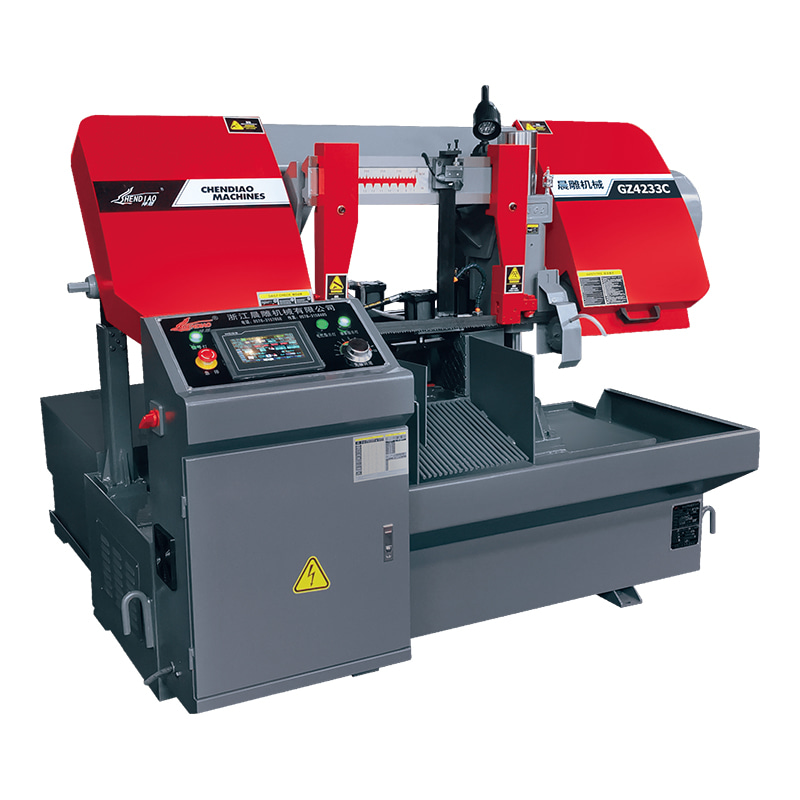
Suitable for sawing and cutting materials into same-size in massive qu...
See Details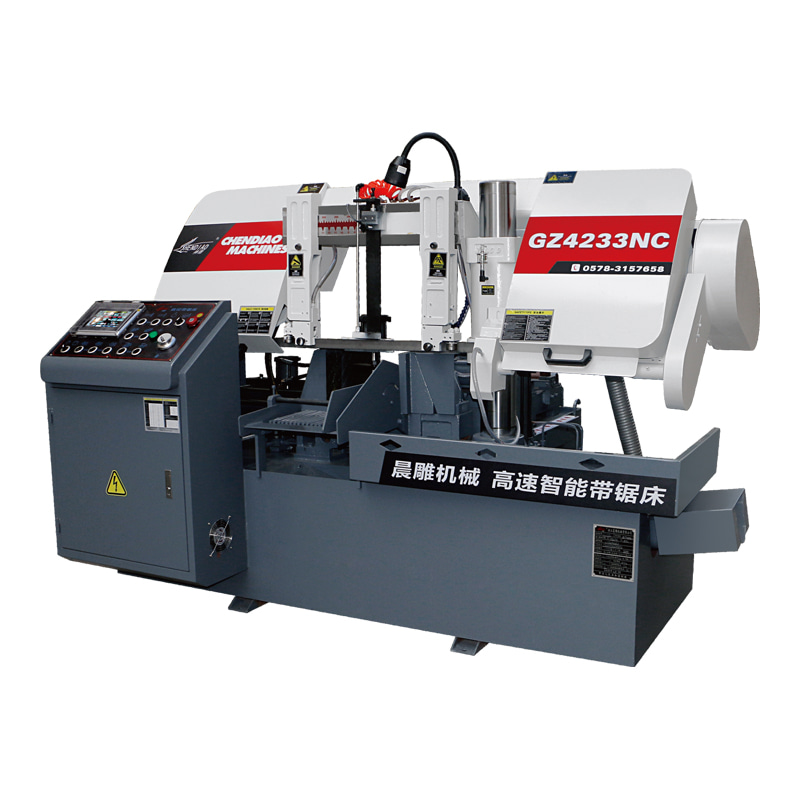
Automatic chip removal device, saw blade hydraulic tensioning device, ...
See Details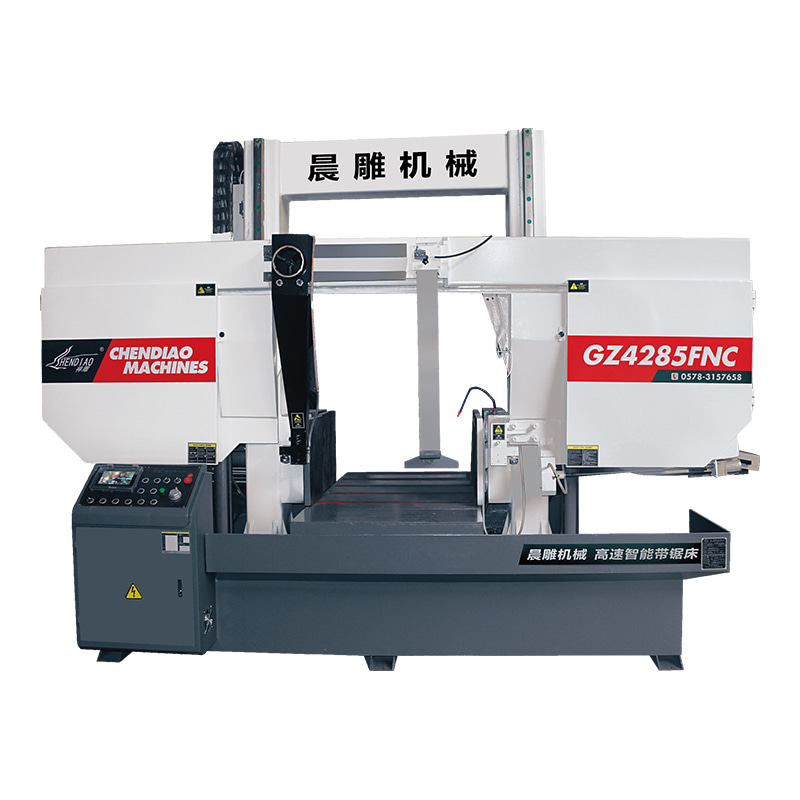
The GZ4285FNC Heavy-Duty High-Speed Intelligent Band Saw For High-Volu...
See Details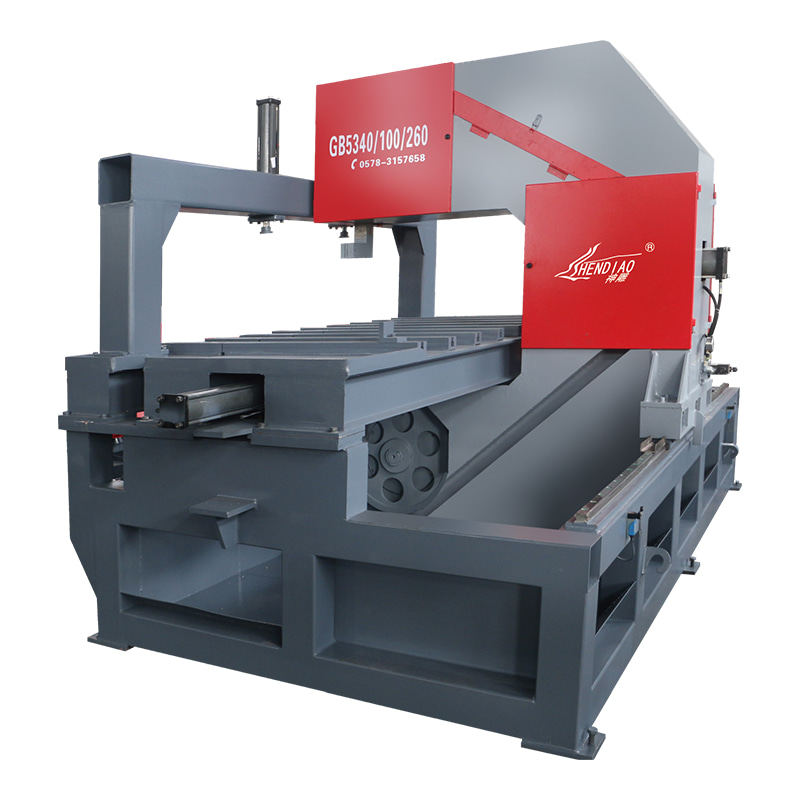
The GB5340/100/260 Gantry Pressed Plate Cutting Vertical Band Sawing M...
See Details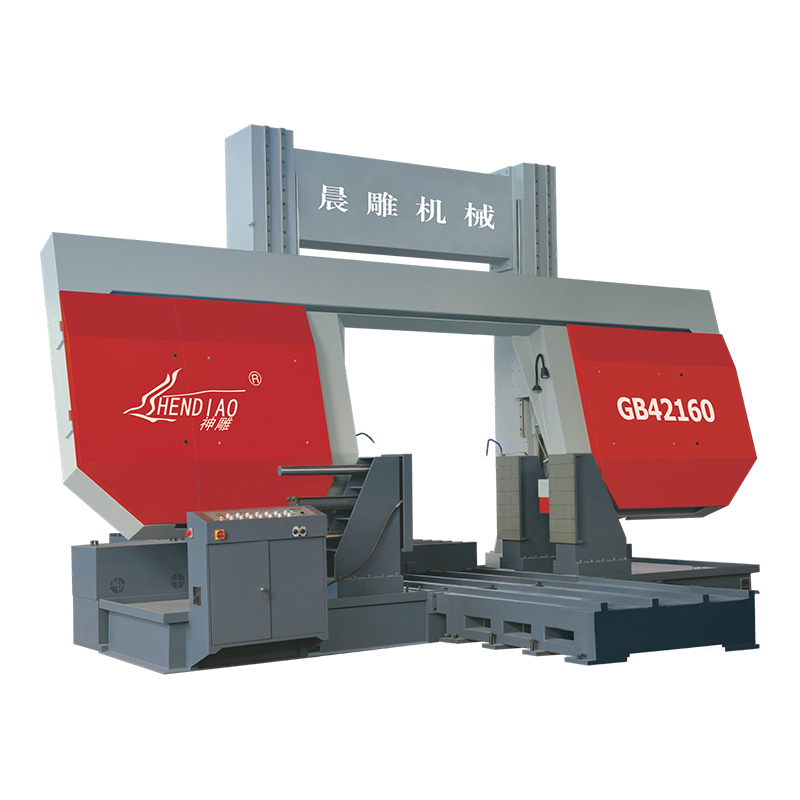
The GB42160 is a gantry-type metal band saw built with a seriously bee...
See Details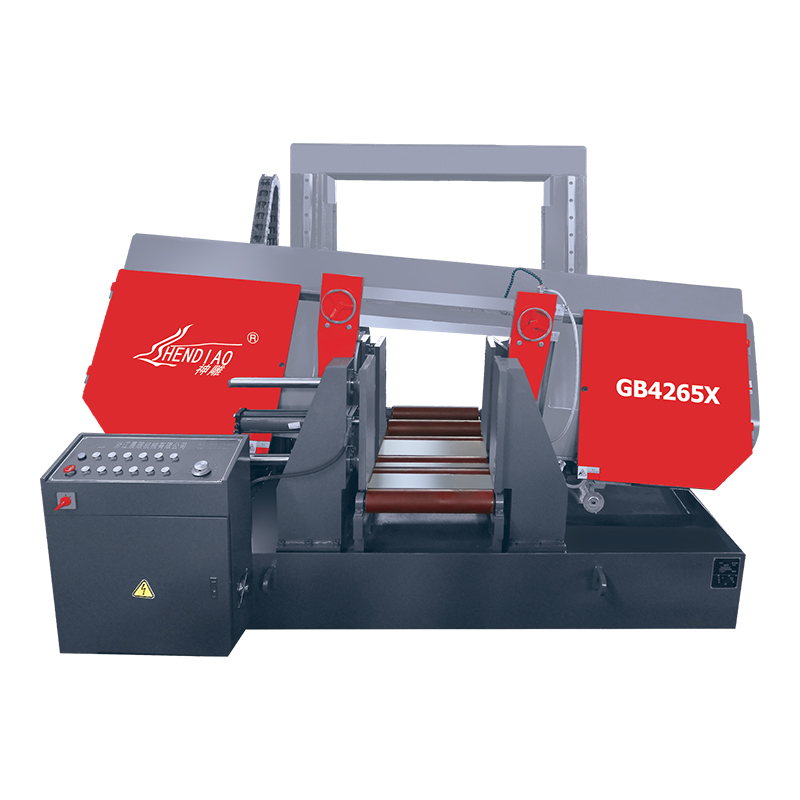
Ideal equipment for heavy-material cutting. Blade tension: hydraulic. ...
See DetailsCopyright © Zhejiang Chendiao Machinery Co., Ltd. Rights Reserved.
Band Saw Factory

