


 русский
 Français
 Español
GB5115/40/50 Manual Vertical Band Sawing Machine
Cat:Vertical Band Sawing Machine
The GB5115/40/50 Manual Vertical Band Sawing Machine handles cutting w...
See DetailsMaterial waste has settled into a steady concern across fabrication workshops and production floors everywhere. Rising input costs and tighter margins have pushed a lot of operators to look hard at how raw stock actually gets used. Cutting is usually where losses first take root. A small inefficiency at this single stage has a way of multiplying across an entire batch before anyone notices.
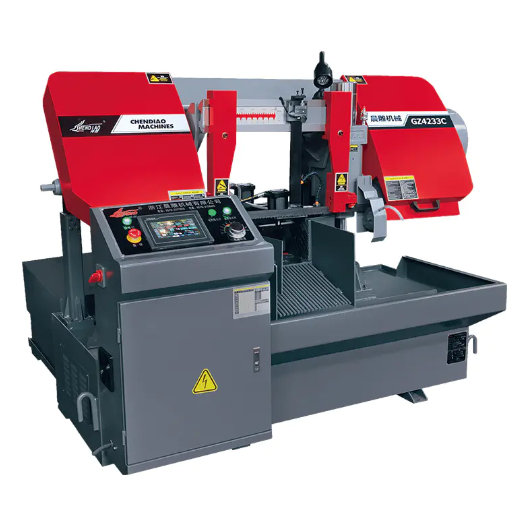
Among the tools used for metal processing, the band saw plays a genuinely quiet but important role. Its design looks simple enough — a continuous blade moves in one direction and cuts through solid material. But behind that simplicity sit real choices that shape how much material actually gets preserved, and how much just turns into scrap.
Here's a look at whether industrial metal cutting band saw genuinely help reduce waste, and how they stack up against other cutting approaches.
Waste rarely traces back to one single cause. It builds up quietly through several small factors that tend to get overlooked in the middle of daily operations.
Some common sources include:
Each of these stacks up over time. A shop might not notice the loss on a single piece, but across repeated cycles, the impact becomes genuinely visible on the books.
Cutting tools shape every one of these factors. How the blade meets the material, how wide the cut actually runs, how stable the whole process stays — all of it determines how much of the original stock survives as usable material.
Band saws run on a continuous loop blade. The motion stays steady throughout. The cut progresses along a controlled line rather than through a series of repeated impacts.
That creates a few real differences worth noting:
Unlike tools that strip away large chunks of material all at once, a band saw works gradually. That gradual approach cuts down on unnecessary removal and helps preserve more of the original shape as it goes.
Cutting direction plays into this too. With the right setup, the blade follows a genuinely consistent path, and that consistency limits the kind of deviations that tend to turn good stock into scrap.
One of the talked-about aspects of band saw use is just how narrow the cutting path actually is. A thinner cut means less material gets turned into chips or debris in the process.
In practical terms, that translates to:
That matters a lot more when working with high-value materials specifically. Even small reductions in waste can add up to genuinely noticeable savings over time.
Getting a narrow cut in the first place depends on more than just the blade, though. Setup, alignment, and general handling all feed into how efficiently the whole process actually runs.
Stability during cutting tends to track closely with accuracy. When the blade moves smoothly, the result usually lands a lot closer to the intended dimensions.
Unstable cutting, on the other hand, tends to produce:
Any one of these can turn a perfectly usable piece into scrap, or at least demand extra processing that ends up removing even more material than the original cut did.
Band saws are known for that steady motion. It doesn't eliminate variation entirely, but it does cut down on the sudden changes that tend to throw a cut off course. A controlled process helps keep things consistent across multiple pieces run after run.
Machines never really operate in a vacuum. How they get used shapes the results just as much as the equipment itself.
A handful of human factors come into play here:
Positioning of the material
Proper alignment keeps the cut following its intended path. Poor placement leads to uneven sections that just can't be used afterward.
Blade condition
A worn or damaged blade tends to drift, or leave behind rough edges — both of which increase the odds of extra trimming down the line.
Feed control
Moving material too fast or too slow throws off cut quality. Balanced, steady control supports cleaner results overall.
Inspection during operation
Keeping an eye on the process as it runs helps catch issues early, before small problems snowball into bigger losses.
Even with a genuinely capable tool in hand, sloppy practices can cancel out a lot of the potential savings. Consistent training and real attention to detail tend to make a genuinely noticeable difference here.
Band saws can genuinely help cut down material loss, sure, but they're not a universal fix for every situation. Certain conditions limit how effective they actually turn out to be.
Some of these include:
In cases like these, other methods sometimes get chosen for entirely different reasons. The priority shifts toward production rate rather than material conservation, and that's a legitimate trade-off depending on the job.
It's also worth noting that improper setup can quietly cancel out the tool's natural advantages. A misaligned system can end up producing more waste than a well-managed alternative method would have in the first place.
Different tools approach cutting in genuinely different ways, and each one strikes its own balance between speed, accuracy, and material use.
Here's a general comparison:
| Aspect | Band Saw | Alternative Cutting Methods |
|---|---|---|
| Cutting Path Width | Relatively narrow | Often wider |
| Motion Stability | Continuous and smooth | May involve intermittent force |
| Material Removal | Gradual | Can be more aggressive |
| Edge Condition | Usually cleaner | May require more finishing |
| Waste Potential | Lower under controlled use | Varies depending on method |
This isn't meant to suggest one approach should replace every other method out there. It just highlights how different tools shape the amount of material that ends up usable once the cutting's done.
The band saw's role stretches well beyond the machine itself. Where it sits within the overall workflow matters just as much as how it cuts.
A well-planned process might include:
When the cutting stage lines up with the rest of production, waste tends to drop a lot more effectively than it would otherwise. The machine becomes part of a genuinely broader system, rather than some isolated standalone step.
Poor coordination works against all of that, though — mismatched dimensions and unnecessary trimming can creep in even when the actual cutting is done with real precision. No amount of accuracy at the saw fixes a badly planned workflow around it.
Regular maintenance tends to get less attention than raw production output, but it has a genuinely direct connection to how efficiently material gets used.
Key areas worth watching:
Neglect in any of these areas tends to chip away at cutting quality gradually. The change might be subtle at first, almost invisible day to day, but it usually snowballs into real, measurable waste over time.
Consistent care supports stable performance across the board. It keeps the tool operating close to how it's actually meant to behave, which helps hold results steady run after run.
In some environments, speed or flexibility just takes precedence over everything else. Production demands genuinely shape how cutting tools end up getting used in practice.
There are plenty of situations where:
In cases like these, reduced waste isn't necessarily the deciding factor at all. The choice of equipment reflects a genuine balancing act between multiple competing priorities, not a single-minded chase for efficiency.
Even so, the potential to cut material loss stays relevant regardless. As cost pressures and sustainability concerns keep shaping decisions across the industry, more attention keeps landing on how every single stage of production affects overall efficiency.
Across a lot of sectors, there's a genuinely growing awareness building around resource management generally. Material isn't just viewed as a raw input anymore — it's increasingly treated as something that deserves careful handling throughout the process.
That shift shows up in a few clear ways:
Band saws sit right in the middle of that conversation. Their ability to produce controlled cuts with less unnecessary removal has drawn real attention from operators looking to sharpen up their processes.
At the same time, the conversation stays grounded and practical. The real question was never whether one single tool can eliminate waste entirely — it's how that tool contributes to a much broader effort to use materials more efficiently across the whole operation.
How much industrial metal cutting band saws actually reduce material waste really comes down to how they're applied in practice. Their design genuinely supports narrower cuts and steadier motion, both of which help preserve more of the original stock. What the outcome actually looks like, though, gets shaped by setup, day-to-day operation, and how well the saw integrates into the broader production process around it.
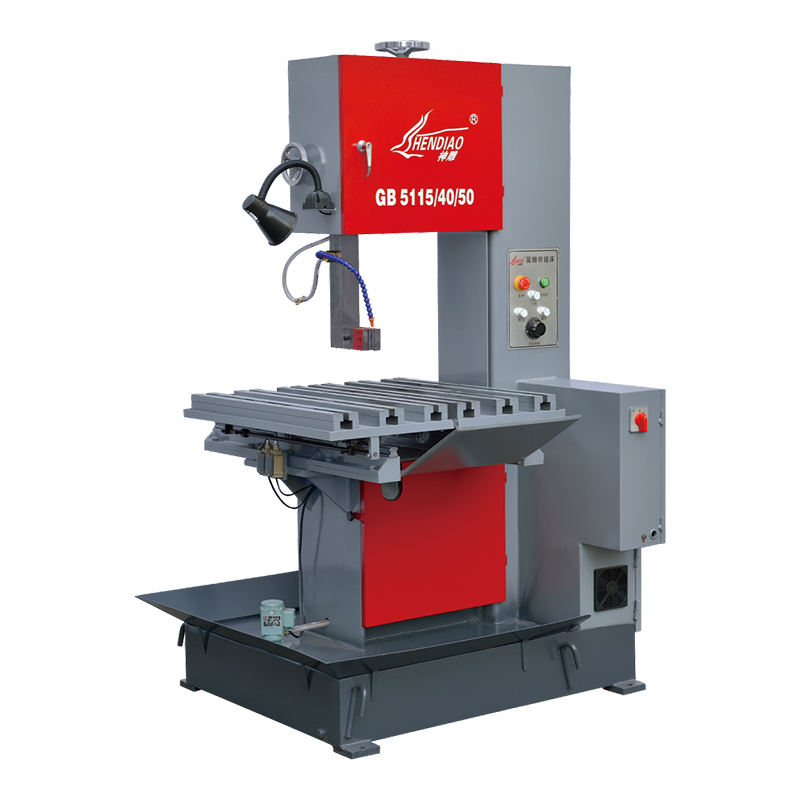
The GB5115/40/50 Manual Vertical Band Sawing Machine handles cutting w...
See Details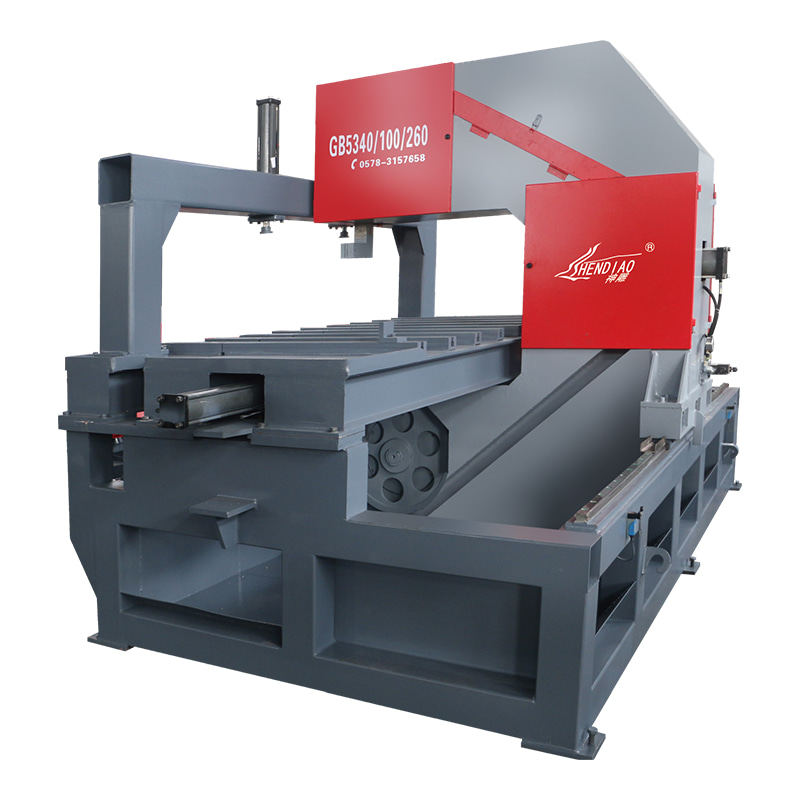
The GB5340/100/260 Gantry Pressed Plate Cutting Vertical Band Sawing M...
See Details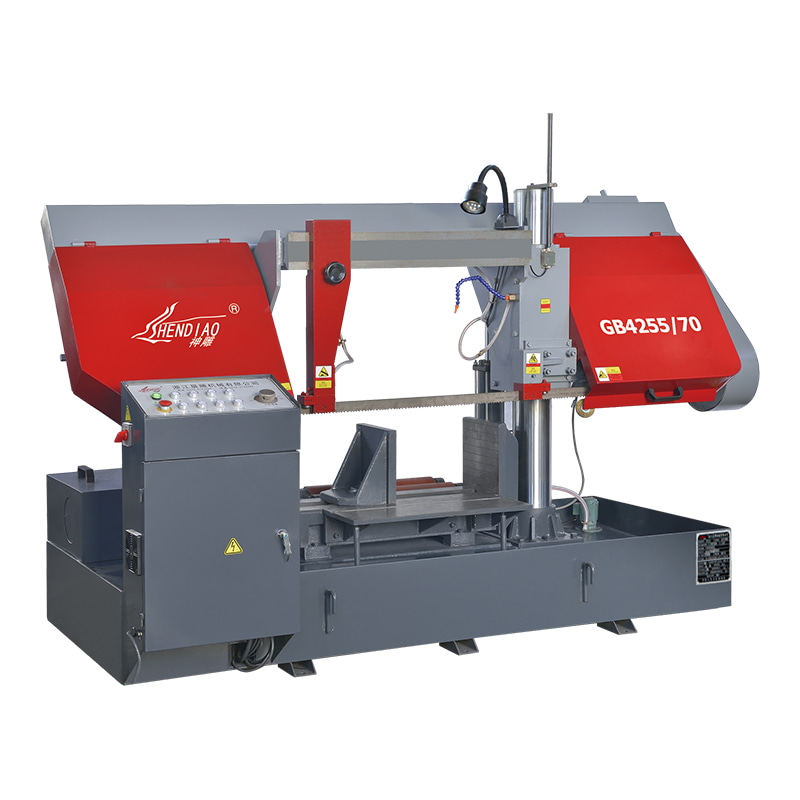
The GB4255/70 Button Chain Feed Double-Cylinder Horizontal Band Metal ...
See Details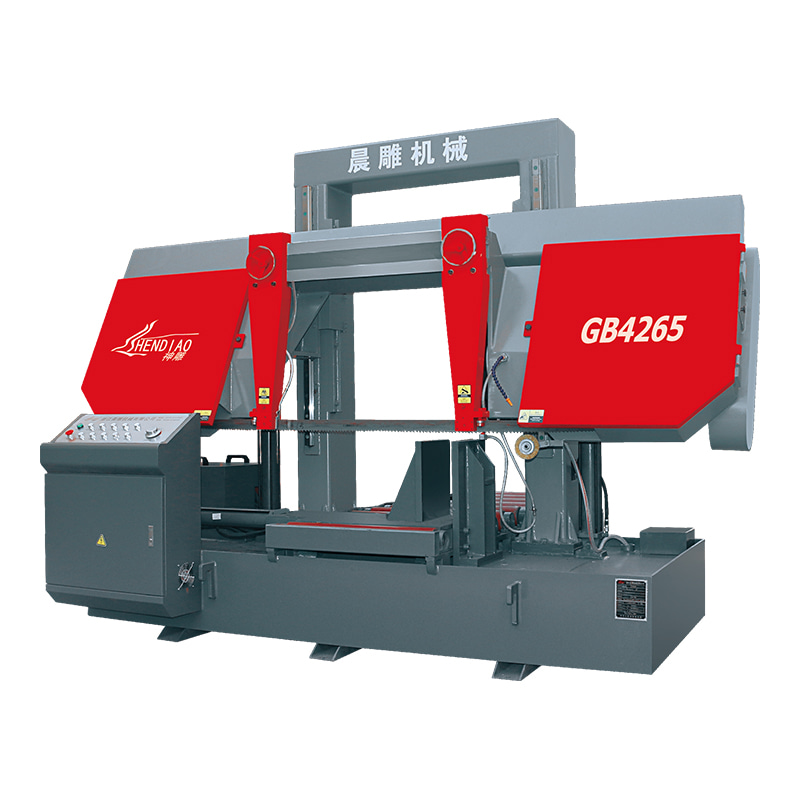
The GB4265 Semi-Automatic Gantry Type Band Chain Feeding Metal Sawing ...
See Details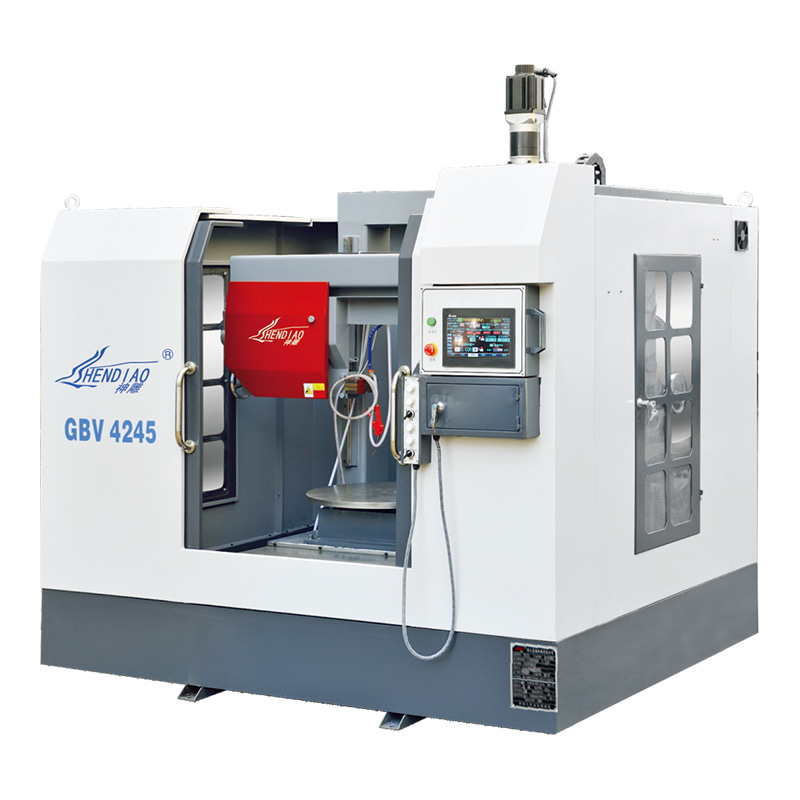
The GBV4245 Sapphire Cutting Machine Disc Saw is a specialized solutio...
See Details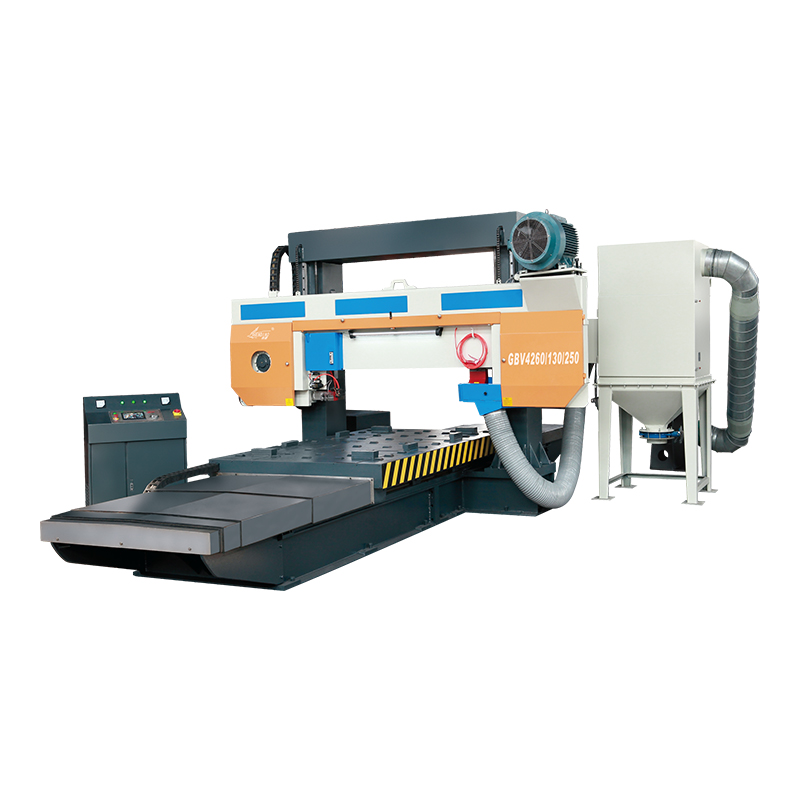
Suitable for cutting large aluminum alloy plates. Saw blade tensioning...
See DetailsCopyright © Zhejiang Chendiao Machinery Co., Ltd. Rights Reserved.
Band Saw Factory

