


 русский
 Français
 Español
GZ4243B Upgraded Manual-Automatic Dual-System Operation CNC Band Sawig Machine
Cat:CNC Band Sawig Machine
Suitable for sawing and cutting materials into the same size in massiv...
See DetailsWhen evaluating how a Fully Automatic Angle Cutting Band Saw Machine maintains equilibrium between cutting speed and blade life, it is essential to recognize that both metrics are directly influenced by mechanical load, thermal behavior, and material interaction. Higher cutting speeds can significantly improve productivity, but they also increase friction and heat accumulation at the cutting interface. This accelerates wear, shortens blade lifespan, and can compromise cutting accuracy. Conversely, reducing cutting speed may extend blade life but lower overall throughput, which may not align with production efficiency goals. Understanding this dual relationship is the foundation for determining a suitable operating balance for industrial environments with varied material requirements and cutting angles.
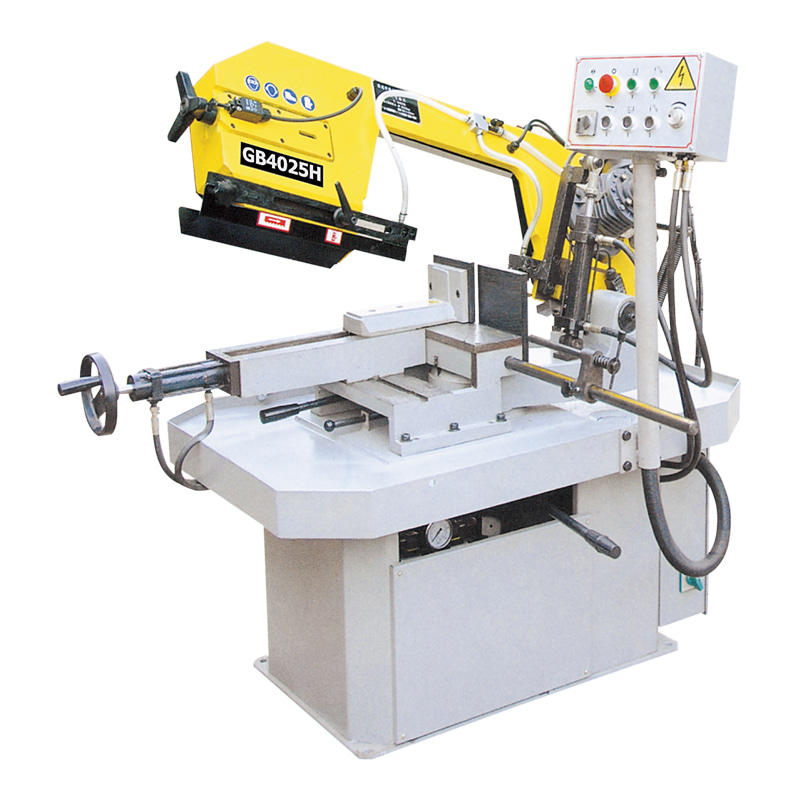
The type, hardness, and thickness of the workpiece material greatly influence how quickly a blade degrades under different cutting speeds. For soft steels and non-ferrous metals, higher speeds may be acceptable because heat builds more slowly and chip evacuation remains efficient. For hardened alloys or thick-walled sections, aggressive speeds can cause the teeth to dull prematurely or micro-fracture. Consistent evaluation requires tracking how different materials respond under set speeds, observing chip color, surface finish, and blade vibration patterns. Over time, these observations help determine the safe upper limits of cutting speed for each material grade without pushing the blade into rapid wear.
Blade style, tooth pitch, and coating specifications are crucial variables when establishing the balance between efficiency and longevity. Coarse-tooth blades generally handle high removal rates better and maintain stability under moderate speeds, while fine-tooth blades may require slower speeds to avoid overheating in dense materials. Coatings such as TiN or carbide tips provide enhanced heat resistance and wear protection, allowing higher cutting speeds before degradation becomes critical. Matching blade geometry to both the saw’s capabilities and the production material mix forms a data-driven approach that prevents overspeeding while improving throughput.
Heat buildup is one of the reliable indicators of whether the operating speed is sustainable. Excessive heat manifests as discolored chips, loud cutting noises, or reduced feed consistency. Maintaining suitable temperature conditions requires effective coolant flow rates and proper blade lubrication. If thermal monitoring shows rising temperatures even at moderate speeds, it suggests poor chip evacuation or inadequate coolant coverage, both of which shorten blade life. Achieving balance means adjusting cutting speed so that temperature remains within a stable, predictable range across long production cycles.
Modern cutting systems rely on sensors and CNC feedback to evaluate torque, feed pressure, and blade tension. These data streams make it possible to identify when cutting load becomes excessive, signaling that speed should be reduced to maintain longevity. Tracking blade life over multiple production runs provides empirical evidence of how certain speed settings influence blade endurance. Statistical evaluation helps determine the economic operating point by comparing material removed per hour to total blade cost over time.
Cutting speed alone does not determine blade wear—feed rate and blade speed must be balanced together. High-speed cutting paired with aggressive feed force often causes premature dulling. A coordinated setup ensures the blade advances steadily without overload. Incremental testing, where feed and speed are adjusted in small steps, helps establish the combination that achieves smooth chip formation and low friction.
By examining material behavior, blade geometry, thermal patterns, operational feedback, and synchronized motion settings, manufacturers can determine a suitable balance between cutting speed and tool life. This strategic approach ensures high productivity while protecting blades from premature wear, ultimately improving both performance and cost efficiency in continuous angle-cutting operations.
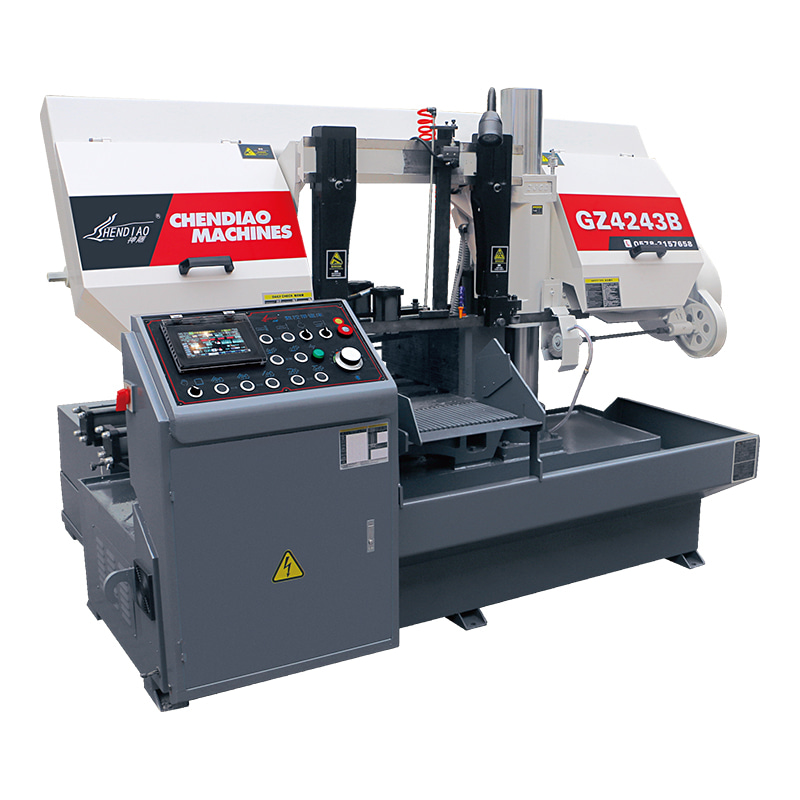
Suitable for sawing and cutting materials into the same size in massiv...
See Details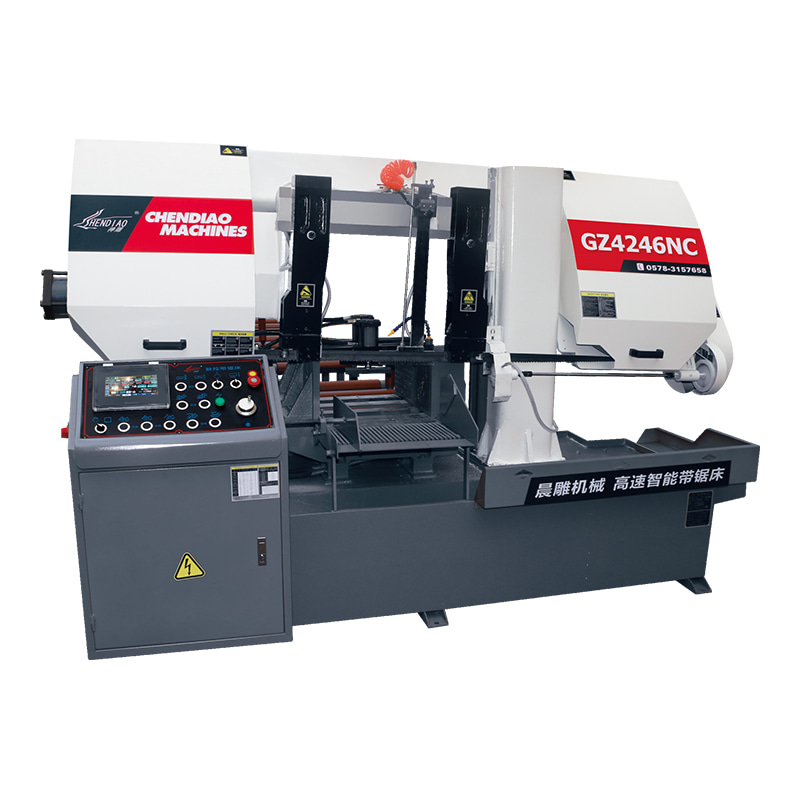
The GZ4246NC Newly Upgraded Large Square Column High-Speed Intelligent...
See Details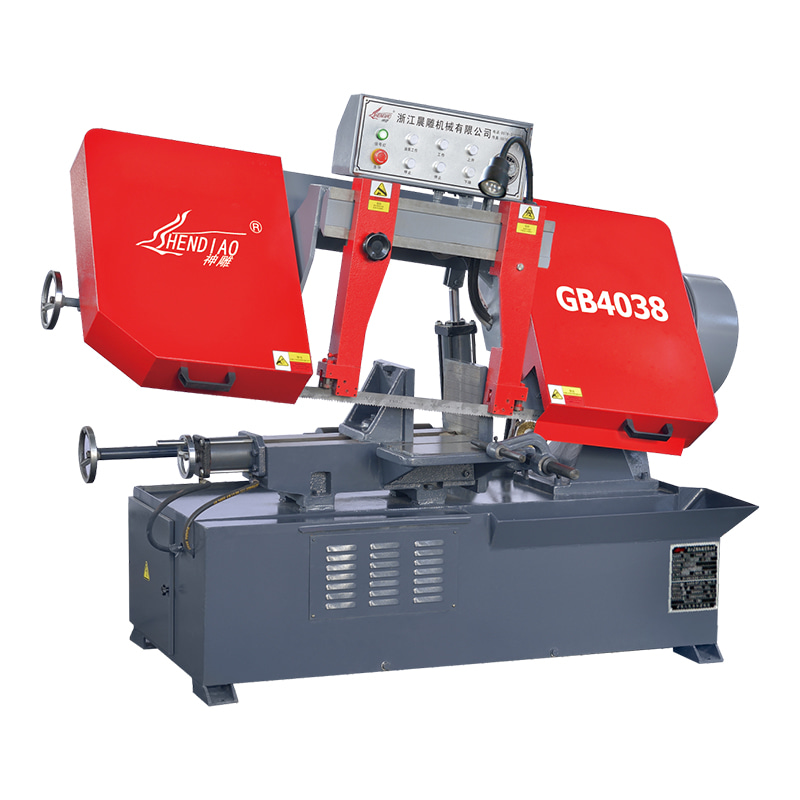
Can be customized: The equipment can be varied according to the fast f...
See Details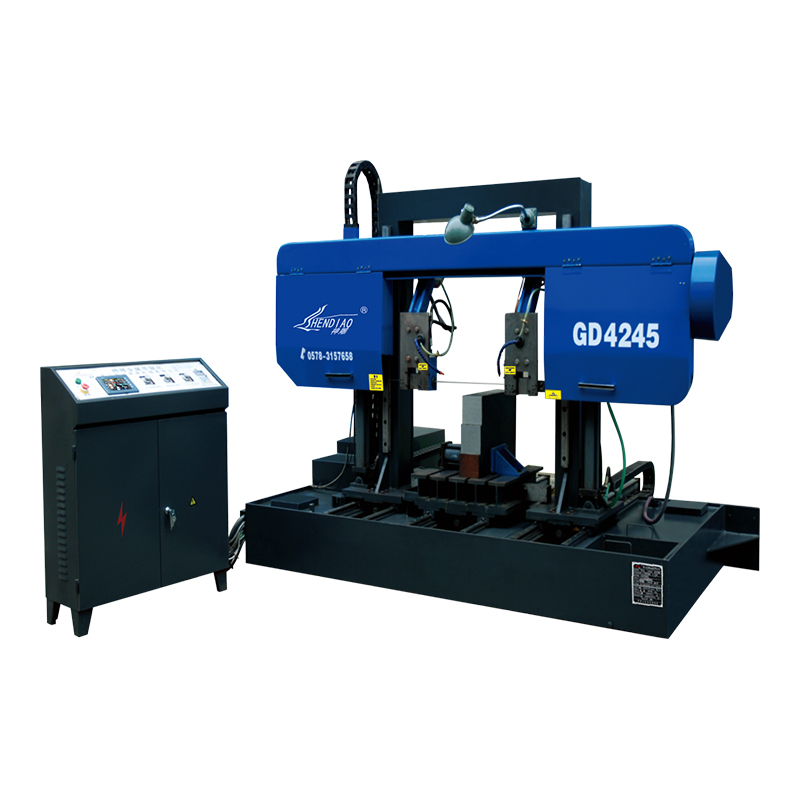
Patent No.: 200720115051.4 200710071420.9 200720115052.9
See Details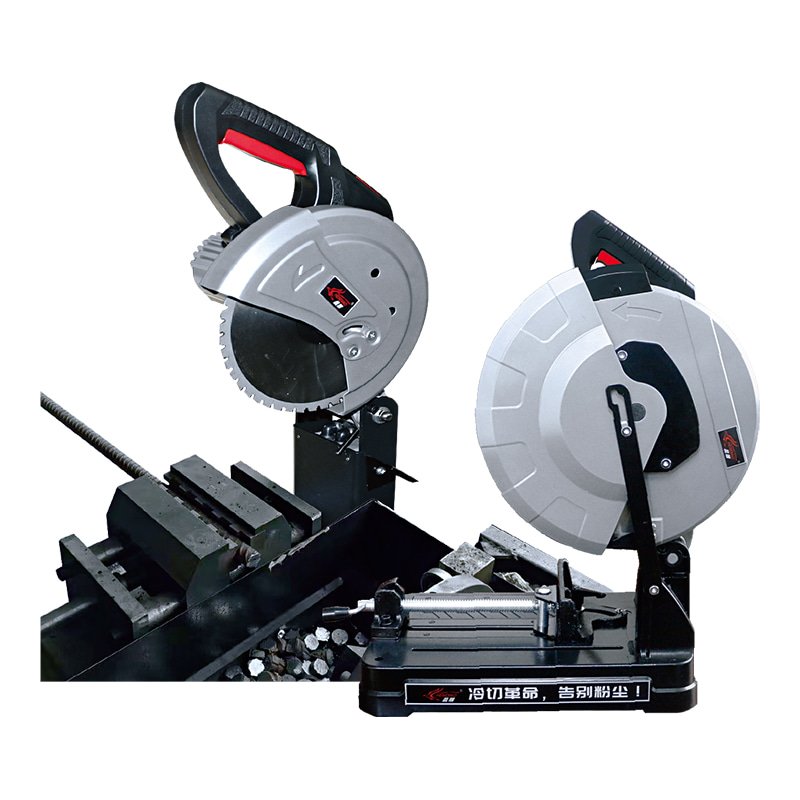
The 25/35 Permanent Magnet Brushless Cold Cutting Saw Machine is highl...
See Details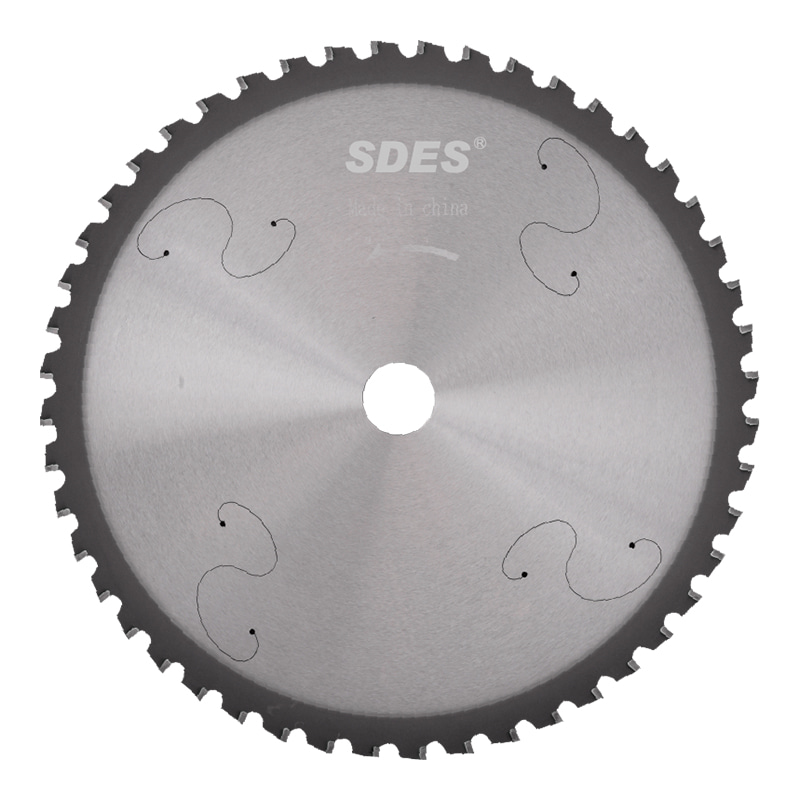
The 25/35 Cold Metal Ceramic Blade is a high-performance cutting tool ...
See DetailsCopyright © Zhejiang Chendiao Machinery Co., Ltd. Rights Reserved.
Band Saw Factory

