


 русский
 Français
 Español
GZ4233NC Efficient High-Speed Intelligent Band Saw With Automatic Chip Removal Device
Cat:High-Speed Intelligent Band Saw
Automatic chip removal device, saw blade hydraulic tensioning device, ...
See DetailsWhen comparing a Vertical Metal Cutting Band Saw Machine to traditional manual models, one of the significant advantages lies in its good structural rigidity and precise control over the cutting process. Vertical designs typically feature reinforced frames, balanced blade wheel alignment, and optimized force distribution that reduce vibration during cutting. This structural stability allows operators to maintain straighter cut paths, especially when working with large or irregularly shaped metal pieces. Manual units often struggle with consistency because the operator’s handling influences cutting pressure and direction, while vertical automated designs maintain uniform blade engagement and reduce human-induced error.
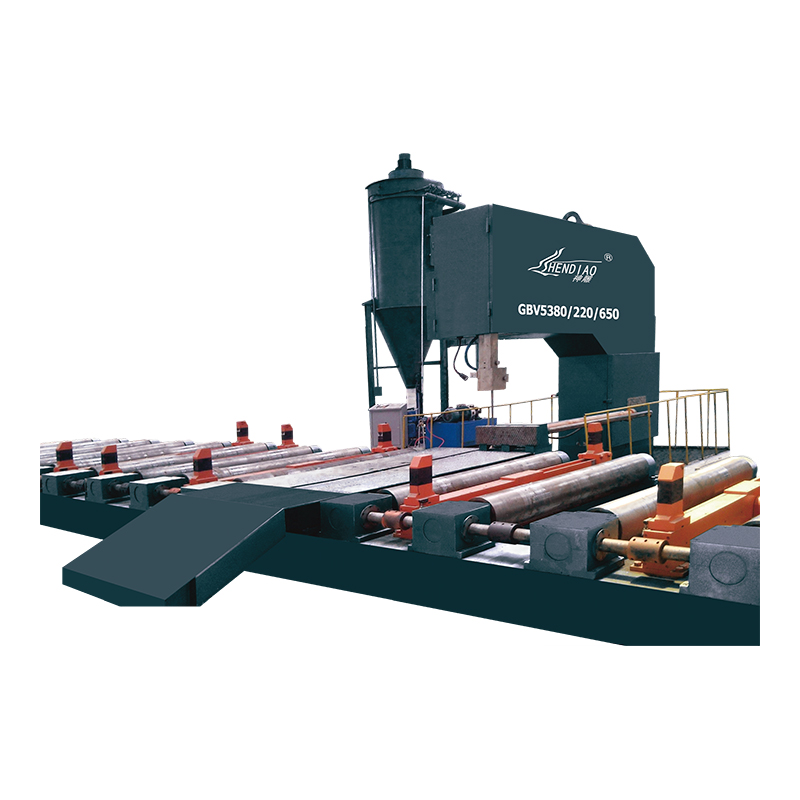
Automation is a defining characteristic that sets modern vertical saws apart from manual tools. Traditional hand-operated saws rely on constant human input to control feeding speed, cutting pressure, and angle adjustment, which can slow down productivity and increase fatigue. In contrast, automated vertical systems use servo-driven or hydraulic feeding mechanisms that regulate motion with exceptional consistency. This increases cutting throughput and ensures repeatability across multiple workpieces. By reducing operator involvement during the cutting cycle, the machine also reduces downtime and allows workers to focus on preparation, inspection, or subsequent processing tasks. The result is a significant boost in operational efficiency and workflow optimization.
Precision is another core advantage of modern vertical systems. Their integrated guidance assemblies, tension control mechanisms, and blade stabilizers help maintain consistent blade tracking even when handling hardened steel, thick billets, or intricate shapes. Manual saws often exhibit deviations due to fluctuating hand pressure or inconsistent feed motion, which can result in tapered edges, crooked cuts, or excessive burrs. Vertical machines incorporate advanced blade guide materials such as carbide or ceramic, which resist wear and maintain ultra-narrow clearances. Combined with automated feed control, these features produce tighter tolerances and greatly reduce the need for rework or secondary machining.
Vertical cutting systems offer enhanced versatility because they allow operators to maneuver workpieces freely during cutting. This capability is especially useful for fabricating custom contours, notches, or angled surfaces that would be difficult or slow to achieve on manual saws. The open vertical workspace accommodates larger components and irregular shapes more easily, enabling more efficient positioning and adjustment. While manual saws can also perform curved or contour cuts, precision and control are heavily dependent on the operator’s skill. Vertical machines ensure predictable cutting behavior and support a broader range of industrial applications such as metal fabrication, mold machining, structural steel processing, and prototype manufacturing.
Safety is another area where vertical band saw technology outperforms manual equipment. Traditional hand-operated saws place operators close to the blade and require continuous physical input, increasing the risk of fatigue-related errors or accidental contact. Vertical systems are designed with safety guards, automatic shutoff features, stable worktables, and controlled feeding mechanisms that keep operators farther from the cutting zone. Ergonomic adjustments, such as adjustable work heights and easier material handling, help reduce physical strain. This not only protects workers but also contributes to more consistent cutting performance by reducing operator fatigue.
Through advanced stability, automated control, higher accuracy, greater versatility, enhanced safety, and reduced long-term operating costs, modern vertical metal cutting systems deliver clear advantages over manual models. These improvements reflect the ongoing evolution of industrial cutting technology and provide manufacturers with the precision and efficiency required for today’s demanding production environments.
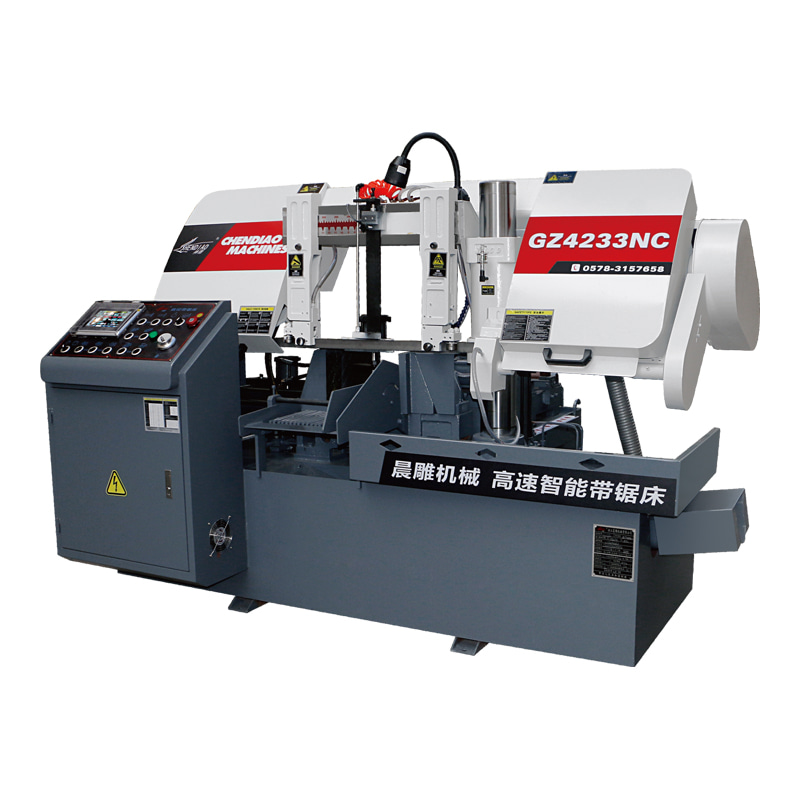
Automatic chip removal device, saw blade hydraulic tensioning device, ...
See Details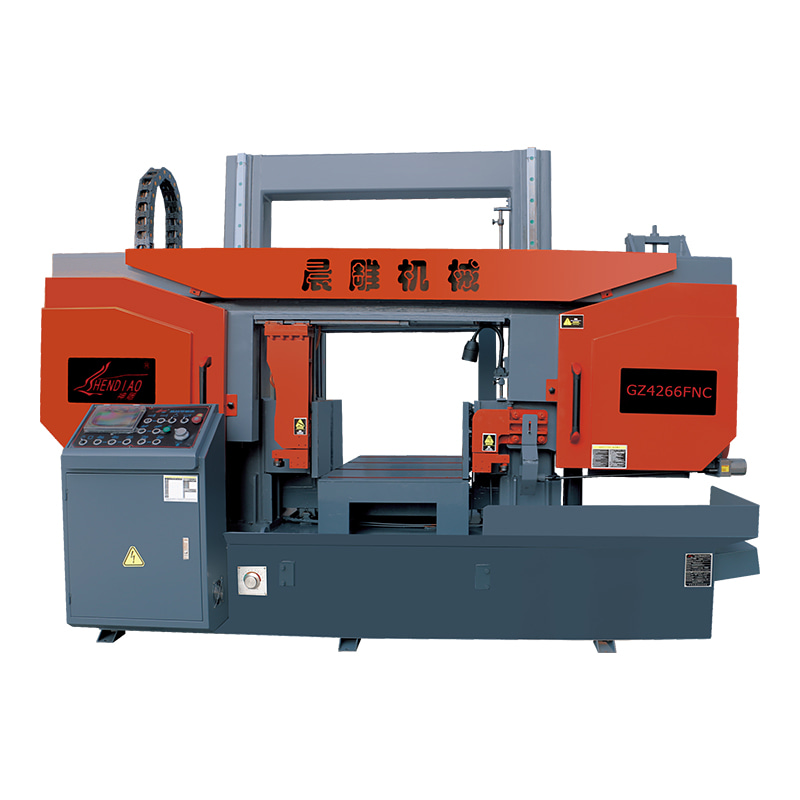
The GZ4266FNC Fully Automatic Feeding Full Roller High-Speed Intellige...
See Details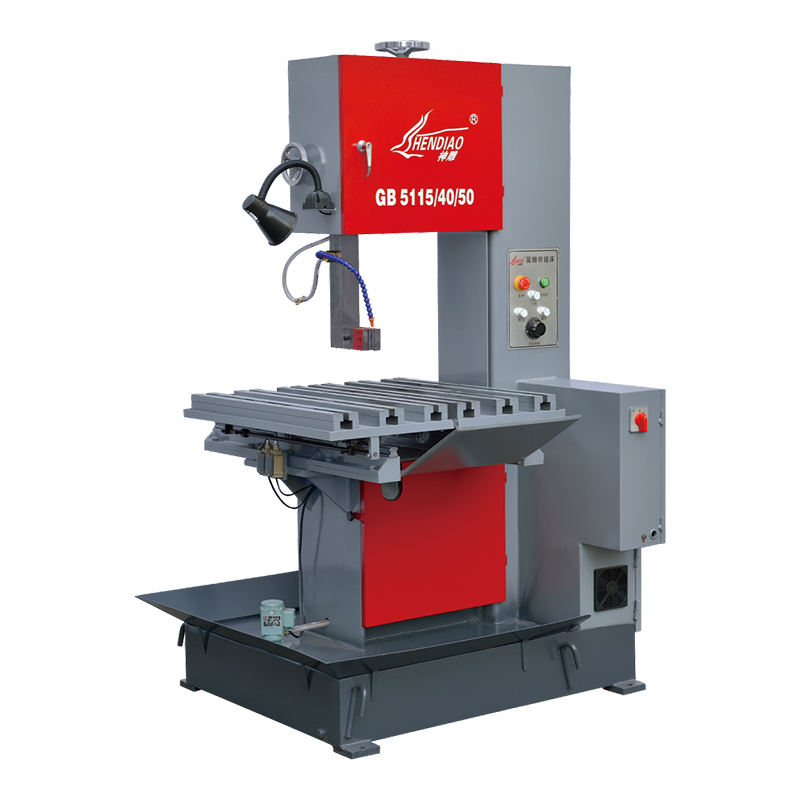
The GB5115/40/50 Manual Vertical Band Sawing Machine handles cutting w...
See Details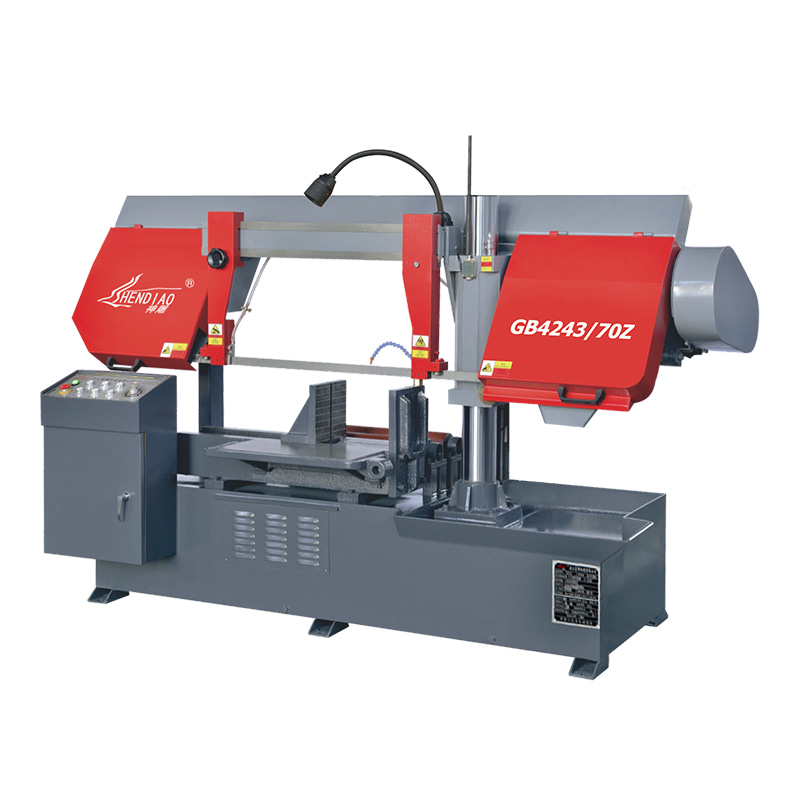
The GB4243/70Z Hydraulic Semi-Automatic Metal Double-Cylinder Horizont...
See Details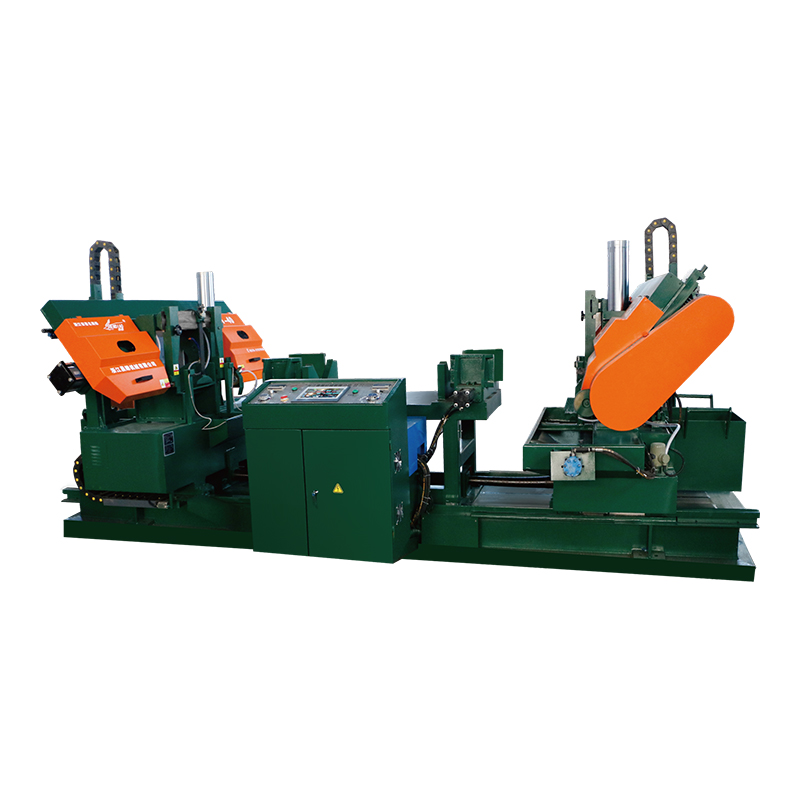
ST-40 CNC Double-Head Band Sawing Machine is designed for high-precisi...
See Details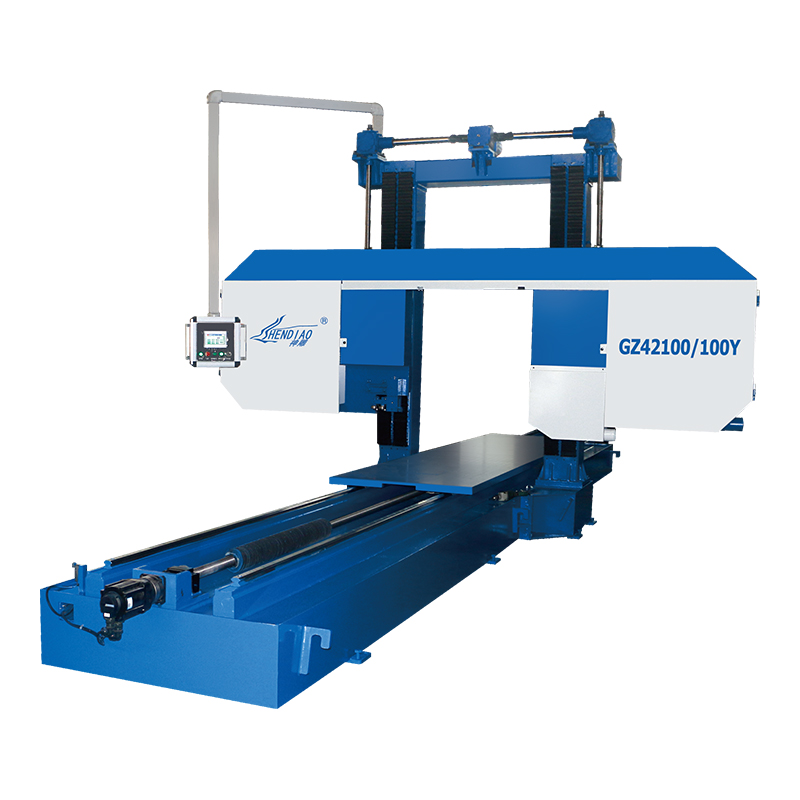
This machine tool is a special machine tool with mechanical and electr...
See DetailsCopyright © Zhejiang Chendiao Machinery Co., Ltd. Rights Reserved.
Band Saw Factory

