


 русский
 Français
 Español
GZ1515/170G Automatic Hydraulic Feed Sawing Aluminum Plate Circular Saw
Cat:Circular Saw
Suitable for cutting aluminum alloy plate, high efficiency (3 times of...
See DetailsCutting materials is a routine part of many manufacturing and fabrication operations. The task may appear simple. Yet when the same cutting work is repeated throughout a working day, it can become one of the more demanding parts of a production process.
Workers may need to position material, start each cut, monitor the operation, remove the finished piece, and prepare for the next one. When the same sequence happens again and again, much of the working time can be spent on repetition rather than on tasks that require more judgment.
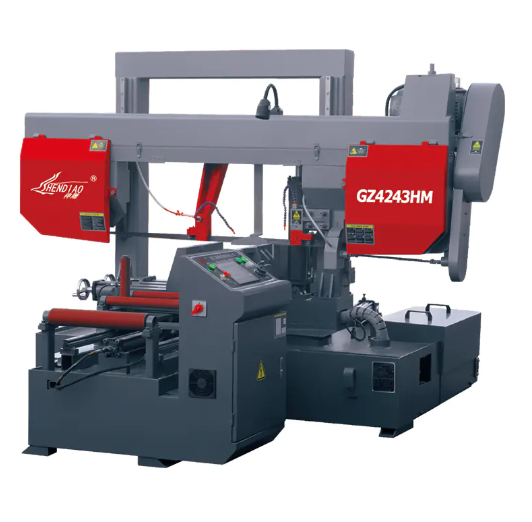
This is one reason automatic band saw cutting machines are receiving attention in modern production environments. These machines are designed to handle repeated cutting activities with less manual involvement.
The question is not whether automation can replace every part of the cutting process. It cannot. Material preparation, equipment setup, inspection, maintenance, and production decisions still require people.
The more practical question is whether an automatic band saw cutting machine can reduce the amount of repetitive work that workers perform.
In many production settings, this depends on the type of material, the cutting schedule, the machine layout, and how well the equipment fits into the wider workflow.
Repetition is not necessarily difficult because of one individual cutting action.
The challenge comes from doing the same action many times.
A worker may repeatedly move material into position, check its placement, begin the cutting process, wait for the cut to finish, and handle the resulting piece. The process can continue for a long period when a production order involves many similar pieces.
This type of work can affect how people spend their time.
Instead of focusing on inspection, material preparation, production coordination, or other activities, workers may spend much of their attention on routine cutting steps.
It can change this pattern by handling parts of the repeated sequence.
The machine may take over certain recurring actions after the required setup has been completed. This allows the operator to focus on monitoring the process rather than manually controlling every individual cut.
The difference may seem small when looking at one piece.
Across a long production task, the change can become more noticeable.
The real value of automation is therefore not simply faster movement. It is the reduction of repeated human actions within a production routine.
Automation can remove several repeated steps from a conventional cutting workflow.
The exact level of automation depends on the equipment and application. Some machines may handle material movement and repeated cutting as part of a connected process. Others may require more operator involvement.
A typical workflow can include several stages:
Material preparation
Workers prepare the material and make sure it is suitable for the planned cutting operation.
Machine setup
The operator prepares the equipment according to the intended cutting task.
Material positioning
The material is placed into the appropriate working area.
Cutting
The machine performs the cutting action according to the selected production arrangement.
Piece handling
Finished pieces are removed and prepared for the next stage.
Automation can reduce manual involvement in some of these repeated steps.
The operator may no longer need to manually control every individual cutting action. Instead, attention can shift toward monitoring, checking, and managing the production process.
This creates a different relationship between the worker and the machine.
The worker remains responsible for the operation. The machine takes on more of the repetitive physical work.
That distinction is important.
Automation does not necessarily mean removing people from the process. It can mean giving people a different role within that process.
Not every cutting application has the same needs.
Automation tends to make more sense when the production process includes repeated tasks with a relatively clear routine.
For example, a workshop may regularly prepare multiple pieces from similar materials. If the same cutting sequence is performed many times, an automatic band saw cutting machine may reduce the number of manual actions required.
The potential benefits can vary by production situation.
| Production Situation | Possible Role of Automation |
|---|---|
| Repeated cutting tasks | Reduces repeated manual actions |
| Similar material preparation | Supports a more organized workflow |
| Regular production schedules | Helps maintain a consistent cutting routine |
| Multiple cutting stages | Can reduce unnecessary operator involvement |
| Long production runs | Allows workers to focus more on monitoring |
| Mixed production work | Can provide flexibility when properly configured |
The key point is repetition.
If every piece requires a completely different process, automation may offer less value. If many pieces follow a similar sequence, the opportunity is easier to identify.
This is why businesses should consider their actual production pattern rather than simply choosing automation because it is available.
One of the interesting effects of automatic cutting equipment is the change in the operator's daily responsibilities.
With a more manual process, the worker may remain closely involved with each cutting action.
An automated process can shift that attention.
Instead of controlling every cut, the operator may spend more time checking material placement, observing the machine, inspecting finished pieces, preparing upcoming work, and responding when adjustments are needed.
This can make the job less focused on repetition.
The operator still plays an important role. Human judgment remains useful when the production situation changes.
For example, a new material may require a different setup. A change in the production order may require an adjustment. An unexpected condition may also require the operator to stop and assess the process.
Automation works within these decisions.
It handles routine actions while people remain involved in decisions that require attention and judgment.
This balance can be useful for workshops that want to improve their workflow without treating automation as a replacement for human involvement.
Cutting is only one part of the overall process.
Material handling can also involve repeated movement. Workers may need to position long pieces, prepare the next section, remove finished pieces, or arrange materials for subsequent operations.
If these activities remain completely manual, the potential value of an automatic band saw cutting machine may be limited.
This is why material flow deserves attention when introducing automated cutting equipment.
The machine should fit naturally into the surrounding production arrangement.
A practical workflow might look like this:
Material Preparation → Machine Loading → Automated Cutting → Inspection → Finished Piece Handling
The exact arrangement can vary.
The important point is that each stage should support the next one.
If the cutting machine is automated but workers still need to perform unnecessary manual steps before and after every cut, some of the potential benefit can be lost.
A broader view of the production process can help identify where automation is genuinely useful.
The goal is not to automate one machine in isolation.
The goal is to reduce unnecessary repetition throughout the cutting workflow.
Repetitive work can be influenced by many small differences.
A worker may position material slightly differently from one task to another. Attention can also vary during a long production period. Fatigue may influence how carefully repeated actions are performed.
An automated cutting process can provide a more structured routine.
Once the equipment has been properly prepared, repeated cutting actions can follow the same general operating sequence.
This can make the workflow easier to organize.
It does not mean that every finished piece will automatically be identical in every situation. Material condition, machine condition, setup, maintenance, and operator decisions can all influence the result.
Automation should therefore be viewed as one part of production consistency rather than a guarantee of uniform results.
The human role remains important.
Operators need to monitor the process and identify situations that require attention. Regular checks can help ensure that the machine continues to perform as intended.
The benefit comes from reducing unnecessary variation in repeated manual actions while keeping people involved in process control.
Automation is not automatically suitable for every workshop.
The production environment should be considered before a machine is introduced.
Several questions can help determine whether an automatic band saw cutting machine fits the operation.
How often is cutting repeated?
If cutting occurs only occasionally, a manual process may remain practical. Frequent repetition creates a stronger reason to consider automation.
Are the materials relatively consistent?
A predictable workflow can make automation easier to integrate. Constantly changing materials may require more operator involvement.
How are materials loaded and removed?
The surrounding handling process can influence the overall value of automated cutting.
What will the operator do during machine operation?
If the machine can reduce repetitive work, there should be useful tasks available for the operator to perform.
Does the machine fit the existing production layout?
Space, material movement, and access should all be considered.
How will maintenance be managed?
Automated equipment still needs regular attention. A convenient maintenance arrangement can make daily operation easier.
These questions help businesses look beyond the machine itself.
The useful automation is usually connected to a clear production need.
Modern workshops may handle more than one type of production task.
A business might work with different materials, cutting patterns, or order requirements. This creates a challenge for automation because a system designed around one narrow routine may become inconvenient when production changes.
Flexibility therefore matters.
It can be useful when it supports different production arrangements without making every change unnecessarily complicated.
The machine should be considered as part of the workshop rather than as an isolated piece of equipment.
For example, a workshop may use automation for repeated cutting work while keeping manual processes for unusual or low-volume jobs.
This creates a mixed production model.
Automated cutting handles predictable work.
Workers handle tasks that require more flexibility.
Such an arrangement can make more sense than attempting to automate every cutting activity.
The right balance depends on the production environment.
A workshop with frequent repeated orders may rely more heavily on automated cutting. Another operation with varied custom work may use automation only for selected tasks.
This approach allows businesses to match equipment use with actual production needs.
The value of automatic cutting is not limited to reducing physical effort.
It can also influence how production is organized.
When repeated cutting follows a defined process, material preparation, machine operation, inspection, and handling can be planned more clearly.
Workers may know when materials need to be prepared. They can organize finished pieces according to the next production step. Operators can spend more time monitoring the equipment instead of repeatedly starting and stopping individual cutting actions.
This can create a clearer workflow.
| Manual Focus | Automated Workflow Focus |
|---|---|
| Repeated machine operation | Process monitoring |
| Frequent material positioning | Planned material preparation |
| Individual cutting control | Production sequence management |
| Repeated piece handling | Organized output handling |
| Continuous operator attention | Attention when intervention is needed |
The difference is not simply about removing work.
It is about changing the type of work.
A worker who spends less time repeating the same cutting action may have more opportunity to focus on production coordination and quality checks.
That can be particularly useful when the workshop needs both efficiency and human judgment.
The strongest case for automation often appears where repetition is a normal part of production.
A workshop producing many similar pieces may have more reason to automate than one handling occasional custom cuts.
The same applies when cutting is one part of a larger production sequence.
If materials move through several connected stages, reducing repeated manual cutting tasks can help create a smoother flow between them.
The equipment may also be useful when the business wants to reorganize how workers spend their time.
Rather than having an operator perform every cutting action, the operator can supervise the machine and handle other responsibilities around the cutting process.
This does not remove the need for skilled workers.
It changes where their attention is used.
As manufacturing environments continue to explore automation, automatic band saw cutting machines are being considered not only as cutting equipment but also as tools for reorganizing repetitive production work. Their practical value depends on how closely the machine matches the material, production routine, operator role, and wider workflow.
When these elements fit together, automation can take over more of the repeated cutting sequence while people remain responsible for preparation, monitoring, inspection, and decisions that cannot be reduced to a routine action.
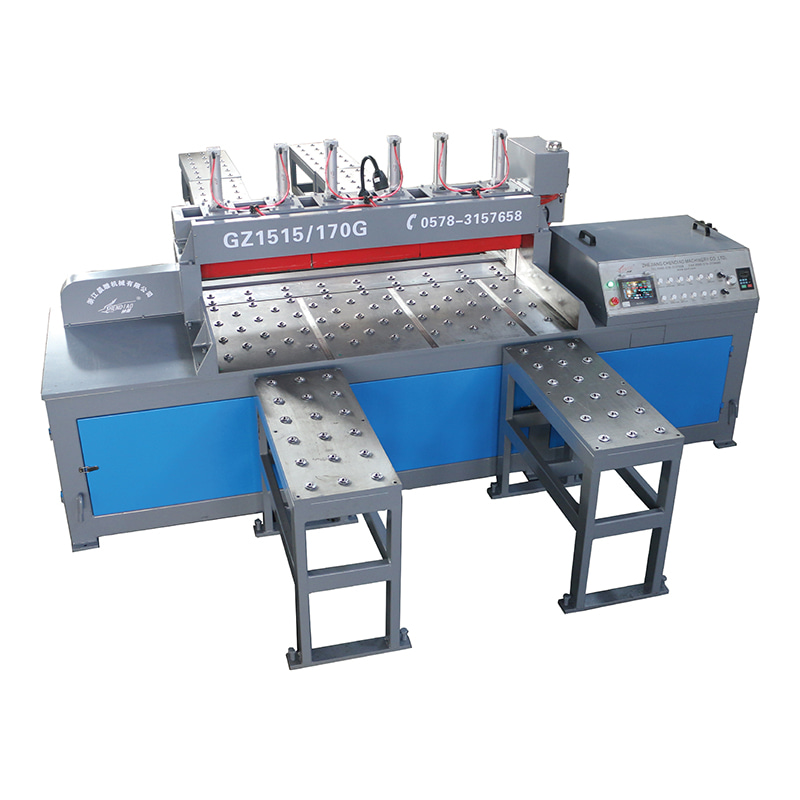
Suitable for cutting aluminum alloy plate, high efficiency (3 times of...
See Details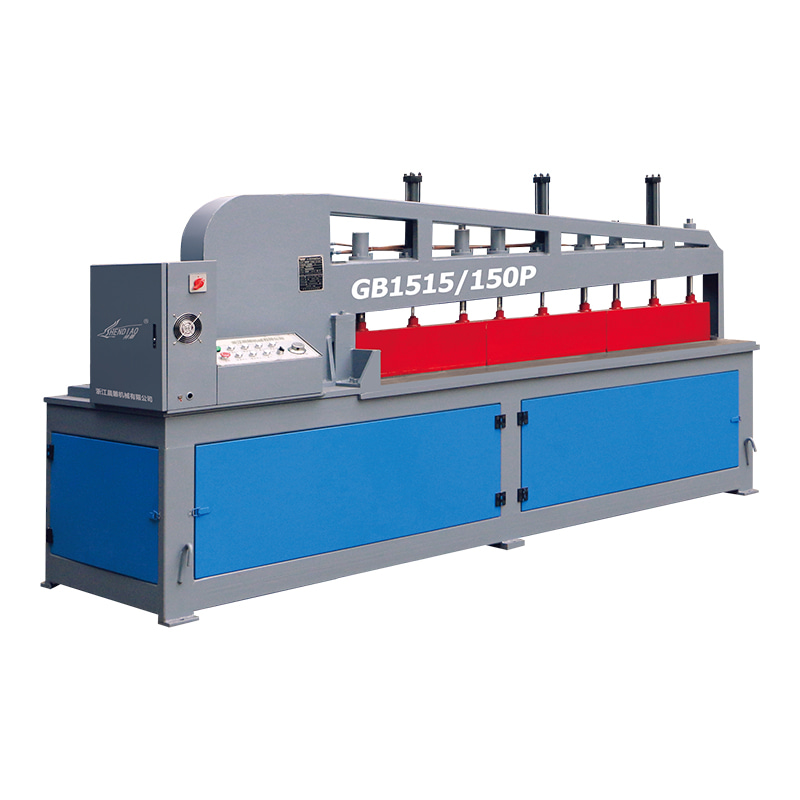
Suitable for cutting aluminum alloy sheet, high efficiency (3 times mo...
See Details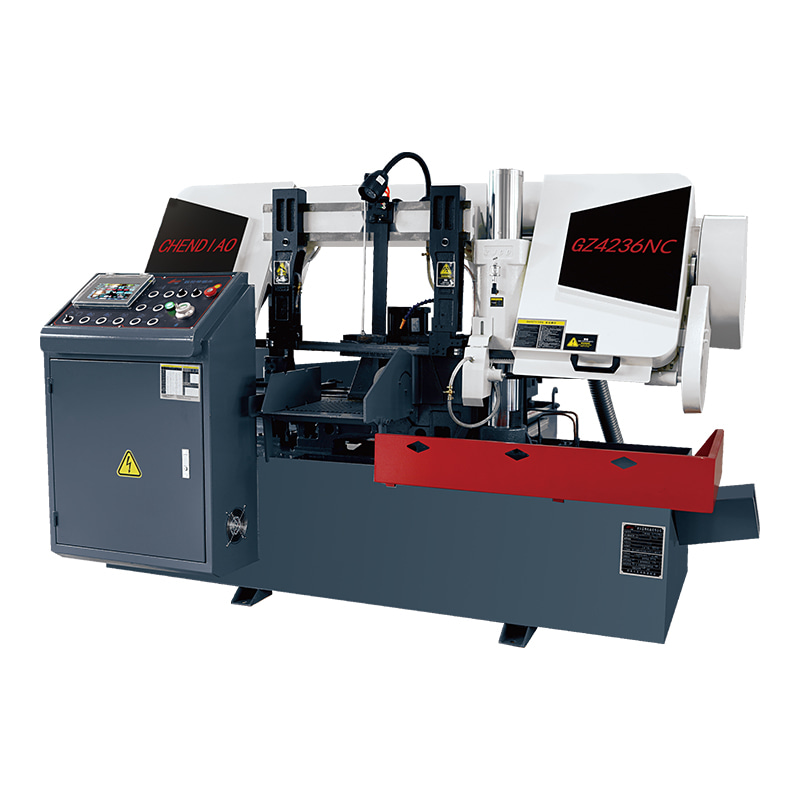
Suitable for sawing and cutting materials into same-size in massive qu...
See Details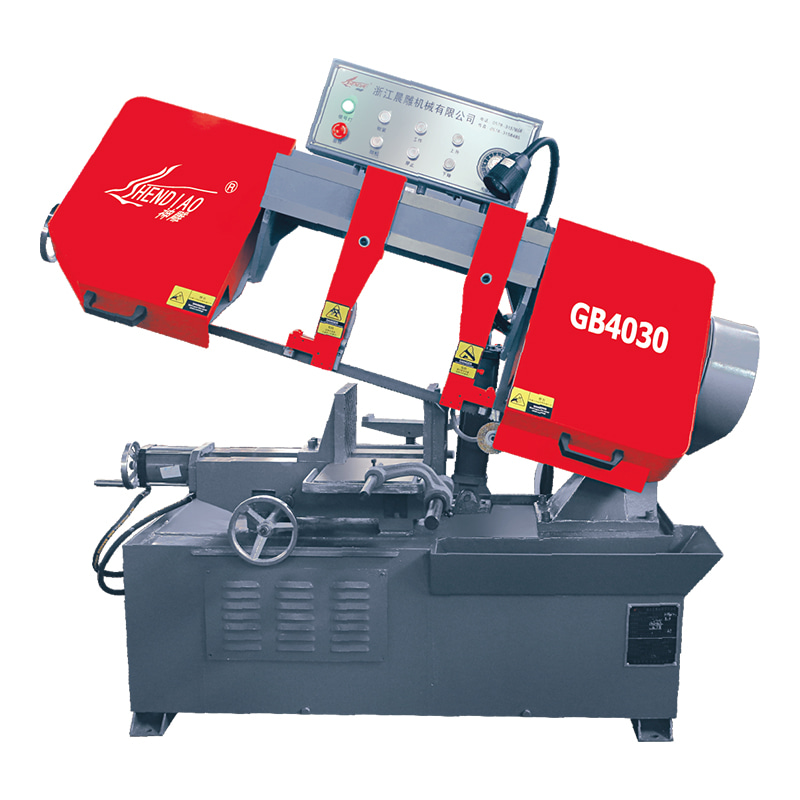
The GB4030 S-Series Band Horizontal Metal Sawing Machine uses a hinged...
See Details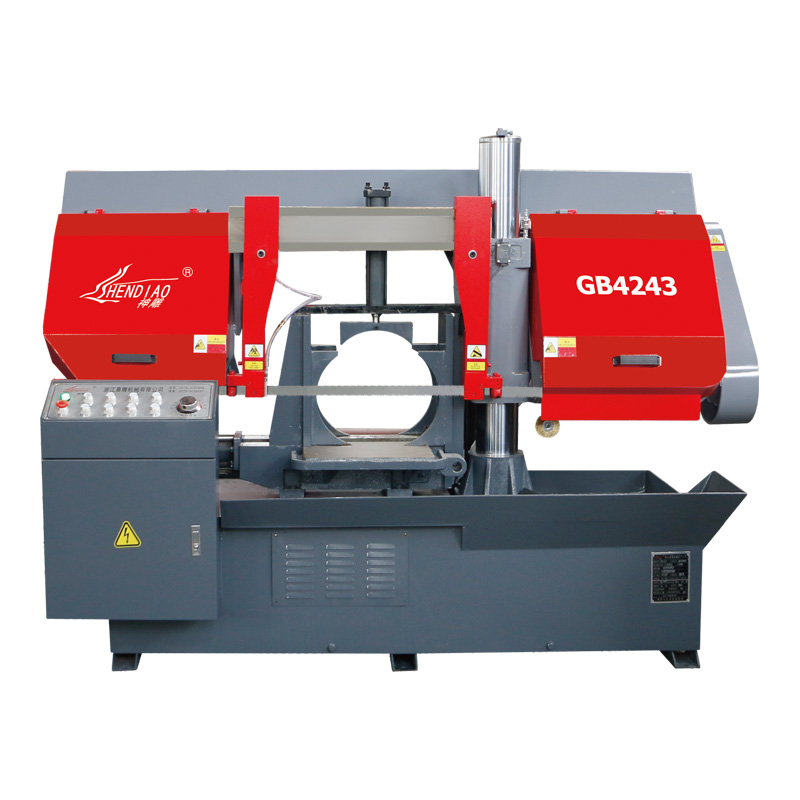
Jaw Full Bundle Rebar Special Cutting Metal Double-Cylinder Horizontal...
See Details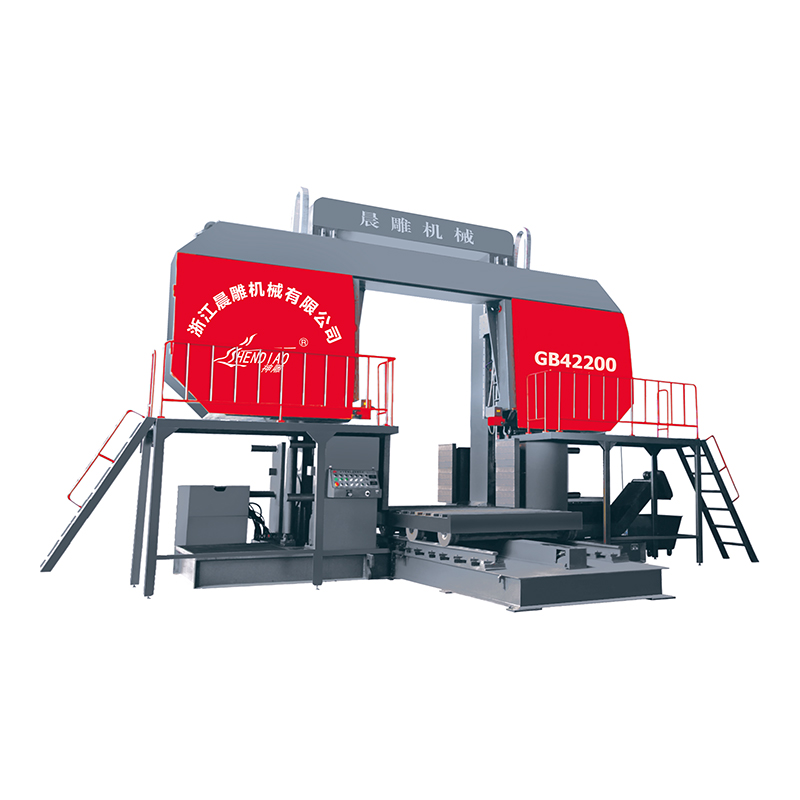
The GB42200 Gantry Type Band Pulley Automatic Feeding Metal Sawing Mac...
See DetailsCopyright © Zhejiang Chendiao Machinery Co., Ltd. Rights Reserved.
Band Saw Factory

