


 русский
 Français
 Español
GZ4233C Horizontal Double Column Fully Automatic Metal CNC Band Sawig Machine
Cat:CNC Band Sawig Machine
Suitable for sawing and cutting materials into same-size in massive qu...
See DetailsManufacturing floors keep changing. Space is used in new ways. Tasks move faster than before. Equipment plays a quiet but central role in this shift. Among these tools, the high speed band saw has drawn steady attention. It is not only about cutting. It shapes how work flows from one stage to another.
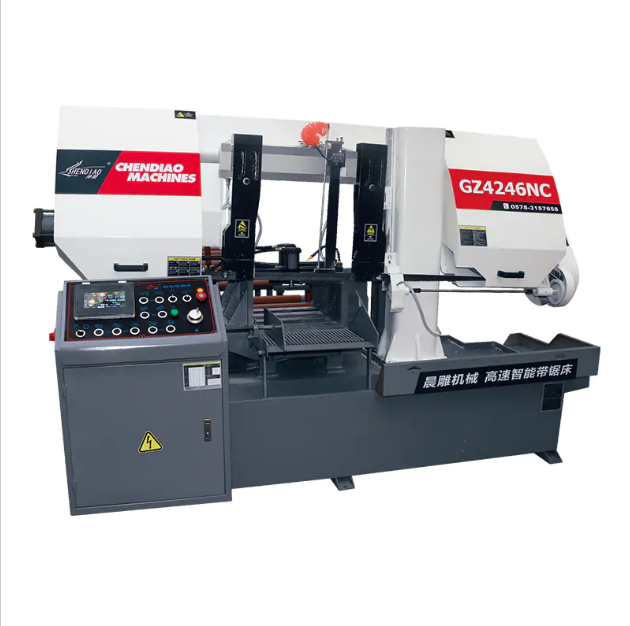
A closer look shows how this machine fits into daily operations. Its presence can change movement, timing, and even how teams organize their work.
Cutting sits near the start of many processes. Raw materials often arrive in large sections. These sections must be reduced into workable sizes before anything else can happen. If this step slows down, everything behind it waits.
A high speed band saw shortens this waiting time. It allows materials to move forward without long pauses. Workers do not gather around idle stations. Instead, they shift to the next task sooner.
This creates a smoother rhythm. Workstations stay active. Materials do not pile up. The overall layout begins to feel more connected.
In many facilities, cutting is not a single isolated step. It links storage, transport, and shaping. A faster and more stable cutting process supports all these areas at once.
Speed often brings to mind higher production volume. That is only part of the picture. In practice, speed also affects how people plan their time.
When cutting takes too long, workers build buffers. They expect delays. They may prepare extra materials or adjust schedules in ways that reduce flexibility.
With a band saw, the need for such buffers becomes smaller. Tasks can be scheduled closer together. Teams rely less on guesswork.
This shift changes daily routines. Workers spend less time waiting and more time doing. Supervisors can adjust plans with more confidence. Even small gains in timing can spread across the entire operation.
Factory crews usually prioritize production speed and ignore consistency, but uneven finished parts add extra work. Staff have to spend extra time checking and reworking pieces constantly.
A good band saw delivers uniform cuts. Operators rarely need to adjust settings repeatedly, and all cut materials arrive at the next workstation with standard sizes.
This steady quality keeps later processing running smoothly. Equipment won't need frequent recalibration, and workers don't have to stop to fix mismatched workpieces.
Over time, the whole production line stays stable. Staff can rely on incoming materials, cut down unnecessary inspection work, and focus more on moving orders forward.
Material handling is often overlooked. It includes lifting, moving, and storing pieces between steps. When cutting is slow or uneven, materials tend to accumulate.
A band saw reduces this buildup. Pieces move through the system at a steady pace. Storage areas remain more organized.
Clear pathways improve safety. Workers do not need to navigate around excess material. Movement becomes more direct and less stressful.
The effect can be seen in layout changes. Some facilities reduce the size of holding areas. Others rearrange workstations to shorten travel distance. These adjustments are easier when cutting no longer creates delays.
Production lines rely on staff just as much as machinery. Clear, repeatable work routines make team collaboration far simpler.
When cutting work is fast and uniform, different work groups can sync up their schedules. Teams no longer sit idle waiting for parts from the previous station, and staff don't need lengthy back-and-forth talks to align work.
Brief, straightforward directions are enough for everyone to follow. Workers know exactly when fresh materials will arrive, so they can prep ahead without overcomplicating planning.
This steady rhythm also lifts team mood. Unpredictable delays that cause stress drop away, and each person gains better control over their own workload. Even small tweaks to team coordination can noticeably improve the whole workshop's working vibe.
Manufacturing rarely stays fixed. Orders change. Materials vary. Production lines must adapt.
A high speed band saw supports this flexibility. It can handle different cutting tasks without long preparation times. This allows facilities to respond quickly to changing needs.
Flexibility is not only about handling variety. It is also about switching between tasks without losing time. When cutting adapts easily, transitions between jobs become smoother.
This reduces downtime between runs. It also helps smaller batch production fit into the schedule. Facilities can take on diverse work without disrupting the entire workflow.
Quality control often sits at multiple points in a production line. When cutting is uneven, inspection becomes more frequent and more detailed.
A band saw helps reduce variation. This allows quality checks to focus on key stages rather than every step.
The result is a more balanced system. Inspection remains important, but it does not slow down the process. Workers can trust that incoming materials meet basic expectations.
This trust allows quality teams to focus on broader patterns rather than small, repeated issues. It also reduces the pressure on individual workers to correct errors during later stages.
Work planning covers the whole production flow, including schedules, resource distribution and factory layout setup.
If cutting work runs fast and reliably, planners have more flexibility to arrange jobs. They can stack processes tighter and cut down waiting gaps between work stations.
This also changes long-term factory layout plans. Many workshops rearrange their production lines to save space, or build parallel processing lines to handle separate jobs at the same time.
The following table outlines common workflow elements and how high speed band saws influence them:
| Workflow Element | Traditional Challenge | Impact of High Speed Band Saw |
|---|---|---|
| Material flow | Frequent delays and buildup | Smoother and continuous movement |
| Task scheduling | Large time gaps between steps | Closer and more flexible scheduling |
| Workforce coordination | Waiting and unclear timing | Better alignment and timing clarity |
| Storage management | Excess holding space needed | Reduced need for storage areas |
| Quality checks | Repeated corrections required | More stable and predictable output |
Manufacturing environments continue to shift toward more responsive systems. Equipment must support this direction rather than slow it down.
A high speed band saw fits into this trend by reducing friction in early-stage processing. It allows materials to enter production lines with fewer obstacles.
This supports a broader movement toward leaner operations. Waste is reduced not only in materials but also in time and effort.
Facilities that adopt such tools often notice subtle changes. Work feels more connected. Delays become less common. Teams adjust more easily to new demands.
These changes do not happen all at once. They build over time as workflows adapt to the capabilities of the equipment.
Small changes often seem minor at first. A faster cut. A shorter wait. A smoother transfer between steps. Yet these small improvements can spread across the entire system.
When one stage improves, the next stage benefits. This creates a chain effect. Each step supports the next without interruption.
A high speed band saw contributes to this chain by strengthening the starting point of many processes. It reduces early delays that might otherwise grow larger over time.
As these small gains accumulate, the overall workflow becomes more efficient. Not through dramatic shifts, but through steady refinement of everyday tasks.
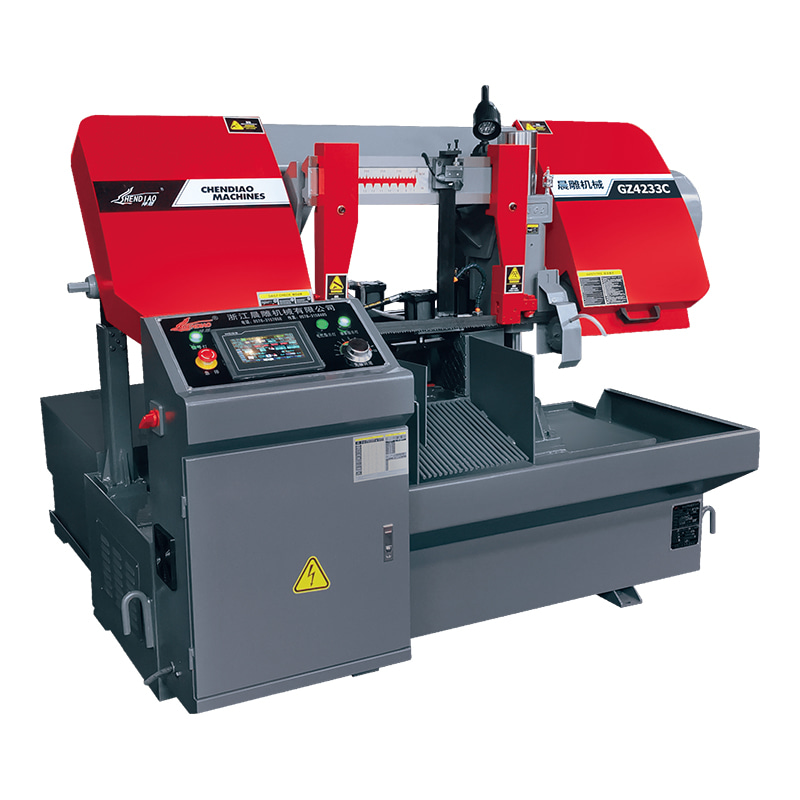
Suitable for sawing and cutting materials into same-size in massive qu...
See Details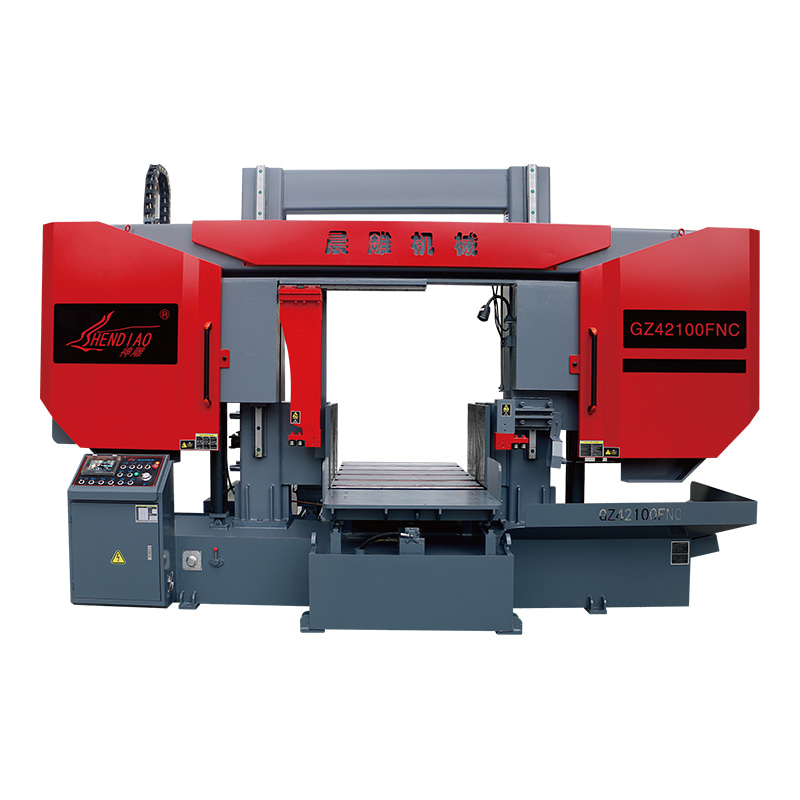
Automatic chip device. Saw blade hydraulic tensioning. Saw blade wire ...
See Details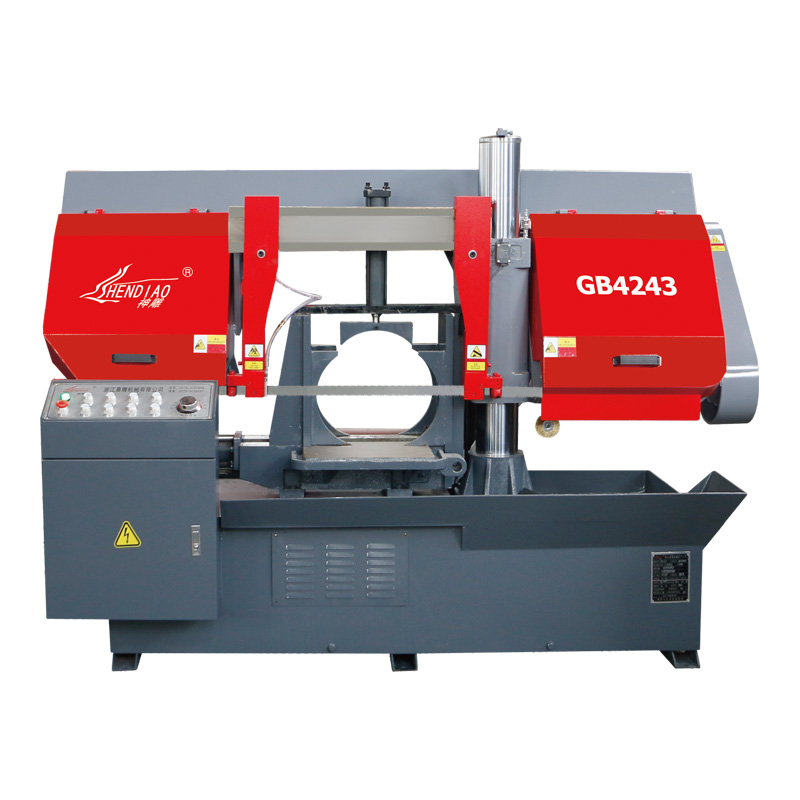
Jaw Full Bundle Rebar Special Cutting Metal Double-Cylinder Horizontal...
See Details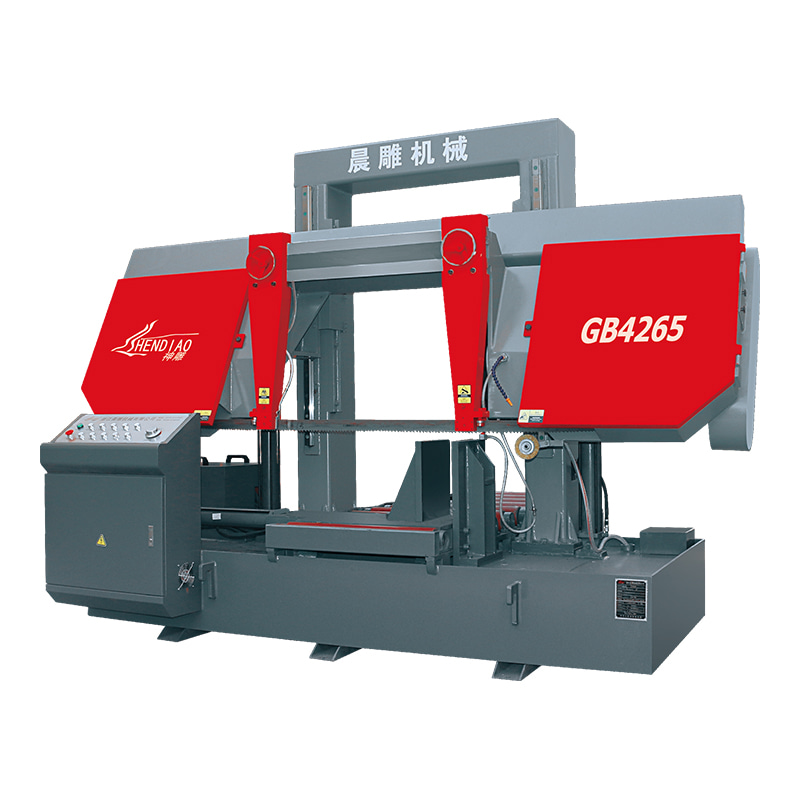
The GB4265 Semi-Automatic Gantry Type Band Chain Feeding Metal Sawing ...
See Details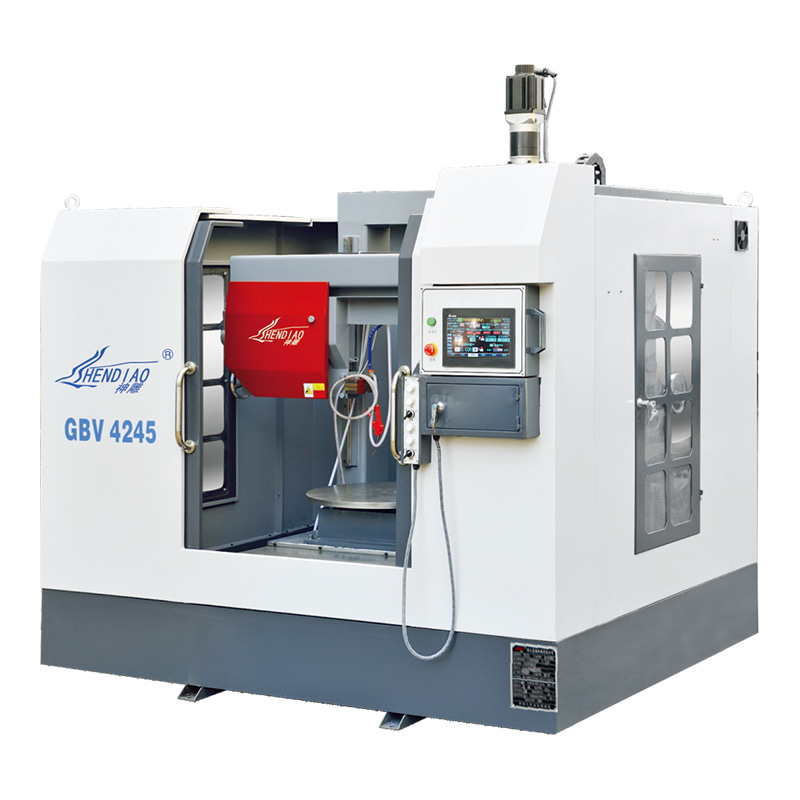
The GBV4245 Sapphire Cutting Machine Disc Saw is a specialized solutio...
See Details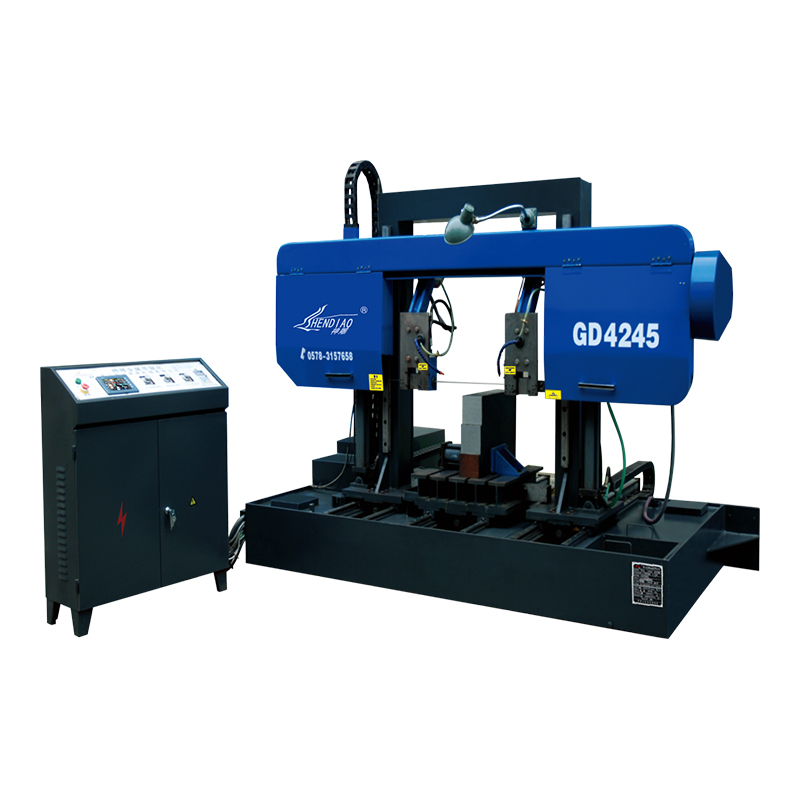
Patent No.: 200720115051.4 200710071420.9 200720115052.9
See DetailsCopyright © Zhejiang Chendiao Machinery Co., Ltd. Rights Reserved.
Band Saw Factory

