


 русский
 Français
 Español
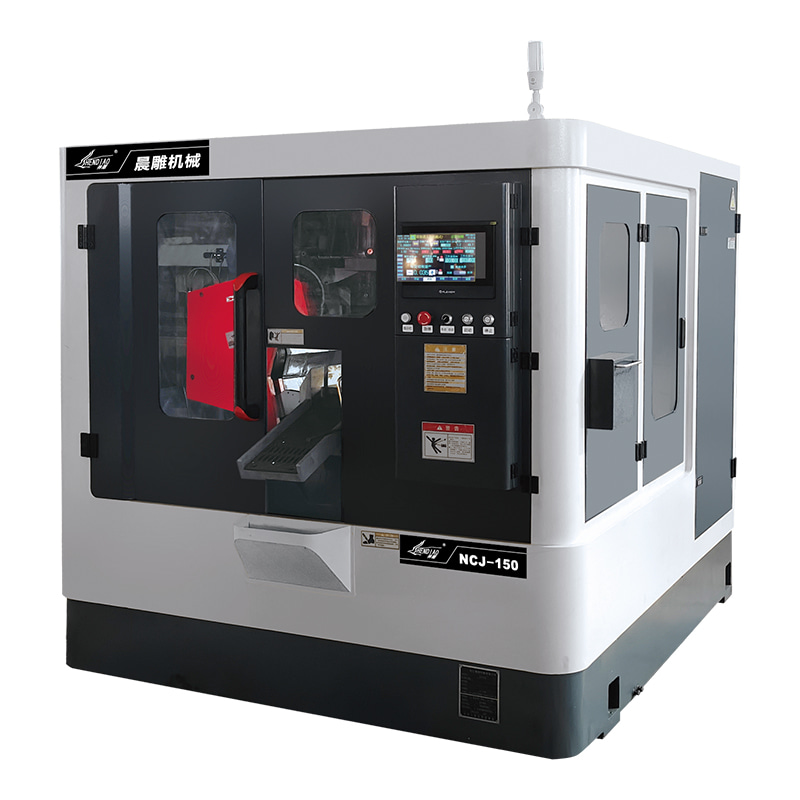
NCJ-150 Fully Automatic High-Speed Metal Circular Saw Machine Steel Rod Blanking Machine Sawing Machine
Cat:Hinged Circular Saw Machine
Highly rigid body structure with advanced clamping device, environment...
See DetailsIn an aluminum processing workshop, the cutting saw is not the most complex machine, but it is one of the most frequently used. It stays in the middle of the workflow, where raw profiles slowly turn into usable parts.
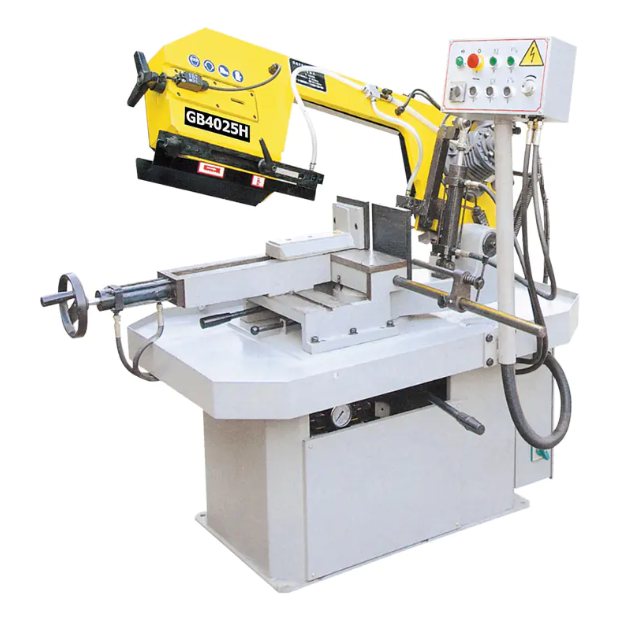
The process looks repetitive from a distance. But inside the workshop, small differences appear every day. Material condition changes slightly, handling habits vary, and operators adjust in quiet ways during production.The Aluminum Profile Cutting Saw sits in this rhythm.
Aluminum profiles usually arrive in long, straight sections. They are stored in bundles or stacked in designated areas. Before anything reaches the saw, there is a short preparation stage.
It is not formal. More like checking and sorting.
Workers usually:
Nothing feels technical at this point. It is more about keeping order before work begins.
Once the profile is placed into the machine, the cutting cycle starts. The material stays still while the cutting unit moves.
It is a controlled motion, not a fast or random action. The saw follows a fixed path each time.
A simple cycle looks like this:
This repeats continuously during production hours.
Alignment is one of those things that seems small but affects almost everything else.
If the profile is slightly off, the cut section will reflect that deviation. Even a small shift can change how the part fits later.
Operators usually rely on quick visual checks instead of long measurements. Over time, experience replaces detailed calculation.
Common focus points include:
It is more observation than inspection.
Feeding is not often noticed, but without it, cutting becomes unstable very quickly.
Aluminum profiles are long. They need support while entering the cutting area. If feeding is uneven, the material may shift slightly during operation.
A stable feeding process usually feels smooth and continuous. There is no sudden push or stop.
Inside production, cutting is not treated as a single action. It is part of a loop that repeats many times a day.
Each cycle looks similar, but small differences still appear depending on material and handling.
Below is a simple overview of how cutting fits into the production rhythm:
| Stage | What actually happens | What operators usually watch |
|---|---|---|
| Material feeding | Profile is moved into position | Straightness and stability |
| Alignment check | Quick adjustment before cutting | Visual balance |
| Cutting action | Saw moves through material | Smooth contact and resistance |
| Removal | Cut piece is taken away | Shape consistency |
| Reset | Next profile is prepared | Workflow continuity |
Nothing in this table happens in isolation. Each step flows into the next without long pauses.
Consistency is not something achieved once. It is something maintained during operation.
Even if the machine stays the same, results can still vary if material handling changes. That is why operators stay alert during production.
What usually supports consistency:
It is not a strict system. It adjusts quietly during use.
In real workshops, surface condition is not always perfect. Some profiles arrive cleaner than others. Some need light adjustment before cutting.
Even small surface differences can affect how material enters the machine.
Before cutting, workers often pay attention to:
It is simple observation, not detailed inspection.
Cutting rarely happens as a one-time task. It continues in cycles, sometimes for long periods without stopping.
The rhythm becomes familiar:
Over time, this becomes a steady pattern rather than individual actions.
Operators usually focus on flow instead of each single cut. If flow stays stable, output remains stable.
Once pieces are cut, they do not stay near the machine. They are moved aside and grouped.
This step is simple but important. If pieces are mixed or scattered, later processing becomes slower.
Typical handling includes:
It keeps the working area from becoming congested.
If the machine moves steadily, everything else becomes easier. If it vibrates or shifts slightly, results become less predictable.
Stability is not just about the machine itself. It is also about how it is used.
Factors that affect stability include:
It is a combination of machine and human rhythm.
Cutting is not the final step. It sits in the middle of a longer process.
Before it comes material preparation. After it comes assembly or installation work.
If cutting is stable, everything downstream becomes smoother. If it is inconsistent, later stages require extra adjustment.
In that sense, the cutting saw acts like a bridge between raw material and usable product.
Highly rigid body structure with advanced clamping device, environment...
See Details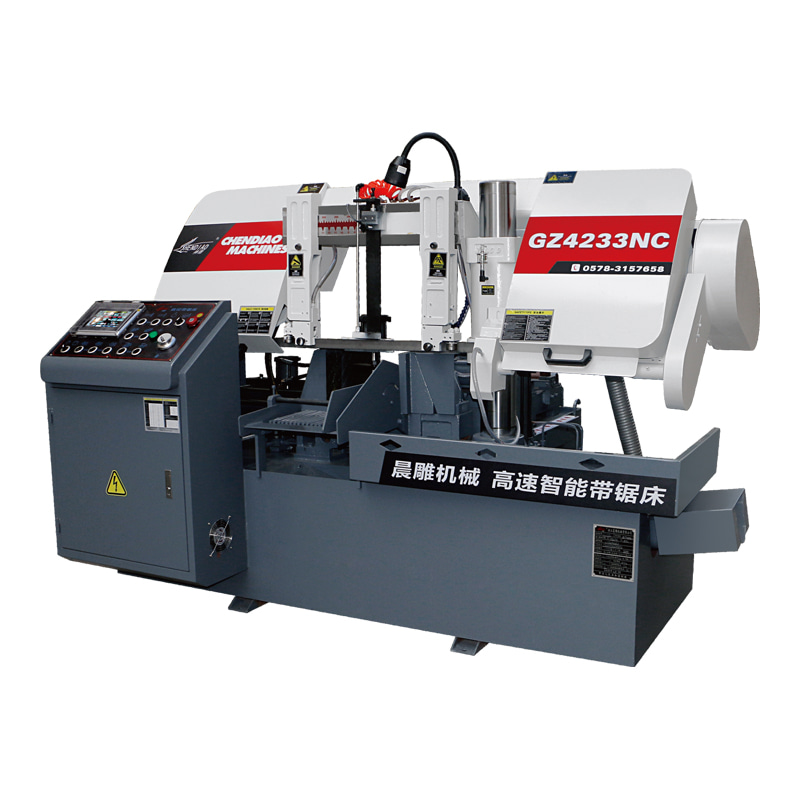
Automatic chip removal device, saw blade hydraulic tensioning device, ...
See Details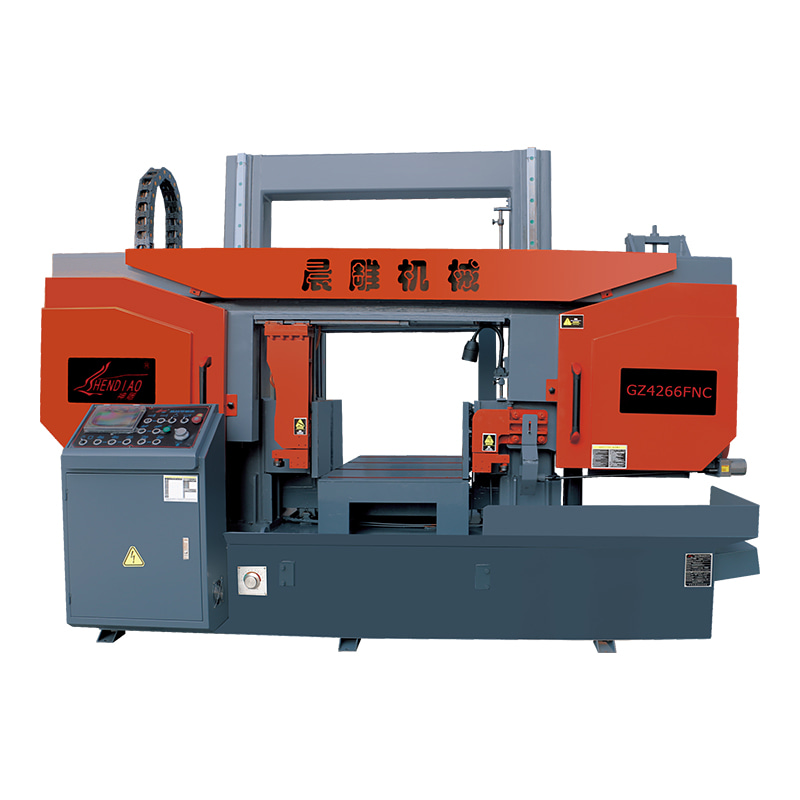
The GZ4266FNC Fully Automatic Feeding Full Roller High-Speed Intellige...
See Details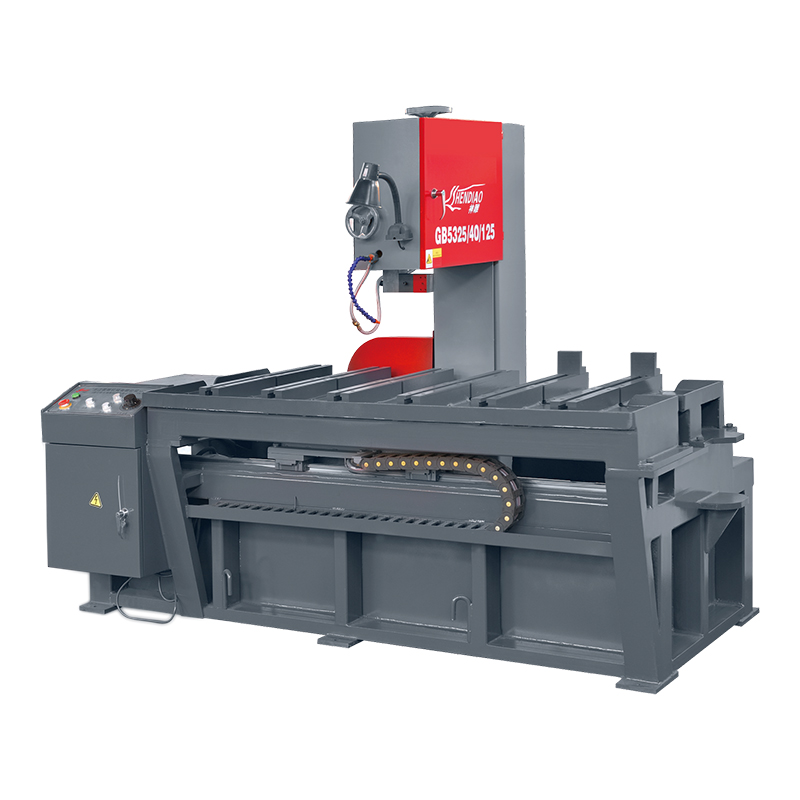
The GB5325/40/125 Semi-Automatic Vertical Band Sawing Machine handles ...
See Details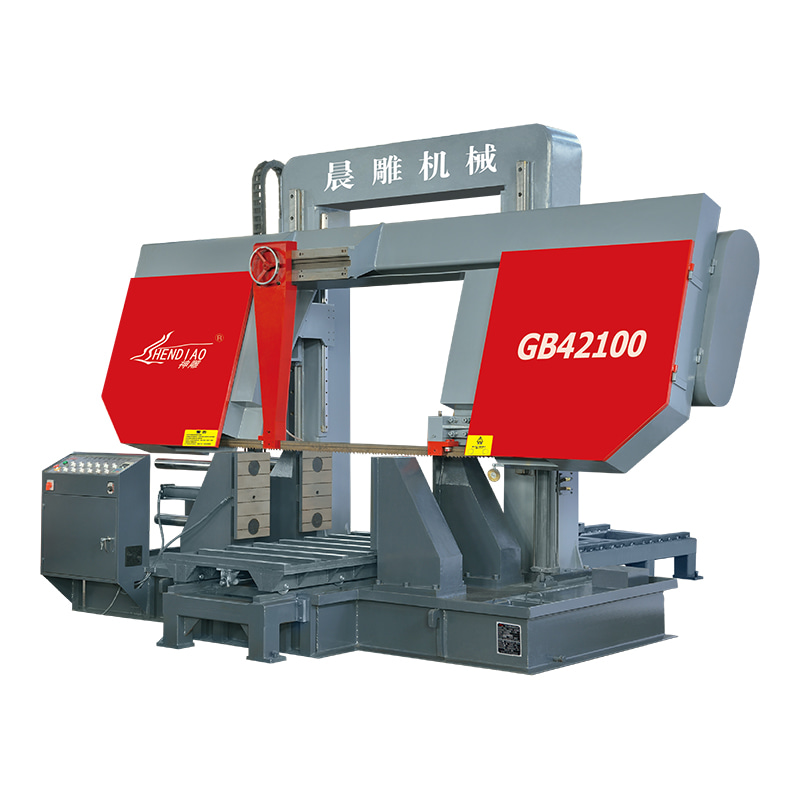
The GB42100 Slide Type Double Guide Gantry Type Band Metal Sawing Mach...
See Details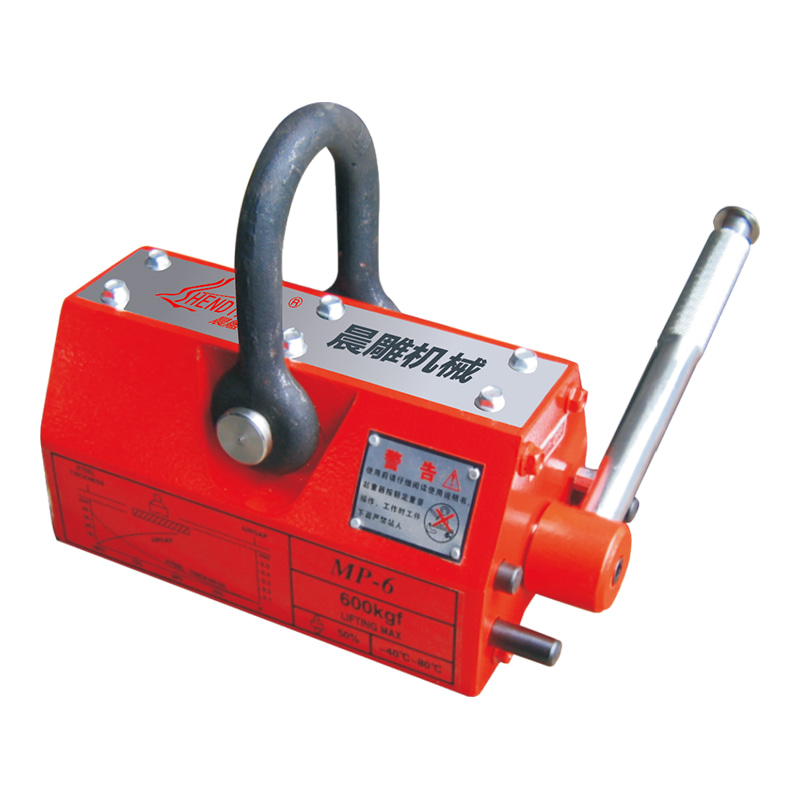
The magnetic lifting heads, which have been developed, designed, and m...
See DetailsCopyright © Zhejiang Chendiao Machinery Co., Ltd. Rights Reserved.
Band Saw Factory

