


 русский
 Français
 Español
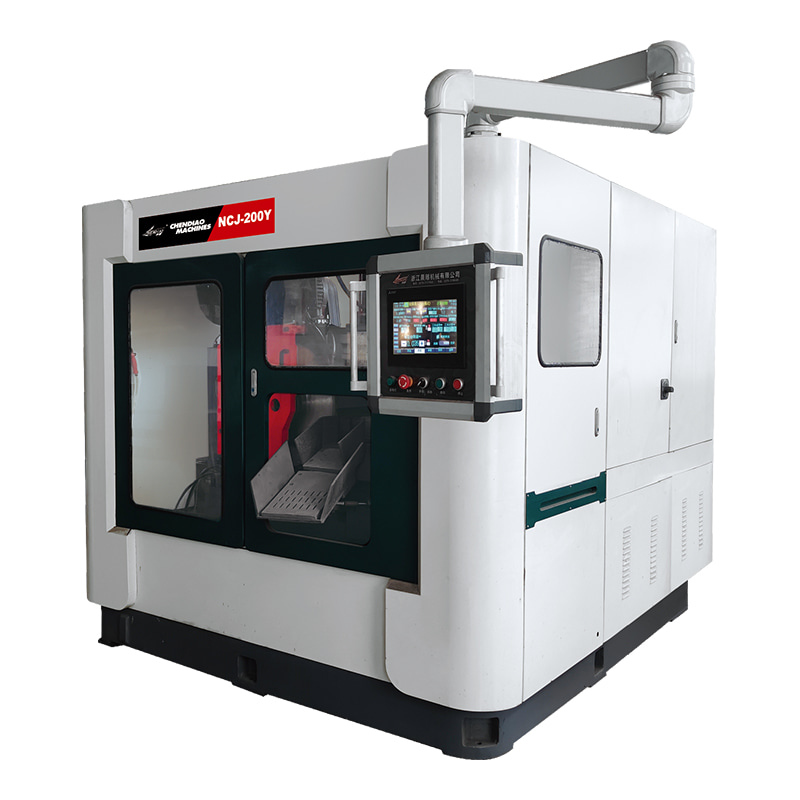
NCJ-200Y Fully Automatic 100-200mm Bar And Pipe Cutting Machine High-Speed Flat Push Circular Saw Machine
Cat:Flat Push Circular Saw Machine
Highly rigid body structure with advanced clamping device, environment...
See DetailsCutting metal is where most manufacturing starts. Small workshops and large plants alike have to turn stock into pieces that fit their production needs. The materials vary: carbon steel, stainless steel, aluminum, copper, brass and assorted alloys. Each has its own properties, so the cutting process has to suit the workpiece.
The horizontal band saw is a standard tool for this. A continuous blade runs around two wheels and cuts metal in a straight line. The layout keeps the workpiece supported while the saw head moves down through it, which makes the machine a good fit for bars, pipes, tubes, profiles and other stock.
Metals don't all cut alike, though. Some are soft and easy. Others are harder, tougher or prone to building up heat. Blade choice, material support, cutting speed and operating method all shape the result.
Knowing how a horizontal band saw handles each metal helps manufacturers organize their cutting and pick equipment that matches their production.
The machine cuts with a long, continuous blade moving in a loop around its wheels. As the blade passes through the workpiece, its teeth remove material and leave a straight cut.
The workpiece normally rests on the machine bed and is held by a clamping system. The saw head then descends through the material. Depending on the machine, that movement may be manual, hydraulic or automatic.
The horizontal structure helps because it supports the work during the cut. Long bars and pipes can sit on the bed or on extra material supports, which cuts down on movement while the blade works.
Several related factors come into play:
The material has a major say in how each factor should be handled. A blade that's fine for aluminum may be wrong for a thick steel section. A method that works on solid bars may need changes for thin-walled tubes.
So operating a band saw isn't just a matter of putting metal under the blade and pressing start. The operator has to think about hardness, thickness, shape and cutting behavior.
Carbon steel is everywhere: construction, machinery, automotive and general fabrication. It comes as round, flat and square bars, plates and structural sections.
Horizontal band saws are commonly used to cut carbon steel stock before machining or assembly. The straight cutting action suits the job of preparing raw material for later processes.
Hardness and strength vary with composition and processing history. Some grades cut easily, while others are harder on the blade. Operators should match blade and cutting conditions to the material, not apply one setting to every workpiece.
With solid carbon steel bars, the blade has to stay stable all the way through. A suitable tooth arrangement removes metal without needless vibration. Clamp the workpiece securely, especially if it's long or heavy.
Structural steel is a little different. Beams, channels, angles and other profiles have uneven cross-sections, so the blade meets changing thickness as it moves. Good positioning keeps contact steady and lowers the risk of unstable cutting.
Much carbon steel cutting is preparation work. A manufacturer may saw raw stock into shorter pieces before turning, milling, drilling or welding. The machine therefore sits at the start of many production processes.
When choosing a saw for carbon steel, consider stock size and shape, hardness, required cut quality and expected workload.
Stainless steel is used in food processing equipment, chemical plants, medical equipment, construction and more. Its corrosion resistance suits places where plain carbon steel wouldn't last.
It's harder to cut, however. Some grades are tough and build up a lot of heat. Certain types can also harden near the cut when the blade rubs the surface instead of removing material properly.
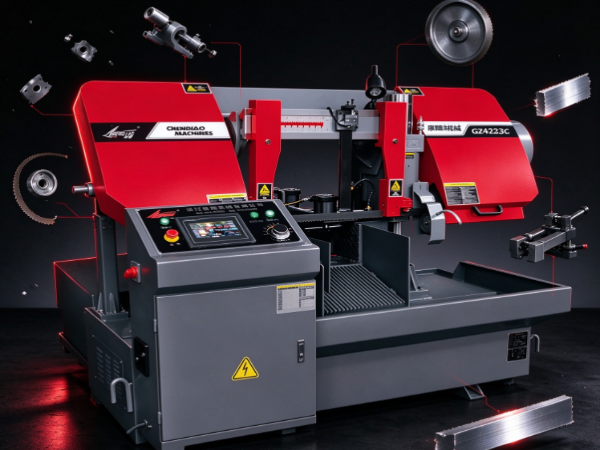
A horizontal band saw can cut stainless steel when the blade and conditions suit the material. Blade selection matters most. The teeth should engage in a controlled way and remove material without excess friction.
Heat deserves attention. Too much shortens blade life and makes cuts inconsistent. Depending on the material and setup, cutting fluid or other cooling methods can cut friction and carry heat away.
Clamping matters too. Stainless bars, tubes and profiles need stable support. If the material shifts or vibrates, the blade can wander, which hurts the cut surface and speeds wear.
Stock shape changes the requirements as well. A solid round bar presents a different cutting condition from a thin-walled stainless tube, and the blade has to stay suitable for the amount of material it meets throughout the cut.
For stainless work, machine selection should reflect the grade, workpiece size, production volume and cut quality needed. The aim is a stable process that controls heat, limits blade wear and leaves material ready for the next step.
Aluminum, copper and brass are common non-ferrous metals in electrical equipment, transportation, construction, machinery and consumer products. They differ from steel in hardness, weight and cutting behavior.
Aluminum is soft and light. It goes into frames, housings, profiles, machine parts and structural components. A band saw can cut aluminum bars, tubes and extrusions to length.
It's often easier to cut than steel, but blade choice still counts. Because it's soft, aluminum can clog around the teeth if the setup is wrong. That disrupts cutting and adds cleaning work. A blade made for non-ferrous materials clears material better.
Aluminum profiles come in many shapes, some solid, others hollow or thin-walled. Support the workpiece well so the blade doesn't push or deform it.
Copper behaves differently. It's soft and can deform under pressure, and it's common in electrical components, busbars, pipes and industrial equipment. Stable clamping matters, since too much pressure can change the workpiece's shape.
Brass is also cut on horizontal band saws. It's used for fittings, valves, connectors and decorative parts. It cuts differently from both aluminum and steel, so the blade should suit the material and shape.
For non-ferrous metals, pay attention to:
A band saw can handle many non-ferrous tasks, but configure it for the material. It isn't a universal solution.
Alloy steel contains added elements that change its strength, hardness, toughness and other properties. It's used in machine components, industrial equipment, automotive parts, tools and structures.
The term covers a lot. Some alloy steels process easily, while others are built to survive harsh mechanical conditions. Cutting requirements vary widely as a result.
A horizontal band saw can cut many forms of alloy steel, including round and square bars and other solid stock. What matters is whether the blade and machine suit the material's hardness and cross-section.
Harder alloy steels are rougher on the teeth. With the wrong blade, wear rises and cutting becomes inconsistent. Operators shouldn't force the blade through, either. Too much pressure upsets stability and shortens blade life.
Heat-treated alloy steel needs extra care. Its properties can differ from untreated stock even when it looks the same. Confirm the material condition before choosing a cutting method.
Shape plays a part. A large solid bar loads the blade differently from a hollow section or a smaller piece. The machine needs enough capacity to support the workpiece and keep the blade moving steadily.
Where several alloy steels are processed, separate cutting procedures for each material group are worth setting up. They stop operators from using the same blade and settings on materials with different characteristics.
The blade is among the important parts of the machine. It touches the workpiece and decides how material comes away. A suitable machine with the wrong blade still gives poor cuts.
Blades differ in tooth design, material, spacing and construction, and each of these affects how they handle different metals.
Tooth spacing is especially important. Large teeth leave room to clear chips from some solid materials. Smaller, closer teeth may suit thinner sections. If spacing doesn't match the workpiece, the blade struggles to remove material smoothly.
Workpiece shape should guide the choice too. A solid bar offers a fairly continuous cutting surface. A hollow tube has walls the blade enters and leaves mid-cut. Thin-walled profiles may need a different tooth arrangement from thick solid stock.
Blade material matters as well. Some blades are for general metal cutting, others for harder materials or particular production conditions. Pick according to the material and the expected workload.
Think about how often the machine switches materials. A shop that mostly cuts carbon steel has different blade needs from one that regularly handles stainless steel, aluminum and alloy steel.
A practical selection process looks at:
The right blade supports stable cutting and controls wear. It also cuts down on repeated adjustments during production.
Metal arrives in many shapes: bars, pipes, tubes, plates, beams and extrusions. Each creates different cutting conditions, and the machine has to hold every one securely while the blade passes through.
Solid bars are usually easy to position. Their shape gives a continuous surface to clamp, though large or heavy bars may need extra support to stop movement.
Pipes and tubes take more care. The hollow structure means the blade meets varying amounts of material, and thin walls can deform under the wrong clamping force. Hold the piece firmly without crushing or distorting it.
Structural profiles are trickier because their cross-sections are uneven. An angle, channel or beam may not lie flat on the bed. Good positioning stops the piece from shifting as the blade moves through different sections.
Long material needs support beyond the immediate cutting area. If one end hangs free, the workpiece can bend or move, which affects the cutting path and creates safety concerns.
Clamping systems keep material in place. They may be manual or powered, and the right choice depends on workpiece size, shape and production needs.
Preparation counts too. Before cutting, operators should confirm the material is positioned correctly and the cutting area is clear. Any movement during the cut spoils it and stresses the blade.
For shops handling mixed metal stock, suitable material supports and flexible clamping make the machine easier to use across applications.
A band saw works through repeated contact between blade and workpiece, and that causes wear over time. Regular maintenance catches problems before they hit production.
Check the blade as part of routine operation. Worn or damaged teeth can cause rough cuts, odd noises or inconsistent cutting. A blade that no longer performs as expected should be inspected and replaced when needed.
Blade guides and wheels need attention as well. They control blade movement. If they wear, get dirty or fall out of adjustment, the blade won't track properly, which hurts accuracy and raises wear.
Chip removal is a basic task. Metal chips collect around the cutting area, the bed and moving parts. Regular cleaning keeps buildup from interfering with operation.
Where the machine uses cooling and lubrication, inspect those systems. The fluid should suit the materials being cut, and the system should deliver it as intended. Contaminated or insufficient fluid loses effectiveness.
Operators should also watch the clamping system and supports. Loose parts, damaged surfaces or uneven clamping can let the workpiece move mid-cut.
A practical routine may include:
Needs vary with the materials processed. Abrasive or hard metals stress the blade differently from softer non-ferrous ones. Shops that cut several metal types should factor this into inspection and blade replacement plans.
The operator matters here too. Good training helps workers notice changes in cutting behavior, choose suitable blades, position workpieces correctly and react to signs of abnormal operation. These habits keep cutting controlled across different metals.
Highly rigid body structure with advanced clamping device, environment...
See Details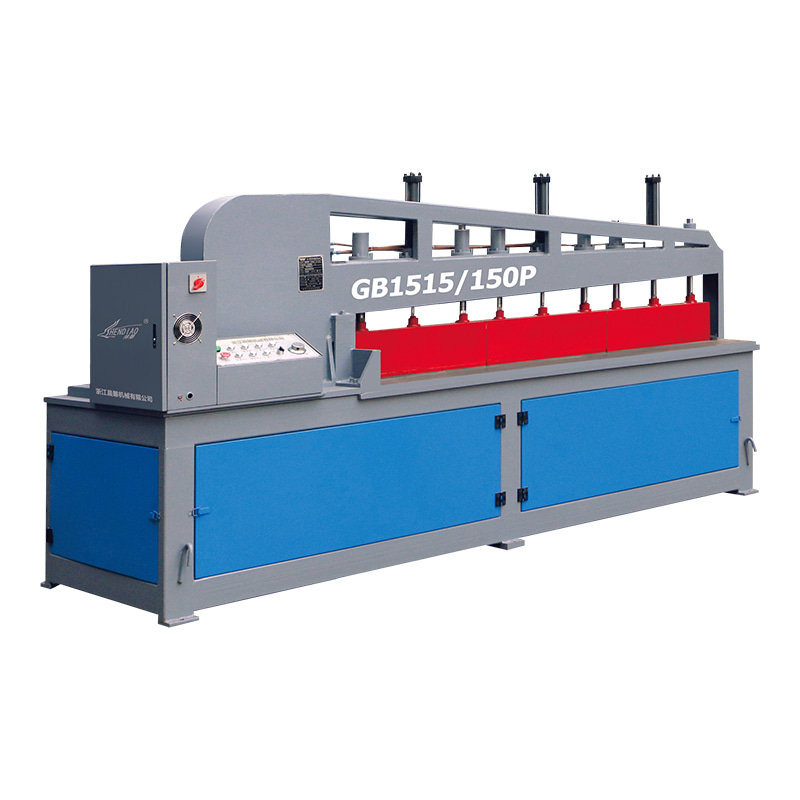
Suitable for cutting aluminum alloy sheet, high efficiency (3 times mo...
See Details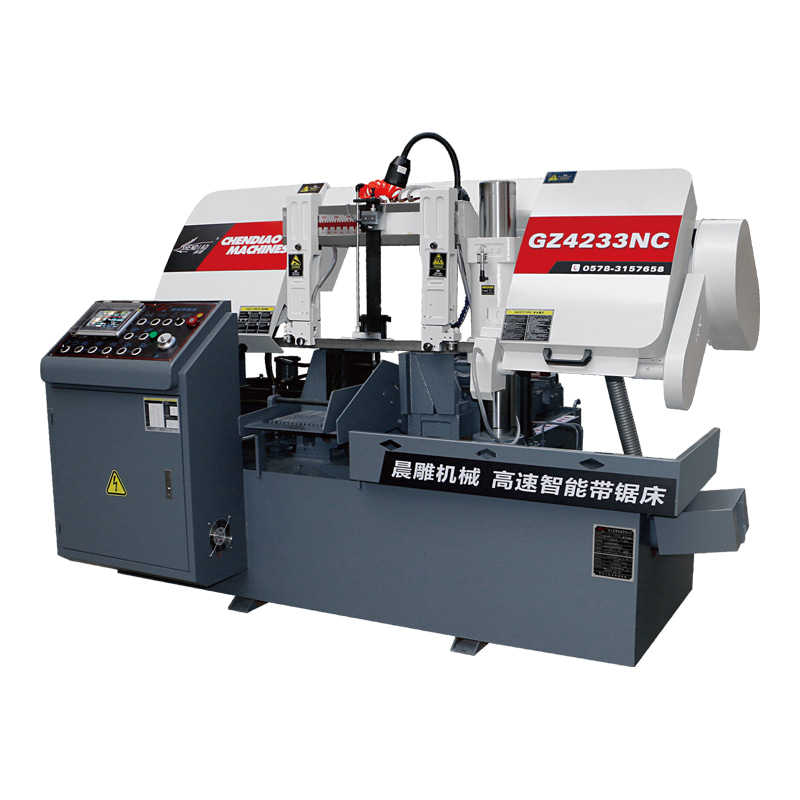
Automatic chip removal device, saw blade hydraulic tensioning device, ...
See Details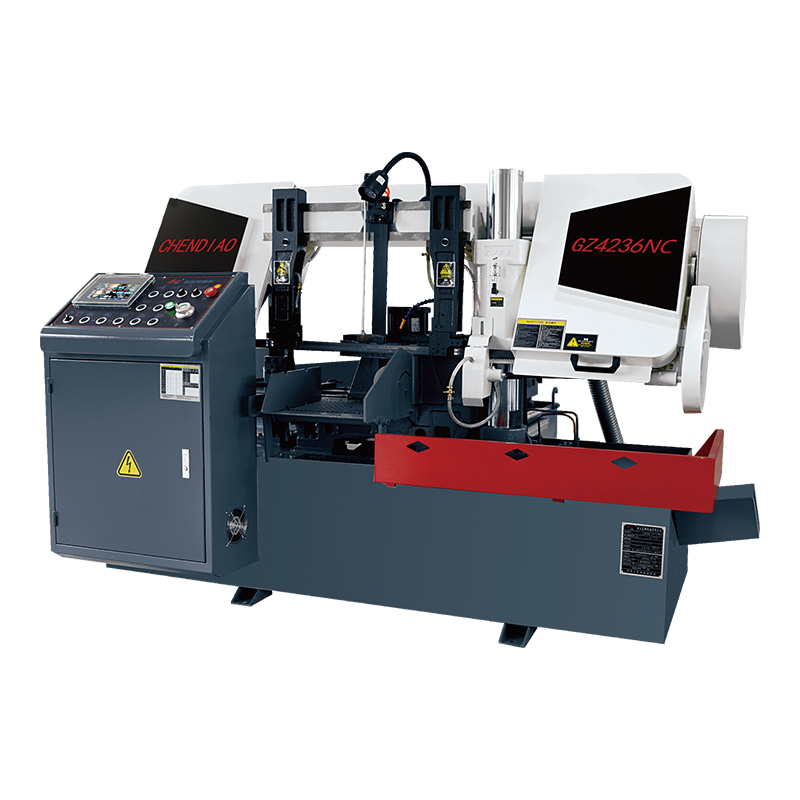
Suitable for sawing and cutting materials into same-size in massive qu...
See Details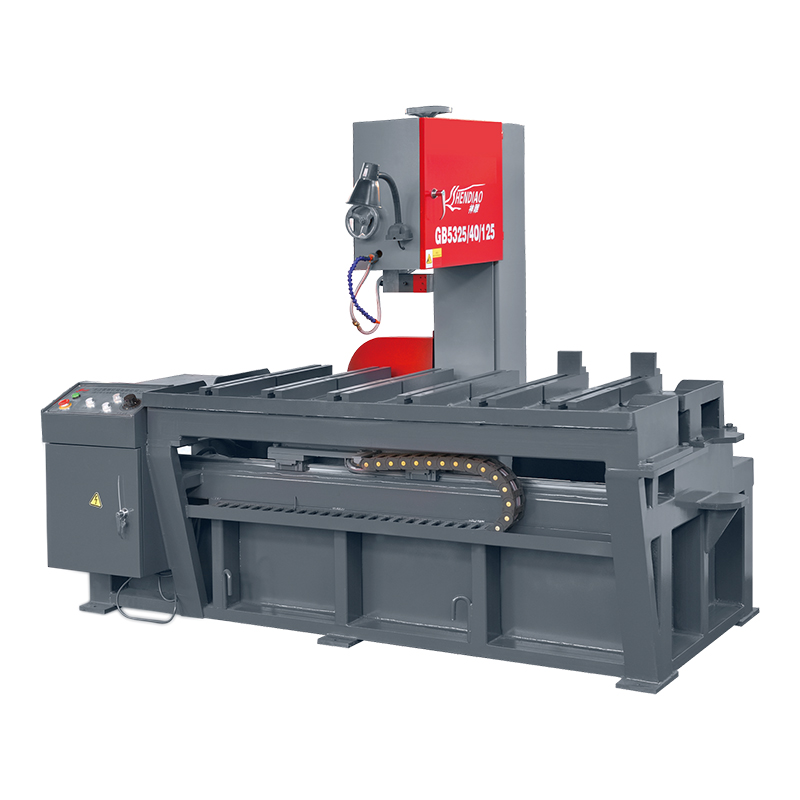
The GB5325/40/125 Semi-Automatic Vertical Band Sawing Machine handles ...
See Details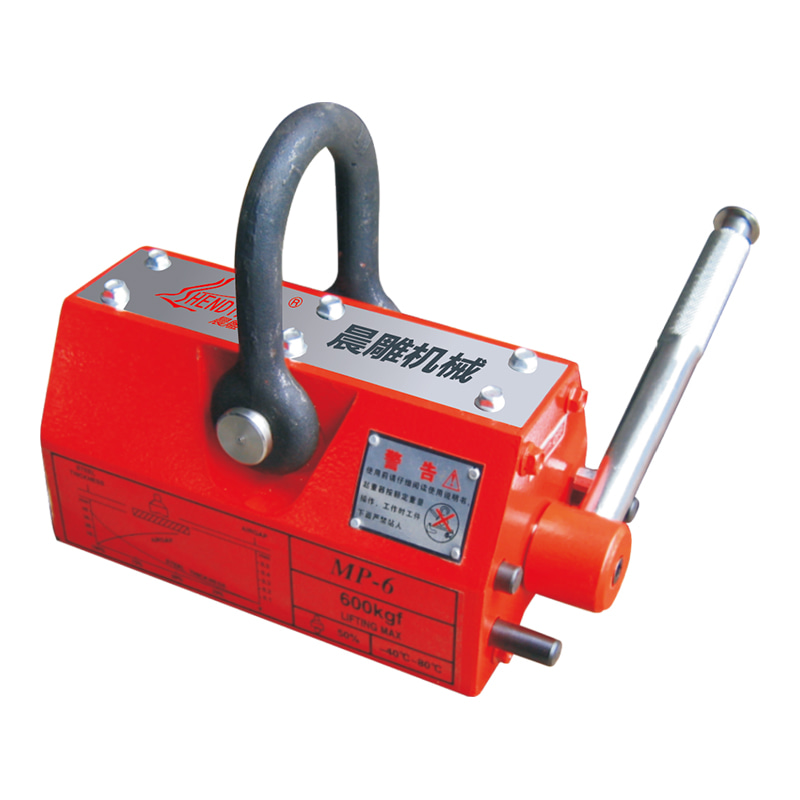
The magnetic lifting heads, which have been developed, designed, and m...
See DetailsCopyright © Zhejiang Chendiao Machinery Co., Ltd. Rights Reserved.
Band Saw Factory

