


 русский
 Français
 Español

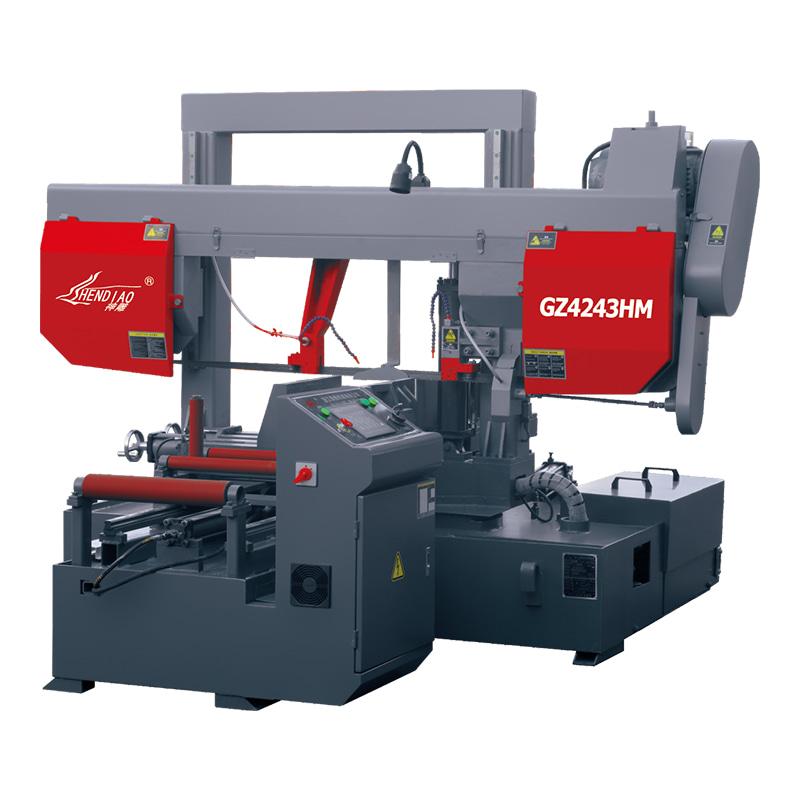
GZ4243HM Fully Automatic Angle Cutting Band Sawing Machine
Cat:Angle Cutting Band Sawing Machine
The BS-712N 7-inch bandsaw is just a highly practical, no-nonsense too...
See DetailsMetal processing underpins modern manufacturing. Automotive components, construction materials, industrial machinery, and metal furniture all depend on accurately cut metal parts. Before material can be welded, drilled, assembled, or shaped, it usually has to be cut first. How well that step goes affects everything after it.
Among cutting equipment, band saw machines hold a practical place in many industrial settings. A continuous toothed blade cuts metal to the required lengths and shapes. The principle is simple, but the applications are broad.
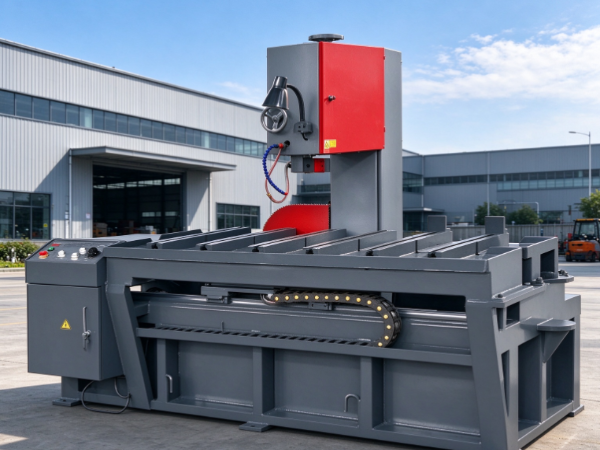
Production keeps getting more varied, and companies now watch cutting accuracy, material utilization, production flow, and equipment flexibility more closely. Band saws answer several of these needs. They process different metal profiles, handle repeated cutting tasks, and prepare stock for the next operation.
Their job goes beyond separating raw material. They also help manufacturers organize production, manage material handling, and keep the machining process consistent.
Cutting is a basic manufacturing operation. Raw metal usually arrives as long bars, pipes, tubes, plates, or structural sections. It has to be divided into suitable pieces before the next stage.
A band saw does this with a continuous blade that runs around two or more wheels. The toothed edge meets the workpiece and removes material along the cutting line. Depending on the design, the workpiece stays still while the saw frame moves, or the blade assembly works from a fixed position.
This method has several practical traits:
That explains why band saws stay relevant. Other cutting methods exist, yet not every task calls for the same process. Manufacturers choose by material type, workpiece shape, cutting requirements, and production setup.
A band saw can be a dedicated cutting station or one part of a larger line. Where it sits depends on how material moves through the shop and what follows cutting.
Cutting jobs differ in materials and conditions. A machine built for long bars may not suit every complex profile or shop layout, so band saws come in several structural designs.
Knowing the differences helps manufacturers match the machine to the work.
Horizontal band saws are common for bars, pipes, tubes, and other long stock. The saw frame lowers toward the workpiece as it cuts.
The horizontal layout makes it easy to place long material on the bed. The workpiece can be supported and clamped before cutting, which keeps it steady.
You'll find them in fabrication shops, steel processing plants, and machinery factories, where they prepare stock for turning, milling, welding, and other work.
Vertical band saws work differently. The blade runs vertically while the operator guides the workpiece through the cut.
That gives flexibility for irregular shapes, contours, and specially shaped parts. It also helps when the cutting path needs hands-on control of the workpiece.
Shops doing custom fabrication, toolmaking, and component production often use them. What they can do depends on the work area and the size of the material.
Automatic band saws cut down the manual effort in repeated cutting. Depending on the design, coordinated functions handle feeding, clamping, cutting, and separating the piece.
CNC band saws add programmed control. Operators set cutting instructions through a control system, and the machine follows them.
They suit manufacturers who cut similar workpieces again and again, or who need consistent cutting across batches.
| Machine Type | Main Working Feature | Common Applications |
|---|---|---|
| Horizontal band saw | Saw frame moves toward a supported workpiece | Metal bars, pipes, and tubes |
| Vertical band saw | Workpiece moves through a vertically running blade | Contour cutting and custom metal shapes |
| Automatic band saw | Machine functions handle repeated cutting | Batch production and material preparation |
| CNC band saw | Programmed instructions control cutting | Repeated industrial cutting and automated production |
The right design depends on the work. A shop with mixed materials and occasional cuts has different needs from a factory running continuous production.
Material compatibility matters in metalworking. Metals differ in hardness, toughness, and structure, and those differences affect blade choice, cutting speed, feeding, and operation.
Band saws handle many common industrial metals.
Carbon steel
Carbon steel is everywhere in machinery, construction, automotive parts, and general fabrication. Band saws cut its bars, pipes, and structural sections before further processing.
The cut should account for the material's condition and shape. A fitting blade and firm clamping keep the cutting path steady.
Stainless steel
Stainless steel appears in food processing equipment, chemical plants, medical devices, and architectural products. It cuts differently from ordinary carbon steel.
Heat, blade condition, and feeding stability need attention. A suitable setup eases the strain on both blade and workpiece.
Aluminum and aluminum alloys
Aluminum is used in transportation, electronics, construction, and many industrial products. It is light and comes in many profiles.
Band saws divide aluminum bars, tubes, and sections into the lengths needed. The blade must suit the material to avoid rough edges or deformation.
Copper and copper alloys
Copper is common in electrical equipment, heat exchange systems, and industrial parts. Its physical properties call for sound cutting practice.
A stable cut prepares copper for machining and assembly with less surface damage.
Other metal materials
With the right structure and blade, band saws can also process alloy steel, tool steel, and various metal profiles.
Check compatibility before production. Whether a machine can cut a given metal depends on the blade, workpiece size, clamping, and operating conditions, not just the machine's structure.
Efficiency isn't only about cutting fast. It also means less unnecessary handling, an orderly workflow, and cut material that moves smoothly to the next stage.
Band saws help in several ways.
Many jobs need metal divided into pieces of the same or different lengths. Doing it by hand means repeated measuring, positioning, and cutting.
Automatic and semi-automatic band saws simplify this. Once the cutting instructions are set, the machine repeats the operation with less manual input.
That helps factories preparing material for several orders. Operators can watch the cutting, check workpieces, and coordinate material movement.
Handling can eat up a large share of shop time. Each move, reposition, or measurement costs labor.
A well-arranged cutting station cuts those repeated steps. Material supports, feeders, and clamps organize the movement of long sections.
Place the saw near storage or downstream machines, and the whole process gets easier to manage.
Not every shop runs big batches. Some orders repeat standard parts, while others need small runs of custom pieces.
Manual and semi-automatic machines suit flexible shops. Automatic models fit repeated work that needs consistent cutting.
Manufacturers can choose equipment by actual workload instead of forcing one method on every job.
Cutting links to other operations. Cut workpieces may go on to turning, milling, drilling, welding, grinding, or assembly.
When cutting is organized well, downstream stations get material in a more predictable state. Teams can plan their work and track parts between stations.
Cutting quality depends on several linked factors. A well-built machine can still give poor results with the wrong blade, shaky clamping, or improper operation.
Look at the whole cutting process, not just the machine.
Blade selection
The blade touches the workpiece directly. Tooth design, material, and condition shape performance.
Different metals and shapes need different blades. One that suits a solid bar may not suit a thin-walled tube.
A wrong choice can bring rough surfaces, uneven cuts, fast blade wear, and other problems.
Workpiece clamping
The workpiece must stay steady. If it shifts or vibrates, the blade can stray from its path.
Clamps hold material in place and should fit its shape and size. Long stock may also need extra support so its own weight doesn't cause movement.
Blade tension and condition
The blade needs proper tension to run well. Too little hurts stability, while too much strains blade and machine.
Regular inspection reveals wear, cracks, damaged teeth, and other signs a blade needs attention.
Feeding and cutting movement
How the blade enters the material affects quality. Too much feeding force stresses the blade and gives uneven cuts. Too little slows production.
Operators should follow the manufacturer's instructions and adjust to the material being cut.
Machine condition
The saw frame, wheels, guides, clamping system, and drive all affect cutting.
Loose parts, worn guides, and poor alignment cause vibration and deviation. Regular maintenance catches these before they disrupt production.
Automation is reshaping how manufacturers organize production. Cutting that once relied on manual handling can now fit into more coordinated setups.
Band saws are part of that shift.
Automatic feeding is one example. Instead of an operator placing each workpiece, a feeder moves material into the cutting area on set instructions. That reduces repetitive handling and supports continuous production.
Programmable control matters too. Operators enter or pick cutting requirements through a control interface, and the machine follows the program, keeping repeated operations consistent.
Some plants link band saws with material storage, transfer equipment, and downstream stations. Cutting then becomes part of a connected flow instead of a standalone step.
Automation doesn't remove the need for skilled operators, though.
People still choose cutting methods, check material, monitor the machine, and deal with surprises. They maintain the equipment and verify that finished pieces meet requirements.
Automation pays off only if it fits the real process. A small shop with varied custom orders may not need what a factory with repeated material preparation does.
Choosing a band saw means understanding the materials, products, and production conditions involved. Pick for the work at hand, not for looks or general specifications.
Several practical factors matter.
Material types and dimensions
Identify the metals you cut regularly. Solid bars, hollow pipes, structural profiles, and irregular pieces may need different arrangements.
Size and shape also set the machine capacity and the support structure required.
Production requirements
Expected workload decides whether a manual, semi-automatic, or fully automatic machine fits.
Occasional custom cutting may suit a flexible setup. Repeated batches may benefit from automatic feeding and programmable control.
Cutting accuracy and surface requirements
Products differ in their demands for cut dimensions and edge condition. Parts headed for further machining need different things from parts assembled right after cutting.
Understand what the next process requires before choosing.
Workshop layout
Floor space, material storage, operator access, and neighboring machines all affect placement.
The machine should slot naturally into the workflow. Long stock also needs room to be loaded, supported, and removed.
Maintenance and operating conditions
Maintenance shapes long-term use. Know how to inspect the blade, clean the machine, maintain moving parts, and spot common problems.
Availability of spare parts, documentation, and operating guidance is worth weighing as well.
Supplier communication and technical support
Talking with the supplier clarifies what the machine can do and how it fits your needs.
Discuss your actual materials, cutting tasks, shop conditions, and production plans before buying. Both sides can then judge whether the proposed machine suits the job.
Technology moves on, and laser, plasma, and waterjet cutting have widened the options for metal fabrication.
Still, these methods don't all do the same job.
Band saws stay relevant because so much metalworking involves separating solid stock, bars, pipes, and structural profiles into manageable pieces. This is routine in shops where raw material is prepared before machining or assembly.
The direct cutting process also makes them practical across settings. Depending on the design, they serve single workpieces, custom fabrication, or repeated batches.
Material utilization matters too. Manufacturers need to think about how stock is positioned, how much material the cut removes, and how finished sections are arranged for the next step. A well-organized cutting process cuts waste and makes better use of incoming material.
The equipment keeps adapting as well. Advances in automatic feeding, programmable controls, safety systems, and machine monitoring widen the ways band saws can join industrial operations.
For manufacturers, the choice isn't only about a cutting machine. It's about how the equipment fits the wider process, from raw material preparation to machining and assembly of finished parts.
The BS-712N 7-inch bandsaw is just a highly practical, no-nonsense too...
See Details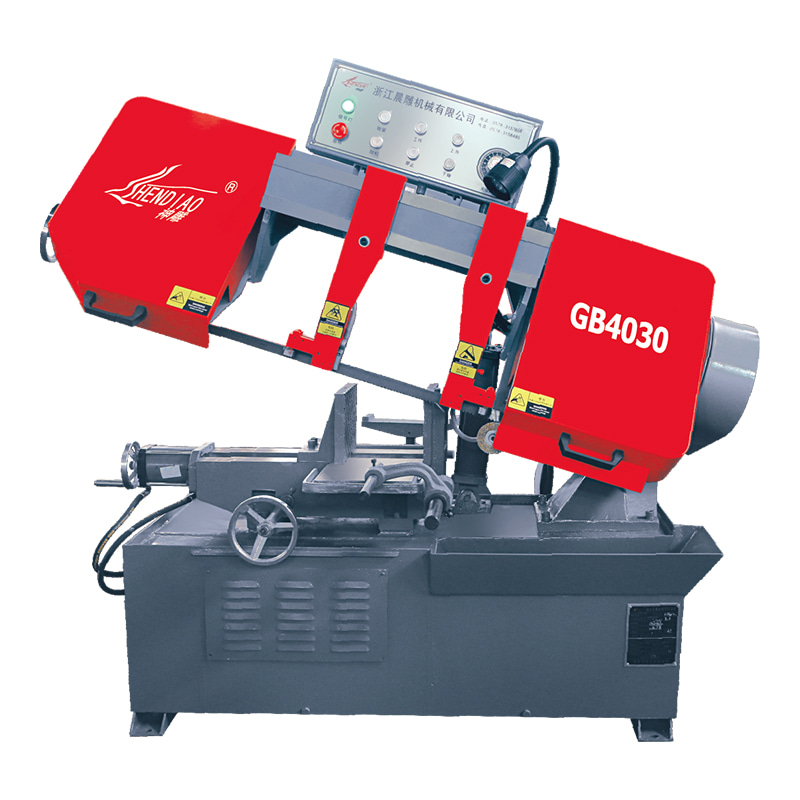
The GB4030 S-Series Band Horizontal Metal Sawing Machine uses a hinged...
See Details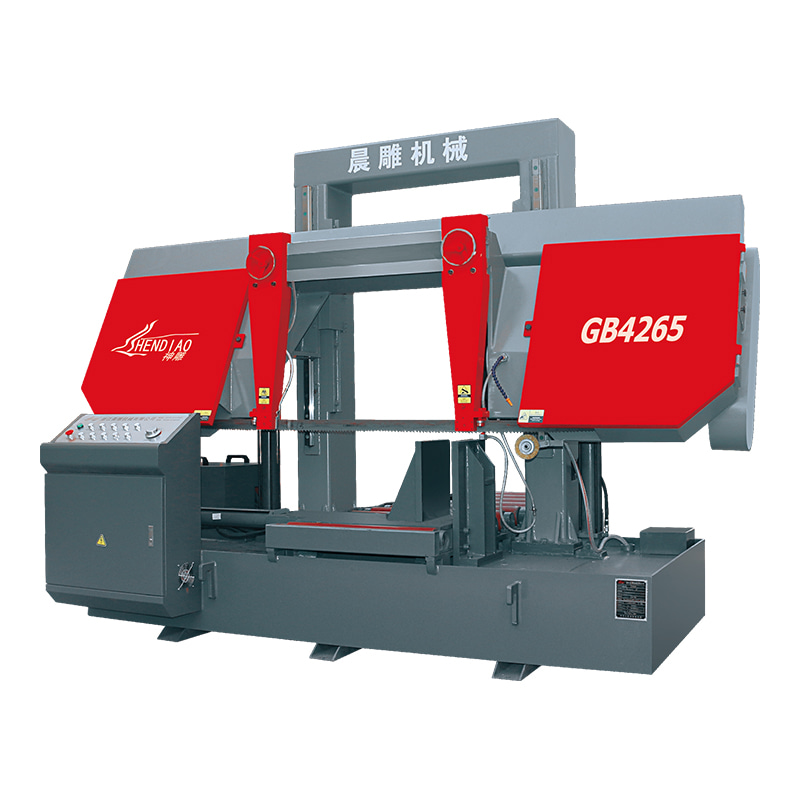
The GB4265 Semi-Automatic Gantry Type Band Chain Feeding Metal Sawing ...
See Details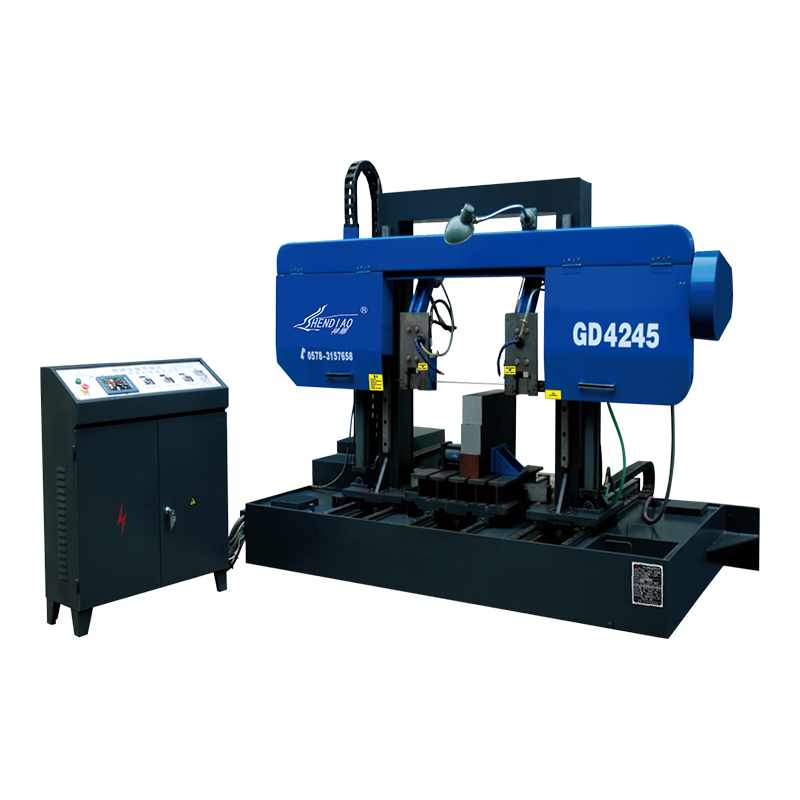
Patent No.: 200720115051.4 200710071420.9 200720115052.9
See Details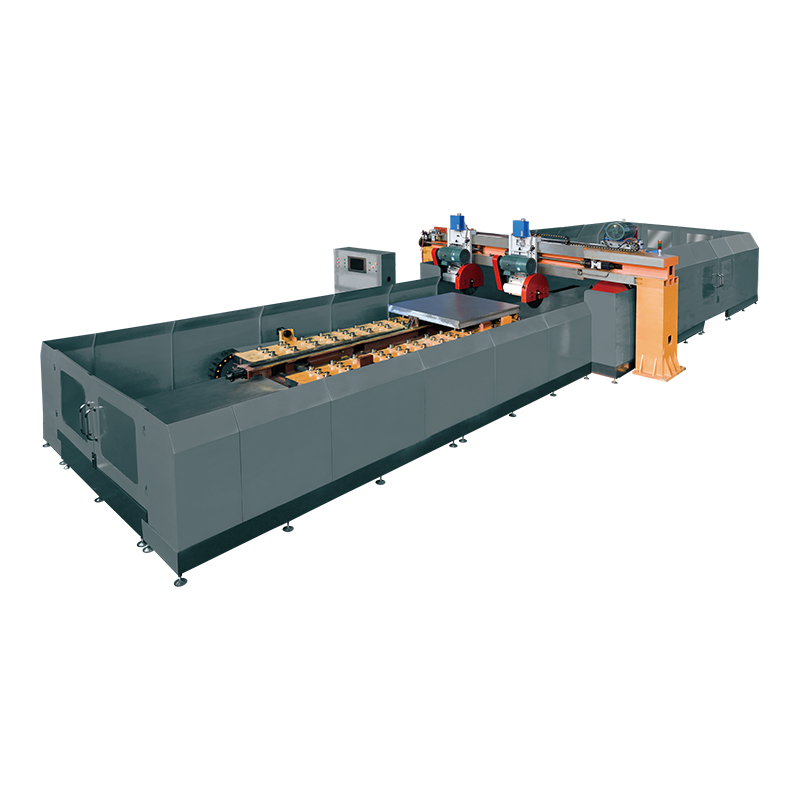
The GBV15/200/400 Large Aluminum Ingot Peripheral Cutting Machine is d...
See Details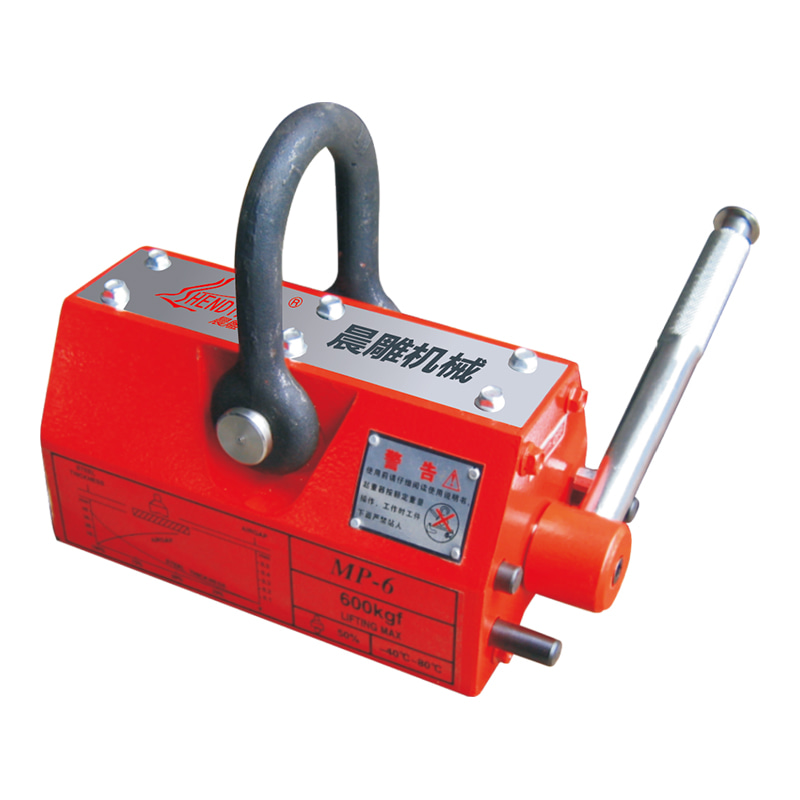
The magnetic lifting heads, which have been developed, designed, and m...
See DetailsCopyright © Zhejiang Chendiao Machinery Co., Ltd. Rights Reserved.
Band Saw Factory

