


 русский
 Français
 Español
HC-16310NC High-Speed Servo Feeding Sawing Fully Automatic Aluminum Plate Circular Saw
Cat:Circular Saw
Suitable for cutting aluminum alloy plate, high efficiency (3 times of...
See DetailsIn many metal processing workshops, cutting is not a single action. It is a repeated task that needs consistency, control, and steady output. A fully automatic metal cutting band saw machine is designed to support this kind of workflow. It handles material feeding, cutting, and movement in a continuous cycle with minimal manual input during operation.
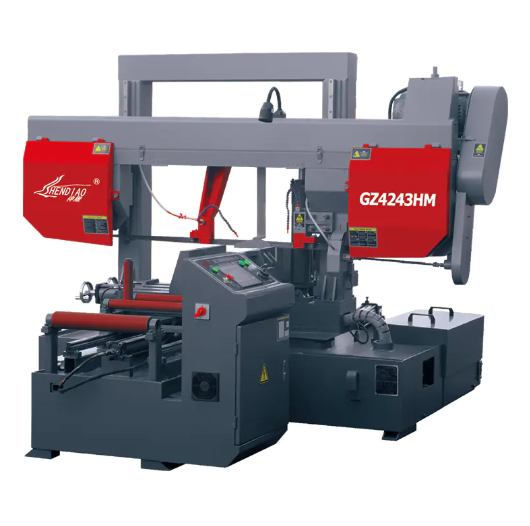
The idea behind it is simple. Place the material in position, set the required conditions, and let the machine manage the process. In practice, the operation follows a sequence that connects preparation, monitoring, and adjustment.
Understanding how it works helps reduce interruptions and keeps the workflow steady in daily production environments.
A fully automatic cutting band saw machine is equipment used to cut metal materials into smaller sections using a continuous cutting blade. The blade moves in a loop, allowing it to pass through the material repeatedly.
What makes it "fully automatic" is the way it handles key steps. Material feeding, cutting movement, and stopping functions are managed by the machine itself once the setup is complete.
This reduces the need for constant manual control. Operators focus more on setup and monitoring rather than continuous handling during cutting.
The machine is often used in environments where repeated cutting is required. The goal is steady output with consistent results across multiple pieces.
Preparation is the starting point of any cutting process. Before the machine begins working, the material and working area need to be arranged.
Materials are placed on the feeding section. They are positioned so they remain stable during movement. A secure position helps maintain smooth cutting without shifting.
The cutting area is checked visually. Any leftover debris or obstruction is removed. A clear working space supports consistent movement.
At this stage, settings are adjusted based on the type of material and desired output. These adjustments influence how the machine performs during operation.
Preparation is not a complex stage. It is mainly about creating stable conditions before the cycle begins.
Once preparation is complete, the machine begins its working cycle. The process follows a repeating pattern.
Material is moved into the cutting area. The blade starts moving continuously. Contact between the blade and material begins the cutting action.
The machine controls movement speed and feeding direction. This ensures the material is processed in a controlled manner.
As cutting continues, the machine may adjust position slightly to maintain stability. This helps keep the cut consistent from start to finish.
After one section is completed, the machine may move the material forward for the next cut. This cycle continues until the required amount is processed.
The process feels continuous. Once started, it follows a structured flow with minimal interruption.
Automatic feeding is one of the key features in this type of machine. It allows material to move forward without manual pushing or repositioning.
This system helps maintain steady workflow. Instead of stopping between each cut, the machine continues the process in sequence.
Material is held in place, then gradually moved into the cutting area. This reduces uneven movement and helps maintain alignment.
In many workshops, this feature supports repeated production tasks. It allows multiple pieces to be processed in a continuous cycle.
The feeding process is closely connected to cutting movement. Both work together to maintain balance between speed and control.
The cutting blade is the main working element of the machine. It moves in a continuous loop and interacts directly with the material.
Its movement creates the cutting action. As it passes through the metal surface, material is gradually separated into sections.
Blade condition influences how smoothly the process runs. A stable blade movement helps maintain consistent cutting results.
During operation, the blade remains in constant motion. This reduces sudden impact and supports smoother contact with the material.
Operators often observe blade behavior during use. Changes in movement or sound can indicate adjustment needs.
Even though the machine is automatic, control still plays an important role. Operators do not manage every movement, but they oversee the process.
Control panels or interface points allow adjustments before and during operation. These adjustments may include movement speed, feeding distance, or cycle timing.
Once the process starts, the machine follows the selected setup. Operators monitor the process to ensure stable performance.
If any change in material or condition occurs, adjustments can be made. This keeps the process aligned with production needs.
Control is less about direct movement and more about guiding the system within set boundaries.
Although each workshop may adjust procedures slightly, the general sequence remains similar.
| Step | Operation Stage | Description |
|---|---|---|
| 1 | Material placement | Metal is positioned for cutting |
| 2 | System setup | Settings are adjusted for task |
| 3 | Start cycle | Machine begins automatic operation |
| 4 | Cutting process | Blade moves through material |
| 5 | Feeding adjustment | Material is moved forward |
| 6 | Repeat cycle | Process continues as needed |
This sequence helps maintain order in operation. Each stage connects naturally to the next.
Monitoring is a quiet but important part of the process. Even when the machine runs automatically, attention is still needed.
Operators observe movement patterns. They check whether material is feeding smoothly and whether cutting remains consistent.
Sound and vibration can also provide clues. Changes in these signals may indicate that adjustment is needed.
Monitoring does not interrupt the process. It runs alongside it. This allows early response without stopping production unnecessarily.
In many cases, experienced operators rely on visual and auditory cues to maintain smooth operation.
When the machine runs for extended periods, stability becomes more important. Continuous use can gradually affect performance.
Material accumulation should be managed. Cut sections need to be removed regularly to keep the workspace clear.
Blade condition should be observed during longer cycles. Small changes in performance may appear over time.
Temperature and environmental conditions can also influence operation. Stable surroundings help maintain consistent cutting behavior.
Breaks between cycles may be used to check the system and ensure everything remains aligned.
These considerations help maintain steady output without sudden interruptions.
In many production environments, cutting is only one step in a larger process. The output of the band saw machine often moves to another stage.
A stable cutting process supports smoother transition between steps. When material is processed evenly, downstream tasks become easier to manage.
This creates a connected workflow. Each cycle of cutting feeds into the next stage of production.
The machine becomes part of a broader system rather than an isolated unit. Its operation influences timing, material handling, and workflow balance.
The practical value of a fully automatic metal cutting band saw machine lies in consistency. Once set up, it continues working with limited manual involvement.
This allows operators to focus on monitoring rather than constant handling. It also supports repeated tasks without frequent adjustment.
The operation feels structured. Each cycle follows a similar pattern, which helps maintain predictable output.
Over time, this consistency becomes part of the production rhythm. The machine supports steady movement through repeated cycles, fitting into the wider flow of industrial work.
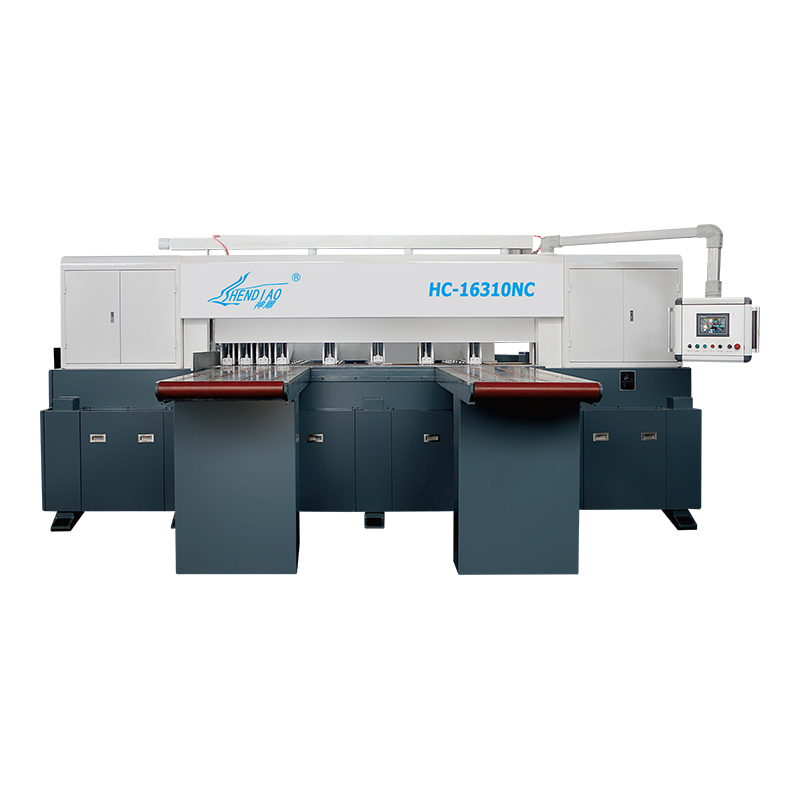
Suitable for cutting aluminum alloy plate, high efficiency (3 times of...
See Details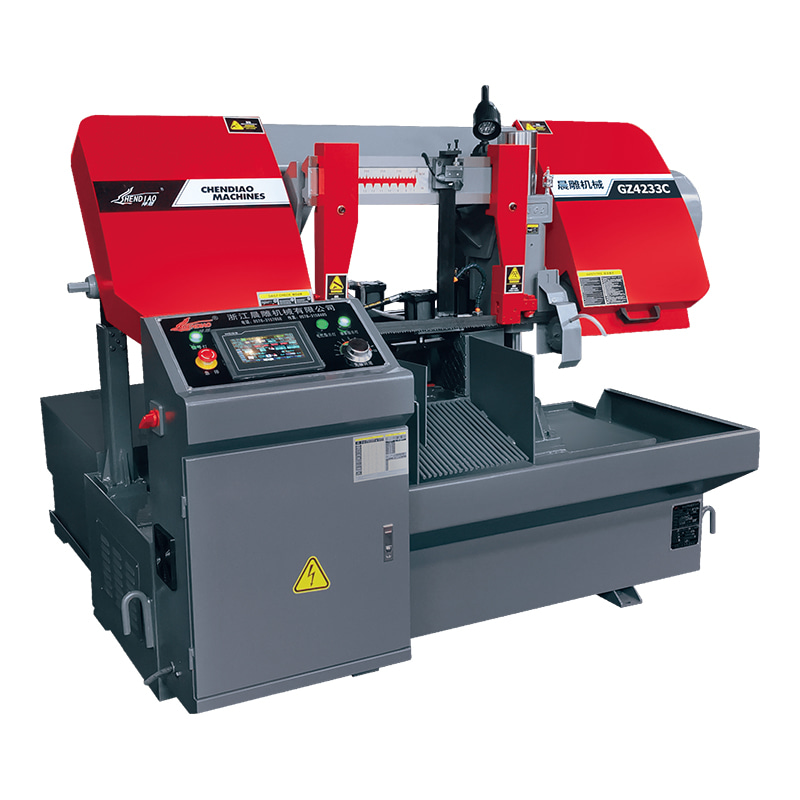
Suitable for sawing and cutting materials into same-size in massive qu...
See Details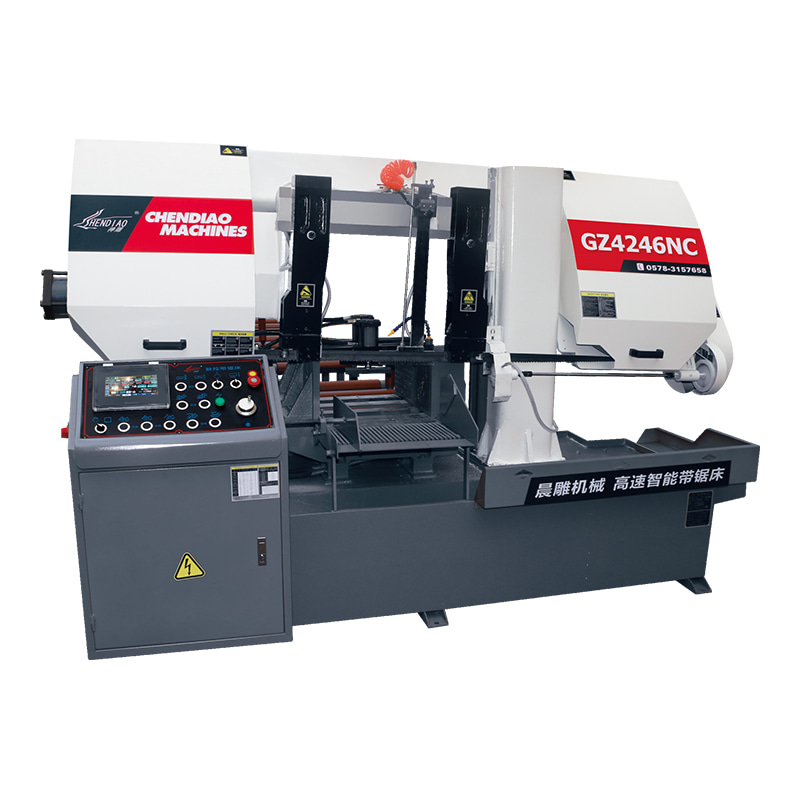
The GZ4246NC Newly Upgraded Large Square Column High-Speed Intelligent...
See Details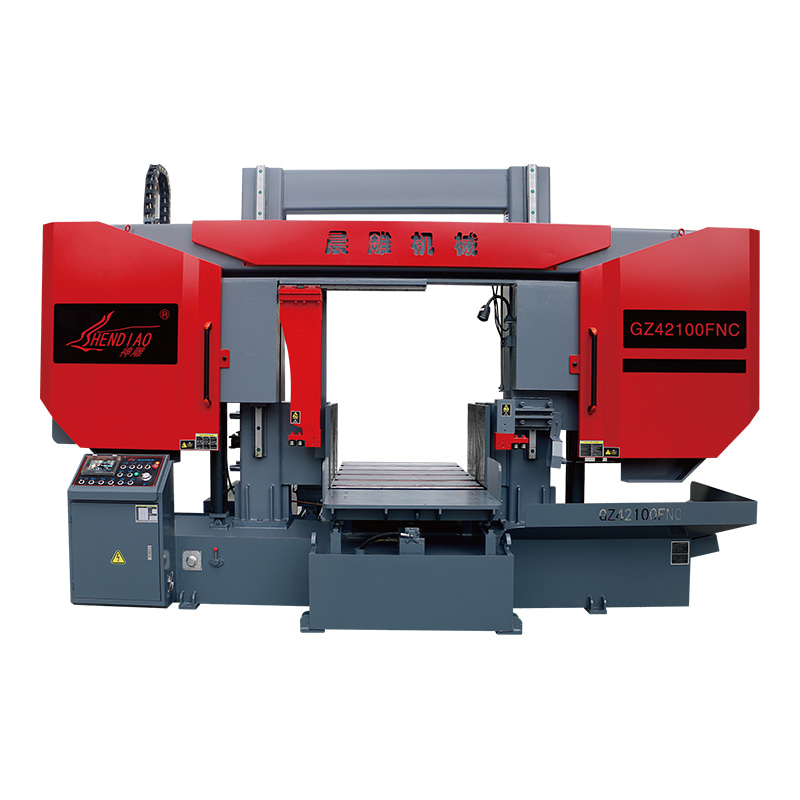
Automatic chip device. Saw blade hydraulic tensioning. Saw blade wire ...
See Details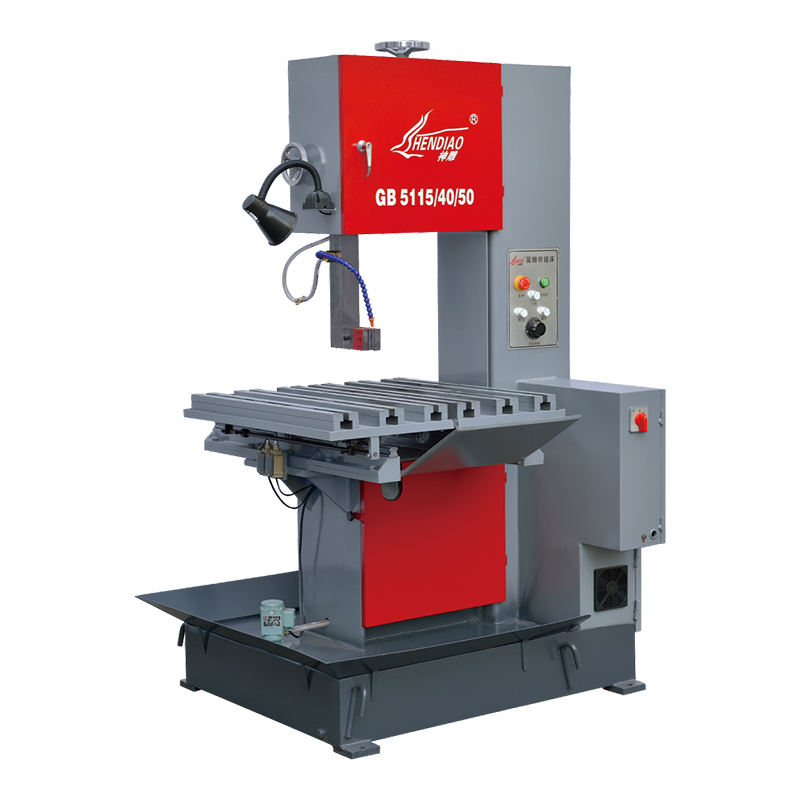
The GB5115/40/50 Manual Vertical Band Sawing Machine handles cutting w...
See Details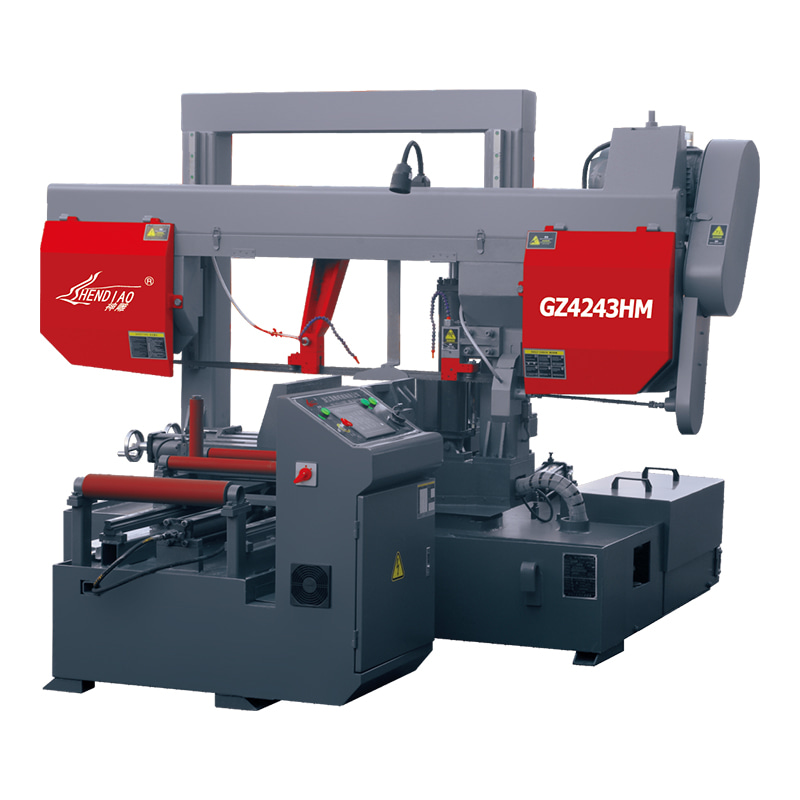
The BS-712N 7-inch bandsaw is just a highly practical, no-nonsense too...
See DetailsCopyright © Zhejiang Chendiao Machinery Co., Ltd. Rights Reserved.
Band Saw Factory

