


 русский
 Français
 Español
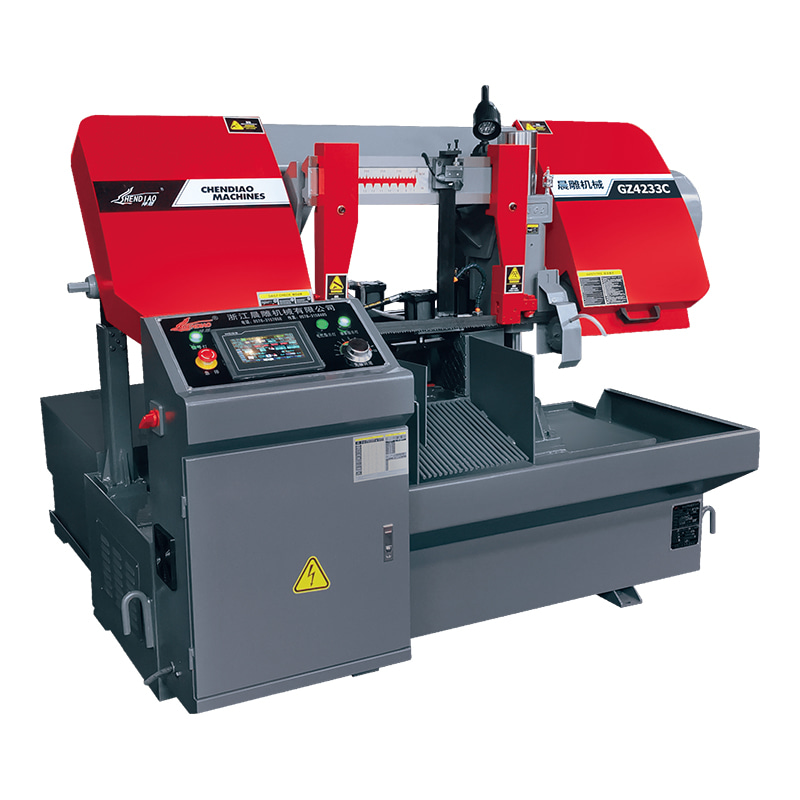
GZ4233C Horizontal Double Column Fully Automatic Metal CNC Band Sawig Machine
Cat:CNC Band Sawig Machine
Suitable for sawing and cutting materials into same-size in massive qu...
See DetailsIn metal processing environments, cutting is not only about dividing material. It is about control, surface quality, and workflow stability. A High Speed Circular Saw Machine For Metal is often used when clean and fast cutting is required. Its rotating blade allows continuous contact with material, producing repeated cuts in a steady rhythm.
The range of materials it can handle is wide, but not unlimited. Each material behaves differently under cutting force. Some respond smoothly. Others require more careful handling. Understanding these differences helps operators match the right material with the right process.
A high speed circular saw machine is designed to cut solid materials using a rotating circular blade. The blade spins at a steady speed and comes into contact with the material from above or along a guided path.
The main goal is controlled separation. Instead of breaking or crushing, the machine slices through material in a direct motion. This creates a clean cut surface and reduces irregular edges.
It is commonly used in workshops where repeated cutting is needed. The process is continuous. Once the material is positioned, the machine handles the cutting motion with consistent speed.Its use is not limited to one type of material. The design allows it to work with different metal forms and structures.
Every material responds differently when exposed to cutting force. Some materials are soft and separate easily. Others are dense and resist motion.Material type influences how the blade interacts with the surface. It affects cutting smoothness, resistance, and the final shape of the cut.In industrial environments, selecting the right material for the machine helps maintain stable operation. It also reduces unnecessary strain during cutting.Understanding material behavior is part of planning the cutting process. It helps match expectations with actual output.
Metal is the frequent material processed by high speed circular saw machines. Different forms of metal are used depending on the application.
Common metal materials include:
Each metal behaves differently during cutting. Some are more rigid. Others are softer and easier to process.
Steel is often used in structural work. It requires steady cutting control. Aluminum is lighter and tends to cut more smoothly. Copper and brass are softer, but still need stable handling to maintain clean edges.The machine adapts to these differences through consistent blade movement and controlled feeding.
Although designed mainly for metal, some non-metal materials can also be processed under certain conditions.
These materials include:
These materials respond differently compared to metal. They are generally softer, but may behave unpredictably if not supported properly during cutting.The key factor is stability. If the material remains steady during operation, cutting becomes more controlled.
Not every non-metal material is suitable. Some may deform or shift under pressure. This is why selection depends on both material structure and cutting requirements.
Material shape plays an important role in how the cutting process unfolds. Flat, round, and irregular shapes behave differently during contact with the blade.
Round materials often require stable positioning to prevent movement during cutting. Flat materials are easier to hold but may vary in thickness. Irregular shapes need additional support to maintain balance.
Shape affects how the blade enters the material. It also influences how force is distributed during cutting.A stable position helps maintain consistent results. Without stability, the cut may lose uniformity.
Some materials demand closer attention during cutting due to their structure or surface behavior.
Materials that may require careful handling include:
Dense materials create more resistance during cutting. This may slow down the process and require steady control.Thin structures can shift easily. Without support, they may bend during cutting.
Mixed materials behave differently depending on their composition. Some parts may cut smoothly while others resist the blade.Careful handling helps maintain control and reduces irregular cutting results.
Adaptation happens through controlled movement. The blade speed, feeding direction, and contact pressure work together to adjust to material type.When cutting softer materials, the movement feels smoother. When cutting harder materials, the process becomes more controlled and steady.The machine does not change structure for each material. Instead, it adjusts operation behavior within the same system.This allows one machine to handle multiple material types without major changes.Operators observe how the material responds during cutting and make small adjustments when needed.
Surface condition influences how the blade interacts with material. Smooth surfaces allow more direct contact. Rough surfaces may create slight resistance at the beginning of cutting.
Coated or treated materials may also behave differently. The outer layer can affect initial blade contact before reaching the core material.
Surface condition does not stop cutting, but it changes how the process begins. Once the blade passes through the outer layer, the material response becomes more stable.This is why observation during early cutting stages is important.
Material selection influences the rhythm of production. Some materials allow fast processing. Others require slower, more controlled cutting.In environments where multiple materials are used, the machine often operates in cycles. Each cycle may involve different cutting conditions.This creates variation in workflow. Operators adjust based on material type while maintaining overall production flow.The goal is not speed alone. It is consistency across different materials.When material behavior is predictable, the production process becomes smoother.
Several factors interact during operation. Material type is only one part of the process.
Other factors include:
When these elements work together, cutting becomes more controlled.Even with different materials, stable operation depends on maintaining balance between these factors.Small changes in any of them can influence final results.
The ability to process multiple materials makes the machine suitable for varied working environments. Workshops may handle different material types in the same production cycle.
Instead of changing equipment, operators adjust usage patterns. This allows flexibility in daily operations.Material variety also influences planning. Knowing what materials will be processed helps prepare workflow in advance.Over time, this adaptability becomes part of routine operation. The machine fits into different tasks without requiring structural changes.Its value lies in handling variation while maintaining steady cutting behavior across materials.
Suitable for sawing and cutting materials into same-size in massive qu...
See Details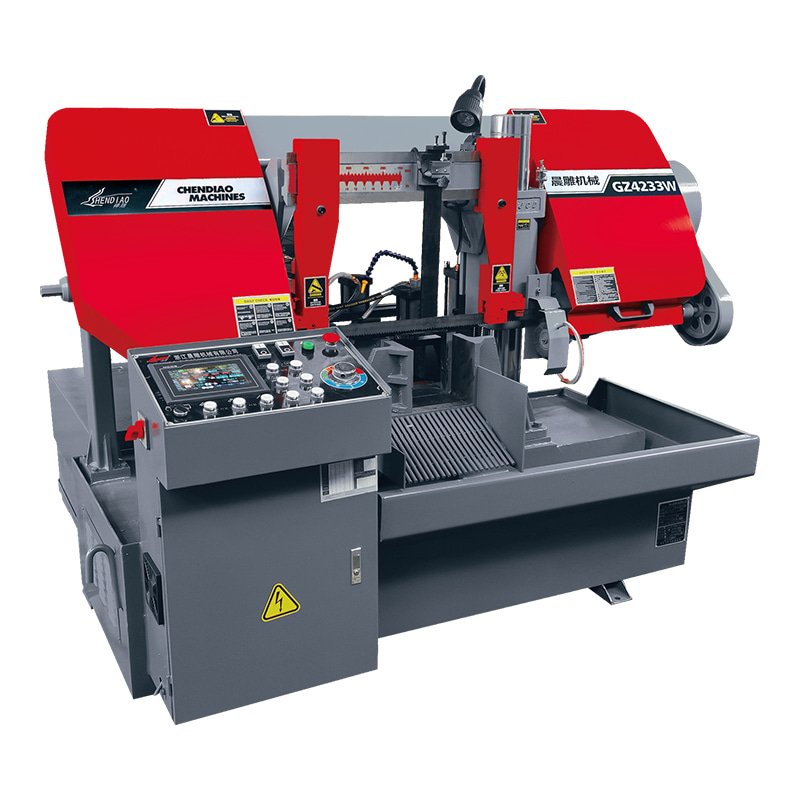
Suitable for sawing and cutting materials into same size in massive qu...
See Details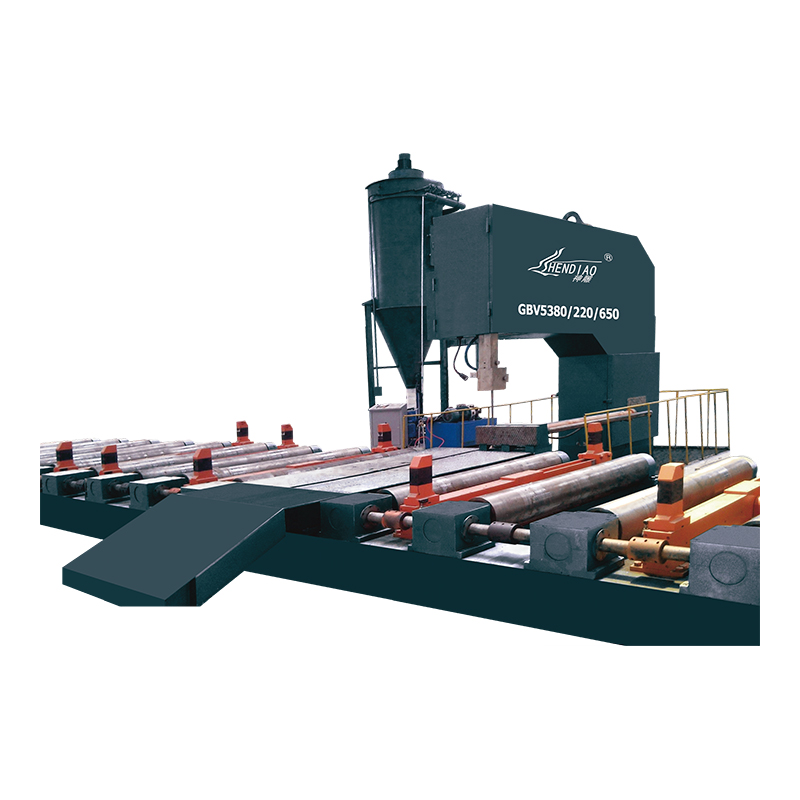
The GBV5380/220/650 High-Speed Aluminum Cutting Vertical Band Blanking...
See Details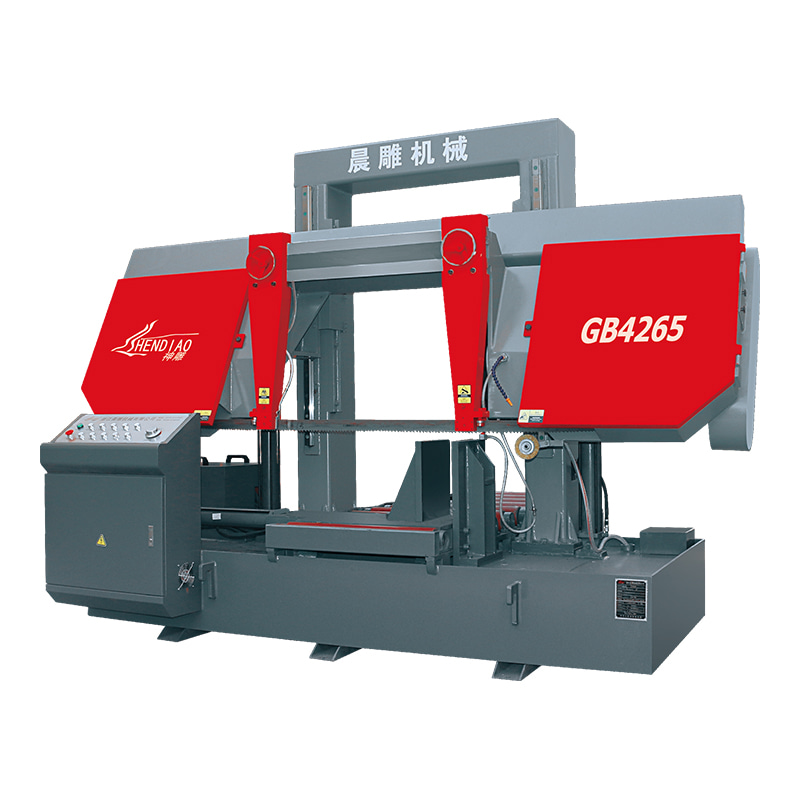
The GB4265 Semi-Automatic Gantry Type Band Chain Feeding Metal Sawing ...
See Details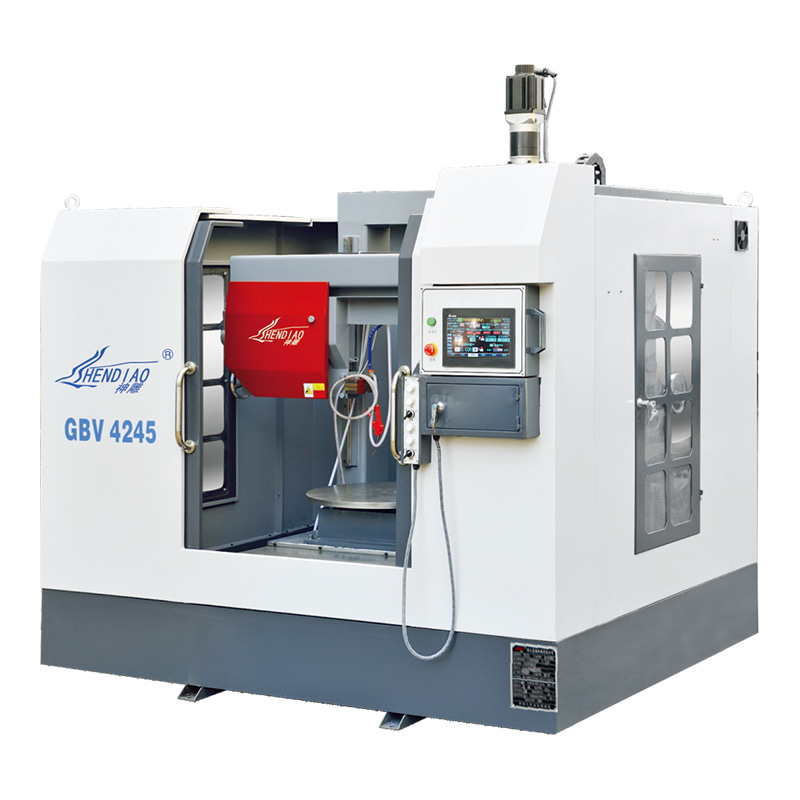
The GBV4245 Sapphire Cutting Machine Disc Saw is a specialized solutio...
See Details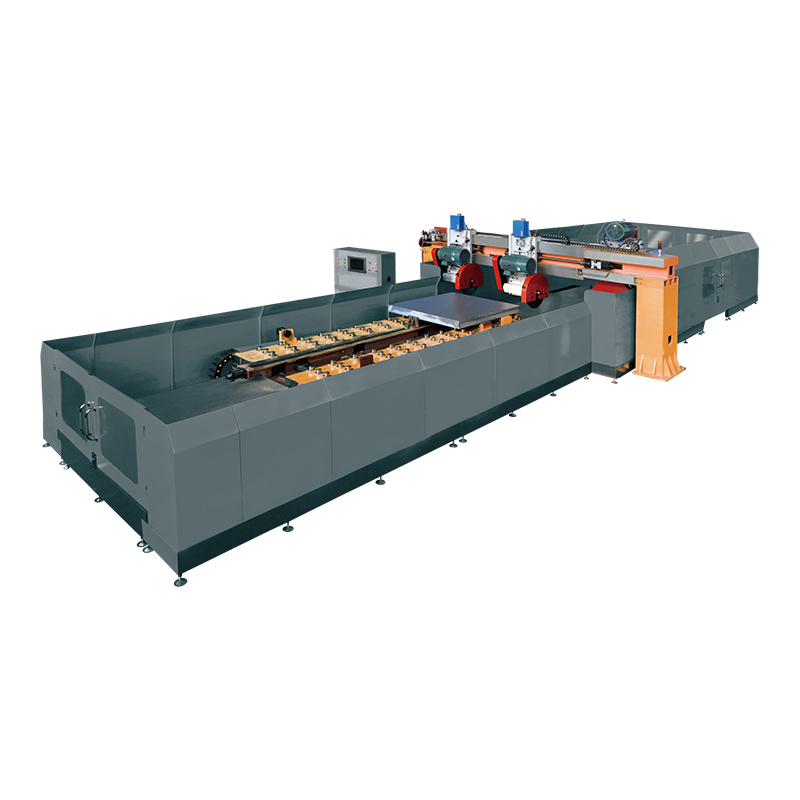
The GBV15/200/400 Large Aluminum Ingot Peripheral Cutting Machine is d...
See DetailsCopyright © Zhejiang Chendiao Machinery Co., Ltd. Rights Reserved.
Band Saw Factory

