


 русский
 Français
 Español
GB4025H 0-45° Manual Angle Cutting Band Metal Sawing Machine
Cat:Angle Cutting Band Sawing Machine
The GB4025H is a great choice,if you need a reliable saw for tackling ...
See DetailsGraphite Cutting Machine is used in many production settings. It looks simple at a glance. A block enters one side, a shaped piece leaves the other. The reality feels different on the shop floor. The material behaves in quiet but demanding ways. It reacts to touch, pressure, and movement. Small details in handling can shape the final result.
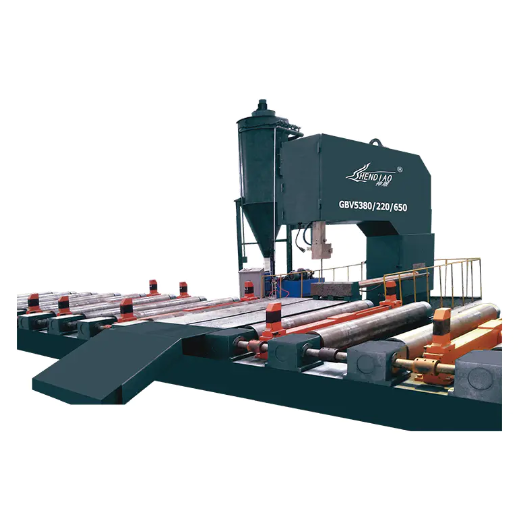
Many teams focus on cutting paths and machine setup. Yet handling often decides how smooth the process feels. It affects cleanliness, consistency, and workflow rhythm. When handling is overlooked, issues appear in scattered forms. A chipped edge here. Dust on a surface there. A delay that seems minor but repeats through the day.
We are looks at those handling challenges. It also explores how people on the floor respond with practical adjustments.
Graphite has a soft and layered nature. It does not resist force in the same way as harder materials. It can feel solid in one moment and fragile in the next. Edges are especially sensitive. A slight bump can leave a visible mark.
When a piece is lifted, the weight feels light. That can lead to faster movement than intended. The speed of handling becomes a hidden factor. Quick placement may lead to uneven contact. Over time, this creates small imperfections.
Operators often describe graphite as a material that asks for patience. It does not demand complex steps. It asks for steady hands and careful rhythm. This behavior shapes how teams think about handling from the very start.
Dust appears as soon as cutting begins. It is fine and dry. It does not settle quickly. Instead, it moves with air currents. It finds its way onto surfaces, tools, and even finished parts.
The challenge is not only the amount of dust. It is how easily it spreads. A clean area can become covered after a short period of activity. Even careful movement of parts can release more particles into the air.
Some workers notice that dust follows routine paths. It gathers near certain corners. It rests along machine edges. These patterns are not random. They reflect airflow and daily movement.
Managing dust becomes a continuous task. It is not about a single solution. It is about guiding where dust goes and how often it is removed.
Graphite does not tolerate uneven pressure. When a piece is supported at only one point, stress builds across its surface. This stress may not be visible at once. It may show later as a crack or chipped edge.
During lifting, the angle matters. A tilted position can shift weight toward one side. This small shift can affect stability. Over time, repeated actions like this influence overall quality.
Teams often adjust their habits without formal instruction. They learn to place hands at balanced points. They lower parts slowly instead of dropping them into position. These changes feel small, yet they shape the outcome.
Fragility also affects storage between steps. Stacked pieces can press against each other. Even a light load may leave marks. Spacing and alignment become part of handling, not just storage.
Graphite pieces rarely stay in one place. They move from storage to cutting, then to inspection or assembly. Each transfer introduces a new set of conditions.
Vibration is one of the quiet risks. When parts travel across a surface, even a smooth one, they experience small shocks. These shocks add up. Edges may wear slightly. Corners may lose their shape.
Handling tools can also create pressure points. A tool that grips too tightly can leave marks. A surface that is too hard can increase impact during placement.
Some teams map out the path a part takes through the workspace. They look for points where movement changes direction. These points often reveal where handling can improve.
Storage is often seen as a passive stage. In graphite processing, it plays an active role. The condition of the material before cutting can affect how it behaves during the process.
A piece stored on an uneven surface may develop slight distortion. It may not sit flat during cutting. This affects alignment and stability. The result may not meet expectations, even if the cutting process itself is stable.
Dust from the environment can settle on stored material. When cutting begins, this dust mixes with new particles. The workspace becomes harder to manage.
Organized storage helps reduce these effects. Flat surfaces, clean areas, and clear spacing support better handling. Workers can also locate materials more easily, which reduces unnecessary movement.
Many solutions come from daily observation. Workers notice patterns. They test small changes. Over time, these changes become part of routine practice.
Below are some practical methods that are often used:
Use wide support during lifting
Spreading contact across a larger area reduces stress. It keeps the piece stable during movement.
Lower parts with controlled speed
Gentle placement avoids sudden impact. It protects edges and surfaces.
Avoid stacking without separation
Thin layers or spacing between pieces reduce pressure points.
Plan shorter movement paths
Fewer steps mean fewer chances for damage or dust spread.
Match tools to material shape
Tools that fit the form of the piece provide better support.
Keep handling surfaces clean
Clean surfaces reduce friction and prevent contamination.
Observe and adjust daily habits
Small changes in routine often bring steady improvement.
These methods do not require complex systems. They rely on awareness and consistency.
Dust control often combines several simple actions. Each action addresses part of the problem. Together, they create a more stable environment.
Some teams focus on guiding airflow. Others adjust cleaning frequency. Many combine both approaches.
The table below shows how different approaches behave in use and what they bring to daily operation:
| Approach Type | How It Behaves in Use | Practical Outcome in Service |
|---|---|---|
| Open handling environment | Air moves freely across the workspace | Dust spreads easily and settles on many surfaces |
| Directed airflow setup | Airflow follows a controlled path | Dust is guided away from key working areas |
| Regular surface cleaning | Surfaces are cleaned at set intervals | Visible buildup is reduced over time |
| Enclosed handling sections | Work areas are partially separated | Dust remains within a limited zone |
| Combined approach | Airflow, enclosure, and cleaning work together | More stable and predictable cleanliness |
Each method contributes in a different way. A balanced approach often brings better results than relying on one method alone.
Workflow design shapes how materials move. It influences how often parts are touched, how far they travel, and how long they wait between steps.
A clear layout reduces confusion. Workers know where to place items and where to move next. This reduces unnecessary handling.
When paths cross, materials may need to be moved aside. This adds extra steps. Each extra step increases the chance of damage or dust spread.
Some teams adjust layout over time. They move storage closer to cutting areas. They create direct paths between stages. These changes may seem simple, yet they improve flow.
A smoother workflow often leads to fewer interruptions. It also supports more consistent handling practices.
Machines follow settings. People guide the process. Operator awareness connects the two.
When workers understand how graphite behaves, they adapt naturally. They slow down when needed. They adjust grip and movement. They notice small changes in surface condition.
Awareness grows through experience. It also grows through shared knowledge. Teams often exchange tips during daily work. These tips become part of the working culture.
Simple reminders can support this awareness. Clear instructions near work areas help reinforce good habits. Over time, careful handling becomes routine rather than effort.
Handling improvements rarely come from one large change. They come from many small adjustments. Each adjustment reduces a specific issue.
A cleaner surface reduces dust transfer. A shorter path reduces movement risk. A better tool improves grip. These changes build on each other.
Over time, the process feels more stable. Fewer parts need rework. Cleaning becomes easier to manage. Workers spend less time correcting small issues.
The effect is gradual. It may not be visible in a single day. Yet over weeks and months, the difference becomes clear in daily operation.
No single method fits every workspace. Conditions change. Layouts shift. New tasks appear. Handling strategies adapt to these changes.
Teams observe how the material responds in real conditions. They test new approaches. Some ideas work well. Others are adjusted or replaced.
This ongoing process keeps handling methods flexible. It allows teams to respond to new challenges without major disruption.
Graphite cutting remains a process shaped by detail. Handling sits at the center of that detail. Each movement, each surface, each adjustment plays a role in how the material behaves and how the workflow develops.
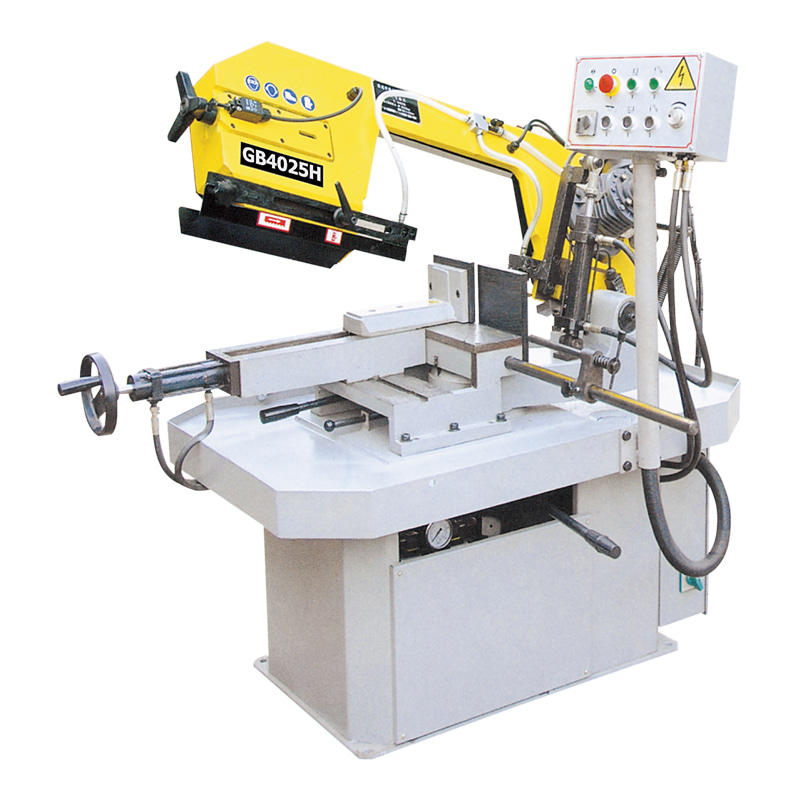
The GB4025H is a great choice,if you need a reliable saw for tackling ...
See Details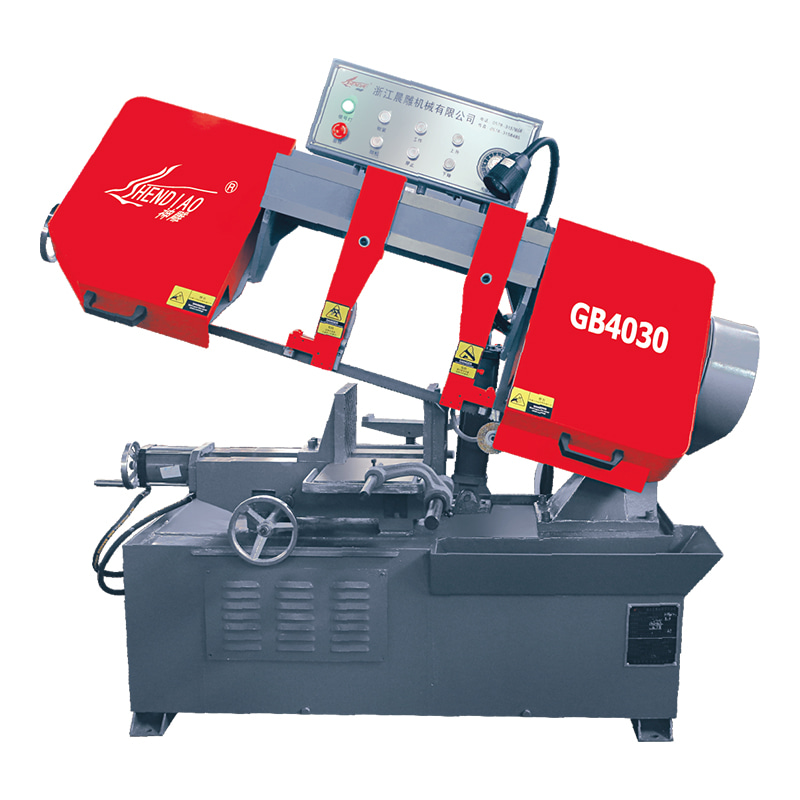
The GB4030 S-Series Band Horizontal Metal Sawing Machine uses a hinged...
See Details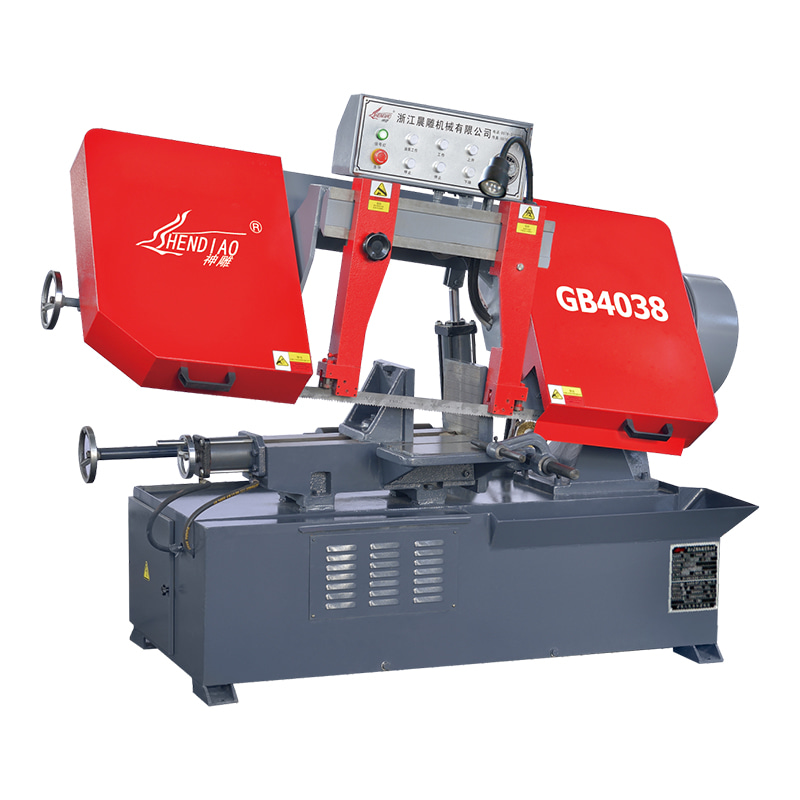
Can be customized: The equipment can be varied according to the fast f...
See Details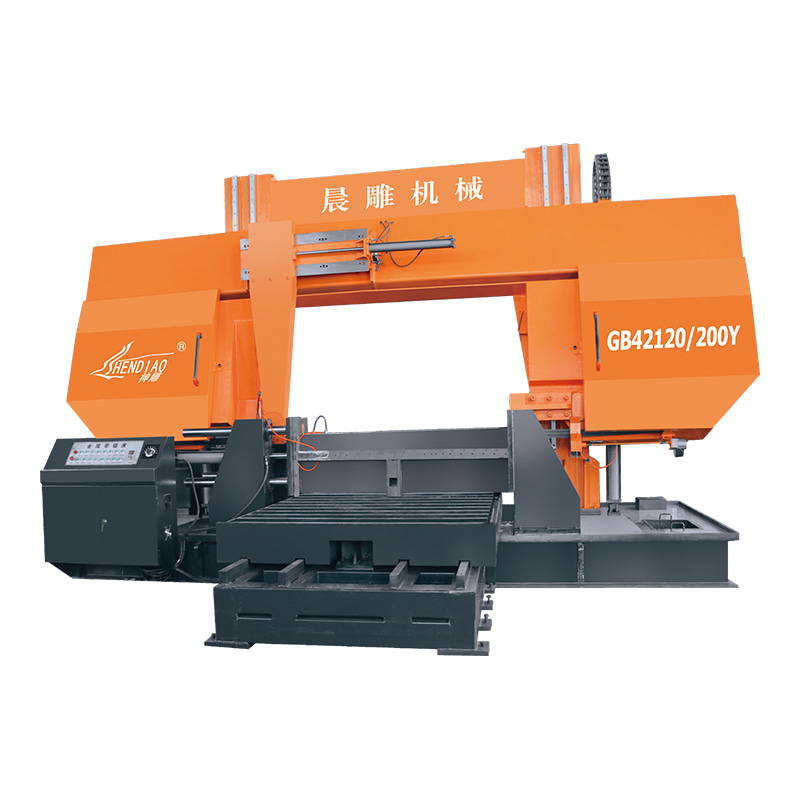
Ideal equipment for heavy-material cutting. Blade tension: hydraulic. ...
See Details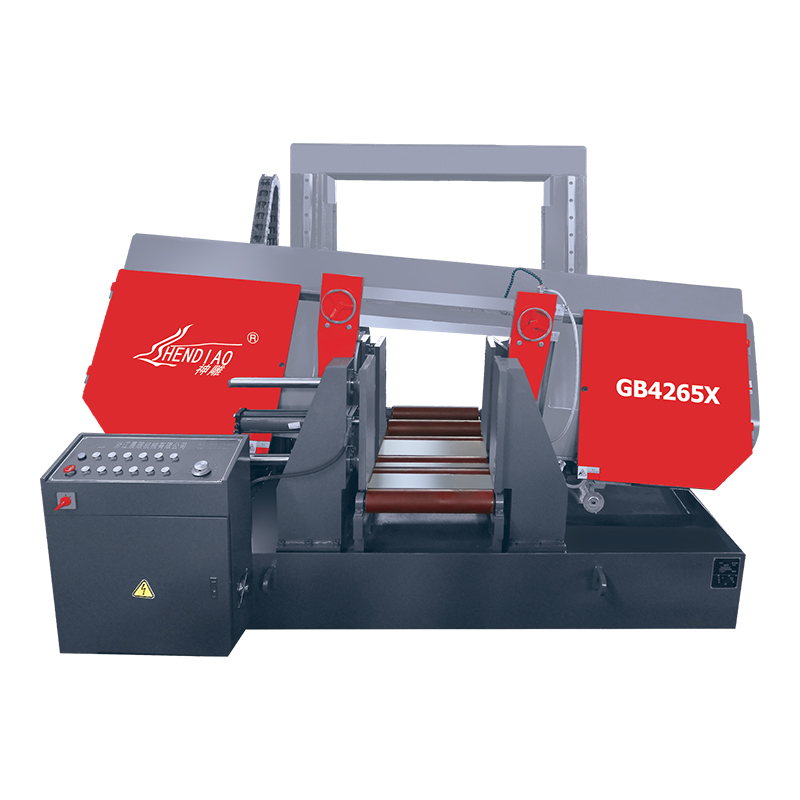
Ideal equipment for heavy-material cutting. Blade tension: hydraulic. ...
See Details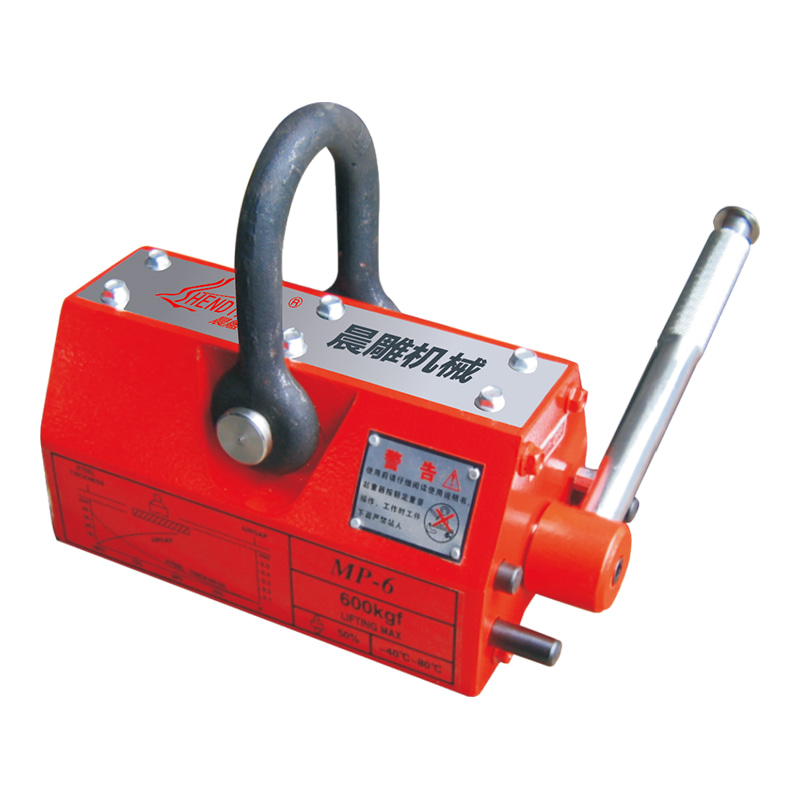
The magnetic lifting heads, which have been developed, designed, and m...
See DetailsCopyright © Zhejiang Chendiao Machinery Co., Ltd. Rights Reserved.
Band Saw Factory

