


 русский
 Français
 Español
GZ4233W Automatic Horizontal CNC Band Sawig Machine Energy Saving No Head
Cat:CNC Band Sawig Machine
Suitable for sawing and cutting materials into same size in massive qu...
See DetailsCutting processes in modern manufacturing are changing in quiet but steady ways. Many workshops and production sites are moving away from fully manual methods. The focus is shifting toward more controlled and repeatable systems. Among these changes, the automatic band saw machine has become an important part of how materials are processed today.
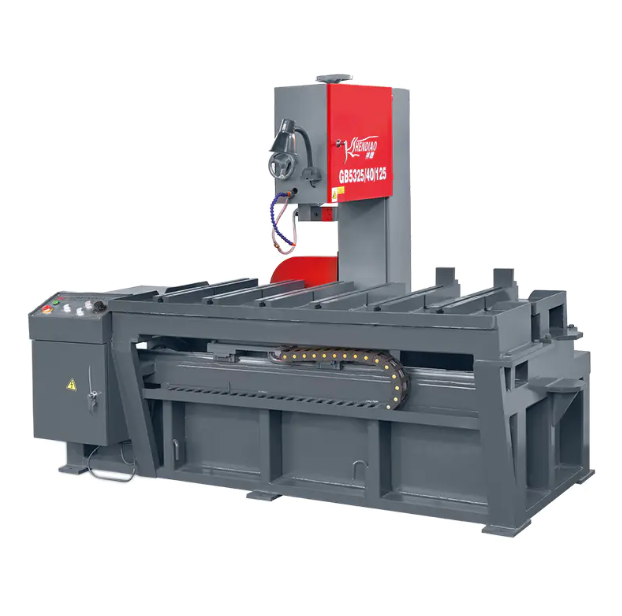
It is not only about cutting faster. It is also about keeping results steady, reducing variation, and making daily work more organized. As production needs become more diverse, the way materials are cut needs to keep up. This is where automated band saw systems are starting to play a stronger role.
Production environments today face more pressure than before. Orders may change quickly. Material types can vary within the same workflow. At the same time, expectations for consistency remain high.
Traditional cutting methods rely heavily on operator skill. That approach can work well in small-scale settings. But when production grows, differences begin to appear. Small changes in handling can lead to uneven results.
There is also the issue of time. Manual cutting often requires repeated adjustments. Each step depends on attention and timing. When demand increases, this can slow down the overall process.
Modern production needs a more stable approach. A system that reduces variation while keeping the workflow steady. This is one of the main reasons automatic band saw machines are gaining more attention.
Automatic band saws handle most cutting work without constant manual handling. Operators don't need to push or steer material by hand; the machine runs every cutting motion on a set routine.
Materials stay firmly clamped during cutting, and the blade moves along the exact same path every cycle. Cuts turn out far more uniform from one workpiece to another.
It also shifts how workers do their jobs. Instead of manually carrying out every single cutting step, staff mainly watch the machine run and tweak settings when required. Their focus moves to overseeing production flow rather than direct hands-on cutting.
This shift might not look dramatic at first, yet it stabilizes work rhythms and makes daily output far easier to forecast.
Material processing heavily relies on uniform cutting quality. Tiny shifts in cutting angle or feed force leave subtle flaws that only cause trouble further down the production line, even if you can't spot them right away.
Automatic band saws eliminate most of these inconsistencies. The blade follows a fixed, steady path, and materials hold their exact position through the full cut.
Fewer jagged edges or uneven profiles show up on finished pieces. Every cut piece closely matches the last one, creating steady batch quality over long runs.
Consistent pre-cut stock also simplifies later assembly and fitting work. Shops spend less time trimming, sanding or reworking parts to fix dimensional mismatches.
Efficiency isn't just about cutting parts faster. It also means cutting out redundant steps and keeping work running without breaks. Older cutting setups often stall frequently for manual checks and repositioning stock by hand.
Automatic band saws cut down all these disruptions. After operators finish initial setup, the machine runs with minimal downtime. Stock feeds in a neat order, and every cutting cycle moves at a steady, even pace.
This keeps production moving at a stable rate. There's no more rushing through batches then waiting around for the next task; the whole workflow runs far more evenly.
Better efficiency also cuts waste. Precise, controlled cutting creates fewer scrap pieces from human error. Less material gets thrown out, streamlining the whole production line without adding complicated extra work.
The introduction of automatic cutting systems also changes the working environment. The focus shifts from physical repetition to process oversight.
Operators spend less time performing direct cutting actions. Instead, they observe machine behavior, check alignment, and respond to changes in material flow. This creates a different kind of work rhythm.
The environment itself becomes more structured. Machines take up a central role in organizing tasks. Workers move between monitoring points rather than staying at one manual station.
This does not remove the need for human involvement. It changes how that involvement is expressed. Attention shifts toward control, adjustment, and coordination.
Manual cutting methods still exist in many places. They are flexible and familiar. Skilled operators can achieve good results with experience. However, some challenges remain when production scales up.
Common challenges include:
These challenges become more visible when production demands increase. Small differences in technique can lead to larger gaps in output over time.
Automatic systems help reduce these pressures by introducing more stable control over the cutting process.
How raw stock is managed heavily impacts cutting quality. Any misalignment of materials will produce uneven, inaccurate cuts.
Automatic band saws bring order to this stage. Clamps lock workpieces firmly in position while cutting takes place, and all material movement follows guided paths instead of relying on unsteady manual handling.
This stops pieces from slipping mid-cut and keeps consistent alignment through the full process.
Organized material handling also means far fewer workflow stops. Operators don't have to reset positions over and over again. Their main job shifts to watching over the line and keeping production moving smoothly.
This simple upgrade to material control makes a clear difference to the uniformity of all finished cuts.
A modern workflow with automatic band saw systems often follows a more continuous structure. Each stage connects with the next, creating a smoother production rhythm.
| Stage of Process | Machine Function | Result in Workflow |
|---|---|---|
| Material positioning | Holds and stabilizes material | Reduced movement errors |
| Cutting motion | Controls blade movement | Consistent cutting path |
| Feeding process | Moves material steadily | Continuous operation flow |
| Adjustment monitoring | Supports real-time control | Stable production behavior |
| Output handling | Organizes finished pieces | Easier downstream processing |
This structure reduces breaks in the workflow. Each step supports the next, creating a more connected system.
Flexibility is becoming more important in manufacturing. Orders may vary in size, shape, or material type. A rigid system can struggle to adapt.
Automatic band saw machines offer a more flexible approach. Adjustments can be made without redesigning the entire process. Settings can be modified based on material requirements.
This allows production to shift between tasks with less interruption. It also helps manage smaller batches more efficiently.
Flexibility does not mean randomness. It means being able to adapt within a controlled system. This balance is important in modern production environments.
Quality control is no longer only the final step. In many modern systems, it is integrated into the workflow.
Automatic band saw machines support this approach. Monitoring happens during operation, not just after completion. If irregular patterns appear, adjustments can be made earlier.
This reduces the number of defective outputs. It also saves time that would otherwise be spent on rechecking finished pieces.
Quality becomes part of the process rather than a separate stage. This creates a more stable production cycle.
The growing use of automatic band saw machines reflects a broader shift in manufacturing. Production is becoming more structured, more predictable, and more focused on repeatability.
Manual methods still have value, especially in small or specialized tasks. But when consistency and steady output are required, automation becomes more relevant.
These machines help connect different needs. They support efficiency, improve consistency, and allow flexible adjustments. At the same time, they reduce the pressure on manual operations.
As production continues to evolve, cutting processes are likely to become even more integrated. Automatic systems are already shaping how materials are handled, and this influence continues to expand across different industries.
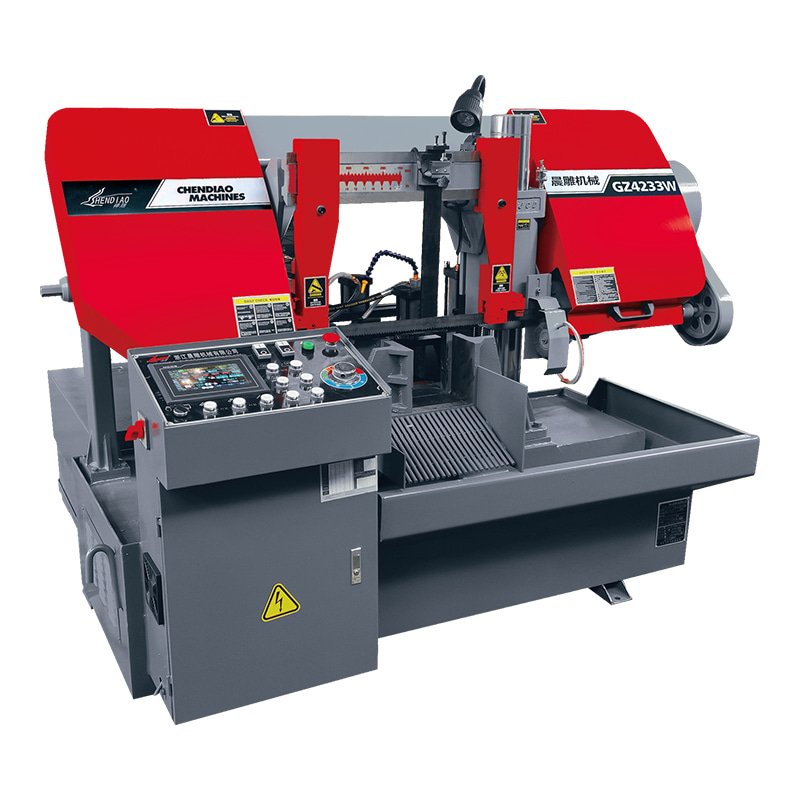
Suitable for sawing and cutting materials into same size in massive qu...
See Details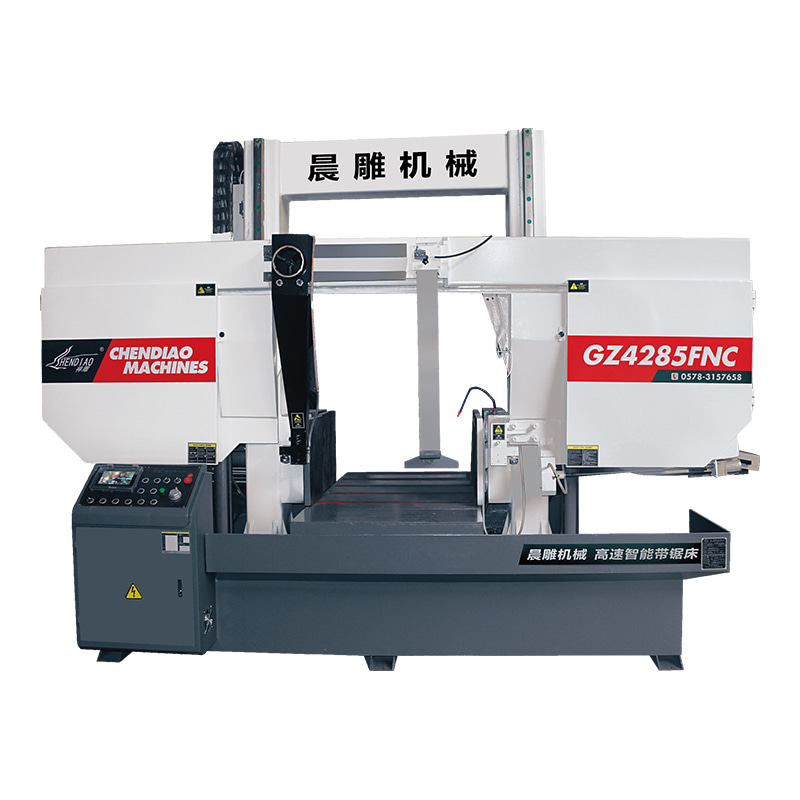
The GZ4285FNC Heavy-Duty High-Speed Intelligent Band Saw For High-Volu...
See Details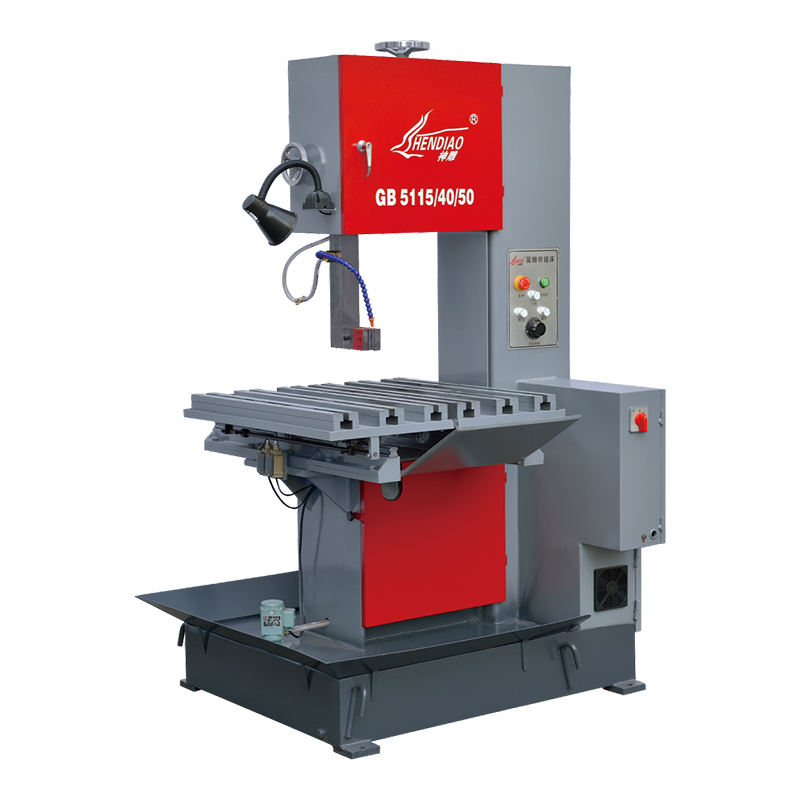
The GB5115/40/50 Manual Vertical Band Sawing Machine handles cutting w...
See Details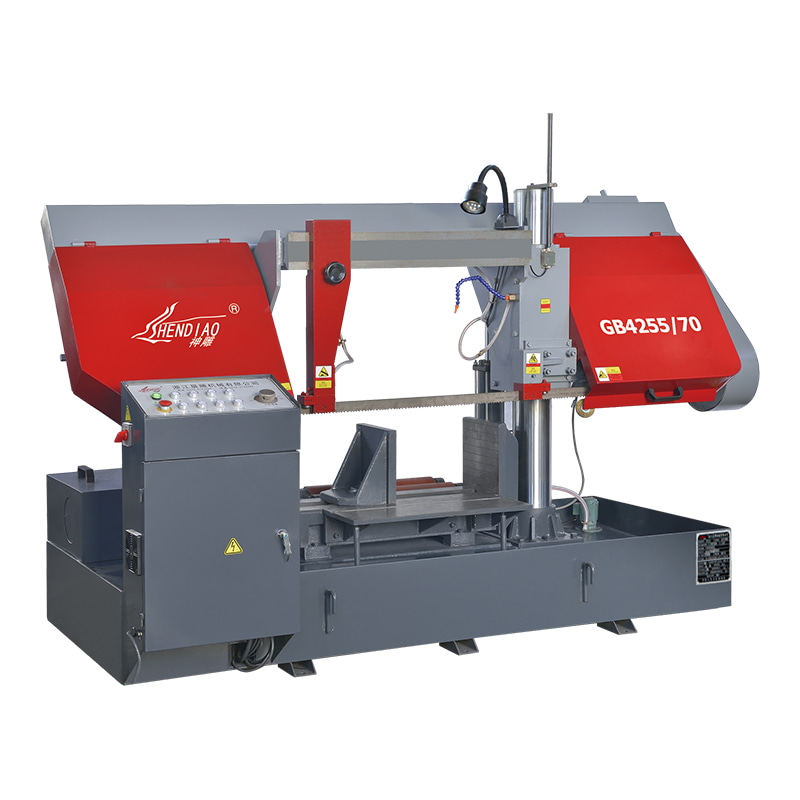
The GB4255/70 Button Chain Feed Double-Cylinder Horizontal Band Metal ...
See Details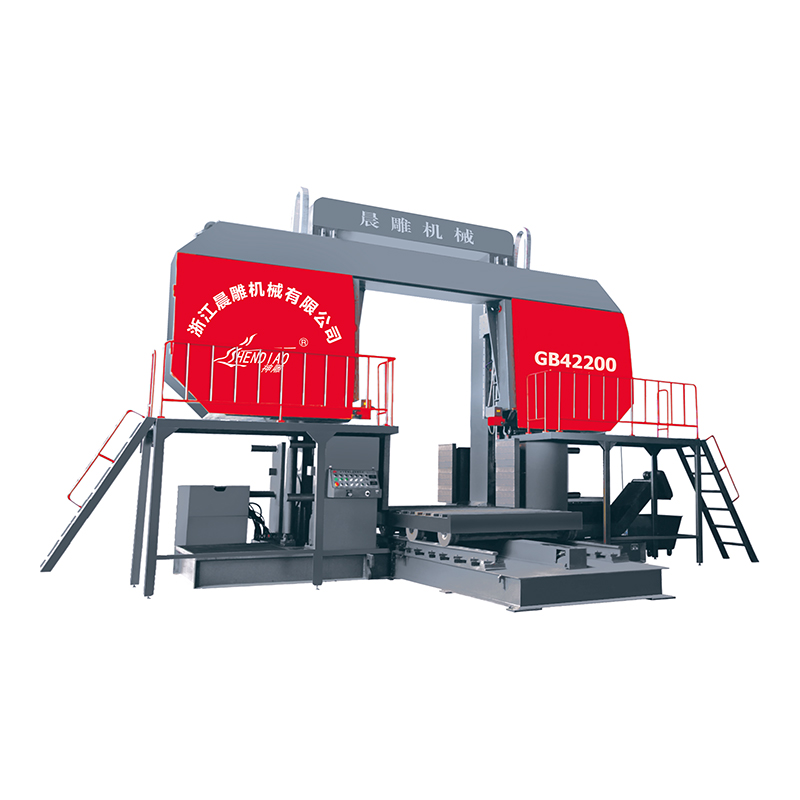
The GB42200 Gantry Type Band Pulley Automatic Feeding Metal Sawing Mac...
See Details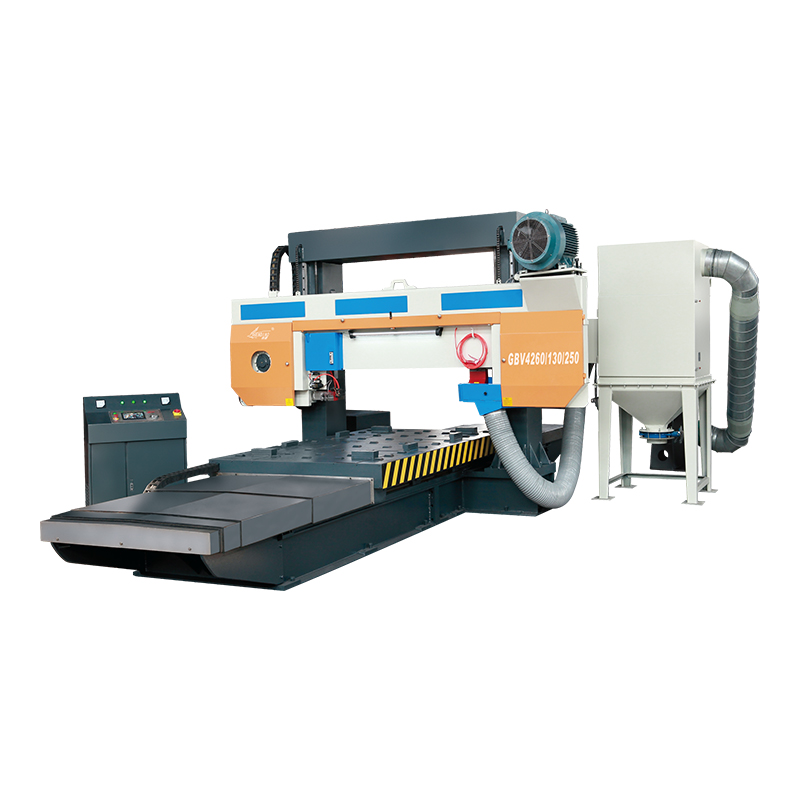
Suitable for cutting large aluminum alloy plates. Saw blade tensioning...
See DetailsCopyright © Zhejiang Chendiao Machinery Co., Ltd. Rights Reserved.
Band Saw Factory

