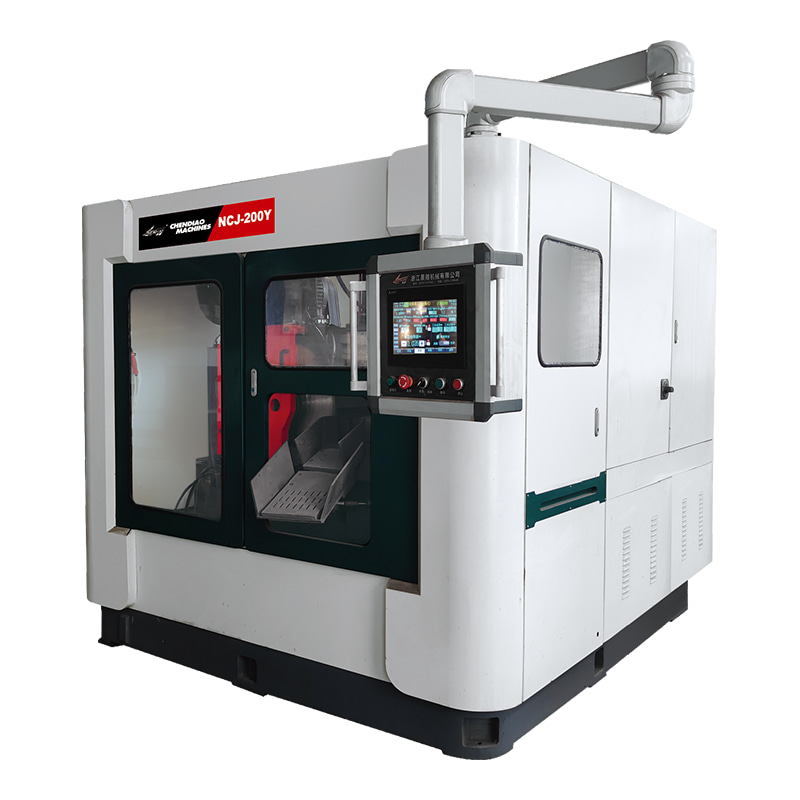
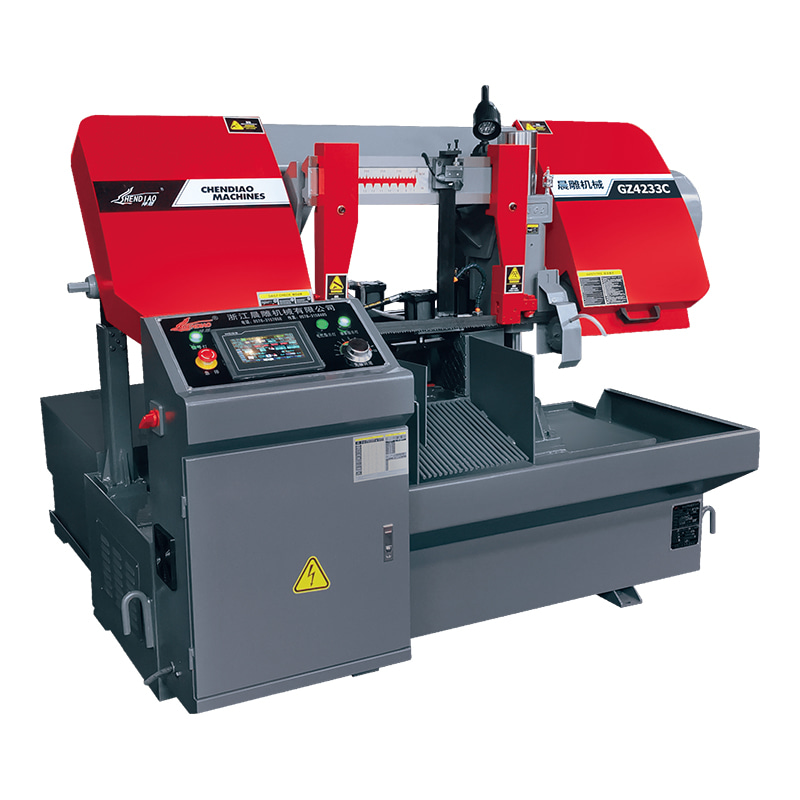
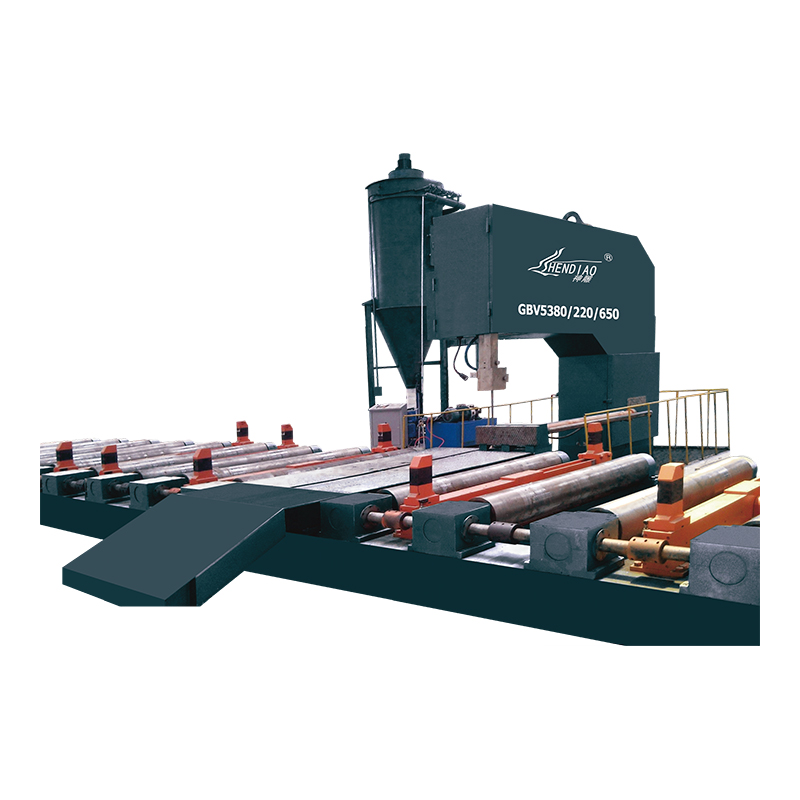
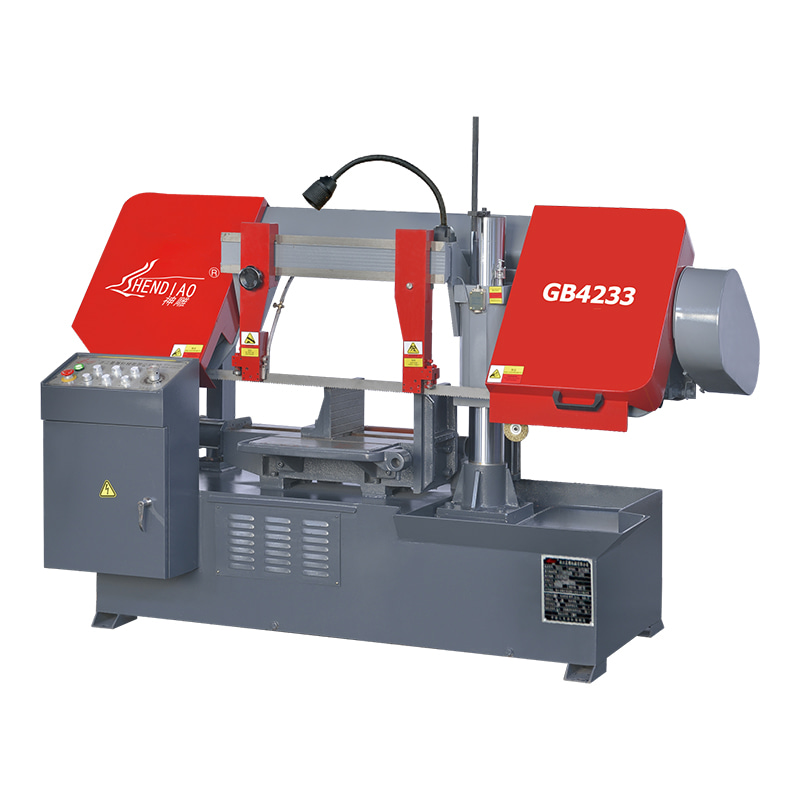
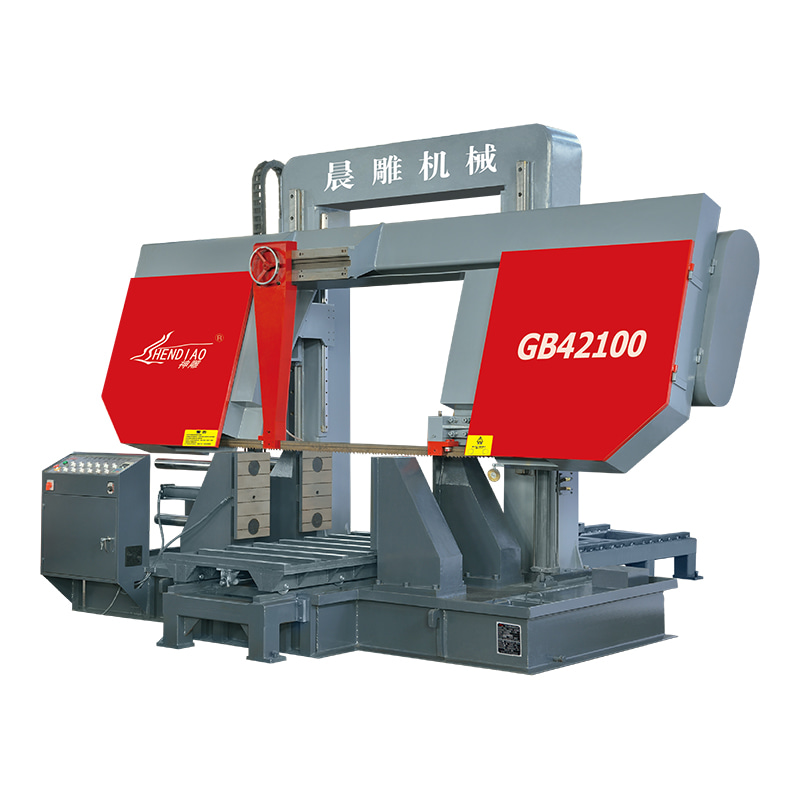
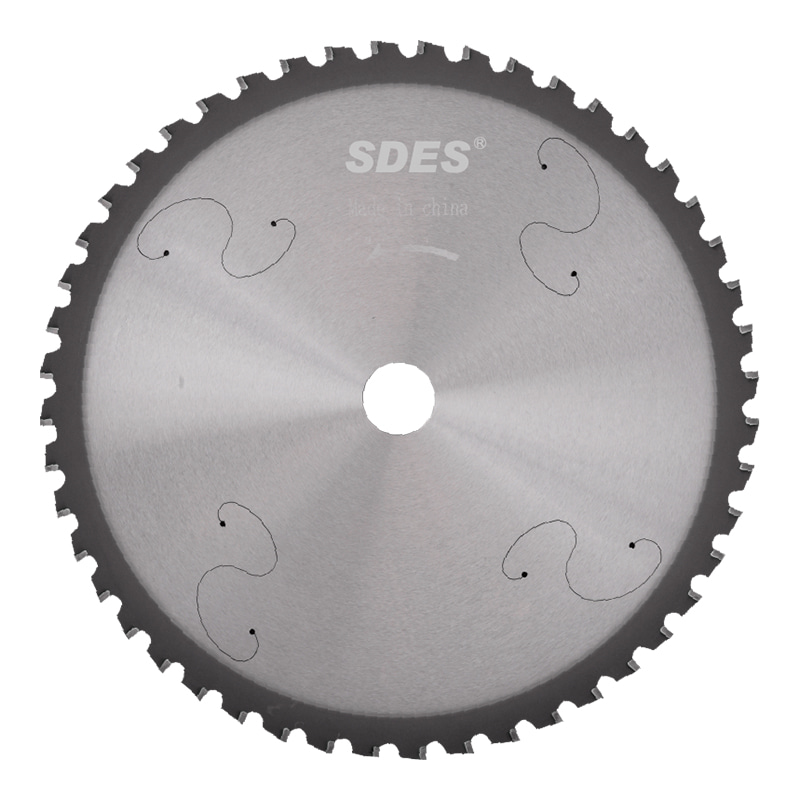
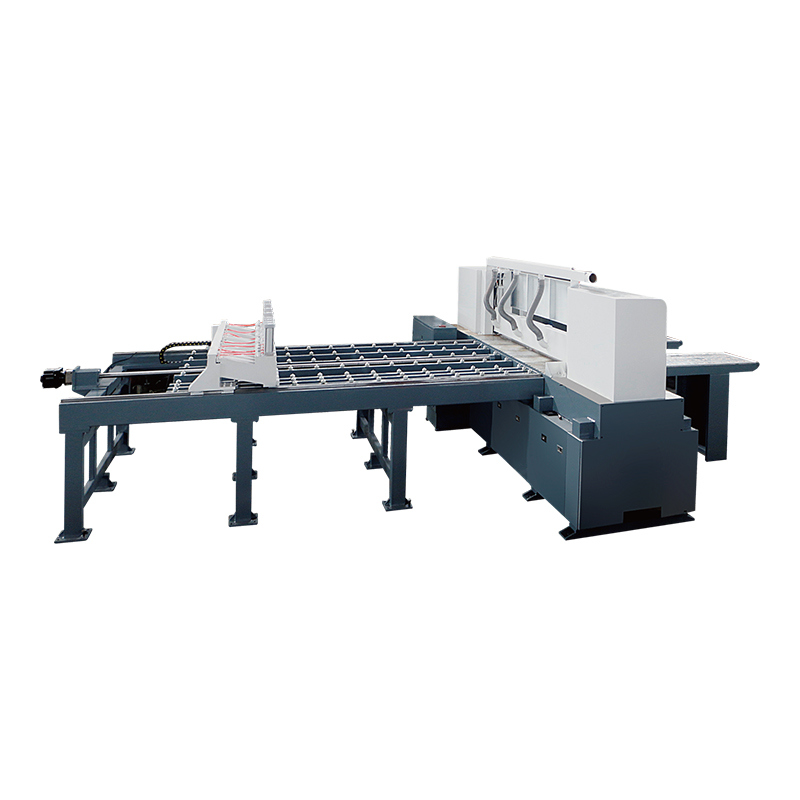
The Aluminum Plate Cutting Circular Saw Machine is widely used in metalworking industries due to its efficiency, precision, and versatility. While these machines are designed primarily for aluminum and other non-ferrous metals, many manufacturers and operators are interested in their performance when cutting high-speed steel (HSS) or hardened steel. Understanding how this type of saw behaves under these conditions is critical for optimizing cutting efficiency, maintaining blade life, and ensuring safety.
Material Considerations
- High-speed steel (HSS): HSS is extremely hard and retains strength at high temperatures, making it challenging for standard circular saws. Cutting HSS requires blades with high hardness, precise tooth geometry, and sufficient cooling.
- Hardened steel: This material has been heat-treated to increase surface hardness, which can significantly increase wear on saw blades and reduce cutting efficiency.
- Thermal conductivity differences: Aluminum is a soft, highly conductive material, whereas HSS and hardened steel are dense and generate more heat during cutting, affecting the saw’s performance.
Blade Requirements and Selection
- Carbide-tipped blades: Essential for cutting HSS and hardened steel, as they maintain cutting edge integrity under high stress and temperature.
- Tooth design: Fine-pitch teeth reduce stress per tooth and improve surface finish. Variable pitch or triple-chip grind designs help manage hard materials.
- Blade speed and feed rate: Slower feed rates prevent overheating and reduce the risk of chipping, while maintaining sufficient cutting speed to avoid burning or work hardening.
Cutting Speed and Efficiency
- Reduced speed for hard metals: Aluminum cutting saws typically operate at high RPMs for soft metals. When cutting HSS or hardened steel, the speed must be reduced to prevent excessive heat and wear.
- Heat management: Continuous cutting generates significant heat, so proper cooling or flood coolant application is necessary to maintain blade life.
- Feed control: Fully automatic feed systems allow precise control, ensuring uniform pressure and avoiding blade deflection.
Machine Rigidity and Performance
- Frame stability: Cutting hardened metals demands a rigid frame to reduce vibration, which can affect accuracy and accelerate blade wear.
- Motor power: Adequate motor power is critical to handle dense, hard materials without stalling or slowing down.
- Spindle and arbor strength: Reinforced components ensure the blade remains stable during high-resistance cuts.
Cooling and Lubrication Requirements
- Flood coolant: Helps remove heat, reduce friction, and extend blade life when cutting HSS or hardened steel.
- Lubricant compatibility: Select coolants that prevent corrosion on both the saw and workpiece, and avoid leaving residue that could affect future cuts.
- Temperature monitoring: Continuous monitoring prevents overheating, which can damage the blade, the machine, and the workpiece.
Maintenance and Blade Life
- Frequent inspection: HSS and hardened steel cuts accelerate blade wear, so periodic checks for dulling or chipping are necessary.
- Blade replacement: Timely replacement ensures cutting accuracy and prevents damage to the machine or workpiece.
- Alignment checks: Regularly verifying blade alignment reduces uneven wear and ensures straight, precise cuts.
Practical Recommendations for Operators
- Preheat precautions: Avoid preheating materials excessively; consistent feed reduces sudden stress.
- Multiple passes: For thicker hardened steel, consider multiple shallow passes rather than attempting a single deep cut.
- Operator training: Skilled operators understand feed control, cooling requirements, and proper blade selection, which is critical for cutting hard metals safely and efficiently.
The Aluminum Plate Cutting Circular Saw Machine can cut high-speed steel and hardened steel effectively if the proper blade, speed, feed, and cooling measures are applied. Performance depends heavily on blade material, machine rigidity, motor power, and operator technique. While aluminum saws are not originally designed for extremely hard metals, careful preparation and adjustments allow satisfactory results. By using carbide-tipped blades, maintaining suitable cooling, and following operating practices, operators can achieve precise cuts while reducing wear and prolonging machine and blade life.



 русский
 Français
 Español