


 русский
 Français
 Español
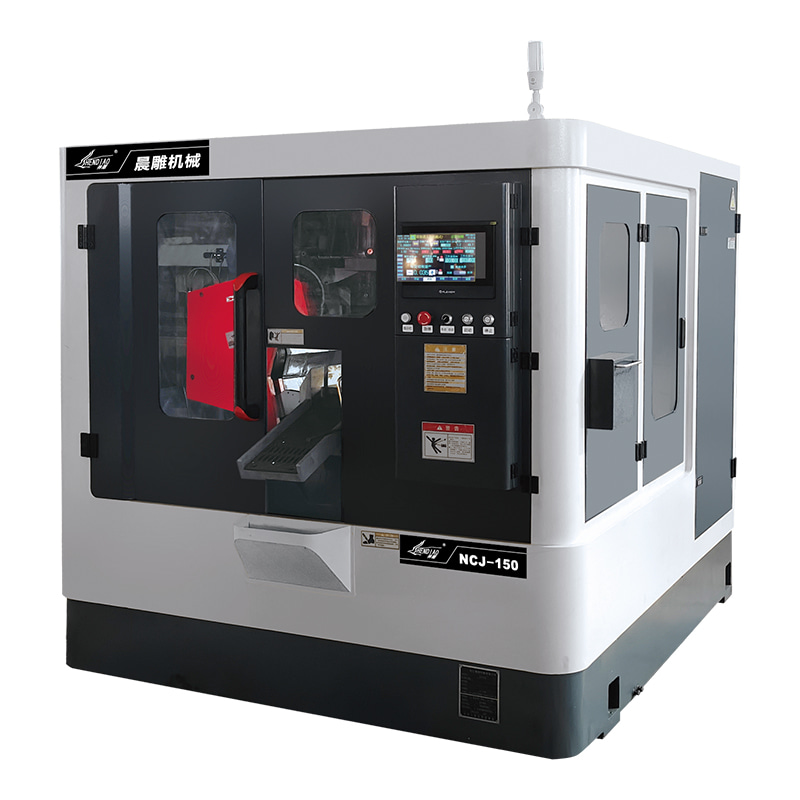
NCJ-150 Fully Automatic High-Speed Metal Circular Saw Machine Steel Rod Blanking Machine Sawing Machine
Cat:Hinged Circular Saw Machine
Highly rigid body structure with advanced clamping device, environment...
See DetailsBurrs are small, unwanted protrusions that form along the edges of metal after cutting. They not only affect the aesthetic quality of the workpiece but can also interfere with assembly, create safety hazards, and increase the need for additional finishing processes. Burr formation is influenced by factors such as material hardness, blade type, feed rate, and cutting speed. In industrial metalworking, reducing burrs is essential for maintaining efficiency and reducing post-processing costs.
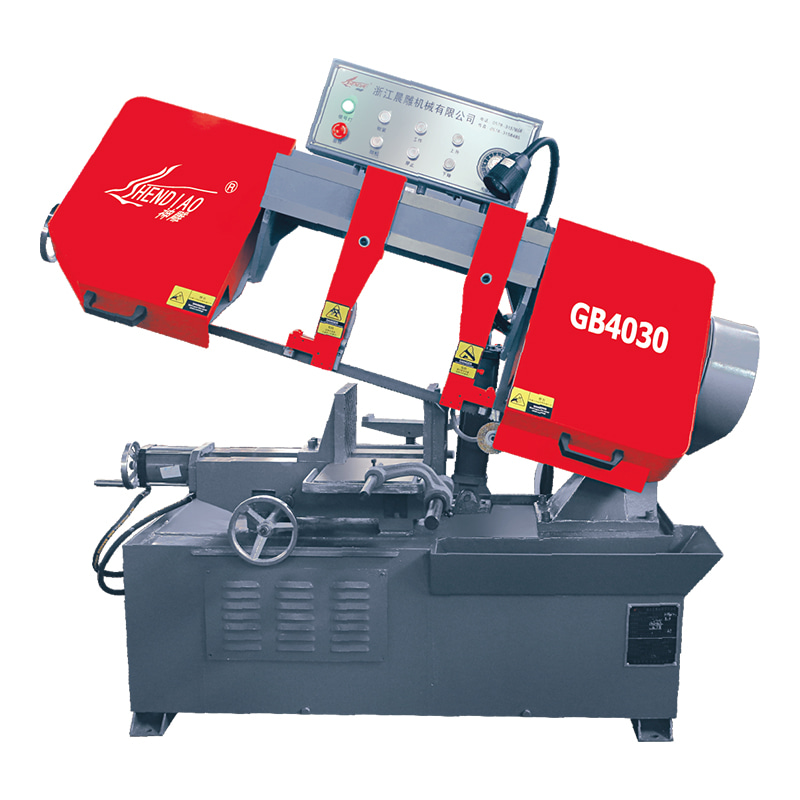
Fully Automatic Metal Cutting Band Saw Machines are designed to optimize cutting precision while reducing manual intervention. These machines use programmable controls to maintain consistent feed rates, blade speed, and cutting angles. By ensuring that the blade engages the material at the correct speed and pressure, these machines can significantly reduce the likelihood of burr formation. Automation also reduces operator errors that can exacerbate burrs, such as uneven pressure or inconsistent blade positioning.
One of the critical factors in burr reduction is blade choice. High-quality, carbide-tipped, or fine-tooth blades are particularly effective at producing clean edges on metals of varying hardness. The number of teeth per inch and tooth geometry directly impact the smoothness of the cut. Regular blade maintenance, including sharpening and proper tensioning, ensures consistent performance. A dull or improperly tensioned blade increases friction and heat, both of which contribute to excessive burr formation.
Adjusting cutting parameters is another key strategy. Slower feed rates and higher blade speeds often result in smoother cuts, especially when working with hard or thick metals. Proper alignment of the workpiece and precise clamping are essential to prevent vibration, which can also cause jagged edges. Many fully automatic machines allow operators to program multiple cutting parameters to match specific materials, ensuring suitable results for both soft and high-strength metals.
The use of lubrication or coolant is highly effective in reducing burrs. Cooling fluids minimize heat buildup, which can deform the metal and increase burr formation. Additionally, lubricants reduce friction between the blade and workpiece, allowing cleaner cuts and prolonging blade life. Fully automatic band saw machines often incorporate integrated coolant systems that deliver consistent flow during the cutting process, ensuring both efficiency and edge quality.
Even with advanced machines, some materials may still develop minor burrs. In such cases, post-cutting finishing techniques such as deburring brushes, tumblers, or automated sanding units can further improve edge quality. The advantage of fully automatic band saw machines is that their precise and consistent cuts reduce the amount of post-processing required, saving time and labor costs.
Fully Automatic Metal Cutting Band Saw Machines are highly effective at reducing burr formation when cutting metal. Key strategies include selecting the proper blade, maintaining suitable feed rates and cutting speeds, applying adequate lubrication, and ensuring precise workpiece alignment. Automation enhances consistency and reduces operator errors, causing smoother edges and less post-processing. By integrating these practices, manufacturers can achieve high-quality metal cuts, improve production efficiency, and extend the lifespan of both the machine and cutting tools.
Highly rigid body structure with advanced clamping device, environment...
See Details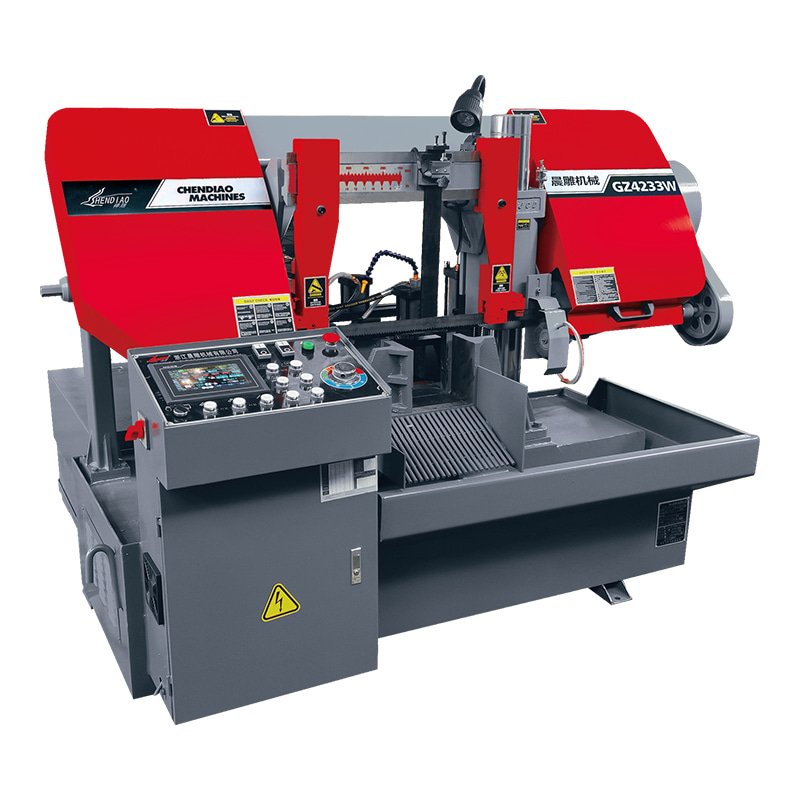
Suitable for sawing and cutting materials into same size in massive qu...
See Details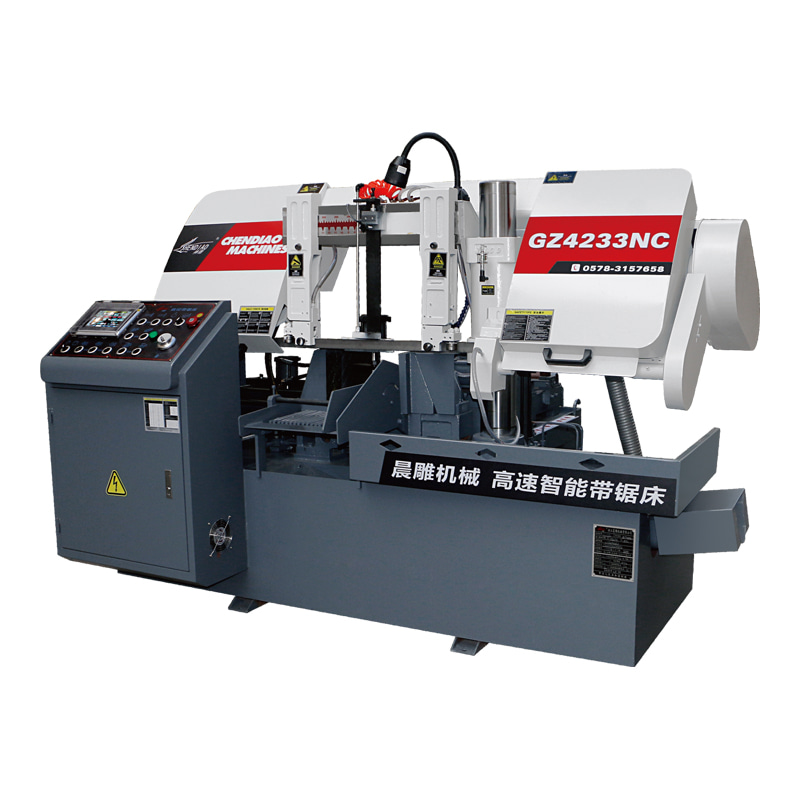
Automatic chip removal device, saw blade hydraulic tensioning device, ...
See Details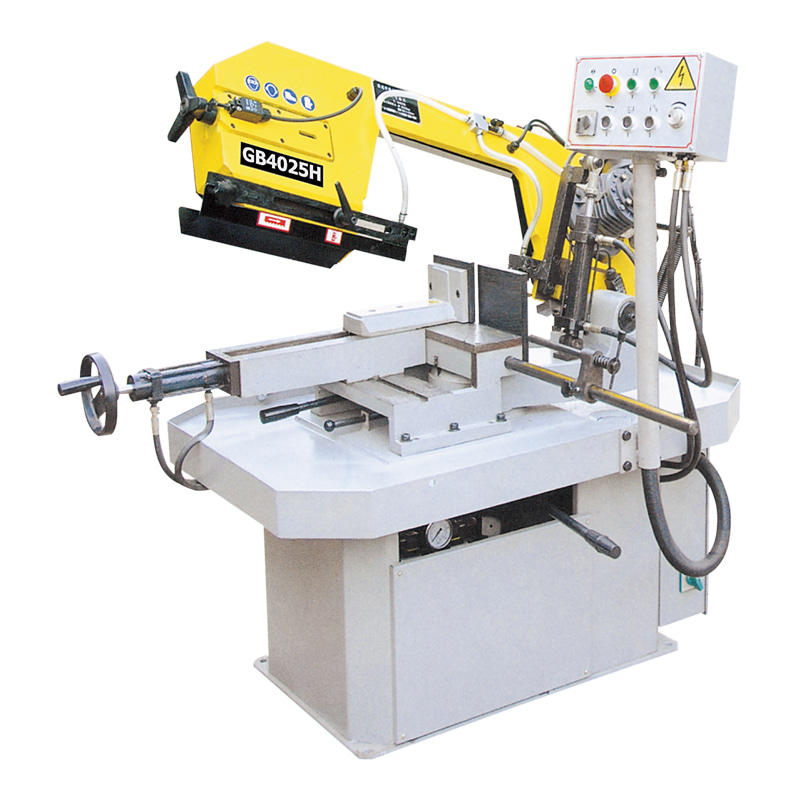
The GB4025H is a great choice,if you need a reliable saw for tackling ...
See Details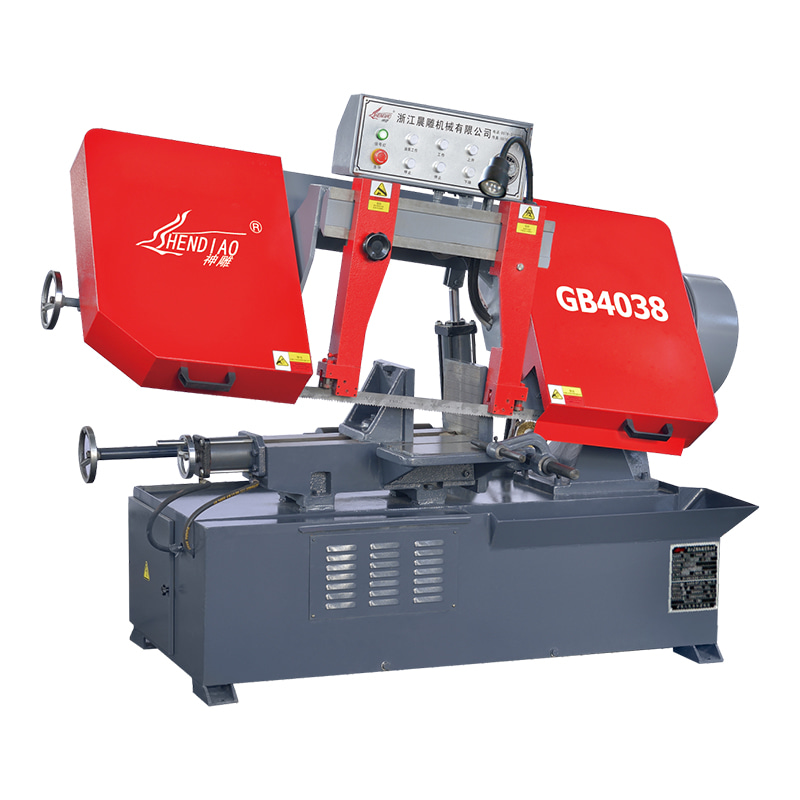
Can be customized: The equipment can be varied according to the fast f...
See Details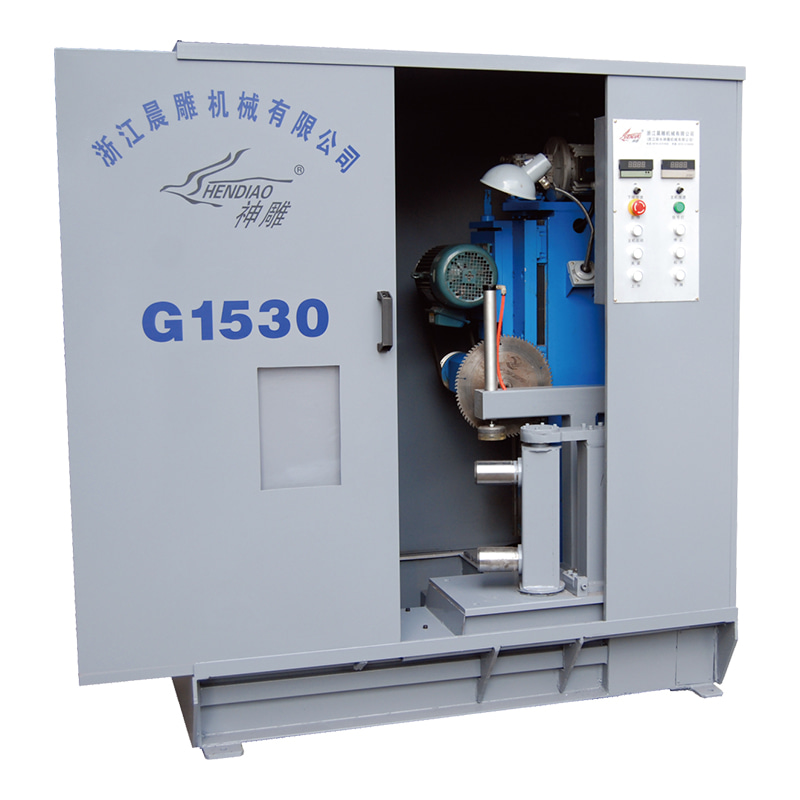
Special saw for cutting aluminum material of automotive engine. Liftin...
See DetailsCopyright © Zhejiang Chendiao Machinery Co., Ltd. Rights Reserved.
Band Saw Factory

