


 русский
 Français
 Español
NCJ-100 Bar Automatic Turning And Feeding Sawing 40-100mm Circular Saw Machine
Cat:Hinged Circular Saw Machine
In order to better meet customer needs, we have introduced an advanced...
See DetailsCNC Intelligent Metal Cutting Band Saw Machines have revolutionized metalworking by combining precision, automation, and efficiency. These machines are widely used in industries ranging from aerospace to heavy machinery manufacturing. One of the critical choices when selecting a machine is the type of drive system: hydraulic or electric. Understanding the differences between these systems is essential for optimizing performance, reducing maintenance costs, and ensuring consistent cutting quality.
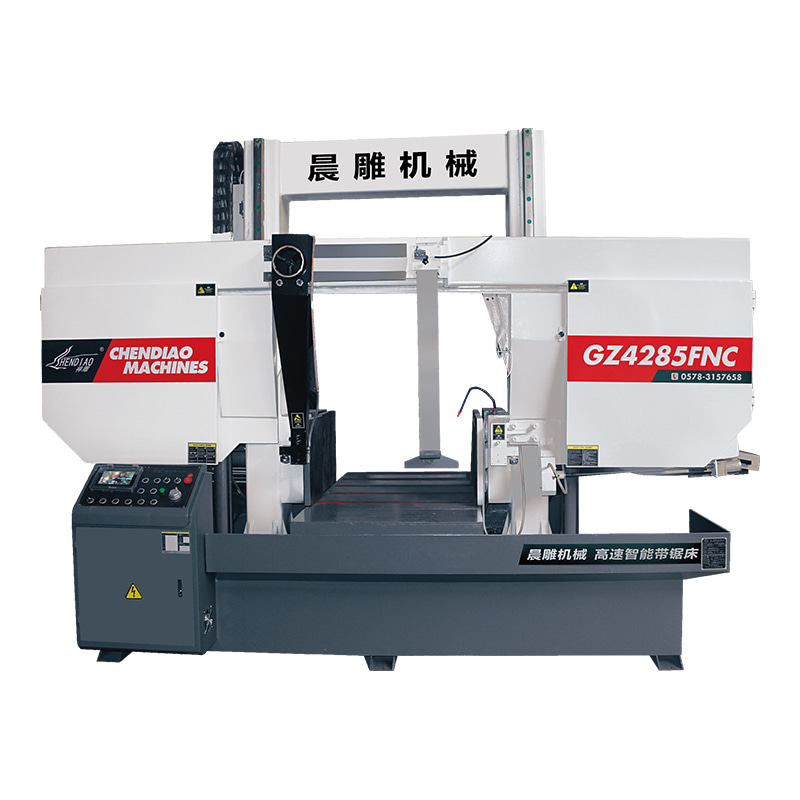
Hydraulically-driven CNC band saw machines use fluid pressure to power the cutting motion. One of the main advantages of hydraulic systems is their ability to deliver consistent force, even under heavy loads or during prolonged operation. This makes hydraulic drives particularly suitable for cutting thick or tough metal sections, as they maintain steady speed and torque without stalling. Additionally, hydraulic systems provide smooth and precise blade feed control, reducing vibrations and ensuring cleaner cuts. Many industrial facilities prefer hydraulics for high-volume or continuous cutting operations because of their durability and capacity to handle demanding workloads.
Electric-driven band saw machines, on the other hand, rely on motors to power the cutting mechanism directly. These machines are generally easier to maintain because they have fewer components susceptible to leaks or fluid contamination. Electric drives offer precise speed control and rapid acceleration, which can enhance cutting efficiency and reduce cycle times. They are also more energy-efficient in many cases, as they do not require constant hydraulic pump operation. Electric-driven systems are often favored in smaller workshops or production lines where ease of maintenance and lower energy consumption are critical factors.
When deciding between hydraulic and electric drives, performance requirements play a decisive role. Hydraulic drives excel in applications requiring high cutting force and smooth feed control, particularly when working with dense metals like stainless steel or high-strength alloys. Electric drives, while capable of precise cuts, may struggle under bad loads unless the machine is specifically designed with a powerful motor. It is essential to match the drive type to the material, thickness, and production volume to achieve suitable results.
Maintenance is another key factor in the decision-making process. Hydraulic systems require regular inspection of fluid levels, seals, and pumps, and any leaks can cause downtime. However, they often have longer service life for heavy-duty applications. Electric drives typically need less maintenance and are simpler to troubleshoot, but motor wear and electrical issues can arise over time. Cost considerations include not only initial purchase price but also long-term energy consumption and maintenance expenses, which can vary significantly between hydraulic and electric systems.
Ultimately, the choice between hydraulic and electric drives depends on the specific production requirements. Facilities with heavy-duty, continuous cutting operations may benefit more from a hydraulic CNC Intelligent Metal Cutting Band Saw Machine, while shops prioritizing efficiency, lower maintenance, and energy savings may prefer electric drives. Some modern machines even combine both technologies, offering hybrid systems that leverage the advantages of each to deliver performance and versatility.
Both hydraulic and electric drives offer distinct advantages for CNC Intelligent Metal Cutting Band Saw Machines. Hydraulic systems provide steady power, smooth feed, and suitability for heavy-duty cutting, while electric drives deliver precision, energy efficiency, and easier maintenance. Understanding the material, workload, and operational priorities is essential when selecting the right drive system. By evaluating these factors carefully, manufacturers can ensure that their investment improves productivity, reduces downtime, and achieves consistent cutting quality in demanding metalworking environments.
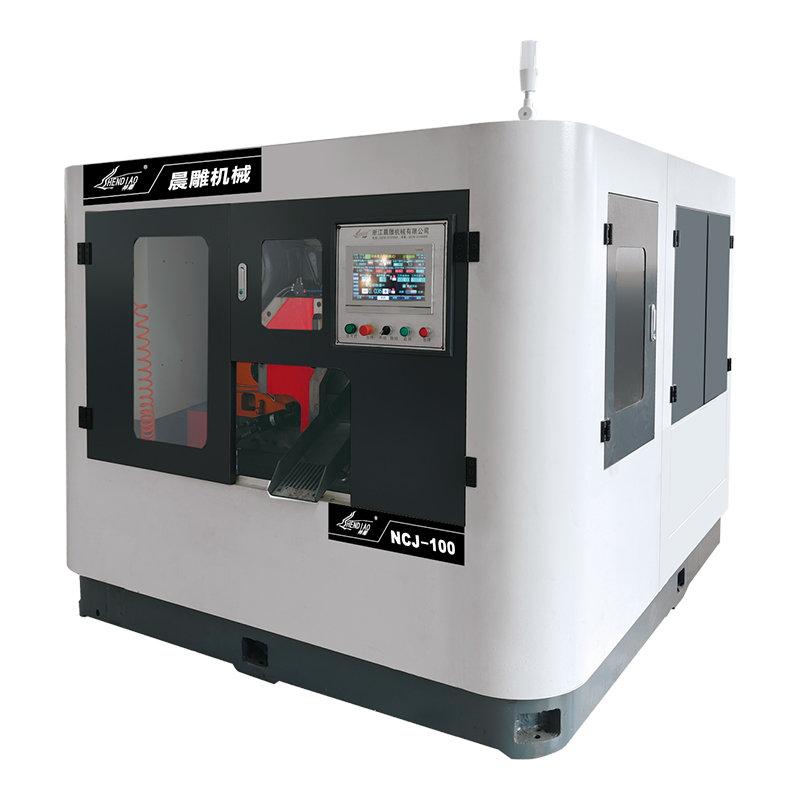
In order to better meet customer needs, we have introduced an advanced...
See Details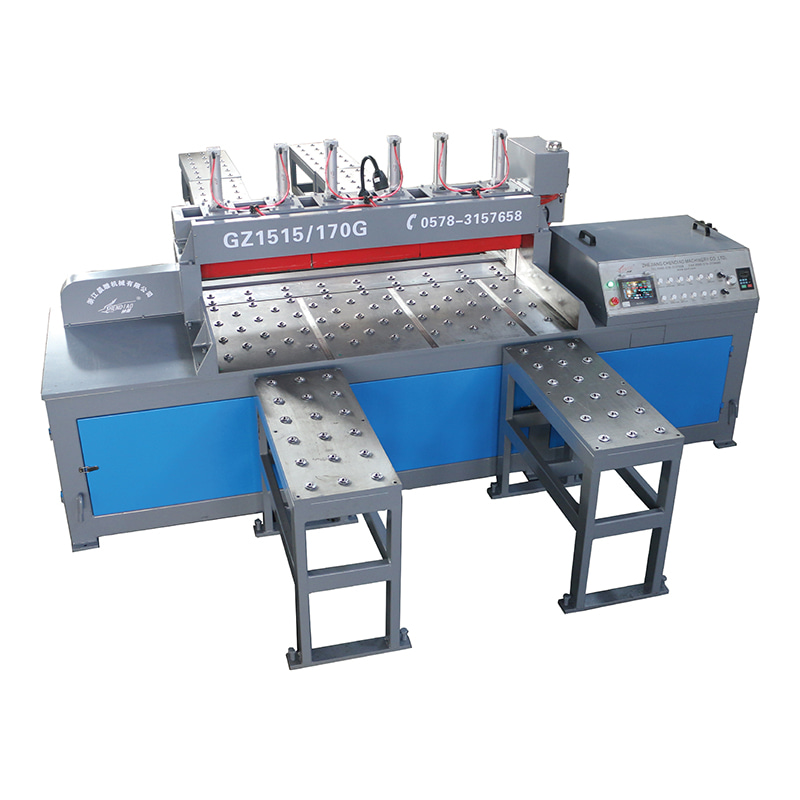
Suitable for cutting aluminum alloy plate, high efficiency (3 times of...
See Details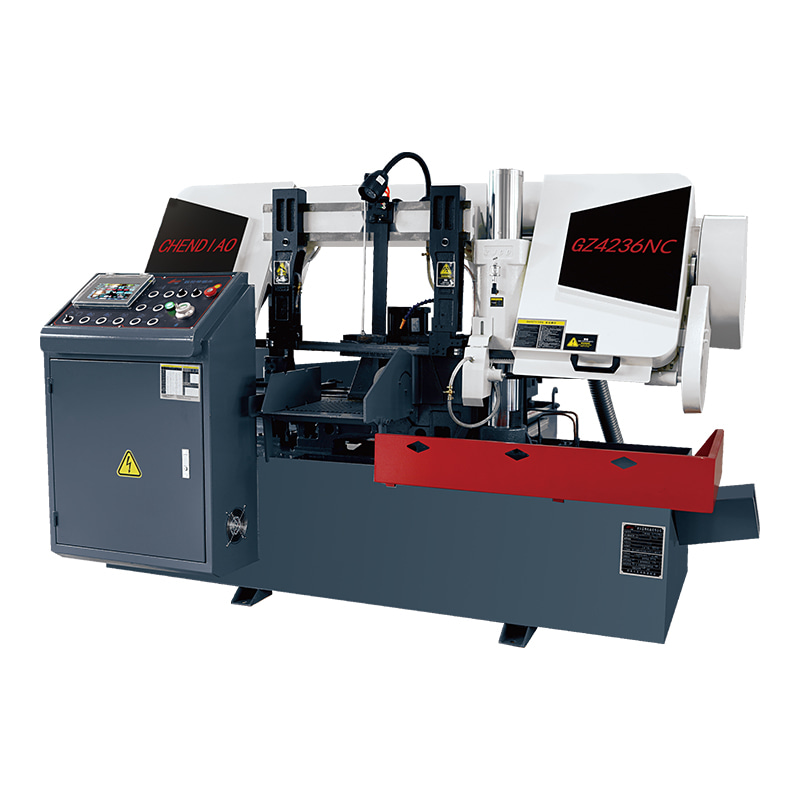
Suitable for sawing and cutting materials into same-size in massive qu...
See Details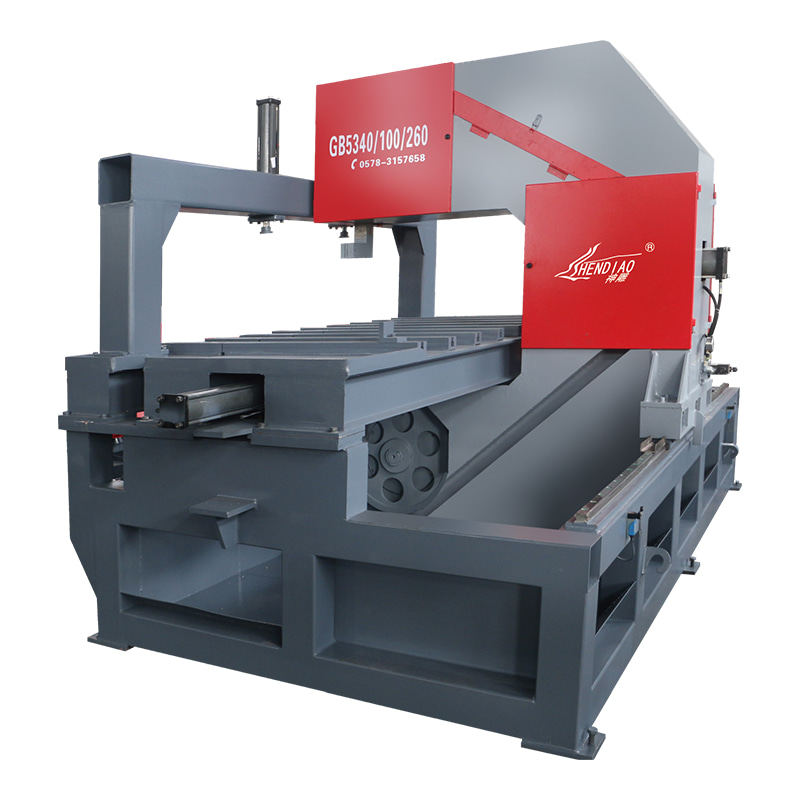
The GB5340/100/260 Gantry Pressed Plate Cutting Vertical Band Sawing M...
See Details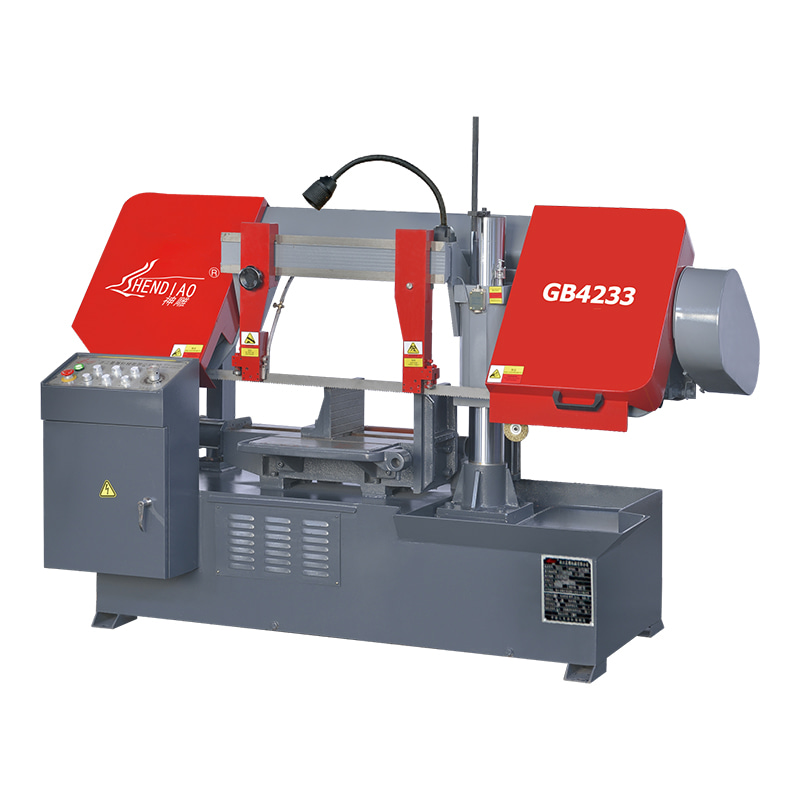
The GB4233 Double-Cylinder Horizontal Band Metal Sawing Machine comes ...
See Details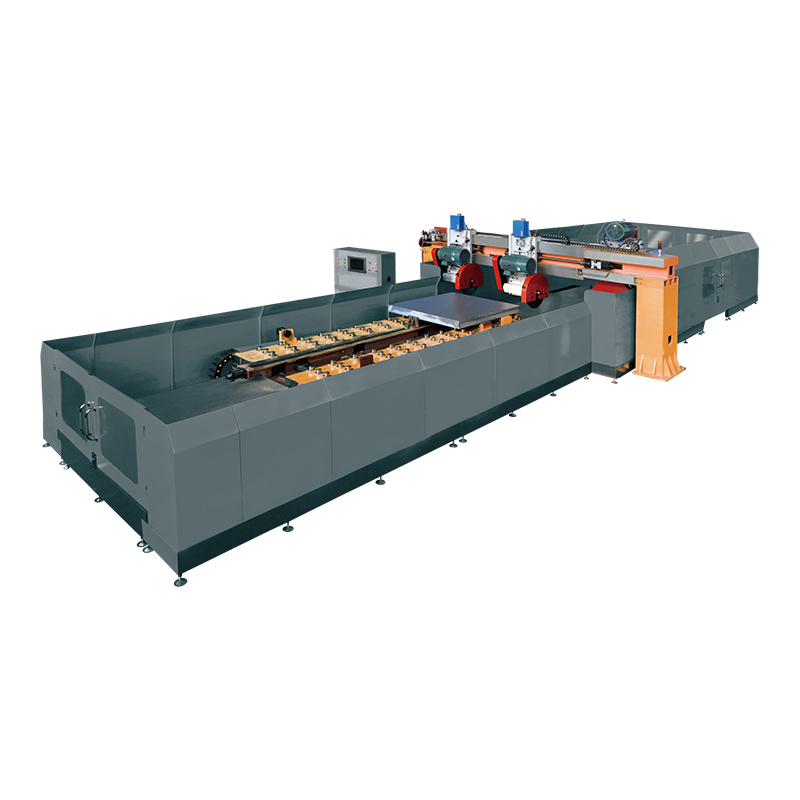
The GBV15/200/400 Large Aluminum Ingot Peripheral Cutting Machine is d...
See DetailsCopyright © Zhejiang Chendiao Machinery Co., Ltd. Rights Reserved.
Band Saw Factory

