


 русский
 Français
 Español
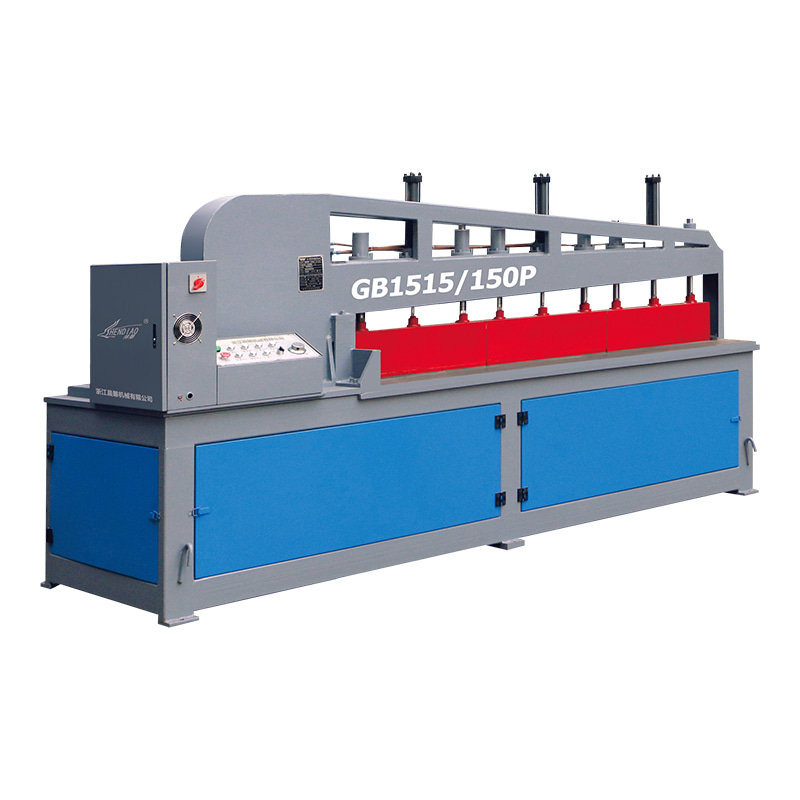
GB1515/150P Hydraulic Feed High Efficiency Semi-Automatic Aluminum Plate Circular Saw
Cat:Circular Saw
Suitable for cutting aluminum alloy sheet, high efficiency (3 times mo...
See DetailsA Metal Band Saw Machine looks simple at work. The blade moves through a bar, tube or plate and leaves a cut that readies the material for the next stage. Behind that motion, several details shape the result: blade condition, material type, workpiece support and coolant supply.
Coolant often gets treated as routine. Its job goes beyond keeping the cutting area wet. The fluid carries away heat, cuts friction and flushes chips off the blade. With the right product, it also protects certain machine components from corrosion.
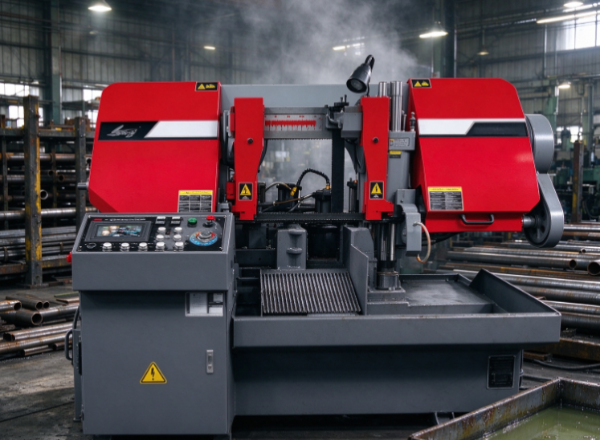
When flow weakens or the fluid breaks down, the effects creep in. The blade wears faster, the cut surface turns rough or chips pile up around the cutting area. Production stalls and maintenance work grows.
Knowing how coolant works helps operators make better calls during daily production. It also gives manufacturers a clearer basis for choosing the fluid, checking the delivery system and keeping the saw in good working condition.
Cutting metal makes heat. The blade teeth rub against the workpiece, and friction builds around the cutting area. Some heat flows into the metal, and some stays near the blade.
Too much heat hurts the process in several ways. It speeds up blade wear, changes the condition of the cutting edge and alters the workpiece surface. When a part needs tight control over its final shape, heat can also cause dimensional changes.
Coolant pulls heat away from the spot where blade meets metal. When fluid reaches that spot consistently, cutting stays more stable and heat doesn't build up needlessly.
The result depends on the material. Aluminum moves heat differently from stainless steel, and some alloy steels fight the cut harder. A coolant setup that works for one job needs a second look when the workshop changes materials.
Good delivery takes more than a full reservoir. The fluid has to reach the actual cutting point. Blocked outlets, damaged hoses or poor flow direction leave the blade under-covered.
When heat problems show up, check these things:
Coolant can't fix every cutting problem. A worn blade or poor operating conditions still generate too much heat. The fluid works better as part of a sound cutting setup, not as a stand-in for proper machine operation.
A band saw blade wears a little with every cut. The rate depends on the material, blade design, cutting conditions and how the machine is run. Coolant is one factor in how long the blade stays useful.
Suitable coolant cuts friction and keeps heat down around the teeth. That eases stress on the cutting edge and helps the blade hold its cutting ability in normal operation.
Without enough coolant, the blade runs hotter than it should. Heat and friction speed up wear, especially on materials that are hard on the teeth. As the blade changes, operators notice slower cutting, uneven surfaces or a different sound from the machine.
Coolant alone doesn't set blade life, though. A blade made for one metal performs poorly on another. Material hardness, tooth design, blade tension and workpiece stability all play a part.
A few habits reduce needless blade wear:
Watch the coolant's condition too. Fine metal particles and other contaminants collect in the fluid as it's used. Once the fluid gets dirty or breaks down, performance drops. Regular inspection catches changes before they cause more trouble.
Replacing blades is a normal part of production. The goal isn't to keep one blade running forever. It's to use it properly and avoid wear that better operation would have prevented.
As the blade passes through a workpiece, its teeth cut off small pieces of metal. Those chips need to leave the cutting area. If they stay around the teeth, they get in the blade's way and hurt the cut.
Coolant carries loose chips away from the contact area. Depending on the machine design, the fluid moves debris toward a collection area or a filtration system. The cutting zone stays clearer, and the blade and workpiece are easier to watch.
Chips vary with the material. Some metals give short, broken chips. Others make long strands that wrap around the workpiece or collect near the blade. Coolant flow has to suit the cutting process and the way the machine handles debris.
Chip buildup causes several problems:
Chip shape and volume tell you how the coolant is doing. If debris keeps collecting despite an active fluid supply, look at flow direction, a blocked outlet or the machine's chip collection arrangement.
Coolant doesn't end routine cleaning. Larger pieces and accumulated debris still need clearing under the approved maintenance procedure. Stop and secure the machine before cleaning. Never reach toward a moving blade to pull out chips.
A clean cutting area makes it easier to spot unusual wear, check the workpiece and keep the workshop orderly.
Cooling and lubrication are close relatives with different jobs. Cooling takes heat out of the cutting zone. Lubrication reduces friction between surfaces that touch during cutting.
Many metalworking fluids do both, though their properties vary. The right choice depends on the metal, the cutting operation and the machine's requirements.
During band saw cutting, the teeth press into the workpiece as they remove material. Some friction is unavoidable. Too much friction raises heat and puts extra load on the cutting edge.
A suitable lubricant lets the blade move through the material with less needless resistance. It also reduces the tendency of some metals to stick to the cutting edge. That matters when a material leaves built-up deposits on the teeth, which disturb cutting and spoil the finished surface.
The main functions compare as follows:
| Function | Role in band saw cutting | Possible effect when poorly managed |
|---|---|---|
| Cooling | Carries heat away from the cutting area | Excessive heat and faster blade wear |
| Lubrication | Reduces friction between the blade and workpiece | Increased resistance and wear |
| Chip transport | Helps move loose chips away from the blade | Chip buildup and surface damage |
| Fluid protection | May help protect compatible machine parts from corrosion | Greater risk of corrosion if protection is inadequate |
Coolants don't all balance cooling and lubrication the same way. Some are made for particular materials or applications. The wrong fluid cuts performance or clashes with machine components.
Check the fluid supplier's guidance and the machine manufacturer's requirements before switching products. Mixing different fluids without confirming compatibility also hurts performance.
Pick a fluid that suits the whole cutting process. Cooling matters, and so do lubrication, chip removal, equipment compatibility and safe handling.
The cut surface tells you a lot about a band saw operation. A clean, even cut means the blade and setup are doing their job. Rough marks, scratches or an inconsistent surface point to something in the process that needs attention.
Coolant shapes surface quality by managing heat and friction. It also carries chips away from the blade. When chips stay in the cutting area, they get trapped between teeth and workpiece and leave marks.
Coolant doesn't control surface quality alone. A damaged blade, the wrong tooth design or an unstable workpiece causes problems even when the fluid supply works fine.
These are common causes:
| Cutting issue | Possible cause | What to inspect |
|---|---|---|
| Rough cut surface | Worn blade, unsuitable blade choice, or poor cutting conditions | Blade teeth and operating setup |
| Scratches near the cut | Chips trapped against the workpiece | Coolant flow and chip removal |
| Uneven cutting marks | Vibration or unstable workpiece support | Clamping and machine condition |
| Faster blade wear | Excessive heat, unsuitable tooling, or poor lubrication | Coolant supply, blade selection, and cutting process |
Check coolant delivery whenever surface problems appear. Fluid can sit in the reservoir and still miss the cutting point because of a blocked outlet or poor positioning.
Fluid condition counts as well. Contamination lowers its usefulness and affects the delivery system. Regular checks catch problems before they become routine.
When the cut surface changes, don't blame the coolant by default. Examine the blade, workpiece support, material and fluid supply together. That gives a clearer picture of what needs adjusting.
Coolant problems rarely show up as a total system failure. The flow weakens, the fluid gets contaminated or the product doesn't suit the material being cut. Cutting performance slips bit by bit.
A low coolant level means the system can't supply enough fluid. Blocked outlets, damaged hoses or pump trouble also interrupt delivery. If the blade gets too little coolant, heat and friction climb around the cutting area.
Fluid quality is another worry. Metal particles, dirt and other contaminants collect during normal use. Over time they hurt fluid performance or clog parts of the delivery system. Some products also break down if stored or handled wrongly.
The wrong fluid creates its own issues. A product made for another machining process may not give the cooling or lubrication you need. It may also clash with certain machine components or materials.
Topping up doesn't automatically solve these problems. What counts is whether the coolant is suitable, clean enough to keep using and delivered to the right place.
When coolant performance changes, check:
The right response depends on the cause. A blocked outlet needs cleaning, while contaminated or deteriorated fluid needs treatment or replacement under the supplier's instructions.
Don't carry on with normal production if the coolant system is failing in a way that threatens safe operation or damages the equipment. Handle the machine under its operating and maintenance procedures.
Different metals put different demands on a band saw blade and its coolant system. Hardness, heat behavior, chip formation and surface requirements all affect the choice.
The fluid has to match the material and the cutting task. It also has to be compatible with the machine, seals and other components it touches. The manufacturer's instructions are the starting point.
The table below outlines general considerations for common materials.
| Material | Cutting consideration | Coolant consideration |
|---|---|---|
| Carbon steel | Common in general fabrication and component production | Support heat control, lubrication, and chip removal |
| Stainless steel | Some grades create greater cutting resistance and retain heat near the cutting area | Check that the fluid suits the material and cutting conditions |
| Aluminum alloys | Certain grades can produce sticky chips or material buildup on the teeth | Confirm compatibility and support clean cutting |
| Copper and brass | Cutting behavior varies with the alloy and workpiece condition | Choose a fluid suited to the specific material and surface requirements |
| Alloy steel | Properties vary with grade and heat treatment | Match fluid selection to the material and intended operation |
These are general guidelines. They don't replace material-specific instructions. Two metals in the same broad category can cut quite differently.
Workshops that process several materials need clear coolant procedures. Operators must know which product is approved for each task, how to check its condition and what to do when the material changes.
Manage coolant with workplace safety in mind. Staff review the product's safety information, wear suitable protective equipment and follow the required storage and disposal procedures. Clean up spills promptly, since they create a slipping hazard.
A careful selection process stops the assumption that one fluid fits every metal and every machine.
A coolant system needs routine attention to keep working. Skip regular checks and contamination, leaks or blockages go unnoticed until cutting performance changes.
Daily inspection is simple. Check the fluid level, look for visible contamination and confirm that coolant reaches the cutting area. Report any unusual change and investigate it under the machine's maintenance procedures.
Look after the reservoir and collection area too. Remove metal chips and other debris with approved methods. If the machine has a filtration or chip separation system, check its condition following the manufacturer's instructions.
Inspect hoses, pumps, outlets and filters for damage or blockage. A leak lowers the fluid level, and a restricted outlet blocks adequate flow even when the reservoir is full.
A practical maintenance checklist includes:
Coolant handling affects employee safety. Avoid needless skin contact and follow the product's protective equipment guidance. Do maintenance only after the machine has been stopped and secured as required.
Handle and dispose of used coolant according to the product instructions and local requirements. Check the relevant rules before pouring anything away.
Consistent care keeps the coolant supply reliable and the cutting area clean. It also lets operators catch small problems before they interfere with production.
Suitable for cutting aluminum alloy sheet, high efficiency (3 times mo...
See Details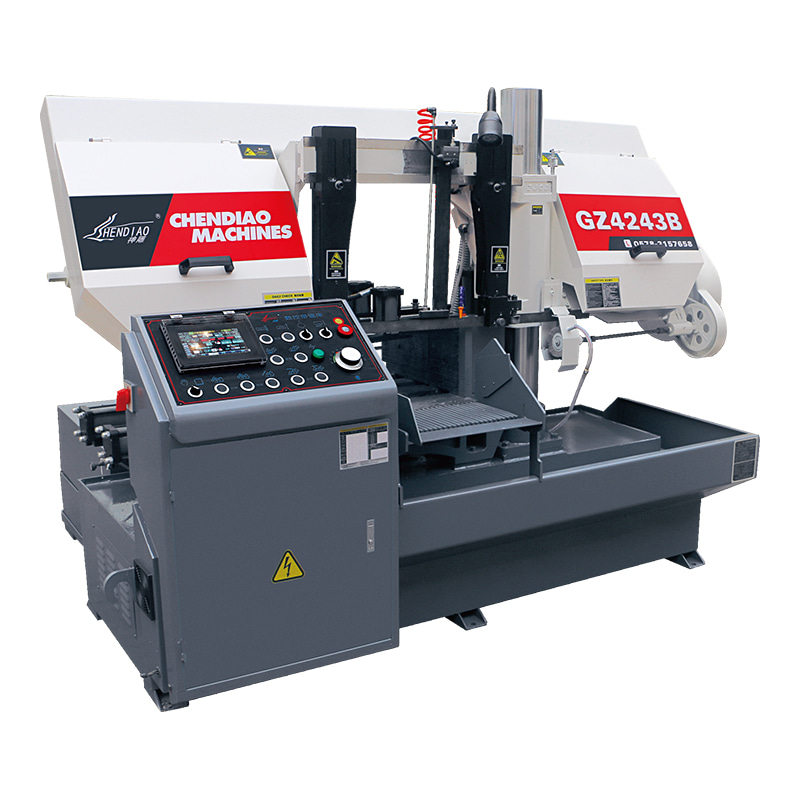
Suitable for sawing and cutting materials into the same size in massiv...
See Details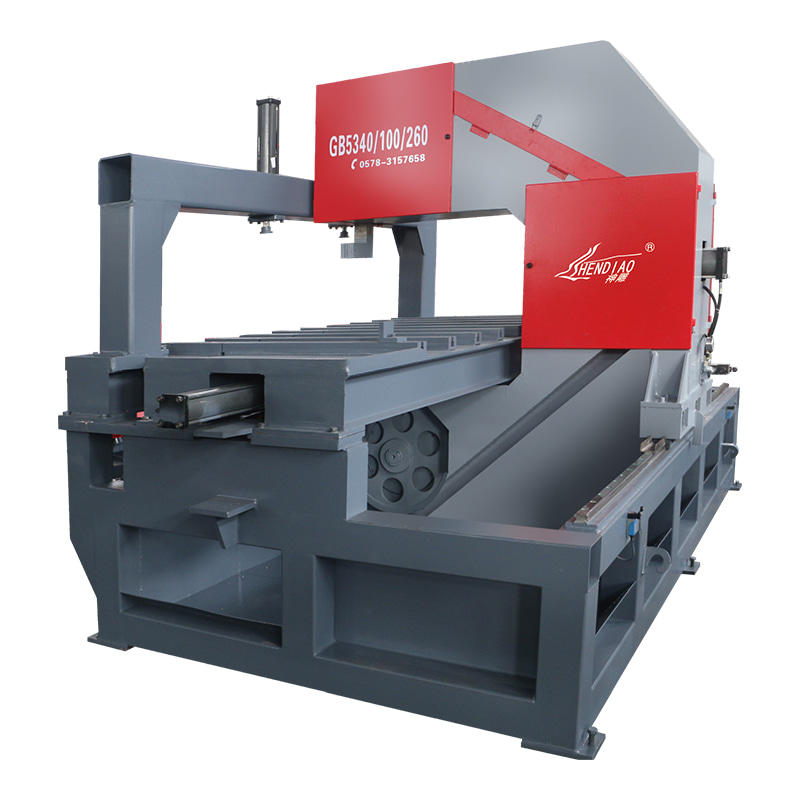
The GB5340/100/260 Gantry Pressed Plate Cutting Vertical Band Sawing M...
See Details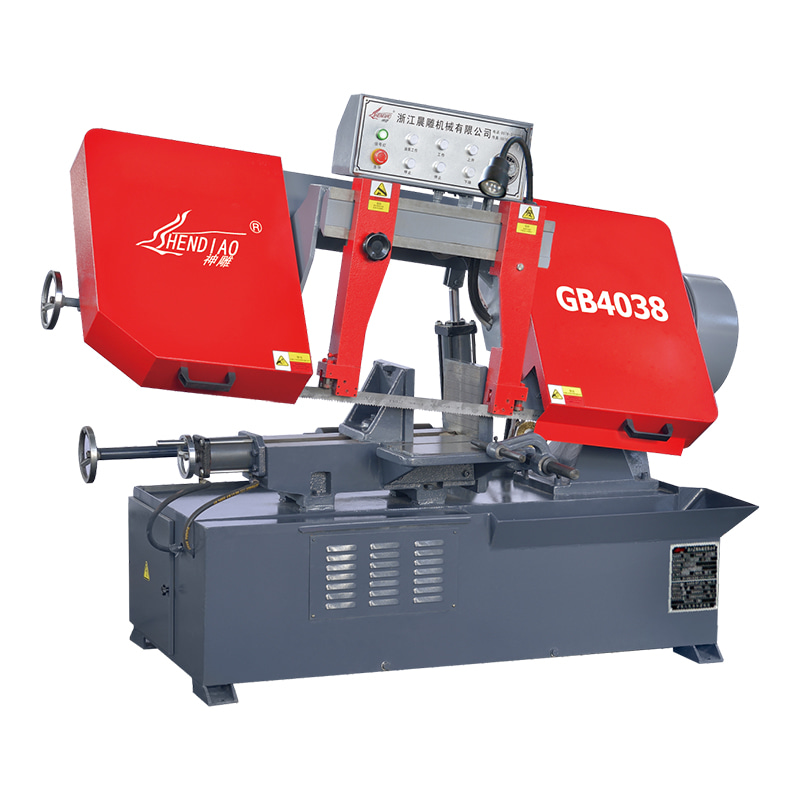
Can be customized: The equipment can be varied according to the fast f...
See Details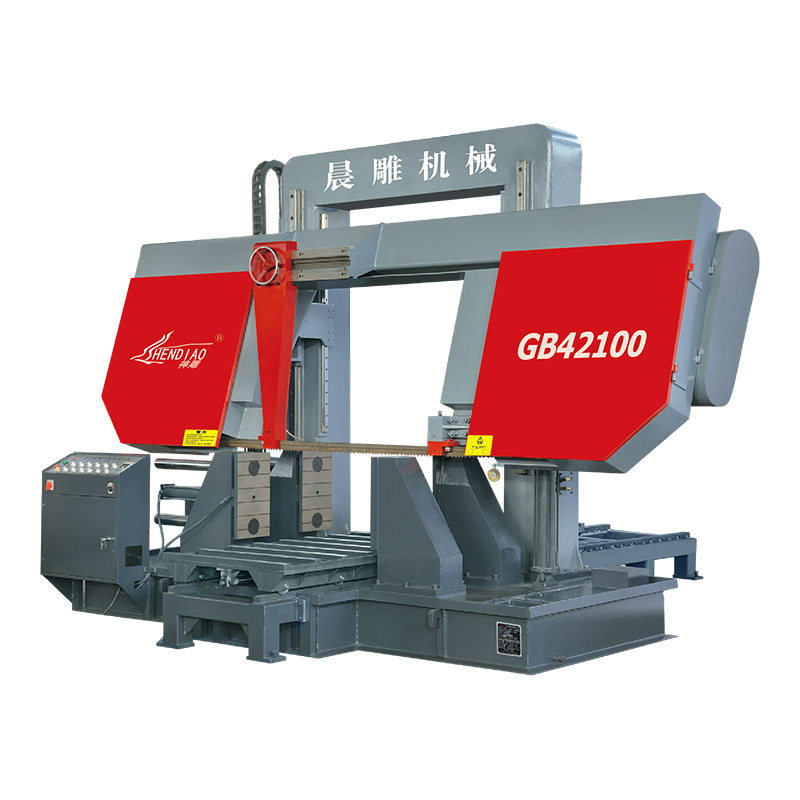
The GB42100 Slide Type Double Guide Gantry Type Band Metal Sawing Mach...
See Details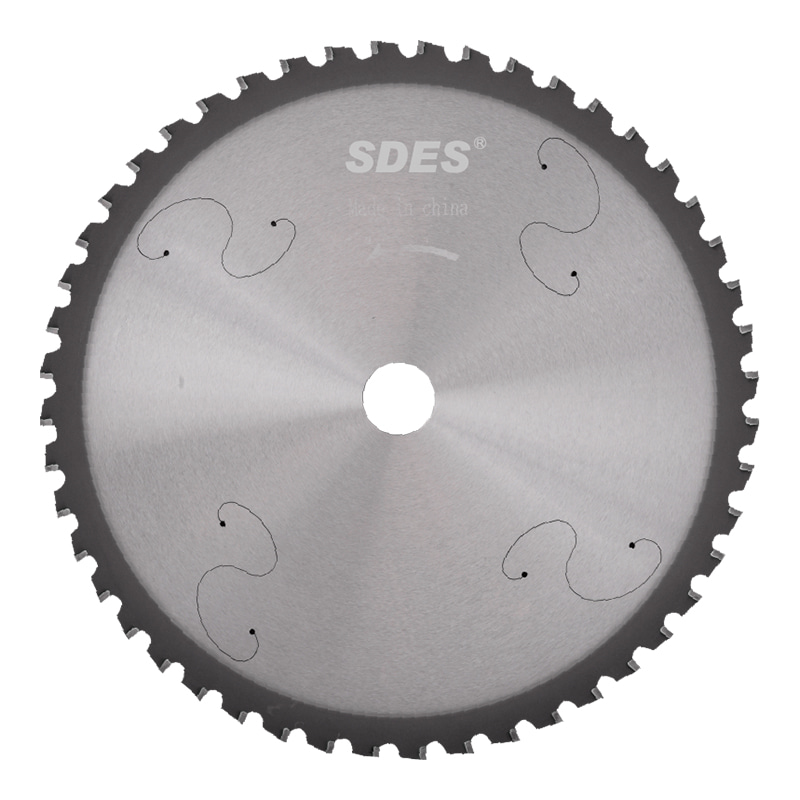
The 25/35 Cold Metal Ceramic Blade is a high-performance cutting tool ...
See DetailsCopyright © Zhejiang Chendiao Machinery Co., Ltd. Rights Reserved.
Band Saw Factory

