


 русский
 Français
 Español

NCJ-100 Bar Automatic Turning And Feeding Sawing 40-100mm Circular Saw Machine
Cat:Hinged Circular Saw Machine
In order to better meet customer needs, we have introduced an advanced...
See DetailsA horizontal band saw machine plays an important role across metalworking, fabrication, equipment manufacturing, and material preparation. It helps operators cut metal bars, pipes, tubes, and other workpieces down to suitable lengths for whatever comes next in processing. In many workshops, cutting marks an early step in the production chain — which means any problem at this stage tends to ripple into every task that follows.
Daily operation places continuous demands on the machine. The saw blade keeps moving through different materials, chips pile up around working areas, and moving parts wear down through regular use. Without proper care, small issues can gradually chip away at cutting quality, operating stability, and workflow efficiency. These problems don't always announce themselves right away, either. A machine can keep running fine on the surface while its blade condition, workpiece support, or cutting accuracy quietly shifts underneath.
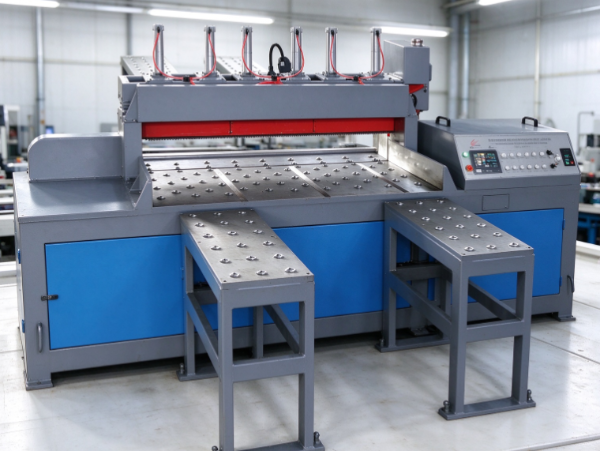
Regular maintenance helps operators catch these issues before they interrupt production outright. It also supports a cleaner working environment and helps staff run the equipment consistently, shift after shift. Maintenance doesn't always demand complex procedures, either. Simple habits, clear inspection routines, and timely replacement of worn parts can make a genuinely meaningful difference to everyday operation.
Understanding how maintenance shapes machine performance helps workshops build practical care routines. The goal isn't just keeping the equipment running — it's supporting predictable cutting results, cutting down avoidable interruptions, and maintaining genuinely safer working conditions along the way.
A horizontal band saw machine works through repeated cutting cycles, each one involving the blade, workpiece support, clamping system, and other moving components. As the machine keeps operating, chips, residue, and normal wear chip away at these areas over time.
When maintenance gets delayed, minor issues can become a lot harder to manage. A worn or damaged blade can leave rough edges and inconsistent cuts behind. Loose or poorly maintained components can throw off how the workpiece sits during cutting. Accumulated debris can also make inspection trickier and interfere with normal machine movement.
Regular care lets operators notice changes in the equipment before they snowball into bigger problems. An unusual sound, a visible crack in the blade, or a workpiece that shifts during cutting can all signal that something needs attention. These signs shouldn't get waved off just because the machine can technically still run.
Maintenance also makes daily work a lot more predictable. Operators following a consistent inspection routine are far more likely to notice when the machine behaves differently from its usual self. That awareness cuts down on unnecessary trial and error during production runs.
There's a planning benefit too. When worn parts get flagged early, a workshop can often arrange replacement during a planned service window instead of scrambling to respond to an unexpected stoppage. This matters a lot when several production tasks all depend on the same cutting equipment.
A practical maintenance routine should match the machine's operating conditions, the materials being cut, and the manufacturer's instructions. A machine running frequently in a dusty environment likely needs different cleaning attention than one used occasionally in a clean workshop. The real point is making equipment care part of normal work, rather than an occasional reaction to a problem that's already surfaced.
The saw blade makes direct contact with the material during every single cutting cycle. Its condition, naturally, carries a strong influence over the cut surface, the consistency of results, and the effort it takes to complete the operation.
A blade wears gradually as it cuts metal. How fast it wears can shift with the workpiece material, cutting frequency, blade selection, and operating practices in play. When teeth turn dull or damaged, the blade struggles to remove material cleanly. Operators might notice rough edges, uneven cutting, unusual noise, or a cut that suddenly takes a lot longer than it used to.
Visual inspection plays a useful role in blade care. Before operation, trained staff should check for visible damage, missing teeth, unusual wear, and other signs the blade may no longer be fit for use. Any inspection or adjustment needs to follow the machine manufacturer's safety instructions, no shortcuts.
Blade tension and tracking deserve attention too. If the blade isn't installed or adjusted correctly, it can move inconsistently during operation — throwing off cutting accuracy and piling extra wear onto the blade and related components. Operators should stick to the adjustment procedures specified for the machine rather than leaning on guesswork.
Choosing a blade that actually suits the material matters just as much. Different metals and workpiece shapes place different demands on the cutting process. A blade built for one type of material may not perform the way you'd expect on another. Staff should weigh the intended application and follow the supplier's guidance when picking replacement blades.
Blade replacement shouldn't get postponed once clear signs of damage or excessive wear show up. Pushing an unsuitable blade further can waste material, pile on rework, and place additional strain on the machine as a whole.
Good blade maintenance, then, is a lot more than a simple replacement task. It involves selecting the right blade, installing it correctly, checking its condition routinely, and running the machine according to established procedures throughout.
Metal cutting generates chips and residue that collect around the worktable, blade area, clamping system, and other parts of the machine. Leave this material in place, and it can make the equipment genuinely harder to inspect while interfering with normal operation.
Cleaning helps operators keep visibility around important working areas intact. When chips bury a component, signs of wear, loose fittings, or small leaks can go unnoticed a lot more easily. Clearing residue away makes routine checks far more effective and helps staff catch changes that might otherwise slip right past them.
Debris can also throw off workpiece positioning. Chips trapped between a workpiece and its support surface can keep the material from sitting the way it should. This affects stability during cutting and can feed into inconsistent results down the line. Keeping contact areas clean helps create more reliable conditions for each operation that follows.
Cleaning practices should suit the material being processed and the machine's design. Operators should stick to the tools and methods the manufacturer recommends. They should never remove chips by hand near a moving blade, or reach into hazardous areas while the equipment's still running.
Before cleaning begins, the machine needs to be stopped and isolated according to the applicable safety procedure. Staff should wait until moving parts have fully come to rest. If a task requires access to hazardous areas, the relevant isolation and protection steps need following, every time.
Coolant and other operating fluids may need attention too, where the machine uses them. Staff should check for contamination, unusual changes, and signs of leakage in line with the manufacturer's guidance. Fluid handling and disposal should follow workplace procedures throughout.
A clean machine is simply easier to inspect, maintain, and prep for the next job. Building a short cleaning task into the end of each shift helps keep residue from piling up unnoticed over time.
How a workpiece gets held shapes both cutting quality and operational safety alike. A horizontal band saw machine relies on suitable support and secure clamping to keep material stable while the blade passes through it.
If a workpiece isn't held firmly, it can shift during cutting. Even slight movement can throw off the cut surface or send the blade following an unintended path. Movement also piles extra stress onto the blade and makes the whole operation less predictable to manage.
Maintenance keeps clamping and support areas in usable condition. Operators should check that relevant surfaces stay clean and that the clamping mechanism moves the way it's supposed to. Visible damage, looseness, or unusual resistance deserves reporting and fixing before the machine goes back into service.
The support arrangement also needs to match the workpiece at hand. Long bars and pipes often need suitable support to prevent unwanted movement or sagging. Irregular shapes can call for a different setup entirely compared to solid, straight material. Operators should follow the machine's operating instructions and use appropriate support equipment whenever it's required.
Clamping should stay secure without damaging the workpiece or creating an unsuitable setup. Staff shouldn't compensate for worn or faulty clamping components with improvised workarounds. Damaged parts need proper inspection and repair or replacement — not a quick fix.
A stable workpiece also makes it a lot easier to assess cutting results. When material sits positioned correctly and stays secure, operators can better tell apart issues tied to blade condition, machine settings, and the workpiece itself.
For workshops processing different materials throughout the day, setup checks pay off especially well. A quick review of support and clamping conditions before each new job helps cut down mistakes caused by shifts in workpiece shape or size.
Blade care and cleaning matter a lot, sure, but they're only part of a complete maintenance plan. A horizontal band saw machine carries several components that need periodic inspection to keep normal operation running smoothly.
The inspection process should rest on the manufacturer's recommendations and the machine's actual use pattern. Not every component needs the same level of attention after every single cutting cycle. A clear schedule helps operators understand which checks are needed before use, during routine servicing, and when a problem actually shows up.
| Component or area | What operators should check | Why the check matters |
|---|---|---|
| Saw blade | Visible damage, tooth wear, and correct installation | Helps maintain cutting quality and safe operation |
| Blade guides | Wear, cleanliness, and signs of damage | Supports stable blade movement |
| Clamping system | Secure holding, smooth movement, and visible wear | Helps keep the workpiece stable |
| Worktable and support areas | Chips, residue, damage, and obstruction | Supports accurate workpiece positioning |
| Moving parts | Unusual noise, vibration, or restricted movement | Helps identify developing mechanical issues |
| Electrical controls | Visible damage and abnormal operation | Supports reliable and safe machine control |
| Coolant system, where fitted | Fluid condition, leakage, and supply issues | Helps maintain the intended cutting process |
| Guards and safety devices | Correct positioning and proper function | Helps protect operators from hazardous movement |
Operators shouldn't attempt repairs that fall outside their training or authorization. Electrical faults, damaged safety devices, and problems touching internal machine mechanisms generally call for qualified service personnel instead.
Inspection findings should get recorded too, wherever workplace procedures call for it. A maintenance record can reveal whether the same issue keeps popping up, whether a component needs replacing, or whether a service interval deserves review by qualified personnel.
Clear records pay off especially when multiple operators share the same machine. They let each shift understand the equipment's condition and cut down the chance that an unresolved issue slips through unnoticed.
Some horizontal band saw machines use lubrication to cut friction between specified moving parts. Give these parts the right care, and they move the way they're supposed to while picking up a lot less unnecessary wear.
That said, lubrication should never get treated as a blanket task that applies to every part of the machine. Some areas genuinely need a particular lubricant, while others need to stay completely free of oil or grease. Applying the wrong substance or piling on too much lubricant can attract debris, throw off machine function, or create entirely new maintenance problems.
Operators should check the manufacturer's instructions to pin down lubrication points, suitable products, and the recommended service procedure. They should also check whether any component uses a sealed or otherwise specialized arrangement that shouldn't be serviced through routine manual lubrication at all.
Signs that an area needs attention include unusual friction, changes in movement, or sounds that stray from normal operation. These signs don't automatically mean lubrication's the culprit, though. A worn bearing, loose component, misalignment, or other fault can produce very similar symptoms. The equipment deserves genuine inspection rather than throwing extra lubricant at every unusual sound that pops up.
Lubrication work has to happen with the machine in a safe condition, full stop. If the procedure requires access near moving parts, the machine needs stopping and isolating according to the relevant instructions first.
A well-planned lubrication routine helps prevent missed service tasks and cuts the risk of unnecessary intervention down the line. It also gives operators a clear reference point whenever they notice a shift in machine behavior.
Maintenance supports machine reliability, sure, but it also has to protect the people operating and servicing the equipment day to day. A horizontal band saw machine carries moving parts and a cutting blade capable of causing serious injury if the machine gets handled incorrectly.
Safety checks should cover the condition of guards, emergency stop controls, and other protective devices fitted to the machine. Operators should confirm these devices are present and appear to be in proper condition. If a safety feature's damaged or isn't functioning as intended, the machine shouldn't run until the issue's been assessed and corrected properly.
The work area deserves attention too. Loose materials, accumulated chips, spills, and poorly stored tools can create real hazards around the machine. Keeping the floor and access areas clear helps operators move safely and cuts the chance of accidental contact with the equipment.
Personal protective equipment should follow the workplace risk assessment and the machine manufacturer's instructions closely. Staff need to understand how to handle sharp chips, replace blades, and manage workpieces without placing their hands anywhere near hazardous areas.
Before carrying out maintenance, operators should follow the required shutdown and energy-isolation procedures in full. Simply stopping the machine may not remove every source of hazardous energy lurking in the system. The correct procedure should account for the equipment's design and whatever task is being performed.
Only trained and authorized personnel should handle adjustments, repairs, or inspections touching hazardous areas. Staff should never bypass a guard or disable a safety device just to keep production moving along.
A consistent safety routine helps make maintenance a normal, unremarkable part of responsible machine operation. It also encourages workers to report problems promptly rather than continuing to run equipment whose condition is genuinely uncertain.
A maintenance plan proves a lot more useful when it fits the workshop's daily workflow naturally. A complicated process that staff can't follow consistently tends to leave important tasks unfinished. A clear routine with defined responsibilities holds up a lot better over time.
Workshops can organize maintenance around several practical activities:
Responsibilities should stay clear-cut. Operators can usually handle routine visual checks and cleaning tasks within their training. More complex servicing should go to qualified personnel instead. This separation helps prevent unapproved adjustments and makes tracking unresolved issues a lot easier.
Training plays a big role in all this too. Staff should know how to spot common warning signs, where to find the machine's instructions, and who to contact when something's off. Experienced workers can help newer operators learn the normal sounds and movements of the equipment, while formal procedures give everyone a consistent reference point to fall back on.
Maintenance records help workshops review recurring problems and plan ahead for replacement parts. These records don't need to be elaborate — they just need to clearly identify the work performed, the issues found, and any follow-up action still outstanding.
The routine should also get revisited whenever operating conditions shift. A change in material type, workload, cutting frequency, or workshop environment can shift cleaning and inspection needs in turn. The maintenance plan should reflect those conditions while staying consistent with the manufacturer's requirements throughout.
By combining routine checks, proper cleaning, suitable blade care, and timely servicing, workshops can support dependable horizontal band saw machine operation day after day. These habits help operators catch problems earlier, protect workpiece quality, and keep maintenance aligned with the real demands of everyday metalworking.
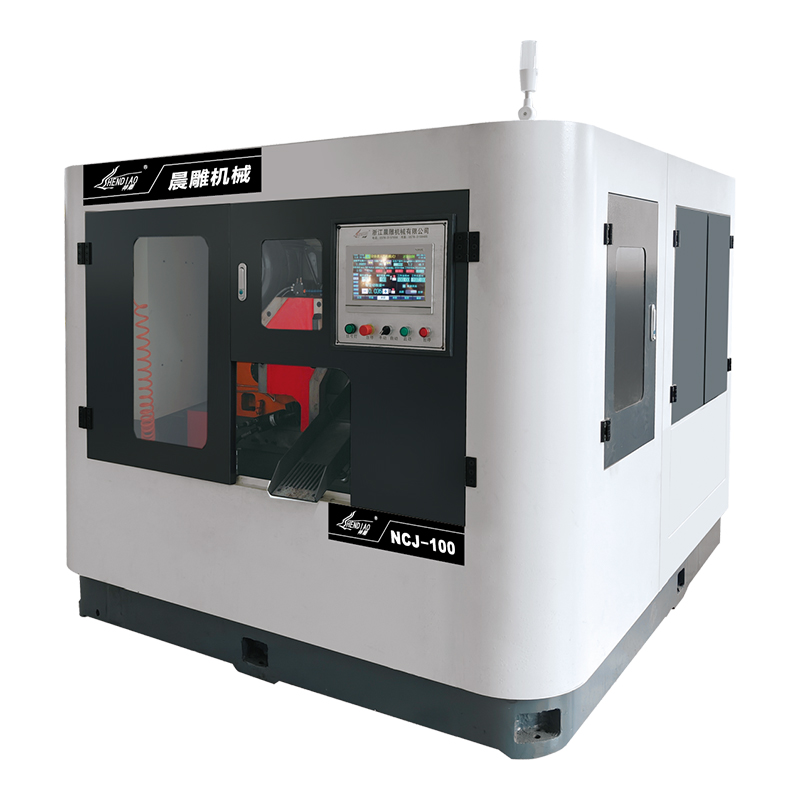
In order to better meet customer needs, we have introduced an advanced...
See Details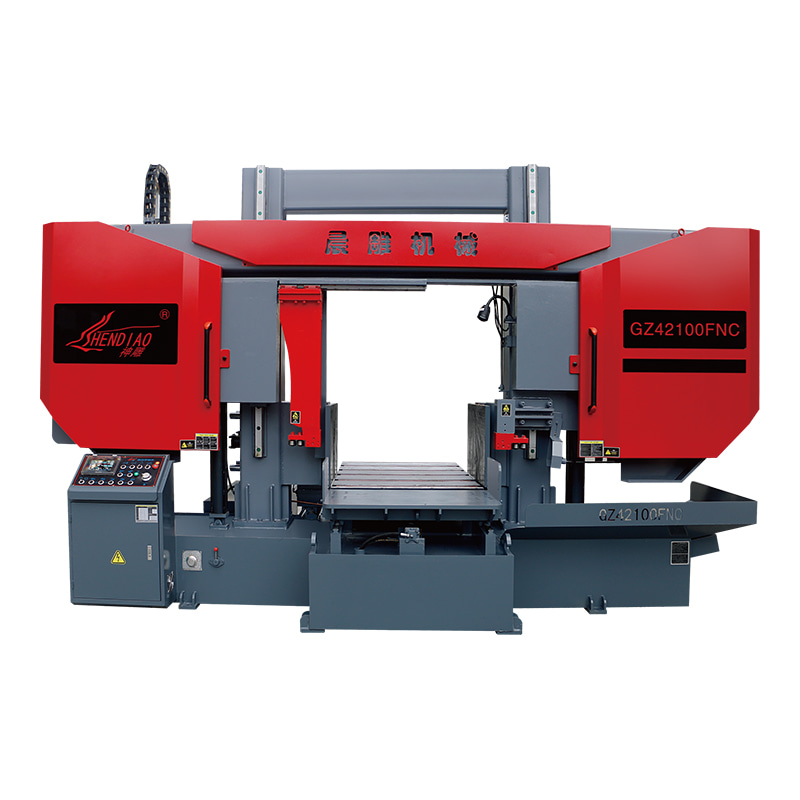
Automatic chip device. Saw blade hydraulic tensioning. Saw blade wire ...
See Details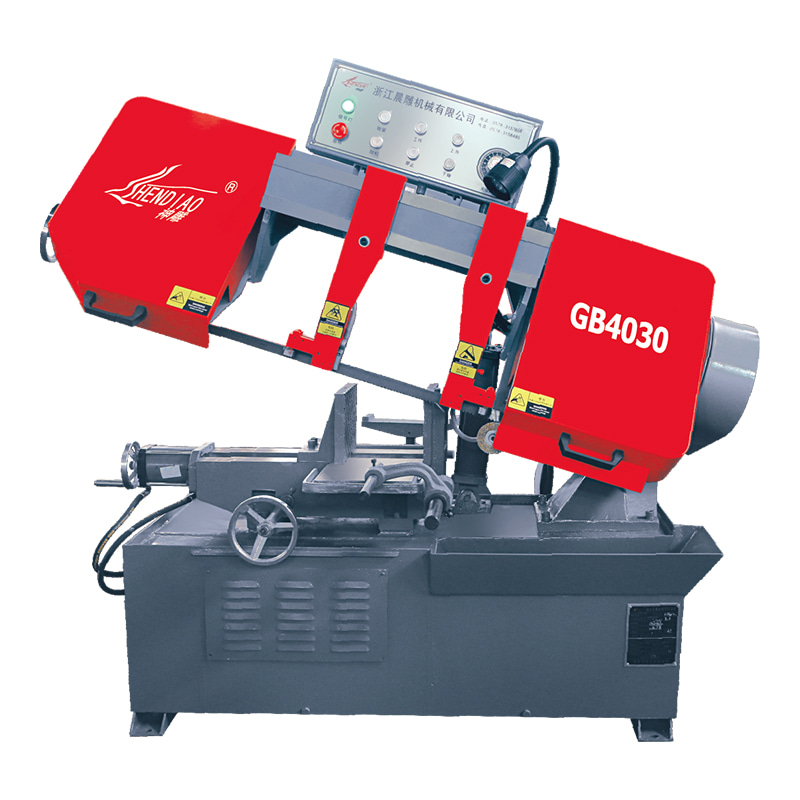
The GB4030 S-Series Band Horizontal Metal Sawing Machine uses a hinged...
See Details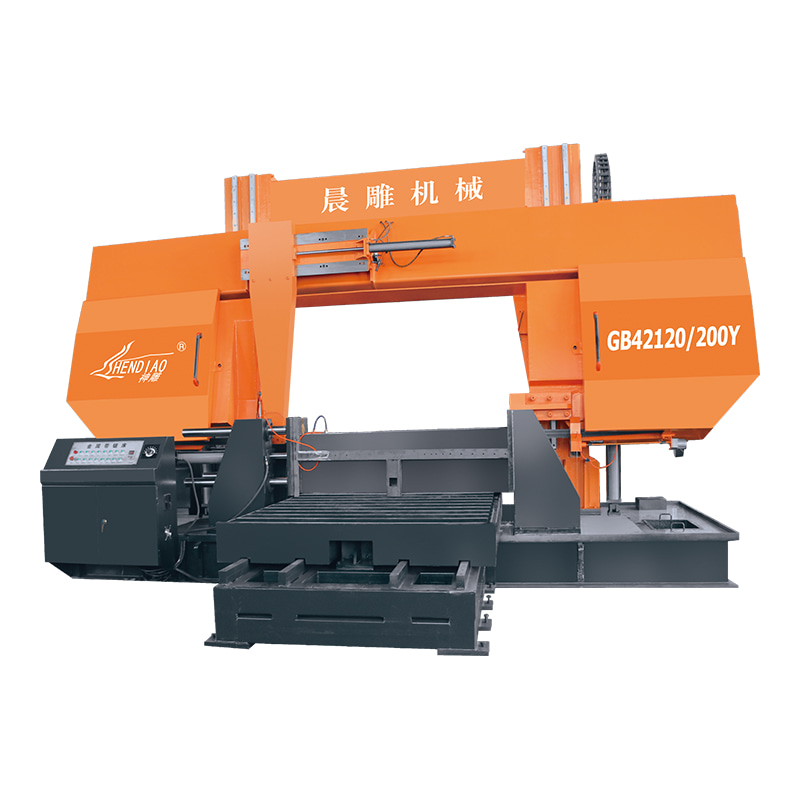
Ideal equipment for heavy-material cutting. Blade tension: hydraulic. ...
See Details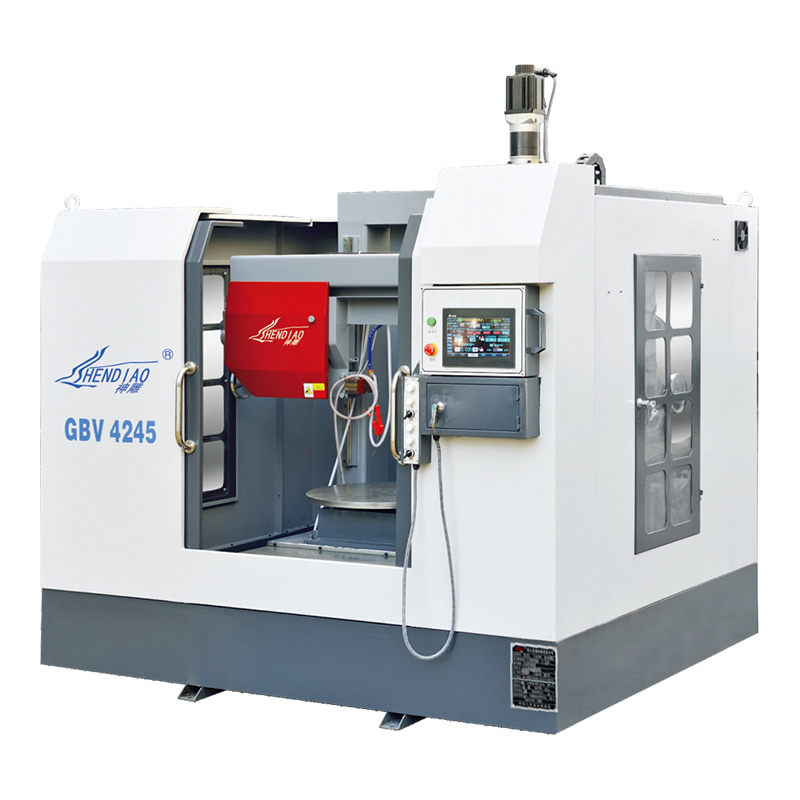
The GBV4245 Sapphire Cutting Machine Disc Saw is a specialized solutio...
See Details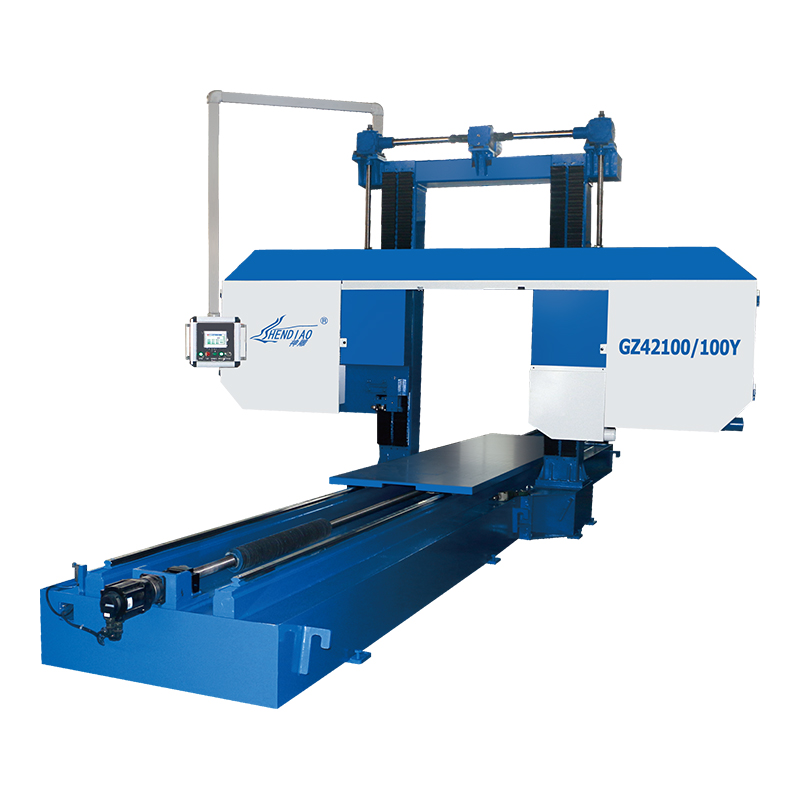
This machine tool is a special machine tool with mechanical and electr...
See DetailsCopyright © Zhejiang Chendiao Machinery Co., Ltd. Rights Reserved.
Band Saw Factory

