


 русский
 Français
 Español
GB5115/40/50 Manual Vertical Band Sawing Machine
Cat:Vertical Band Sawing Machine
The GB5115/40/50 Manual Vertical Band Sawing Machine handles cutting w...
See DetailsHigh-hardness aluminum alloys are commonly used in aerospace, automotive, and construction industries due to their good strength, corrosion resistance, and durability. These materials often contain higher percentages of elements like silicon, copper, and magnesium, which significantly increase their hardness compared to standard aluminum sheets. While these alloys provide good mechanical performance, their toughness poses a challenge for traditional cutting tools. Selecting the right equipment is crucial to ensure precise cutting without damaging the material or the saw blade.
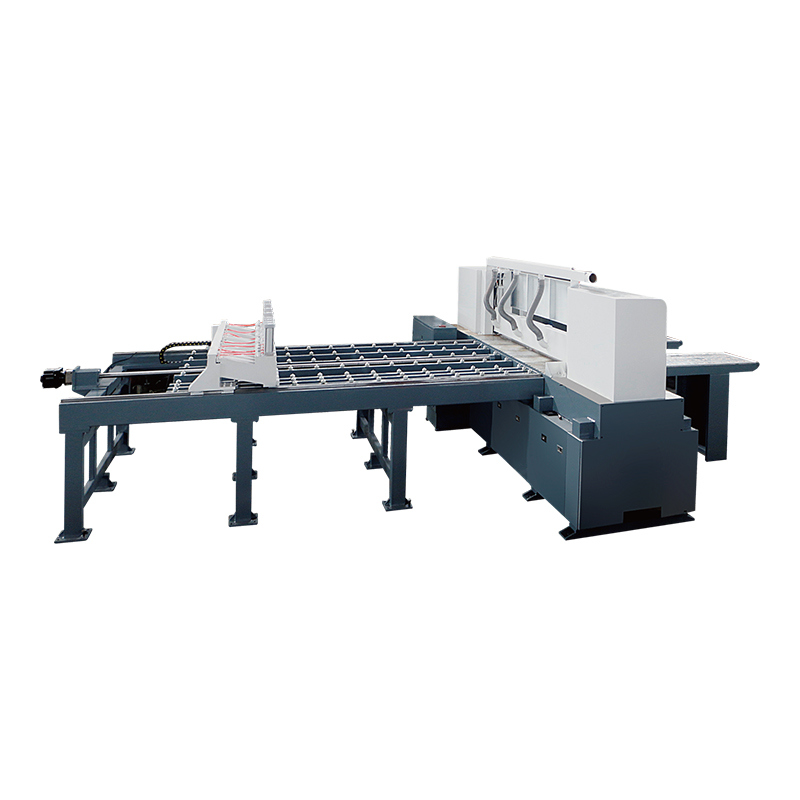
Aluminum Plate Cutting Circular Saw Machines are specifically designed to slice through aluminum sheets efficiently and accurately. Their cutting system, often equipped with a high-speed circular blade, is optimized for clean, burr-free cuts on standard aluminum. However, when machining high-hardness aluminum alloys, machine performance depends on several factors, including blade material, cutting speed, feed rate, and machine rigidity. Machines with lower torque or inadequate blade quality may struggle to cut through dense alloys, causing slower operations and potential overheating.
One of the critical considerations is the blade. Carbide-tipped or diamond-coated circular saw blades are recommended for high-hardness aluminum alloys. These blades maintain sharpness for longer durations and can handle the increased resistance without chipping or warping. The choice of blade teeth geometry also affects the cut quality. A blade with a higher tooth count and a precise grind can reduce burrs and prevent material deformation. Operators must ensure the blade is compatible with both the aluminum alloy type and the cutting speed specified by the machine manufacturer.
Cutting high-hardness aluminum requires adjusting operational parameters. Reducing feed rate and increasing blade speed often result in smoother cuts, reducing heat generation that can compromise both the blade and the material. Additionally, using appropriate cooling or lubrication systems helps dissipate heat and maintain the integrity of the alloy during cutting. Many modern Aluminum Plate Cutting Circular Saw Machines offer variable speed control and adjustable feed mechanisms, allowing operators to fine-tune the machine for suitable performance on hard aluminum alloys.
Despite these advantages, not all circular saw machines are equally suitable for badly hard aluminum. Machines with insufficient motor power or a lack of precision controls may fail to achieve consistent results. Users should consider machines with robust frames, powerful motors, and advanced blade stabilization features to handle tougher materials. Furthermore, periodic maintenance, such as blade sharpening and lubrication, becomes even more critical when processing high-hardness alloys to prevent wear and ensure long-term reliability.
Aluminum Plate Cutting Circular Saw Machines can handle high-hardness aluminum alloys if equipped with the right blades, supported by adequate power, and operated with optimized cutting parameters. While standard models may struggle with bad hardness, modern machines designed for industrial-grade aluminum can achieve precise, clean cuts efficiently. Selecting a high-quality machine and understanding the specific requirements of the aluminum alloy ensures productivity, prolongs blade life, and maintains material integrity, making it a suitable choice for demanding industrial applications.
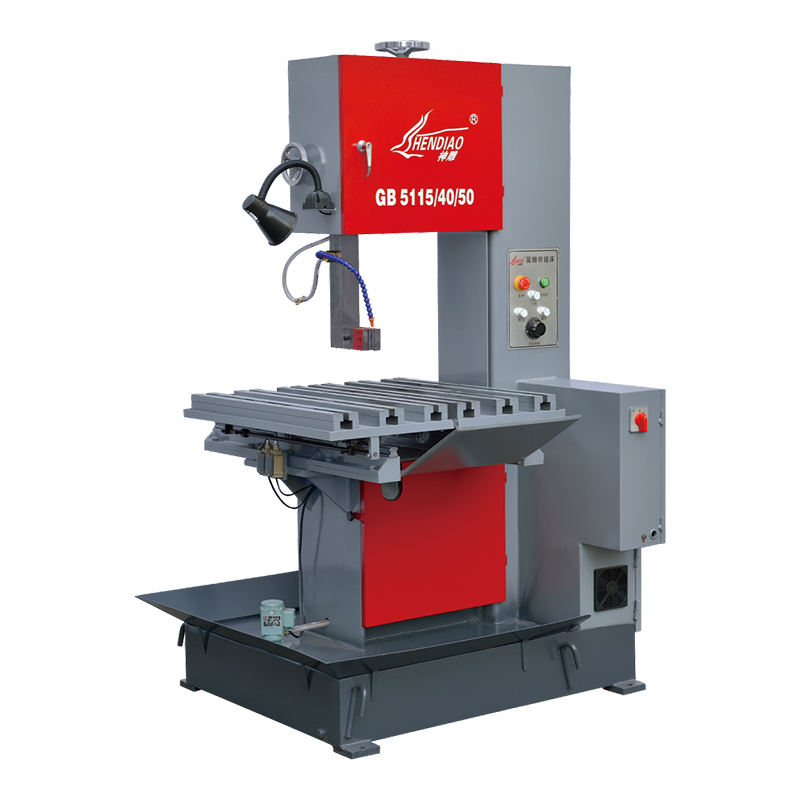
The GB5115/40/50 Manual Vertical Band Sawing Machine handles cutting w...
See Details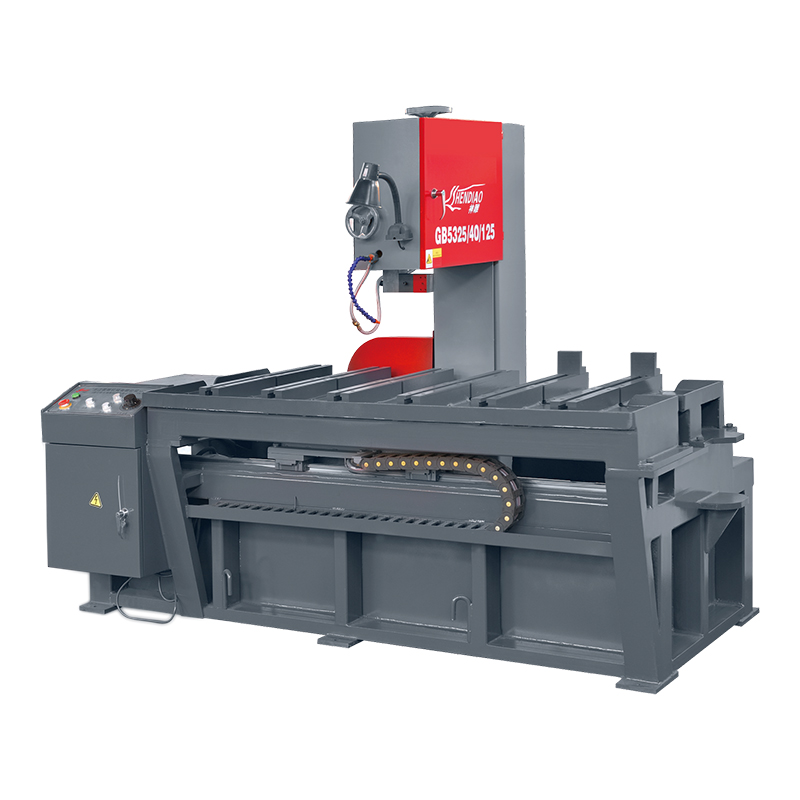
The GB5325/40/125 Semi-Automatic Vertical Band Sawing Machine handles ...
See Details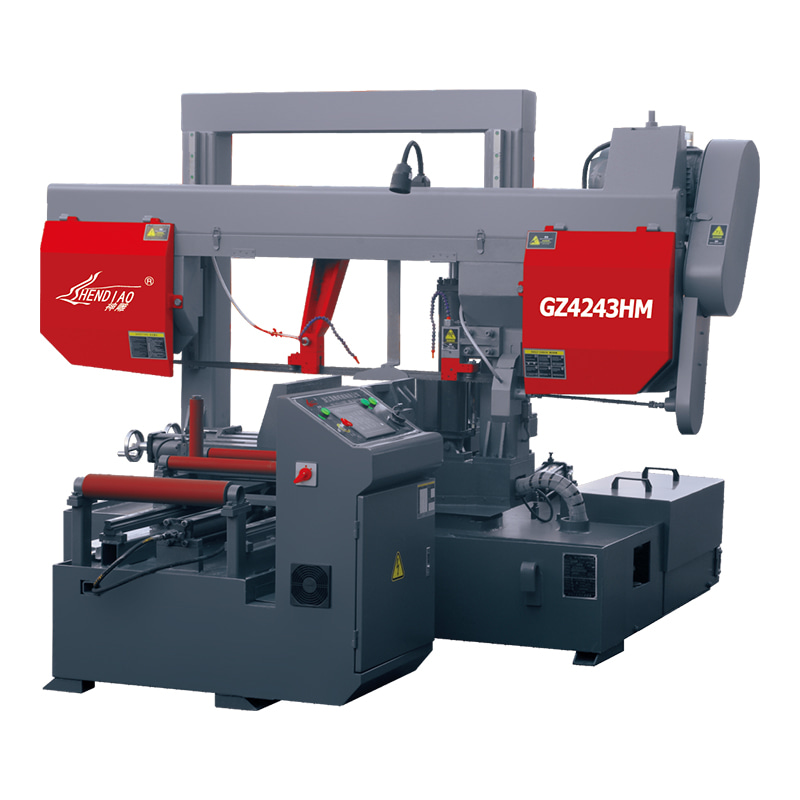
The BS-712N 7-inch bandsaw is just a highly practical, no-nonsense too...
See Details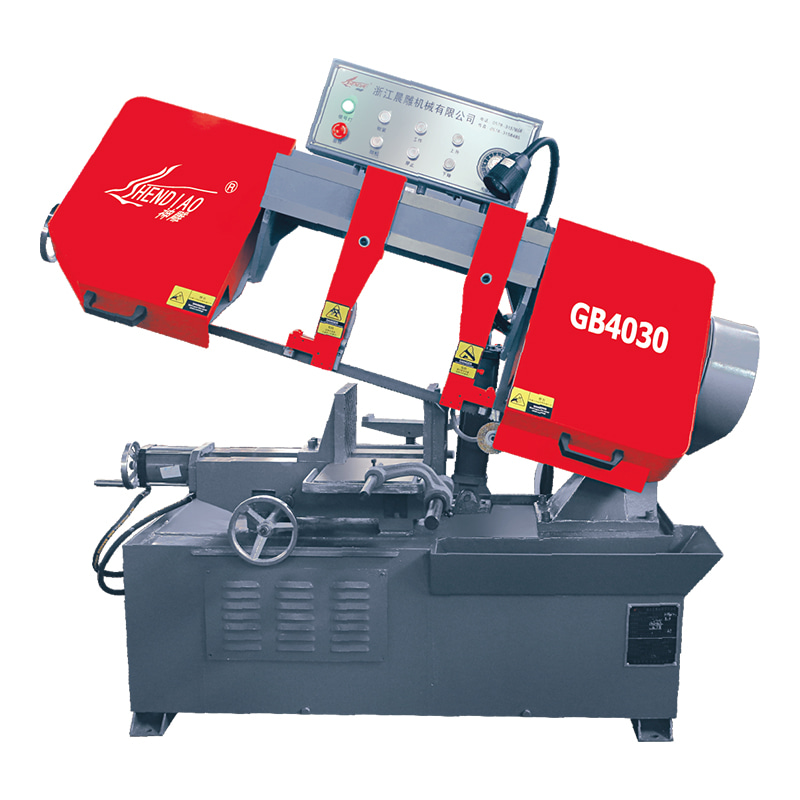
The GB4030 S-Series Band Horizontal Metal Sawing Machine uses a hinged...
See Details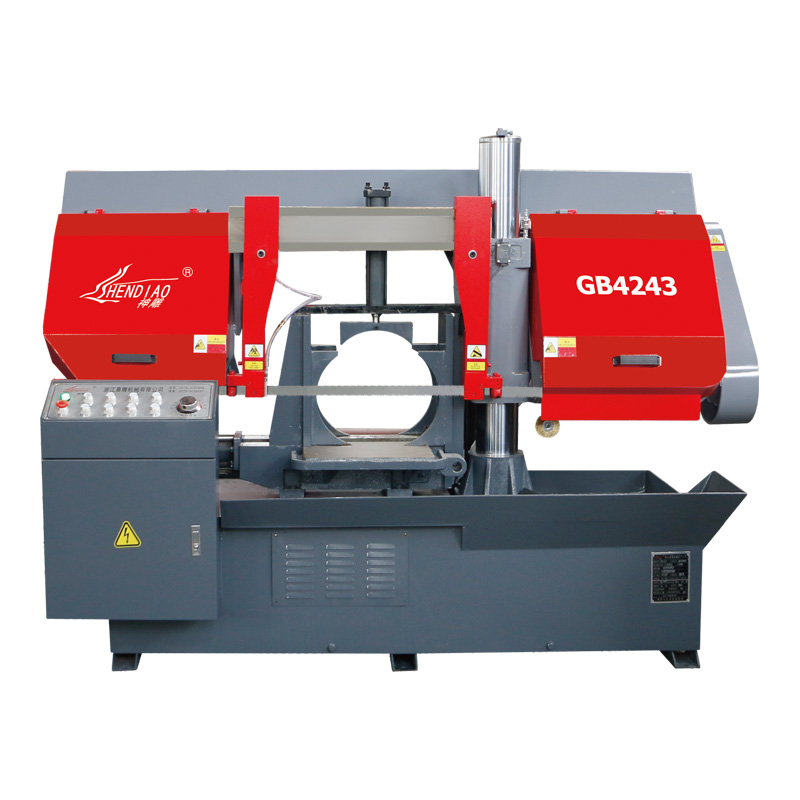
Jaw Full Bundle Rebar Special Cutting Metal Double-Cylinder Horizontal...
See Details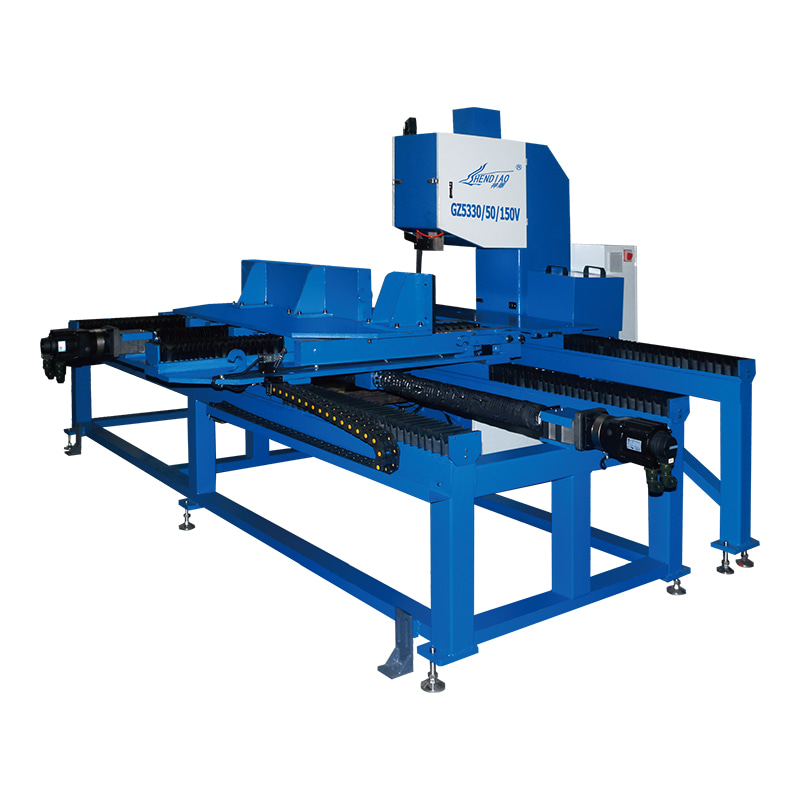
The GZ5330/50/150V Fully Automatic Feeding And Variable Frequency Sawi...
See DetailsCopyright © Zhejiang Chendiao Machinery Co., Ltd. Rights Reserved.
Band Saw Factory

