


 русский
 Français
 Español
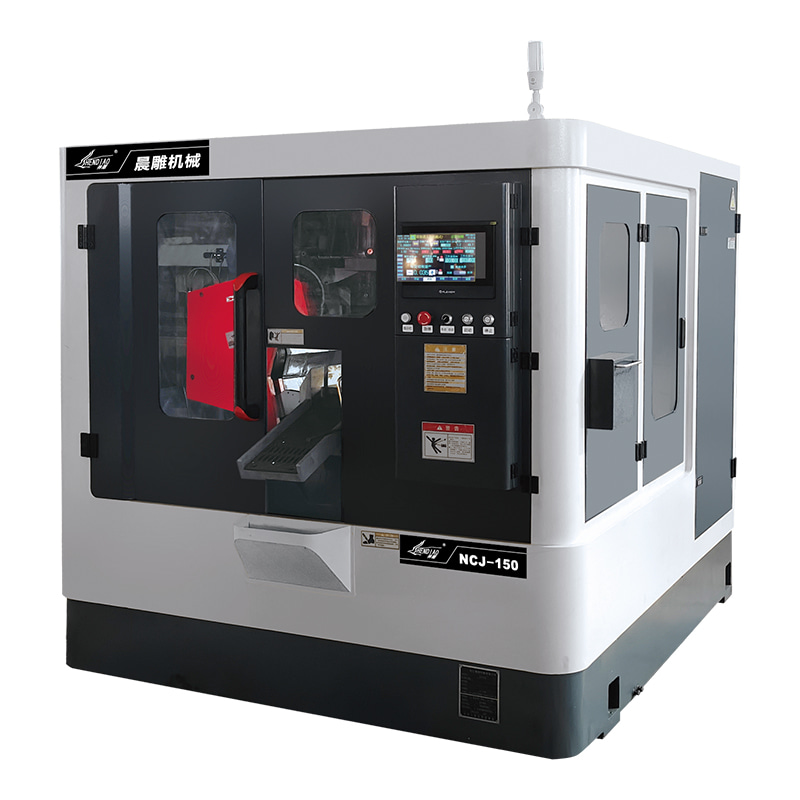
NCJ-150 Fully Automatic High-Speed Metal Circular Saw Machine Steel Rod Blanking Machine Sawing Machine
Cat:Hinged Circular Saw Machine
Highly rigid body structure with advanced clamping device, environment...
See DetailsProper blade tension is one of the critical aspects of ensuring accurate and safe cutting when using a band saw. Without correct tension, the blade may wander, produce rough cuts, or even break unexpectedly. Band saw machines from a reputable Band Saw Factory are usually equipped with tension indicators or adjustable knobs, but understanding the principles behind blade tension is essential for any operator. The right tension ensures that the blade remains straight during cutting, reduces vibration, and prolongs the lifespan of both the blade and the machine.
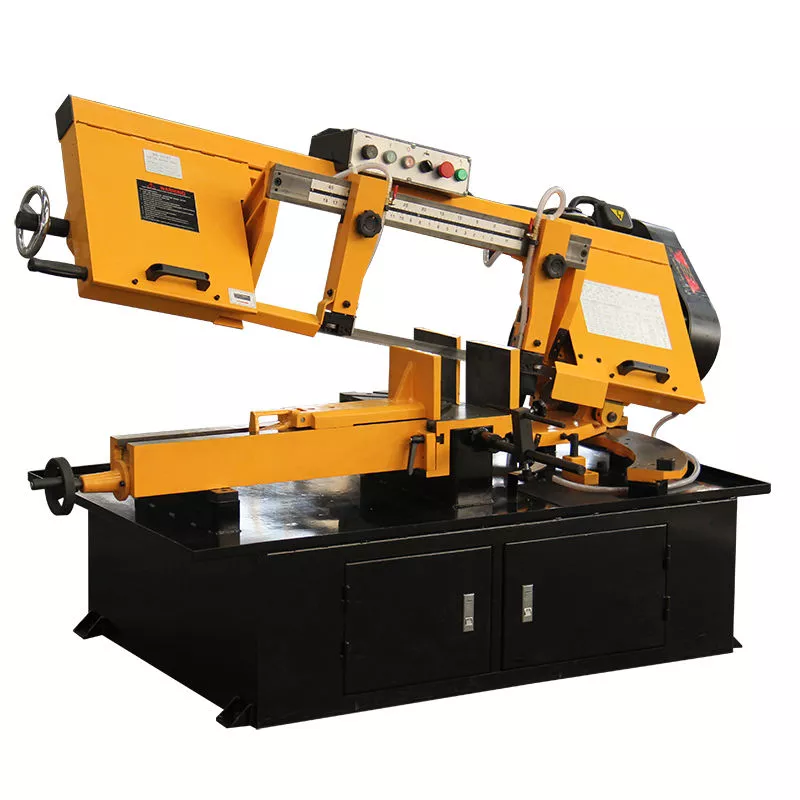
Before adjusting the tension, it is important to recognize signs that the blade is too loose or too tight. A blade that is too loose often produces a swaying motion while cutting and generates uneven cuts. It can also make the blade slip off the wheels, which is dangerous for the operator. On the other hand, a blade that is too tight puts unnecessary stress on the bearings, wheels, and the blade itself, increasing the risk of breakage. Observing the performance of your band saw during operation can help you determine if tension adjustment is needed.
Start by turning off the machine and ensuring it is completely stationary. Safety should always be handled when handling the band saw blade. If your band saw has a tension scale or indicator, note the current tension setting. Many modern Band Saw Factory machines provide a tension guide based on blade width and material type. Familiarize yourself with these guidelines to prevent over-tensioning or under-tensioning the blade.
To adjust the tension, locate the tensioning knob or lever, usually situated on the top of the band saw frame. Slowly increase or decrease the tension while observing the blade. For precision, gently pluck the blade like a string; a properly tensioned blade will produce a clear, high-pitched tone. Always make adjustments gradually and check the blade alignment on the wheels to ensure it tracks correctly. Some operators prefer to use a tension gauge to measure exact tension, which is particularly useful for specialized blades or high-precision work.
Once the tension is adjusted, turn on the band saw at low speed and carefully observe the blade while it runs. The blade should run smoothly without wandering or producing excessive vibration. Make a test cut on a scrap piece of material to confirm that the tension adjustment has improved cutting performance. If the blade still appears to sway or produces inconsistent cuts, repeat the adjustment process. Remember that blade tension can vary slightly depending on the type of material being cut, so minor tweaks may be necessary over time.
Regularly checking and maintaining the correct blade tension is crucial for the longevity of both the blade and the band saw machine. Avoid leaving the blade under tension when the saw is not in use, as this can cause unnecessary wear. Keep the wheels and guides clean to prevent friction from affecting tension. By consistently monitoring tension and making small adjustments as needed, operators can ensure suitable performance and safety.
Properly adjusting the band saw blade tension is a key factor in achieving precise cuts and extending the life of both the blade and the machine. Operators should learn to recognize signs of incorrect tension, use manufacturer guidelines from a reliable Band Saw Factory, and follow safe procedures for adjustment. With careful attention and regular maintenance, the band saw will deliver consistent performance for years of reliable operation.
Highly rigid body structure with advanced clamping device, environment...
See Details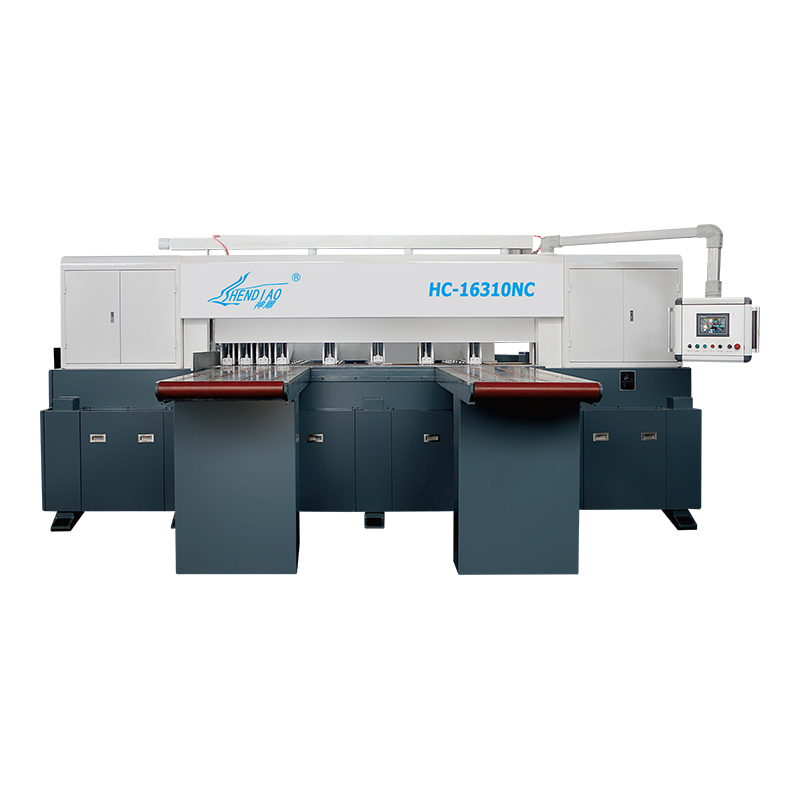
Suitable for cutting aluminum alloy plate, high efficiency (3 times of...
See Details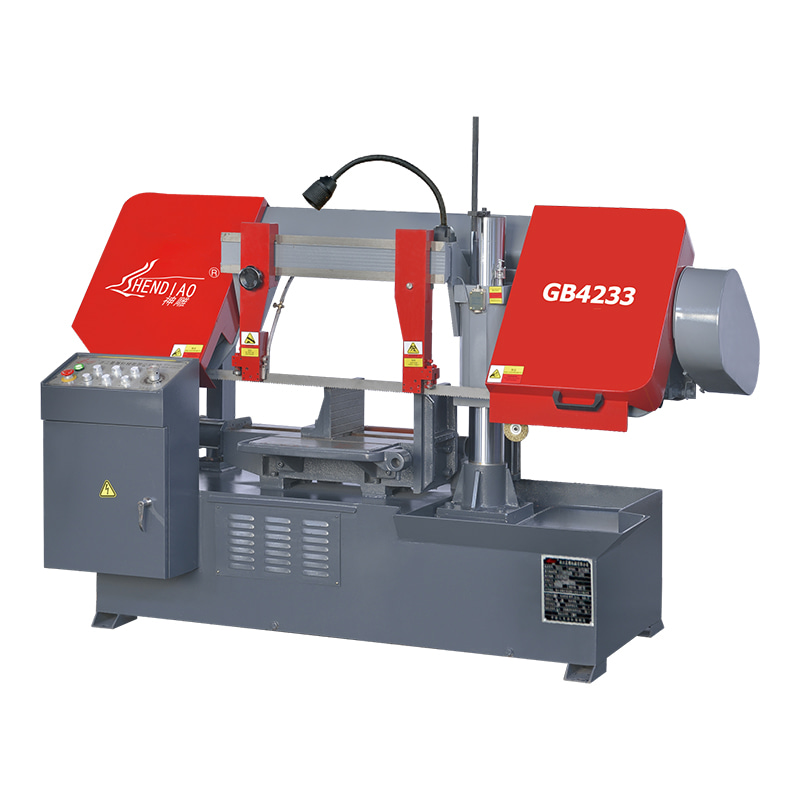
The GB4233 Double-Cylinder Horizontal Band Metal Sawing Machine comes ...
See Details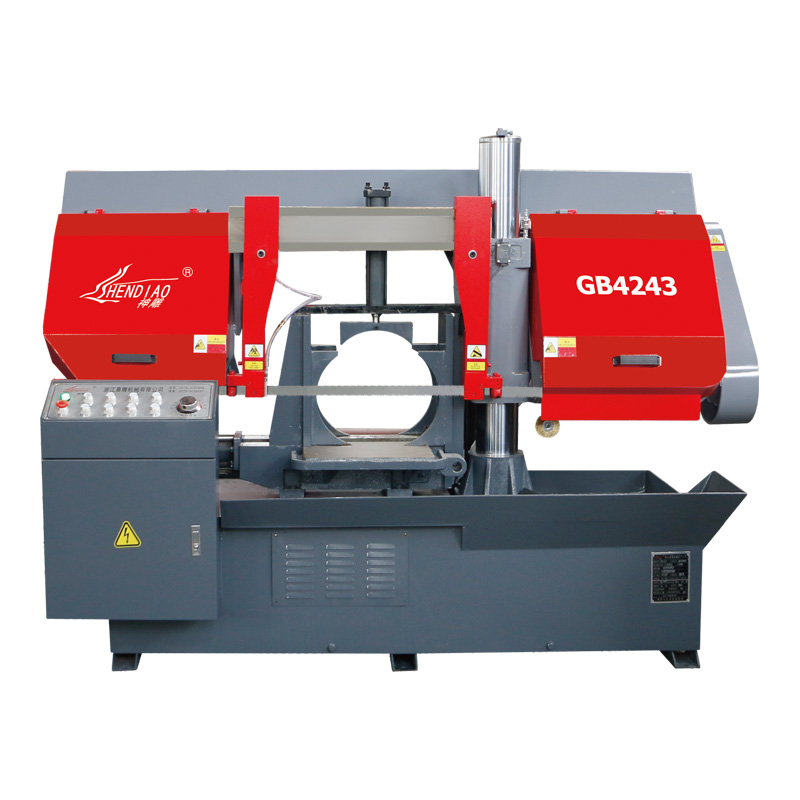
Jaw Full Bundle Rebar Special Cutting Metal Double-Cylinder Horizontal...
See Details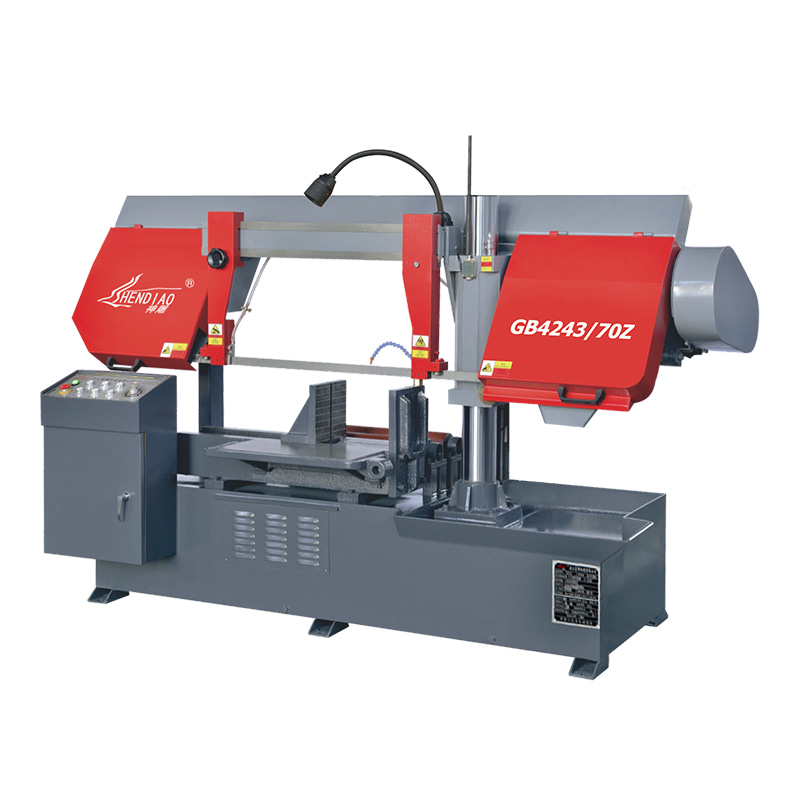
The GB4243/70Z Hydraulic Semi-Automatic Metal Double-Cylinder Horizont...
See Details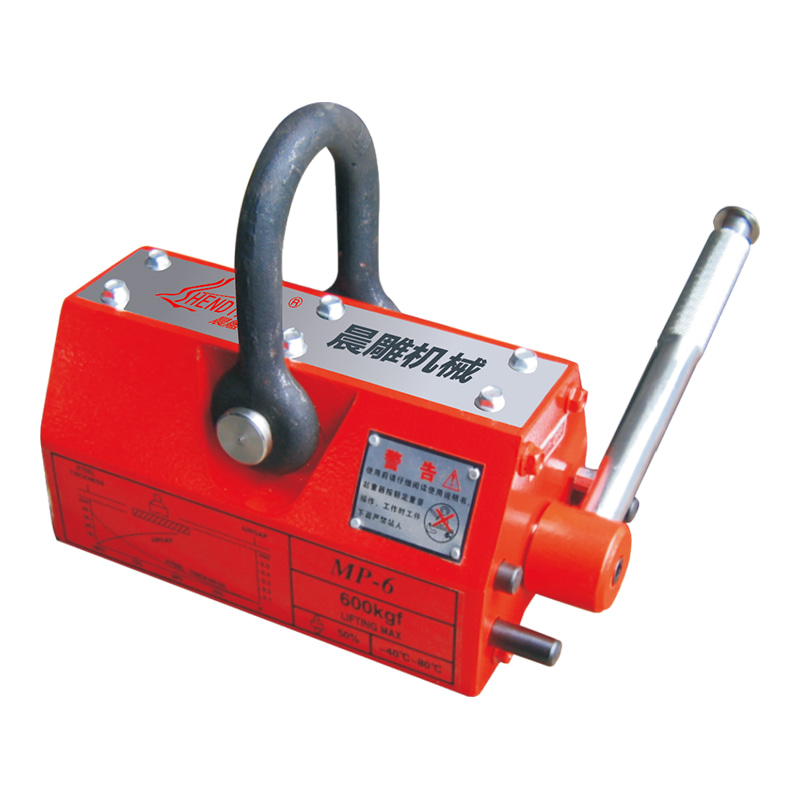
The magnetic lifting heads, which have been developed, designed, and m...
See DetailsCopyright © Zhejiang Chendiao Machinery Co., Ltd. Rights Reserved.
Band Saw Factory

