


 русский
 Français
 Español
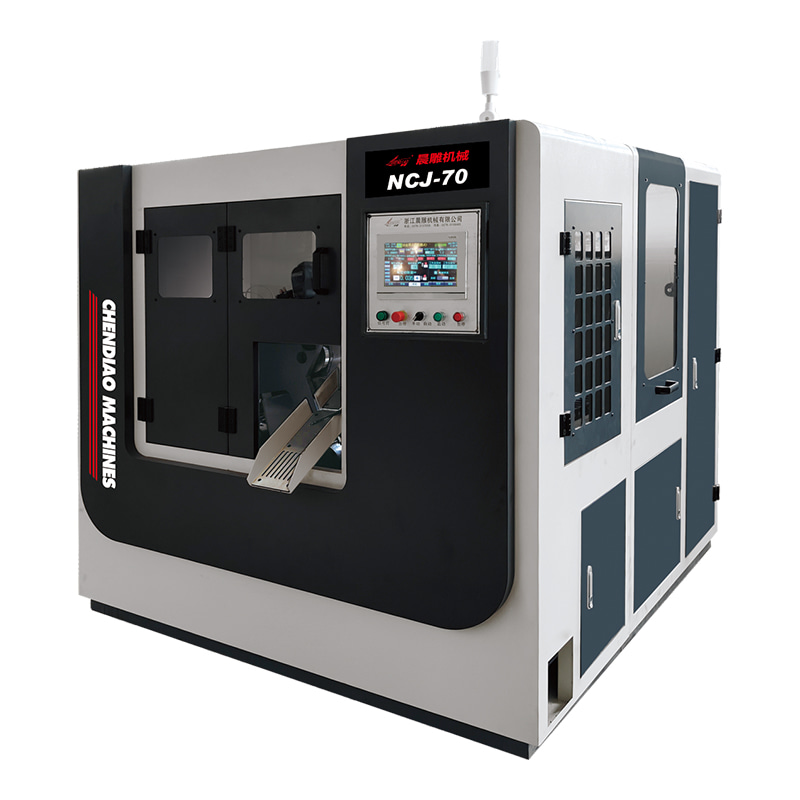
NCJ-70 Servo Automatic Feeding High Speed Metal Circular Saw Machine
Cat:Hinged Circular Saw Machine
Servo Automatic Feeding High Speed Metal Circular Saw Machine is an ad...
See DetailsA CNC Intelligent Metal Cutting Band Saw Machine relies heavily on its feeding mechanism to achieve consistent and vibration-free cutting, especially when processing dense or irregular metal materials. Since the feeding unit determines how smoothly the workpiece enters the cutting zone, any instability can cause blade deviation, rough surfaces, or dimensional inaccuracies. Modern automated saws place significant emphasis on synchronized motion control, structural rigidity, and adaptive feedback systems to maintain a steady feed. By reducing mechanical fluctuations at the earliest stage of cutting, the machine preserves cutting accuracy, extends blade life, and enhances overall production efficiency.
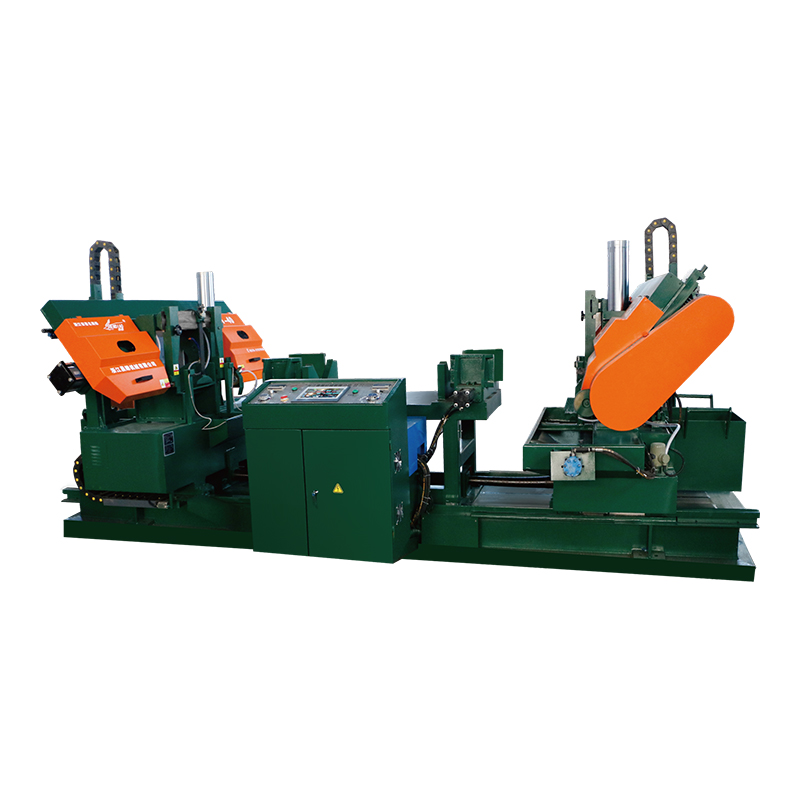
Mechanical stability is a core factor in ensuring smooth feeding. High-grade cast-iron or steel feed beds are often used to provide a vibration-absorbing foundation that prevents micro-oscillations as the material advances. Linear guide rails, precision-ground surfaces, and robust carriage assemblies help maintain a straight, low-friction path for the workpiece. This rigidity is especially important when handling heavy metal bars, tubes, or billets that can otherwise induce resonance during motion. By designing the feed system to resist torsion and bending forces, manufacturers ensure that external load variations do not translate into shaking or chatter during the cutting phase.
Servo motors play an essential role in maintaining smooth, continuous feeding. Unlike traditional hydraulic or mechanical drives, servo-driven systems offer high-resolution motion control, enabling precise adjustment of acceleration, deceleration, and overall speed. This eliminates abrupt movements that could disrupt cutting stability. The system continuously monitors torque and positional feedback, enabling the machine to respond instantly if it detects resistance changes in the material. Such closed-loop control reduces the likelihood of jerks and maintains a constant feed rate, resulting in cleaner cut surfaces and lower blade stress.
Secure clamping is critical for preventing the workpiece from shifting as it moves toward the blade. Modern feeding devices employ hydraulic or pneumatic vises designed with uniform pressure distribution. Soft jaws, anti-slip pads, or adjustable clamping angles adapt to different material shapes, ensuring firm restraint without deforming the workpiece. Multi-point clamping reduces the risk of vibration caused by uneven contact. For long bars and bundles, auxiliary rollers or support conveyors maintain alignment and reduce sagging, preventing lateral drift that could compromise both feeding smoothness and cutting accuracy.
To maintain vibration-free feeding, advanced machines integrate sensors that continuously track motion, pressure, and alignment. Laser alignment sensors ensure that the material is properly oriented before it enters the cutting zone, while load sensors detect abnormal resistance that may indicate binding or misalignment. Real-time CNC control adjusts feed speed immediately based on sensor data, preventing overload and reducing vibration. This intelligent feedback loop enhances consistency and protects components from excessive wear.
Friction within the feeding pathway can introduce jerky movement or micro-vibrations. Automatic lubrication systems ensure that guide rails, ball screws, and moving carriages remain smooth and resistant to wear. Regular maintenance, such as checking for debris buildup, roller misalignment, or rail deterioration, contributes significantly to feeding stability. With proper lubrication routines and timely component replacement, the feeding mechanism remains reliable throughout extended production cycles.
Servo Automatic Feeding High Speed Metal Circular Saw Machine is an ad...
See Details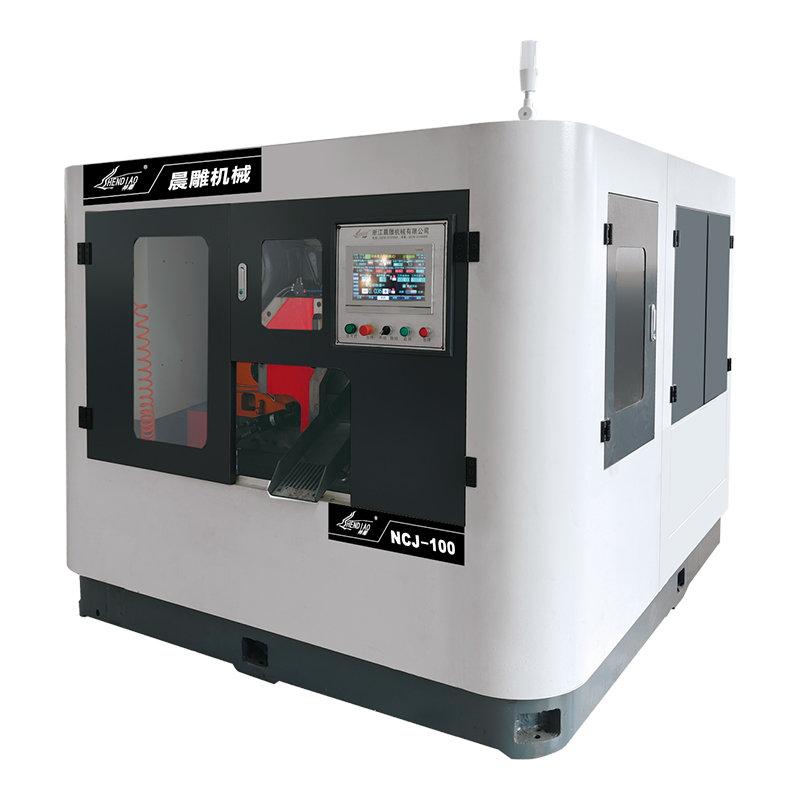
In order to better meet customer needs, we have introduced an advanced...
See Details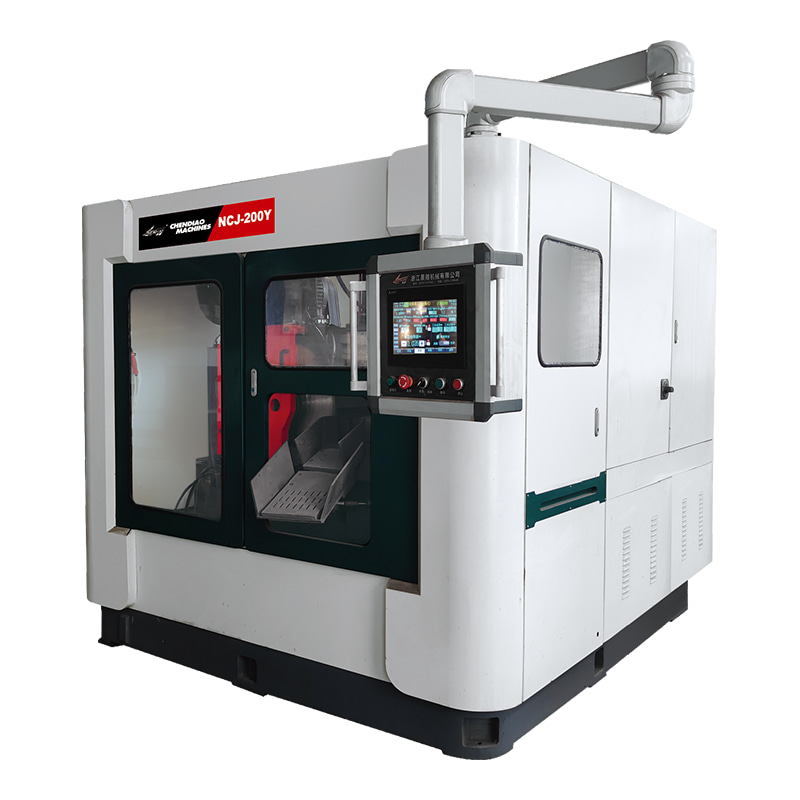
Highly rigid body structure with advanced clamping device, environment...
See Details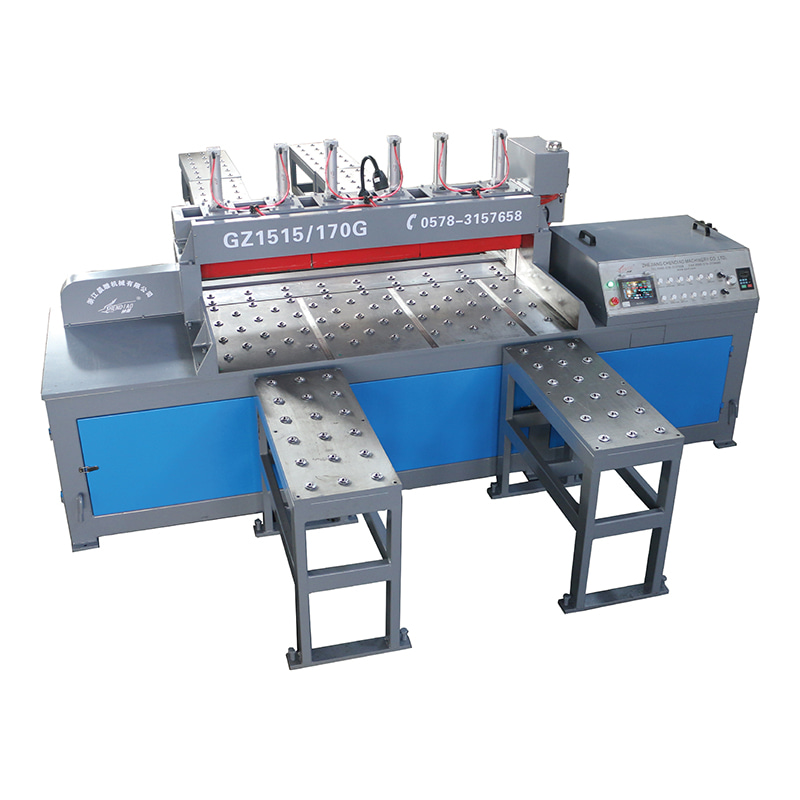
Suitable for cutting aluminum alloy plate, high efficiency (3 times of...
See Details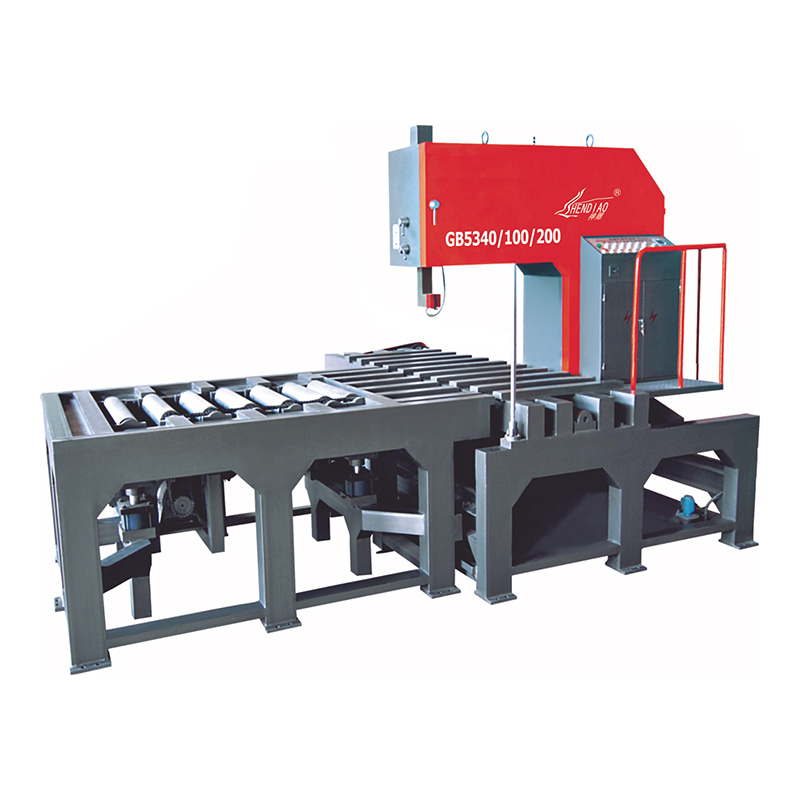
Apply in billets, plates, forgings and other steel cutting. Materials ...
See Details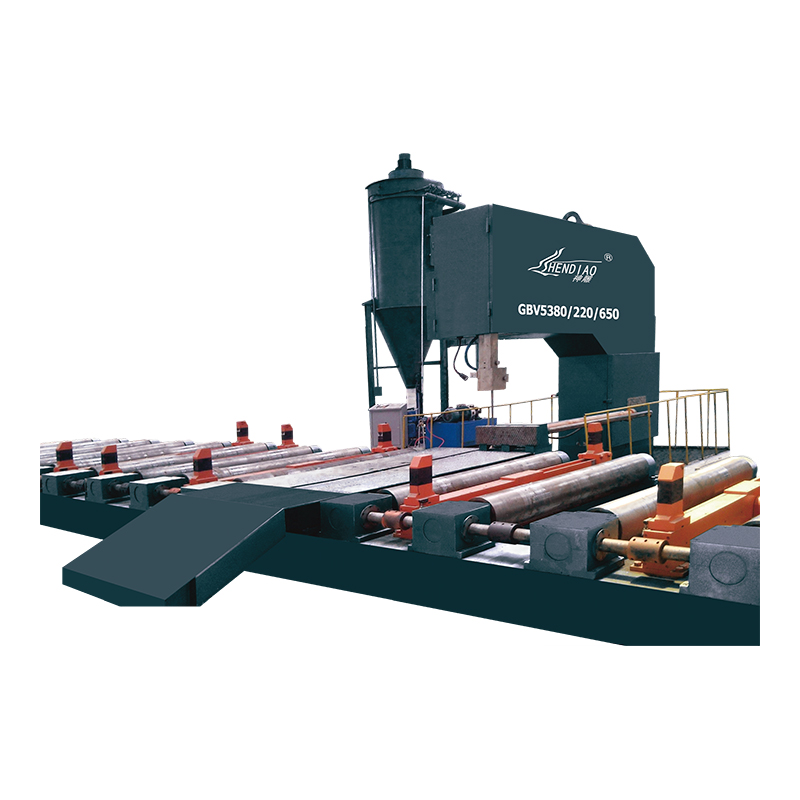
The GBV5380/220/650 High-Speed Aluminum Cutting Vertical Band Blanking...
See DetailsCopyright © Zhejiang Chendiao Machinery Co., Ltd. Rights Reserved.
Band Saw Factory

