


 русский
 Français
 Español
GZ4256FNC High-Performance Smart Upgraded Bandsaw Machine Can Flexibly Set Sawing Modes
Cat:High-Speed Intelligent Band Saw
The GZ4256FNC High-Performance Smart Upgraded Bandsaw Machine Can Flex...
See DetailsIndustrial band saw manufacturers serve a surprisingly wide range of industries—wherever cutting matters, their equipment tends to show up.
You'll find these machines humming away in metal plants, small fabrication shops, and everywhere in between. Their job rarely gets noticed, but it's essential: turning raw stock into workable material before the next production step even begins.
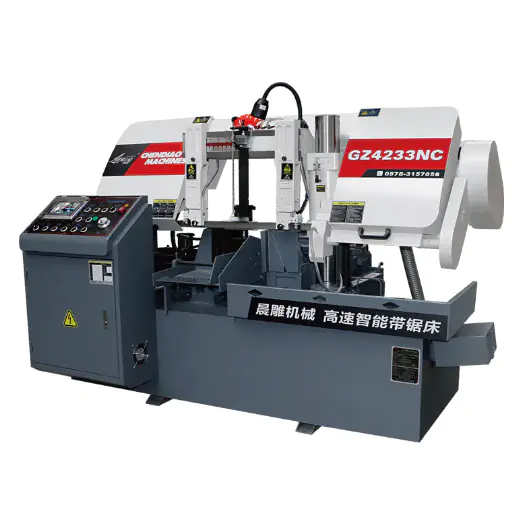
Demand doesn't come from one type of buyer, either. Some shops run these saws daily as part of standard output; others pull them out only for one-off jobs or custom cuts. That mix of needs is exactly why the customer base for this equipment stays so broad.
Industrial band saw equipment can be found in many areas where materials need to be separated, shaped, or prepared before further processing.
Common users include:
Each industry has its own production habits. A factory producing large quantities may focus on stable operation, while a smaller workshop may care more about flexibility.
The difference between these users influences the type of solutions they look for. Some companies need equipment that can support regular production schedules. Others need a machine that can handle changing tasks.
This is why industrial band saw manufacturers usually serve a wide range of customers instead of focusing on only one market.
Metal processing is one of the areas where band saw equipment plays an important role. Many metal products begin as larger sections of material that need to be prepared before they can become finished components.
Workshops in this field often handle materials such as:
Before these materials can be welded, assembled, or shaped, they often need to be divided into suitable pieces.
For metalworking companies, the cutting process affects the entire production flow. If preparation work is delayed, later steps may also slow down. Because of this, businesses pay attention to equipment that can maintain a steady working process.
Industrial band saw manufacturers support these users by developing equipment that fits different working conditions. A large processing facility may have different requirements from a small metal workshop, but both need dependable cutting support.
Most manufacturing work starts long before assembly—raw material has to be cut down to size first, and that's where band saws come in.
Workshops rely on them to process:
It's an easy stage to overlook, but a clean, accurate cut saves headaches later. Get it wrong, and assembly teams end up making constant adjustments down the line.
Order types also vary a lot from shop to shop. One day it's a run of standard parts, the next it's a one-off custom job. That's why flexibility often matters more to buyers than raw cutting speed when they're picking equipment.
Most building materials don't arrive at a job site ready to install. They've been cut, shaped, prepped — somewhere else, usually a facility most people on the crew never actually visit.
Who does that work? A few types of businesses, mainly:
They take raw stock and turn it into something usable — beams, frames, whatever the job calls for — so the installation crew isn't stuck cutting things on-site.
Deadlines drive everything in this space. One late shipment and a whole project schedule can slip. So these suppliers end up juggling custom orders alongside routine production, all while trying to stay on time.
That's really where band saws fit in. Not as a standalone machine, but as one piece of a much bigger supply chain that construction depends on.
Industrial equipment is not only used by large factories. Many small and medium-sized workshops also rely on band saw machines.
These businesses often have different working patterns. Instead of producing the same product every day, they may handle various projects based on customer requests.
Small workshops commonly use band saw equipment for:
For these users, one machine may need to handle several types of work. A workshop owner may value equipment that is practical and easy to adjust.
The growth of specialized workshops has created new opportunities for industrial band saw manufacturers. Many users now look for solutions that match their specific working environment rather than simply choosing general-purpose equipment.
Woodworking sits in a slightly different category. Furniture makers and wood processors need cutting equipment that keeps up with production — but also leaves room for design.
Typical materials include:
Here's the difference from heavy industrial cutting: woodworking often calls for creativity, not just repetition. One order might need a curve, the next a completely different size. That kind of variation means the equipment has to bend a little, too.
And the cutting stage matters more than people think. Get the initial cut right, and everything downstream — shaping, finishing, assembly — goes smoother. Get it wrong, and workers spend extra time correcting it later.
This is exactly why band saw manufacturers building for woodworking tend to focus on flexibility, not just raw power. Different shops, different projects, different demands — the equipment needs to keep up with all of it.
Cars and machinery both come down to the same basic need: parts have to be cut before they can be built, repaired, or assembled into anything.
You'll see band saws at work across:
These operations run on tight workflows — one stage feeds directly into the next. Slow down material prep, and the whole line feels it downstream.
That's really where band saws earn their keep. They keep repeat jobs moving at a steady pace, but can still switch gears when a repair shop needs a one-off cut for something unusual.
Although many companies use industrial band saw equipment, their reasons for choosing it may vary.
The following table shows how different industries may focus on different factors.
| User Type | Main Application | Common Concern |
|---|---|---|
| Metal Processing Companies | Preparing Metal Materials | Stable Operation |
| Manufacturing Workshops | Producing Components | Flexible Use |
| Construction Suppliers | Preparing Structural Materials | Consistent Workflow |
| Woodworking Businesses | Cutting and Shaping Materials | Adaptability |
| Repair Facilities | Handling Replacement Parts | Practical Operation |
| Custom Workshops | Managing Varied Projects | Multiple Applications |
The differences between industries show why manufacturers need to understand customer requirements. A machine suitable for one environment may not fit another.
Many businesses choose specialized manufacturers because they need more than a simple cutting tool.
A professional supplier understands that every workplace has different conditions. Factors such as production habits, available space, and material types can influence equipment selection.
Working with manufacturers allows companies to discuss their actual needs and find more suitable solutions.
This relationship is especially important for businesses that depend on equipment for daily operations. The machine is not just a purchase. It becomes part of the production process.
The needs of industrial users continue to change. Businesses today often look for equipment that can support more flexible production methods.
Some changing expectations include:
Small businesses want equipment that can grow with their operations. Larger facilities look for solutions that fit into their existing systems.
Industrial band saw manufacturers need to understand these different expectations. The market is no longer focused only on machine supply. It is also about providing solutions that match real working situations.
The user base of industrial band saw manufacturers continues to expand as industries develop new production methods.
Traditional industries such as metalworking and construction remain important users. At the same time, smaller workshops and specialized businesses are creating new demand.
As more companies focus on customized production, flexible manufacturing, and efficient material handling, cutting equipment will continue to play a supporting role.
Industrial band saw manufacturers are connected with many different users. Their customers may work in different fields, but they share a common goal: creating a smoother and more reliable production process.
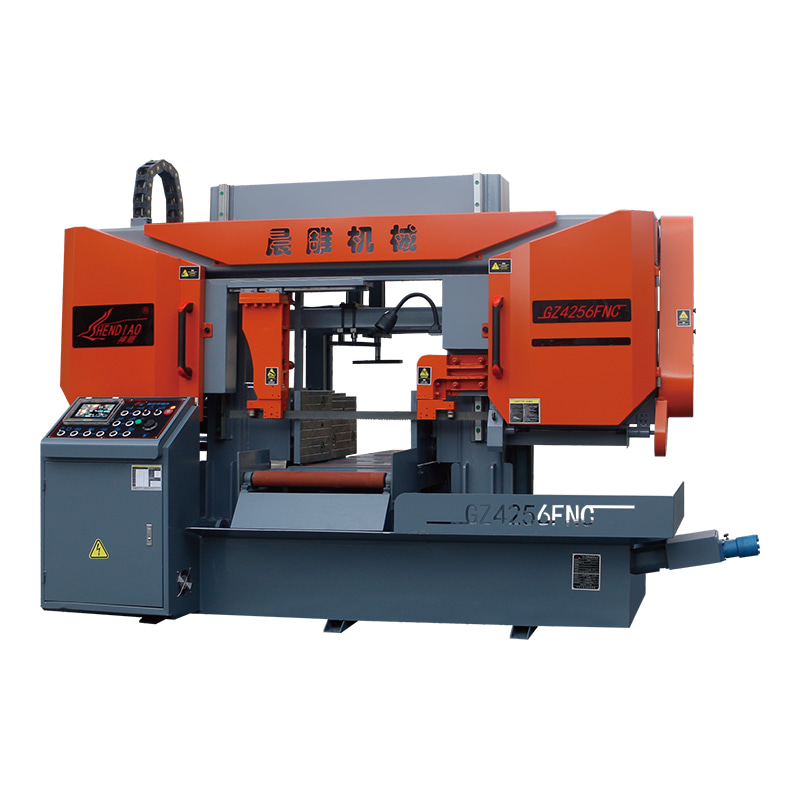
The GZ4256FNC High-Performance Smart Upgraded Bandsaw Machine Can Flex...
See Details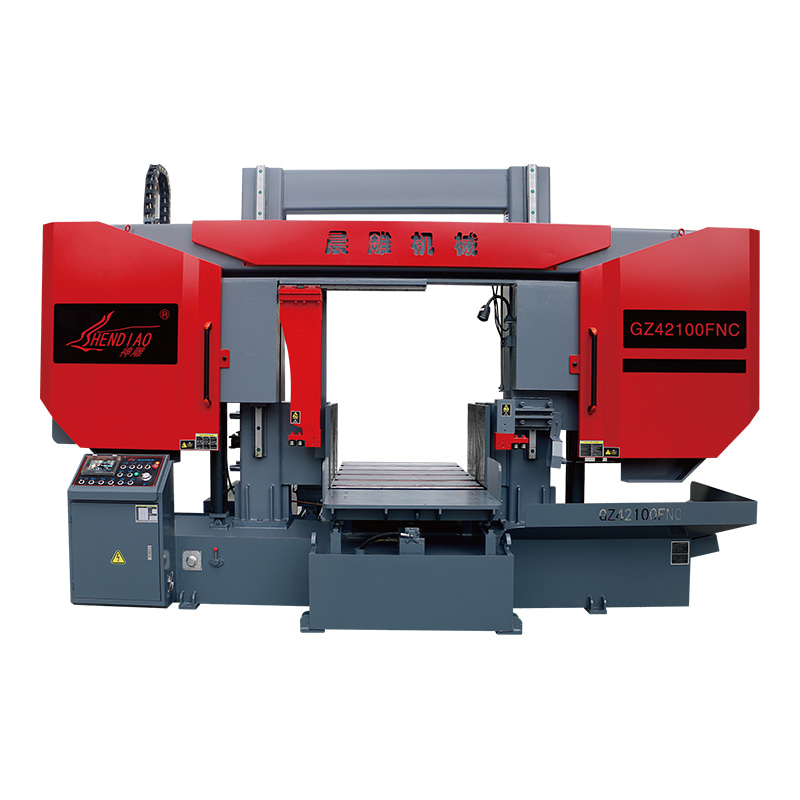
Automatic chip device. Saw blade hydraulic tensioning. Saw blade wire ...
See Details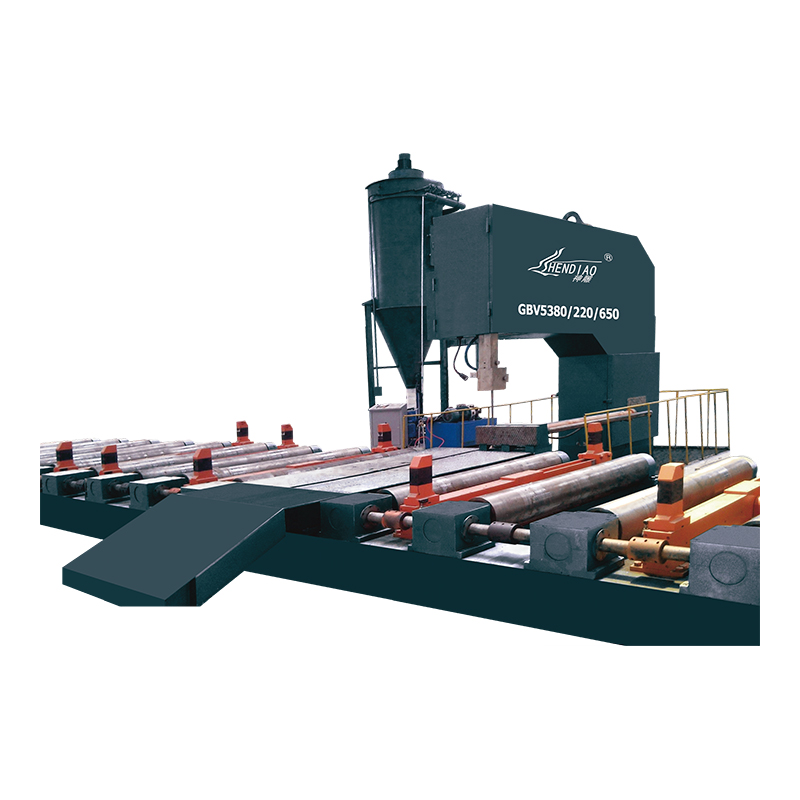
The GBV5380/220/650 High-Speed Aluminum Cutting Vertical Band Blanking...
See Details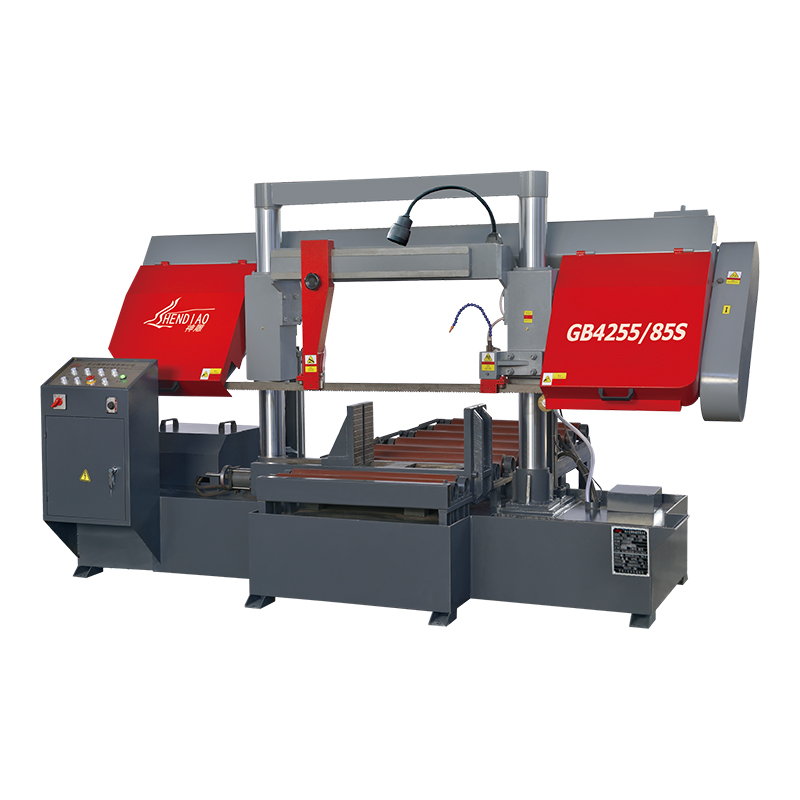
The GB4255/85S horizontal band saw is a beast of a machine built for h...
See Details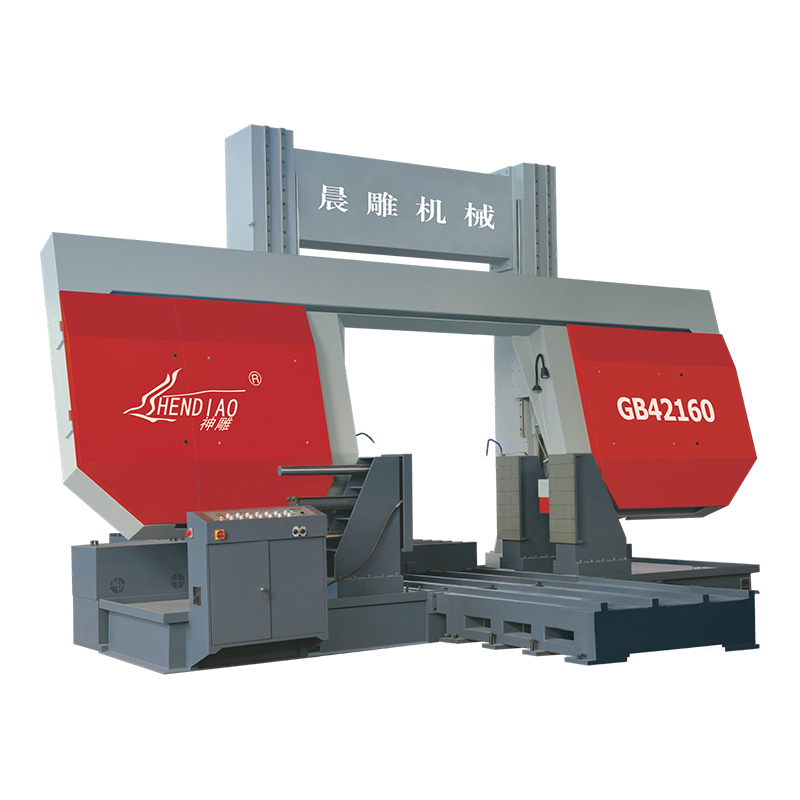
The GB42160 is a gantry-type metal band saw built with a seriously bee...
See Details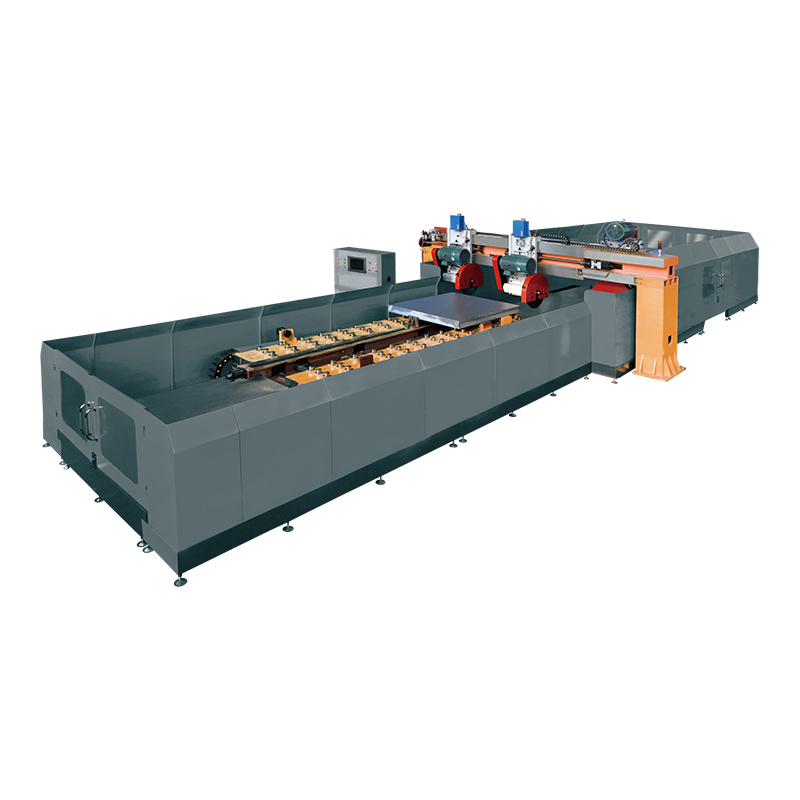
The GBV15/200/400 Large Aluminum Ingot Peripheral Cutting Machine is d...
See DetailsCopyright © Zhejiang Chendiao Machinery Co., Ltd. Rights Reserved.
Band Saw Factory

