


 русский
 Français
 Español
NCJ-150 Fully Automatic High-Speed Metal Circular Saw Machine Steel Rod Blanking Machine Sawing Machine
Cat:Hinged Circular Saw Machine
Highly rigid body structure with advanced clamping device, environment...
See DetailsBand saw products are not limited to one type of workshop or production line. They appear in many different environments where materials need to be cut into usable shapes. The idea is simple on the surface. A moving blade removes material in a continuous path. But in practice, the way this cutting process fits into industrial work is more varied than it seems.
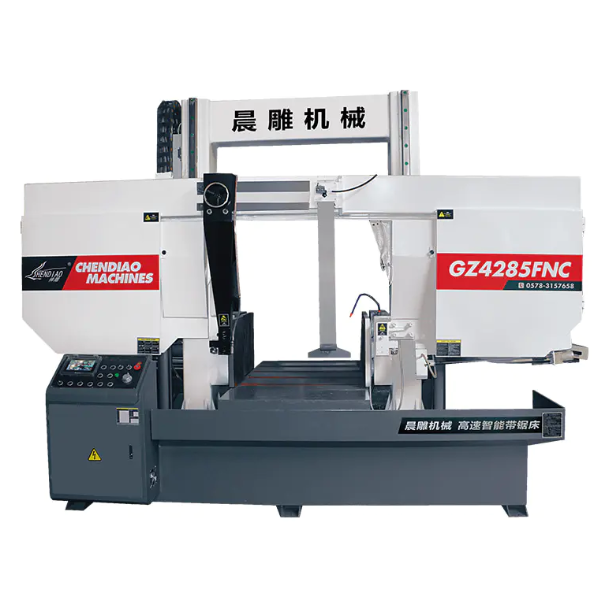
In many factories, cutting is not treated as a final step. It is more like a starting point. Raw material comes in, and before anything else can happen, it needs to be divided, adjusted, or reshaped. That is usually where band saw equipment becomes part of the workflow.
The interesting part is not only what it cuts, but how it behaves across different materials and conditions.
Different production sites often share one basic requirement: controlled material separation. Not all materials respond the same way when force is applied. Some are rigid. Some are layered. Some are unpredictable in structure.
A band saw system offers a steady cutting path. The movement is continuous rather than sudden. That alone changes how the material reacts during processing.
In real use, this means less sudden stress on the workpiece. The cut tends to develop gradually. Operators usually prefer this kind of behavior when working with materials that should not crack or deform easily.
There is also a practical reason. One system can handle multiple tasks without major changes in setup. That makes it easier to fit into different production lines without redesigning the workflow.
Metal processing is one of the common areas where band saw systems are used. Large metal pieces rarely arrive in a size that can be used directly. They need to be broken down first.
In many workshops, this is the first physical step after raw material arrives.
The cutting process is usually steady. The material is guided into the moving blade, and the system keeps a consistent motion throughout. Instead of forcing the material apart, the blade removes it gradually.
This matters because metal tends to respond strongly to sudden force. A smoother approach helps keep the cut line more controlled.
| Stage in Metal Work | Role of Band Saw System |
|---|---|
| Raw material entry | Initial sectioning |
| Size adjustment | Reducing bulk material |
| Pre-shaping | Preparing for machining |
| Separation tasks | Splitting combined parts |
It is not a glamorous stage in production, but it is necessary. Without it, later processes often become harder to manage.
Wood behaves differently from metal. Even within the same piece, density can change from one direction to another. That makes cutting less predictable if the motion is not stable.
Band saw systems are often used because they keep a continuous contact with the material. The blade does not jump or restart. It keeps moving in one direction, which helps reduce uneven splitting.
In woodworking shops, this becomes useful for shaping and preparing pieces before finishing work begins. Some cuts are straight, others follow curves. The same system can handle both without major adjustments.
There is also a practical advantage. A smoother cut surface usually means less sanding or correction later. That saves time in the following steps, even if it is not immediately noticeable during cutting itself.
Construction materials do not always come in uniform shapes. Some are dense, some are layered, and some have mixed structures. Cutting them requires a stable approach rather than a forceful one.
Band saw systems are often used to divide these materials into manageable sections before they are used on-site or in further processing.
What stands out in these applications is not speed, but control. A stable cutting line helps reduce irregular edges, which makes later assembly easier.
In many cases, the material is not just cut once. It is processed in stages, and band saw systems often handle the first division step.
Fabrication environments tend to deal with variety. One day it might be rods. Another day it might be frames or mixed structures. The cutting system has to adapt without slowing down the workflow.
Band saw equipment fits into this kind of environment because it does not rely on a single fixed cutting pattern. The operator can adjust the material handling approach depending on what is being processed.
It is less about complexity and more about flexibility. The same machine can be used across different tasks without needing major changes.
This reduces downtime between jobs. In busy workshops, that difference becomes noticeable over time.
It is easy to overlook the early stage of processing. Once materials are cut, attention often shifts to shaping, finishing, or assembly.
But if the first cut is uneven, everything that follows becomes harder to control.
Band saw systems help create a stable starting point. The material enters the next stage with a more predictable shape.
That stability is important in production lines where each step depends on the previous one. If the starting point changes too much, later adjustments increase.
So the role of band saw systems is not only cutting. It is also about setting a consistent base for everything that follows.
In many industrial settings, the challenge is not how hard a material is, but how often the material type changes.
A system that handles only one material type may not fit into mixed production environments. Band saw systems avoid that limitation by working across different material categories.
They can be used in environments where production needs shift frequently. This includes setups where material types change during the same working cycle.
Flexibility in this sense is not about complexity. It is about reducing the need to replace equipment when requirements change.
Modern production systems are often designed as flow processes. Material enters one end and gradually moves through different stages.
Band saw systems usually sit near the beginning of that flow. They prepare the material so that later stages can operate without interruption.
If the early cutting stage is unstable, the entire flow can slow down. If it is consistent, everything downstream becomes easier to manage.
This is why band saw equipment remains part of many production layouts, even when newer systems are introduced. Its role is simple but difficult to replace in practice.
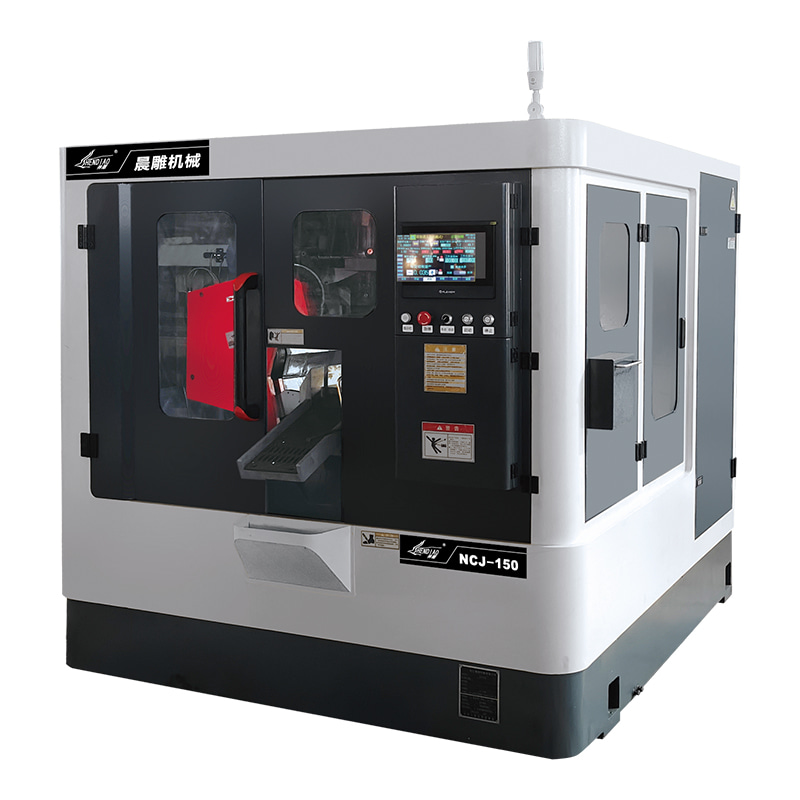
Highly rigid body structure with advanced clamping device, environment...
See Details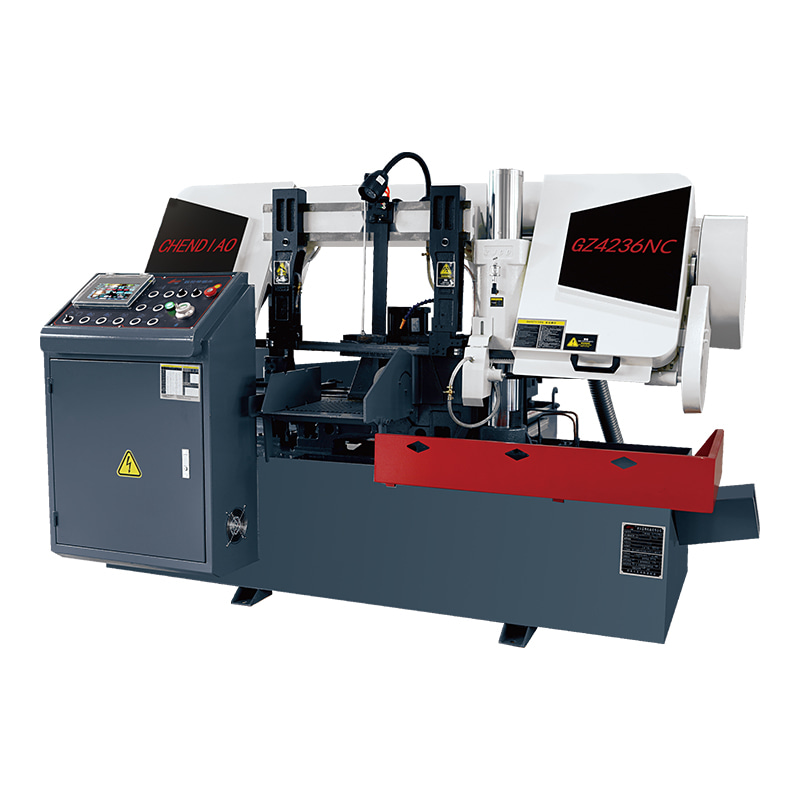
Suitable for sawing and cutting materials into same-size in massive qu...
See Details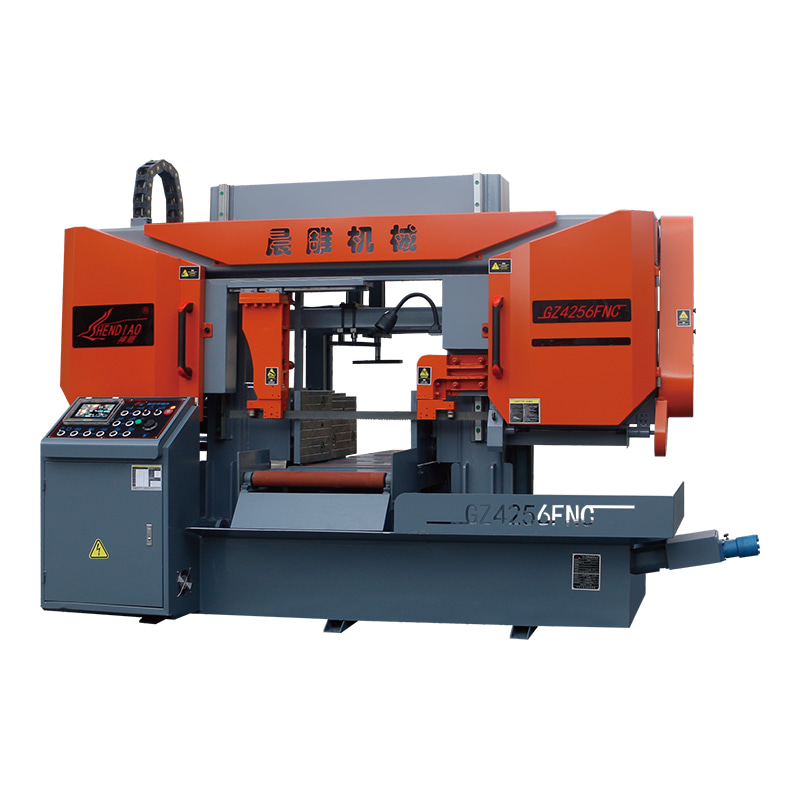
The GZ4256FNC High-Performance Smart Upgraded Bandsaw Machine Can Flex...
See Details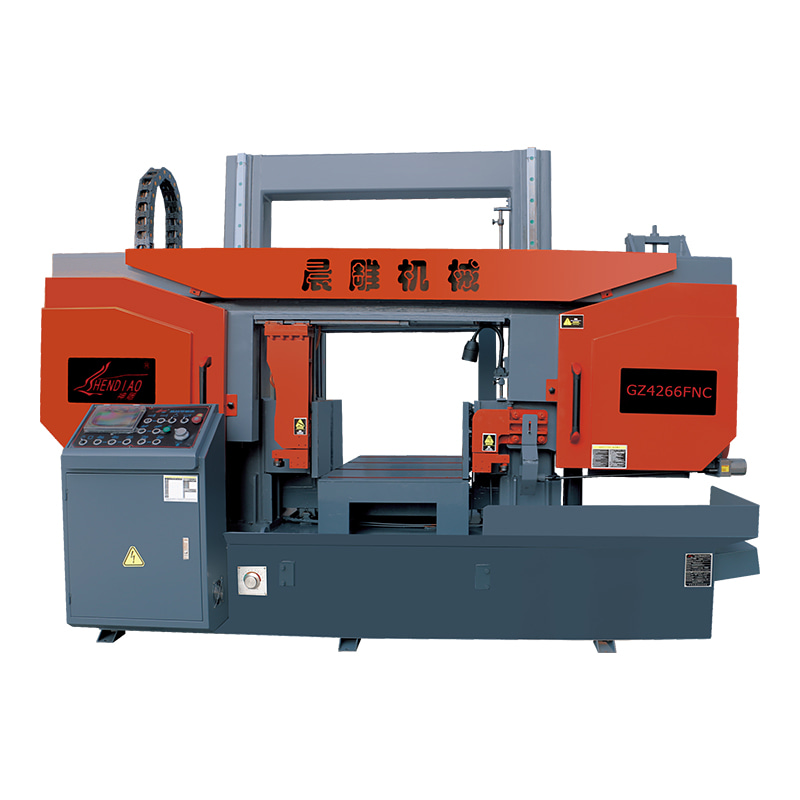
The GZ4266FNC Fully Automatic Feeding Full Roller High-Speed Intellige...
See Details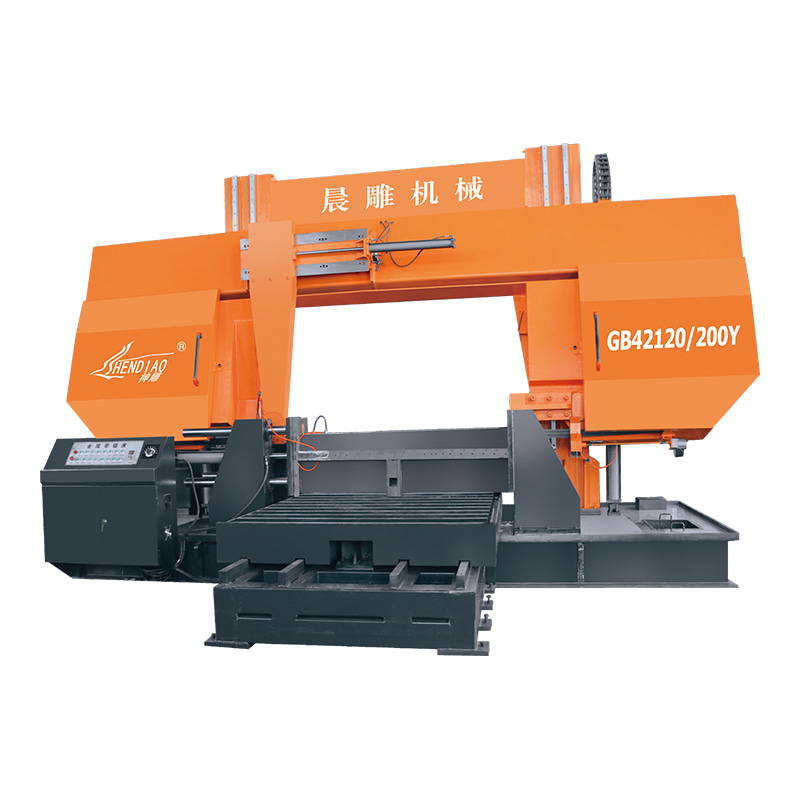
Ideal equipment for heavy-material cutting. Blade tension: hydraulic. ...
See Details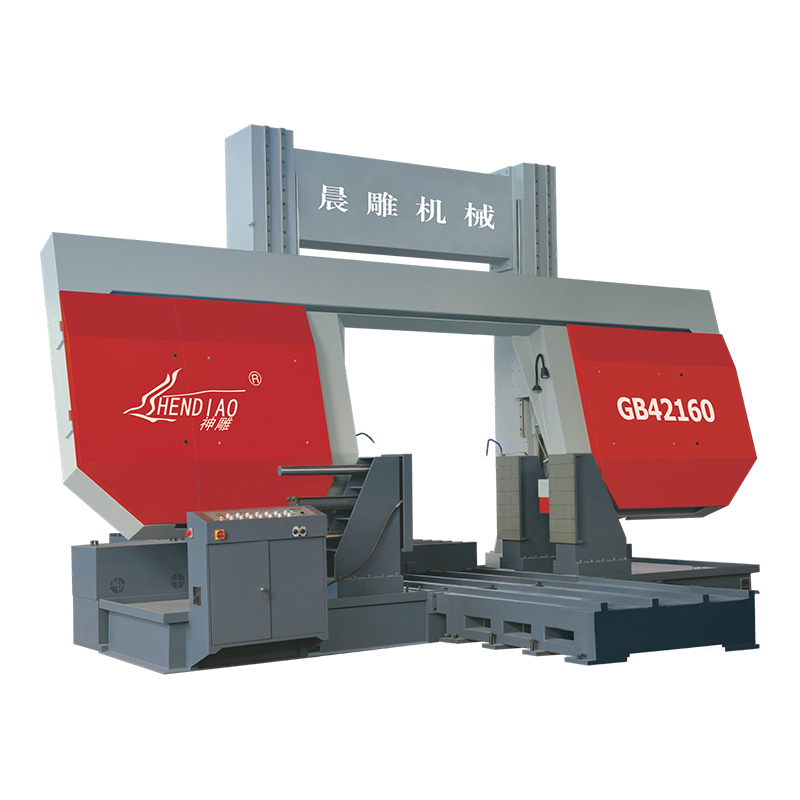
The GB42160 is a gantry-type metal band saw built with a seriously bee...
See DetailsCopyright © Zhejiang Chendiao Machinery Co., Ltd. Rights Reserved.
Band Saw Factory

