


 русский
 Français
 Español
GZ4236NC High-Speed Intelligent Band Saw Automatic Feeding Automatic Feeding
Cat:High-Speed Intelligent Band Saw
Suitable for sawing and cutting materials into same-size in massive qu...
See DetailsMetal cutting is a routine part of many manufacturing processes. A metal bar enters a workshop. A section is removed. The cut piece then moves to another stage for machining, forming, welding, or assembly.
The action may seem simple. In a production environment, however, the cutting process can influence much more than the shape of a workpiece.
Cutting speed affects workflow. Feeding affects consistency. Blade movement affects surface condition. Material handling affects how easily the next piece can be processed.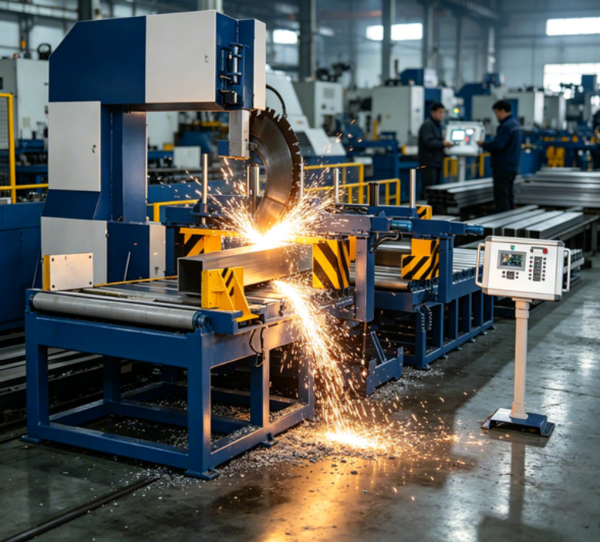
This is where a High Speed Band Saw Machine can become an important part of metal processing.
Unlike a basic cutting setup, a high speed band saw machine is designed around continuous material movement and controlled cutting. It can help manufacturers handle repeated cutting tasks while keeping the process organized.
The value is not simply about making the blade move faster. Efficiency comes from how the machine manages cutting, feeding, positioning, and material handling as part of one process.
At its core, a band saw uses a continuous loop of blade running around a fixed path, cutting through material as the workpiece sits supported on the machine bed.
A high-speed design pushes that concept further by focusing heavily on production flow. Feeding, positioning, cutting, and unloading often get folded into one continuous working cycle rather than staying as separate steps.
That shift changes how operators actually approach repetitive cutting jobs.
With a basic setup, you're looking at a string of separate actions — position the material, start the cut, pull the finished piece, prep the next section, repeat. A more organized machine cuts a lot of that manual back-and-forth out entirely.
The difference can be seen in several areas:
| Production Area | Conventional Cutting Approach | High Speed Band Saw Machine |
|---|---|---|
| Material positioning | Often requires manual adjustment | Can be integrated into the cutting process |
| Repeated cutting | More operator involvement | Designed for repeated operations |
| Material movement | May require separate handling | Can work with a controlled feeding process |
| Cutting sequence | Often handled step by step | Can follow an organized cycle |
| Production flow | May involve interruptions | Supports a more continuous workflow |
The exact arrangement depends on the machine and application. The main idea remains the same. A high speed band saw machine connects several cutting activities into a more structured process.
Cutting speed is one piece of the efficiency puzzle — just not the whole thing.
On a line handling a steady stream of similar workpieces, the time each cut takes ripples through the entire workflow. A machine that finishes cuts on a controlled, predictable schedule keeps material flowing to the next stage without pointless waiting around.
That said, faster isn't automatically better here — worth saying plainly.
The cutting action still has to match the material and the job at hand. Push too aggressively for the application, and you end up trading speed for blade wear and inconsistent results — a bad trade most of the time.
A high speed band saw is better thought of as a system tuned for controlled productivity, rather than just a machine cranked up to run fast.
The machine can help improve efficiency by coordinating:
When these activities work together, the production process can become easier to manage.
For manufacturers handling repeated metal cutting tasks, this organization can be as important as cutting speed itself.
Material feeding ties directly into production flow — there's no getting around that connection.
Before any cut happens, the workpiece has to land in the right spot. Do that manually every single time, and operators end up burning a huge chunk of their shift just moving and repositioning stock instead of actually watching the process.
Automatic feeding rewrites that equation.
A feeding system pushes material toward the cutting zone following whatever sequence the job calls for. That frees the operator to focus on running the machine, checking material quality, and keeping an eye on the broader workflow instead.
This pays off hardest when the same type of workpiece needs cutting over and over.
Take a long metal section running through production. The machine doesn't need to treat every single cut as its own isolated event — material just moves through the cutting zone in one organized sequence instead.
The payoff is a much smoother handoff between feeding and cutting.
Automatic feeding also kills a lot of dead time. When material movement and cutting run in sync, the machine isn't sitting idle waiting on someone to manually set up the next piece.
That's exactly why feeding systems have become such a central factor for manufacturers weighing a High Speed Band Saw Machine purchase.
A cutting machine cannot produce a useful result if the material is not positioned properly.
The workpiece needs to remain stable during cutting. Its location also needs to match the intended cutting sequence.
Manual positioning can work well for simple jobs. Repeated industrial production creates different demands.
When the same type of cut is performed again and again, small differences in positioning can make the process less predictable. Operators may need to make frequent adjustments. This can slow the workflow and create additional handling work.
A high speed band saw machine can help organize positioning as part of the cutting cycle.
The machine holds the material in place while the blade performs the cutting action. Feeding and positioning can then work together rather than being treated as unrelated tasks.
This relationship matters when production involves many similar pieces.
It also helps explain why efficiency should not be measured only by how quickly the blade moves. A machine may cut quickly, but if operators constantly need to stop and reposition material, the overall workflow may still be slow.
Controlled positioning helps turn cutting speed into practical production efficiency.
The blade is the part that directly interacts with the metal, so its movement has an important role in the cutting process.
A band saw blade follows a continuous path. This differs from cutting methods that rely on a single back-and-forth motion.
The continuous movement allows the blade to remain engaged with the material as it travels through the cutting area. This can support a steady cutting action when the machine is properly matched to the workpiece.
Blade condition also matters.
A worn blade may change the way it interacts with the material. Cutting can become less consistent, and the operator may need to replace or adjust the blade more frequently.
Blade selection should therefore be considered together with the material being processed.
Different metals can respond differently during cutting. A blade suitable for one type of material may not provide the same results with another.
For this reason, manufacturers often consider the following factors when selecting a cutting setup:
| Consideration | Why It Matters |
|---|---|
| Material type | Different metals can behave differently during cutting |
| Material shape | Bars, tubes, profiles, and other shapes create different cutting conditions |
| Cutting frequency | Repeated production places different demands on the blade |
| Surface condition | Material condition can influence the cutting process |
| Machine arrangement | Blade choice should fit the machine and its working method |
The goal is to create a balanced cutting process. Speed is useful when it works together with suitable blade selection and stable material handling.
Automation has changed the way many manufacturers approach repeated production tasks.
In metal cutting, automation does not necessarily mean removing operators from the process. Instead, it can reduce repetitive manual actions and allow people to focus on tasks that require judgment.
A High Speed Band Saw Machine may integrate several automated functions. Depending on the machine design, these can include feeding, positioning, cutting, and movement between production stages.
This creates a more predictable workflow.
An operator can monitor the machine and respond when material conditions change. Routine movements can be handled by the equipment.
This arrangement can be useful when production involves similar cutting operations throughout the working day.
Automation may also help manufacturers organize production around a defined sequence. Instead of treating each cut as an isolated task, the machine can operate as part of a wider material-processing system.
There is another practical benefit.
A more automated process can make production easier to monitor. When the cutting sequence follows a consistent pattern, it becomes simpler to identify where interruptions occur.
Manufacturers can then look at the entire workflow rather than focusing only on the cutting action.
Machines are commonly associated with metal processing. Their applications can vary according to machine design, blade selection, material shape, and production requirements.
They may be used to process:
The machine may appear in different production environments.
In a metalworking workshop, it can prepare material for later machining. In a fabrication facility, it can cut sections before welding or assembly. In a larger production line, it can become one stage within a connected material-handling process.
The application determines how the machine should be configured.
A company processing small batches may have different requirements from a manufacturer handling continuous production. Material shape can also influence the feeding and positioning method.
This is why there is no single setup suitable for every cutting task.
The machine should fit the production process rather than forcing the production process to fit the machine.
Choosing a band saw machine involves more than comparing cutting speed.
Manufacturers should look at how the machine fits their actual workflow.
Material is an important starting point. The type, shape, and condition of the metal can influence blade selection and machine arrangement.
Production style is another consideration. A workshop handling occasional cutting may need a different system from a factory performing repeated cuts throughout the day.
Material handling should also receive attention.
If long sections need to be moved into position, the feeding arrangement becomes important. If finished pieces need to move directly to another process, the machine should fit that workflow as well.
Operators should also consider machine access and maintenance.
A machine that is easy to inspect and maintain can be easier to manage over time. Blade replacement, cleaning, material adjustment, and routine checks are all part of normal operation.
A practical evaluation can include:
These questions can help buyers look beyond a single machine feature.
A High Speed Band Saw Machine is useful when its cutting ability, feeding method, blade arrangement, and material handling work together.
The modern metalworking environment is increasingly focused on production flow rather than isolated operations. Cutting is one part of that process.
A machine that can bring feeding, positioning, cutting, and handling into a coordinated sequence can make the overall operation easier to organize.
That is where the value of high speed band sawing becomes more practical. It is not simply about cutting metal faster. It is about creating a smoother path from raw material to the next production stage.
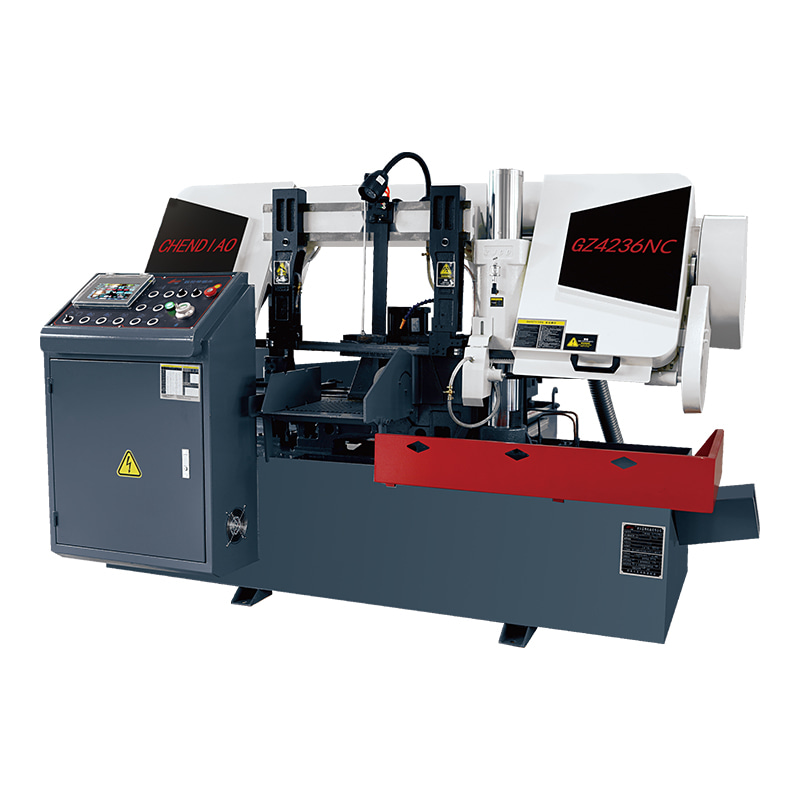
Suitable for sawing and cutting materials into same-size in massive qu...
See Details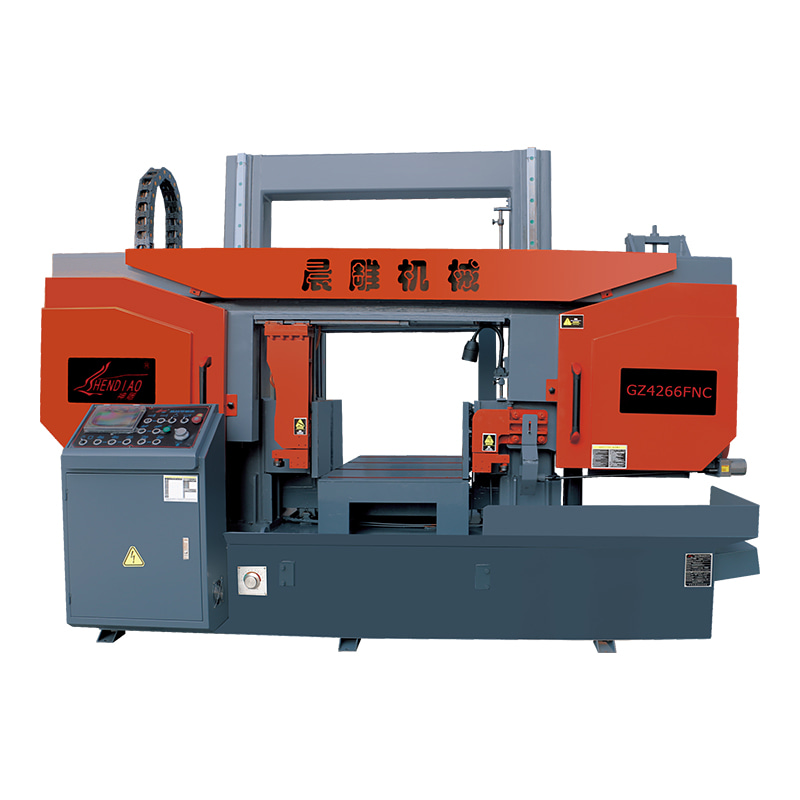
The GZ4266FNC Fully Automatic Feeding Full Roller High-Speed Intellige...
See Details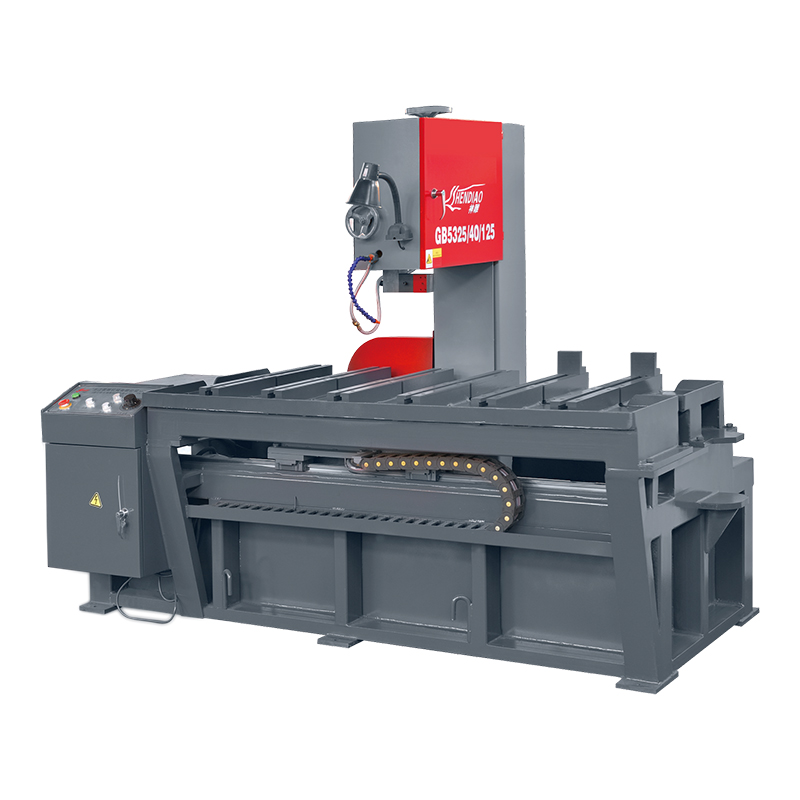
The GB5325/40/125 Semi-Automatic Vertical Band Sawing Machine handles ...
See Details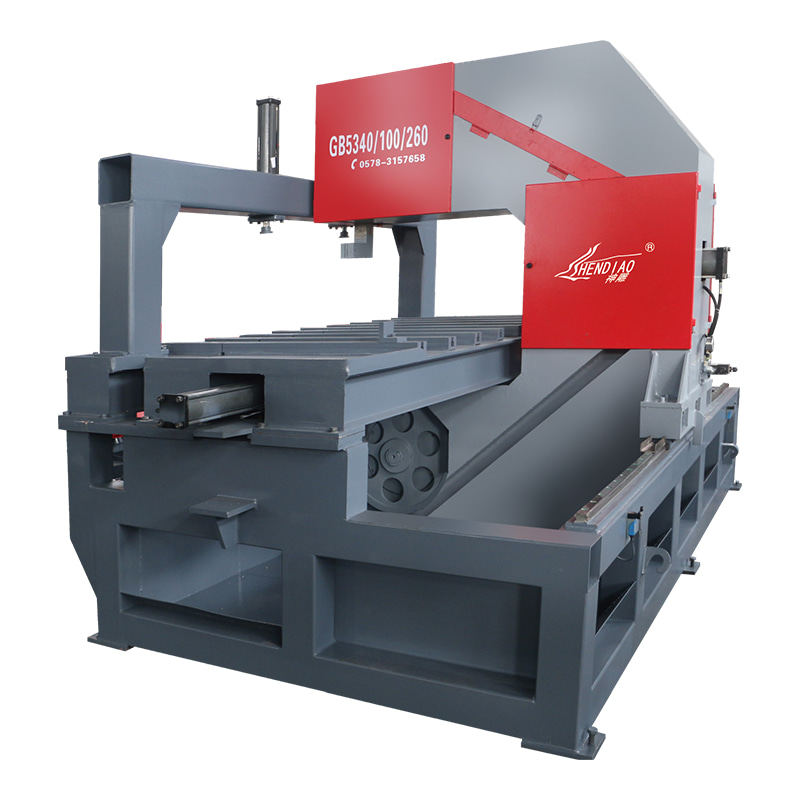
The GB5340/100/260 Gantry Pressed Plate Cutting Vertical Band Sawing M...
See Details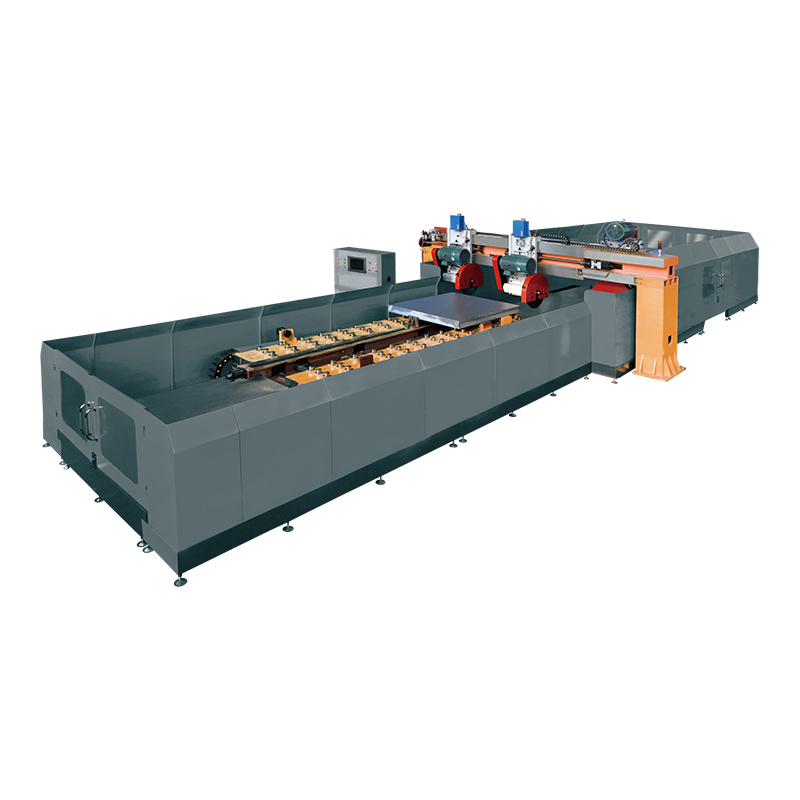
The GBV15/200/400 Large Aluminum Ingot Peripheral Cutting Machine is d...
See Details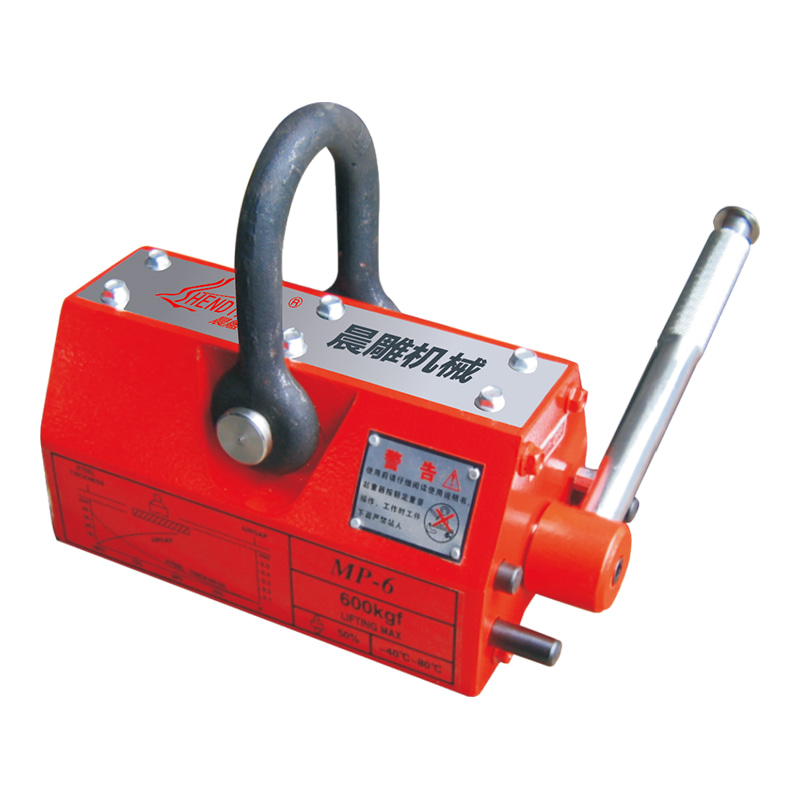
The magnetic lifting heads, which have been developed, designed, and m...
See DetailsCopyright © Zhejiang Chendiao Machinery Co., Ltd. Rights Reserved.
Band Saw Factory

