


 русский
 Français
 Español
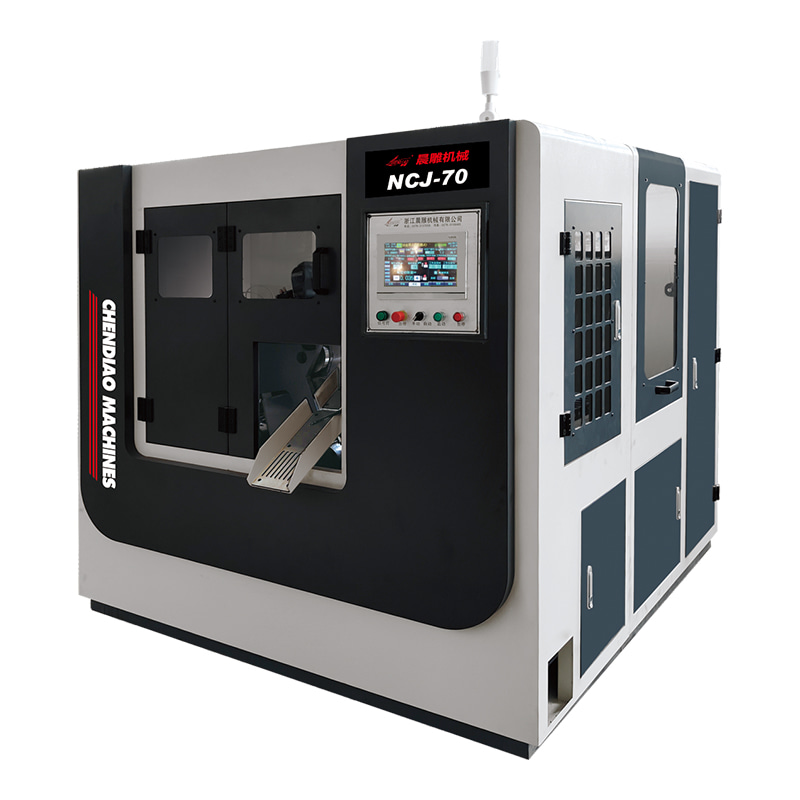
NCJ-70 Servo Automatic Feeding High Speed Metal Circular Saw Machine
Cat:Hinged Circular Saw Machine
Servo Automatic Feeding High Speed Metal Circular Saw Machine is an ad...
See DetailsA modern workshop is not simply a room filled with machines.It is a working environment where materials arrive, operators prepare tasks, equipment performs different operations, and finished pieces move to the next stage. The way these activities connect can affect how comfortable and organized the workplace feels.Cutting is often part of this process.
Metal sections, bars, pipes, profiles, and other workpieces may need to be divided before they can be processed further. The cutting machine therefore has a role beyond making a cut. Its structure can influence how material is handled, how operators interact with the equipment, and how the surrounding workspace is arranged.
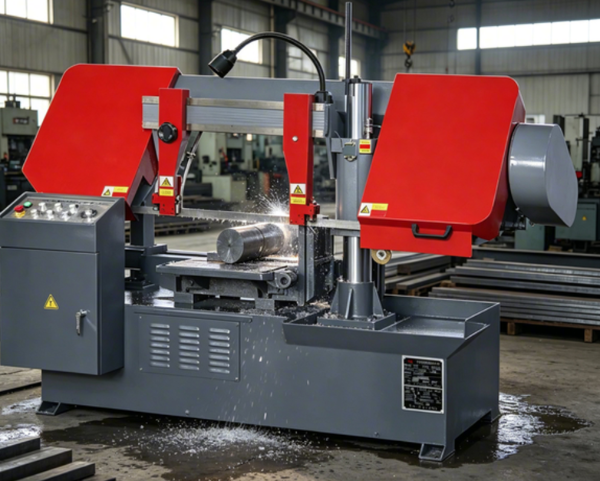
This is where the Double Column Horizontal Band Saw Machine becomes worth examining.
The double-column structure provides a firm framework around the cutting area. A horizontal arrangement creates a defined working direction. Together, these design features can become part of the way a workshop organizes cutting work.
As workshops place more attention on practical layouts, repeatable operations, material handling, and everyday usability, machine design can have an influence that is easy to overlook.
A machine does not operate in isolation.
It occupies floor space. Operators need room to work around it. Materials need to be moved into position. Cut pieces need to leave the working area. Maintenance also needs to be considered.
This means the physical design of a machine can affect the wider workshop.
A compact-looking machine may still be difficult to use if material movement around it is inconvenient. A machine with a well-planned working area may make daily tasks easier to organize, even when the cutting process itself remains straightforward.
For a workshop, several factors are connected:
| Workshop Consideration | Relationship With Machine Design |
|---|---|
| Working space | Determines how the machine fits into the workshop |
| Material handling | Influences how workpieces approach and leave the cutting area |
| Operator access | Affects how easily daily tasks can be performed |
| Cutting workflow | Helps determine how materials move through the work area |
| Maintenance access | Influences routine inspection and care |
| Workspace organization | Can affect how nearby equipment and storage are arranged |
The machine therefore becomes part of the workshop layout.
Its design can shape the space around it, rather than simply occupying an empty section of the floor.
The structure of a band saw machine plays an important role in how the cutting area is arranged.
A double-column design uses two supporting columns to create a defined framework around the working section. This gives the machine a distinct physical presence within the workshop.
For operators, the structure helps separate the cutting area from the surrounding workspace.
That separation can make the machine easier to understand at a glance. The operator can see where material is positioned, where the cutting action takes place, and where access is required.
The structure also has an effect on how the machine interacts with longer workpieces.
A workshop may handle materials of different shapes and sizes. Some workpieces may extend beyond the immediate cutting area and require support nearby. The machine layout therefore needs to work with the surrounding material-handling space.
This is where workshop planning becomes important.
Instead of asking only where the machine can fit, users can consider how materials will move toward it and how cut pieces will be handled afterward.
A practical layout may include:
Workpieces can be organized before they reach the cutting area.
Operators need a clear area around the equipment for normal tasks.
The material needs to sit in a suitable position while the cutting operation takes place.
Cut material should have somewhere to go without interfering with incoming workpieces.
The double-column structure is therefore part of a larger workspace relationship.
Material handling can take up a surprising amount of workshop time.
A cutting operation may be relatively simple, but getting the workpiece to the machine can involve several steps. The material may need to be moved from storage, aligned with the working area, positioned for cutting, and transferred again after the operation.
Machine design can influence this process.
A horizontal band saw arrangement naturally creates a working direction. This can help workshops think about material flow in a more organized way.
For example, long materials can approach the machine along a planned route. Supporting surfaces can be positioned around the cutting area. Storage can be arranged so that frequently used materials do not interfere with active work.
The machine does not solve material-handling problems by itself.
However, its structure gives the workshop something around which the material flow can be planned.
This can be particularly useful in workshops where several cutting tasks happen during the same working period.
A clear material path can help reduce unnecessary movement. It can also make the working area easier for operators to understand.
A machine may be capable of performing its intended cutting task, but everyday usability depends on more than the cutting action.
Operators interact with the equipment repeatedly.
They prepare materials. They position workpieces. They observe the cutting process. They remove finished pieces. They may also perform routine cleaning and inspection.
Each of these activities requires access.
The layout of a Double Column Horizontal Band Saw Machine can therefore affect how the operator approaches the equipment.
A useful design should leave practical working space around the areas that require regular attention. The operator should not have to work around unnecessary obstacles simply to complete a routine task.
This becomes more noticeable when a machine is used throughout the working day.
Small inconveniences can become part of the normal workflow. A difficult access point may require repeated movement. An awkward material position may make preparation less natural. Limited surrounding space can affect how finished pieces are removed.
These issues may not appear important when looking only at the machine itself.
They become more visible when the machine is considered as part of a complete workshop.
Workshop organization is closely connected with workflow.
When materials, machines, tools, and finished products have clear places, operators can spend less time figuring out where something should go.
A band saw machine can become one of the fixed points in this organization.
The cutting area can be planned around the machine. Material storage can be placed according to the expected workflow. Nearby equipment can be arranged so that one operation can connect naturally with the next.
This approach can be described as a simple movement chain:
Material storage → preparation → cutting → inspection → next operation
The band saw sits within this chain.
Its location and physical design can influence how easily the stages connect.
For workshops handling several types of workpieces, flexibility also matters. A machine should fit the current layout without making future changes unnecessarily difficult.
This does not mean every workshop needs the same arrangement.
A small fabrication space may have different priorities from a larger production floor. A workshop handling long materials may need a different material path from one working mainly with smaller pieces.
The useful question is not whether one layout is suitable for every workplace.
It is whether the machine design can work naturally with the specific workflow around it.
Maintenance is part of normal equipment use.
A workshop needs to think about what happens after the machine has been operating for a period of time. Surfaces may need cleaning. Moving areas may need inspection. Components may eventually require attention or replacement.
Access matters during these tasks.
If important areas are difficult to reach, routine care can become more inconvenient. If the machine provides practical access around its working components, maintenance can be easier to incorporate into the workshop routine.
The surrounding environment also deserves attention.
Cutting work can produce chips, dust, and waste material. These may accumulate around the equipment if the workspace is not organized properly.
For this reason, machine placement and workshop cleanliness are connected.
A maintenance-friendly layout can include:
These details may seem ordinary.
In daily workshop operation, however, ordinary details often have a noticeable effect on how easily work gets done.
Choosing a machine involves more than looking at its basic function.
The workshop should consider how the equipment will be used within the existing working environment.
Material type is one consideration. The shape and handling requirements of the workpieces can affect how the machine needs to be positioned.
Available space is another.
A workshop should think about the machine itself as well as the area around it. Operators need room to approach the equipment. Materials need a practical route into the cutting area. Finished pieces need somewhere to go.
Supplier communication can also help during the selection process.
Rather than discussing only the machine, buyers can explain the intended application and workshop conditions. This gives the supplier a clearer understanding of what the equipment needs to fit into.
A simple evaluation can include the following:
| Evaluation Area | Question to Consider |
|---|---|
| Machine structure | Does the design suit the intended cutting work? |
| Workshop space | Can the machine fit without restricting normal movement? |
| Material flow | Can workpieces move naturally toward and away from the cutting area? |
| Operator access | Is there practical space for daily operation? |
| Maintenance | Can routine care be carried out without unnecessary difficulty? |
| Workflow | Does the machine fit the existing sequence of work? |
| Flexibility | Can the workspace adapt if cutting needs change? |
| Supplier communication | Can the supplier understand the actual workshop application? |
This type of evaluation shifts attention from the machine as an individual product to the machine as part of a working environment.
The role of cutting equipment is closely tied to the way a workshop operates.
A machine can influence where materials are stored, how operators move, and how work passes from one stage to another. Its physical structure can also affect the space available around the cutting area.
That makes machine selection part of workshop planning.
The question is no longer only about whether a machine can perform a cutting task.
It can also be about how naturally that machine fits into the workplace.
For a modern workshop, several design questions may therefore be considered together:
How does the machine fit the available space?
How will materials reach the cutting area?
Where will operators stand and work?
How will finished pieces leave the machine?
Can routine maintenance be handled within the existing workflow?
Will the equipment remain practical if the workshop changes later?
These questions connect machine design with everyday workshop activity.
The Double Column Horizontal Band Saw Machine can consequently be viewed not only as a cutting machine, but also as a physical part of the workshop's movement, organization, and working process.
Servo Automatic Feeding High Speed Metal Circular Saw Machine is an ad...
See Details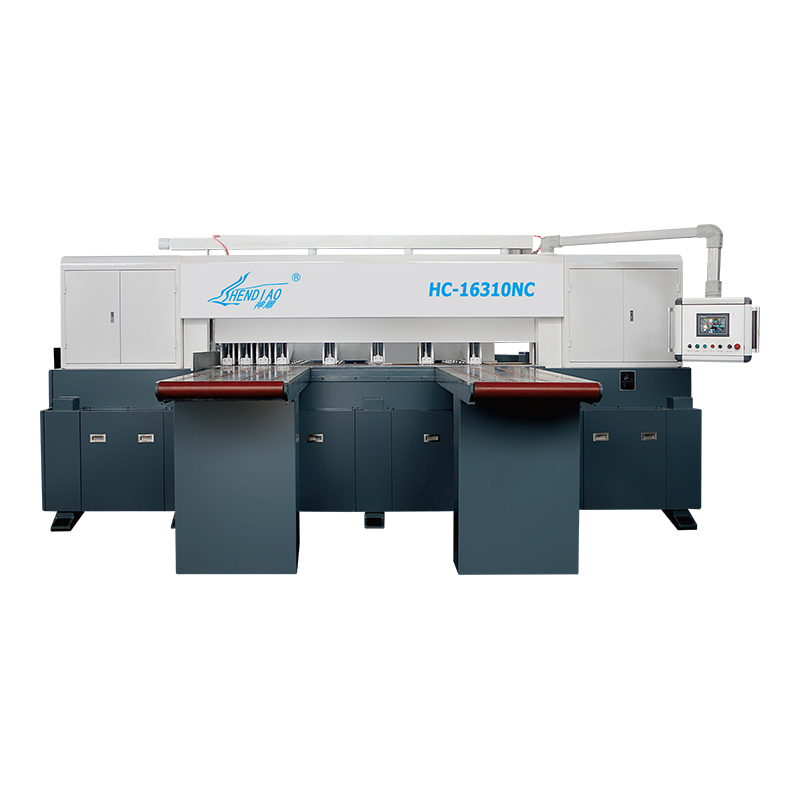
Suitable for cutting aluminum alloy plate, high efficiency (3 times of...
See Details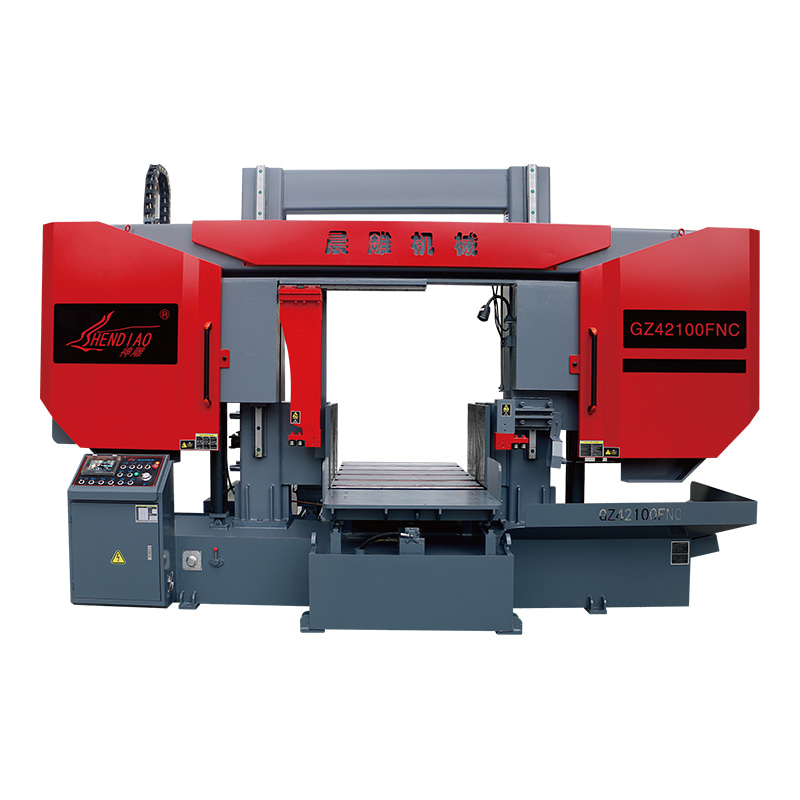
Automatic chip device. Saw blade hydraulic tensioning. Saw blade wire ...
See Details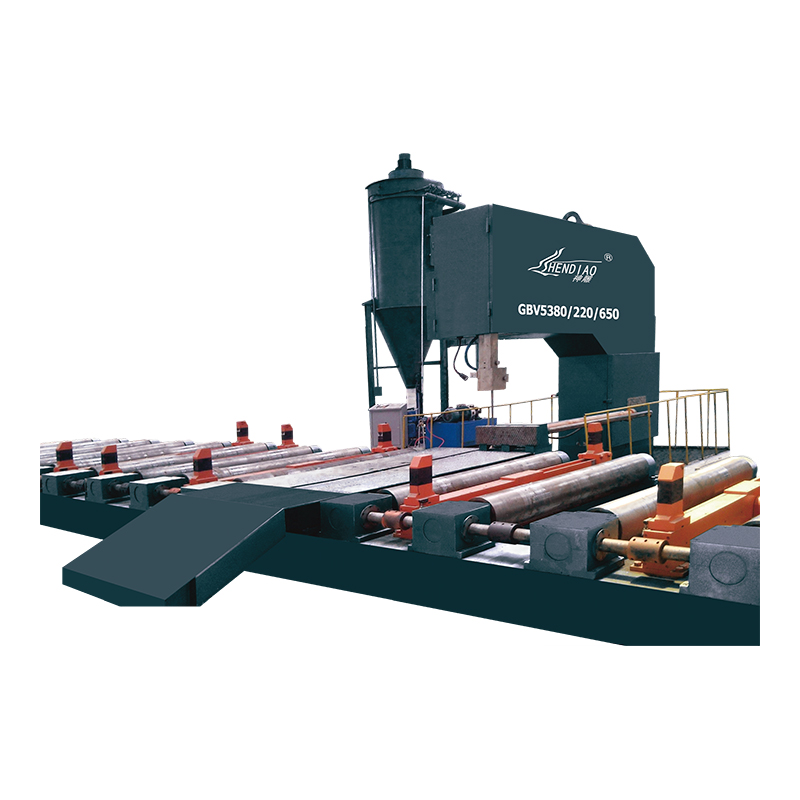
The GBV5380/220/650 High-Speed Aluminum Cutting Vertical Band Blanking...
See Details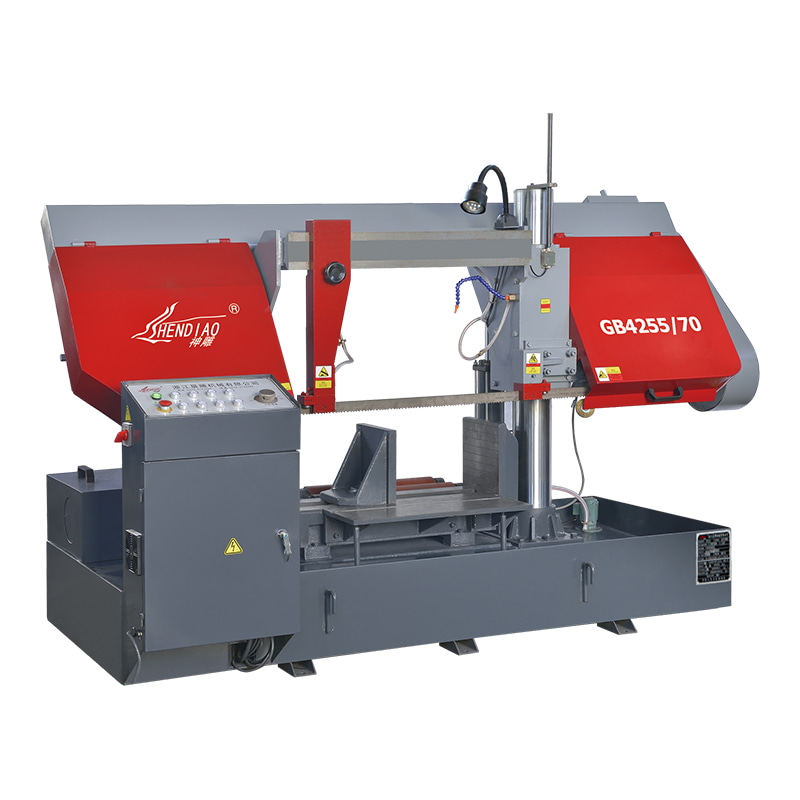
The GB4255/70 Button Chain Feed Double-Cylinder Horizontal Band Metal ...
See Details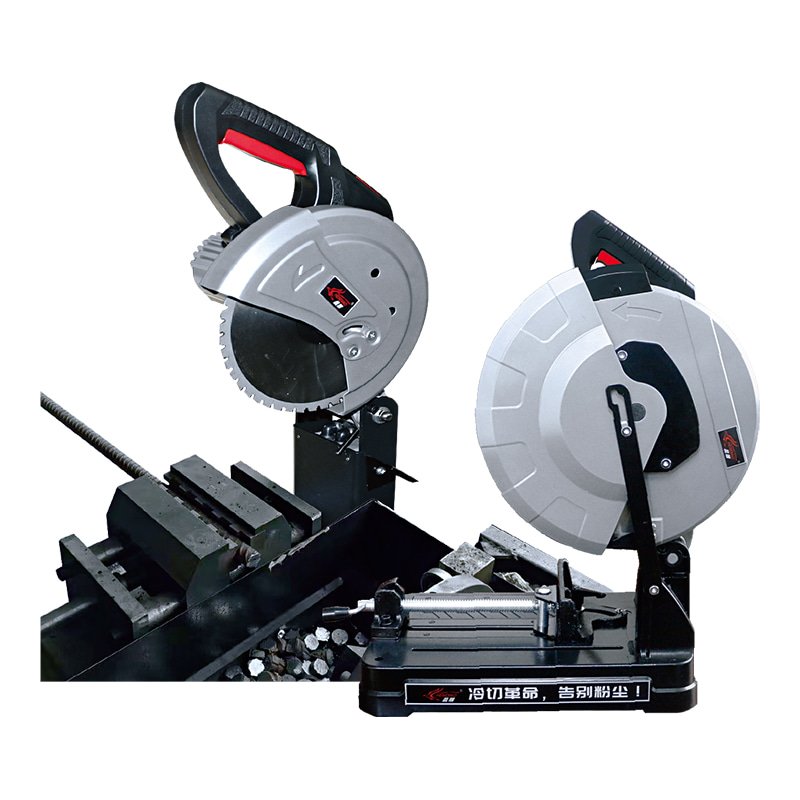
The 25/35 Permanent Magnet Brushless Cold Cutting Saw Machine is highl...
See DetailsCopyright © Zhejiang Chendiao Machinery Co., Ltd. Rights Reserved.
Band Saw Factory

