


 русский
 Français
 Español
NCJ-70 Servo Automatic Feeding High Speed Metal Circular Saw Machine
Cat:Hinged Circular Saw Machine
Servo Automatic Feeding High Speed Metal Circular Saw Machine is an ad...
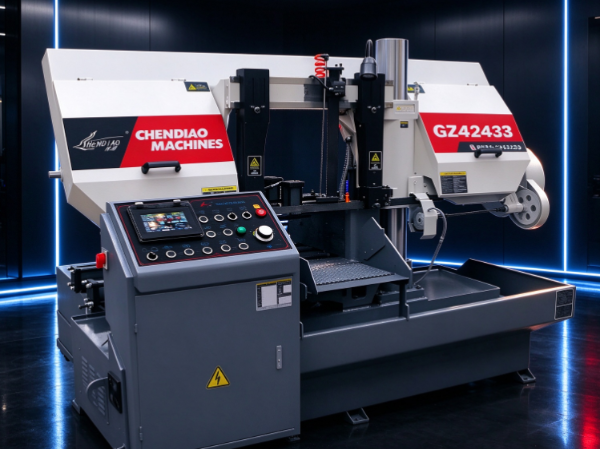
See DetailsChoosing a band saw manufacturer matters for any business that processes metal, builds equipment, or runs industrial production. A band saw looks like a simple cutting tool, but its design touches daily work in many ways. Cut consistency, machine stability, ease of maintenance, and fit with your existing workflow all decide how well it performs on the shop floor.
Manufacturers build for different materials, workpiece shapes, production needs, and operating conditions. A model made for a small workshop may struggle in a busy metal processing plant. A machine meant for plain straight cuts also differs from one used for complex cutting tasks.
Price is part of the decision, not the whole story. You also need to know how the manufacturer builds its machines, checks their quality, supports customers, and responds to practical requests.
A careful evaluation helps you find a supplier whose equipment and service match your real needs. It also makes communication clearer before you order, and it lowers the risk of buying a machine that doesn't suit the job.
Before you compare suppliers, get clear on your own cutting requirements. Without them, it's hard to judge whether a machine is suitable or to compare offers fairly.
Start with the material. Metals differ in hardness, shape, and cutting behavior. Solid bars, pipes, tubes, and structural sections each pose different challenges. A manufacturer must understand these differences before it can recommend a machine.
Your production pattern matters too. Some businesses cut occasionally, for repairs or small orders. Others need a machine that runs through a full production shift. These patterns shape the machine structure, the feeding arrangement, and the level of automation you need.
Think about space as well. The machine needs room for itself, for handling workpieces, for operator access, and for routine maintenance. Long materials may need extra support outside the cutting area.
A few questions help define the requirement:
With these answers, manufacturers can discuss suitable equipment in practical terms. You also avoid comparing machines built for different purposes.
The requirement doesn't have to be complicated. A short description of your current cutting process, common workpiece types, and expected operating conditions is a good start.
A manufacturer should be able to explain how it designs, assembles, and inspects its machines. That tells you whether its production process fits your order.
Building a machine takes more than bolting parts together. The frame must hold up under cutting loads. Moving parts have to work in step. The feeding and clamping systems must suit your materials. Electrical and control components must be integrated into the machine.
Ask how the manufacturer handles each stage. Does it follow a defined assembly process? How does it check incoming components? How are machines inspected before shipping? How does it record and resolve production problems?
The answers should explain the process plainly, without leaning on broad claims.
It also helps to know which work happens in-house and which is supplied by outside partners. Outsourcing some components is common and isn't automatically a red flag. What counts is how the manufacturer controls quality across the whole machine.
Its capabilities should also match the level of customization you need. If your job involves unusual workpiece shapes, a special feeding arrangement, or integration with other equipment, confirm that the manufacturer can assess these needs before you commit.
A factory visit, if practical, gives more insight. You may see the assembly areas, inspection procedures, component storage, and how finished machines are prepared for shipping. If you can't visit, clear process descriptions and production records can still support your evaluation.
Quality control shapes how a band saw behaves once it's installed. A machine can look well finished and still perform poorly, because performance depends on the condition and coordination of its main components.
The frame needs to give stable support. Blade guidance and feeding should work as intended. Clamps must hold the workpiece securely, and the drive system has to deliver steady movement. The control system should respond correctly to operator commands.
Ask how each of these areas is inspected during production. A useful quality process covers components, assembly, machine operation, and safety-related functions.
| Inspection area | What buyers should understand |
|---|---|
| Frame and structure | How the machine's support structure is checked for assembly issues and stability. |
| Blade guidance | How the blade path and supporting parts are inspected. |
| Workpiece clamping | How the clamping system is checked for secure and consistent operation. |
| Feeding mechanism | How material movement is examined during machine operation. |
| Electrical controls | How switches, controls, sensors, and related functions are tested. |
| Safety features | How guards, emergency stops, and other safety provisions are checked. |
| Finished machine | How the complete unit is operated and inspected before delivery. |
The manufacturer should describe its inspection process in practical terms. You can also ask whether an inspection record or operating test report comes with the machine you're buying.
If your application has specific cutting requirements, a test cut on a representative workpiece can help. It lets you discuss cut quality, material handling, and machine behavior before shipment.
Don't treat quality checks as paperwork. Their purpose is to catch problems before the machine reaches your facility and to confirm it's ready for its intended work.
Band saws aren't all built for the same work. When you compare manufacturers, look at the machine design, not just the number of features in a product description.
Horizontal band saws are common for cutting bars, pipes, and structural stock. Vertical models suit work where the workpiece is guided through a stationary cutting area. Automatic machines may add feeding and control functions that cut down on manual handling, while manual models can fit simpler jobs.
The right configuration depends on your work. A business cutting long sections may need a different arrangement from one processing short parts in small batches.
Look at how the blade is guided, how the workpiece is held, and how material enters and leaves the cutting area. The layout should make routine work manageable and let operators reach the machine safely.
Each feature should also serve a clear purpose. Automatic feeding can reduce repeated manual tasks, but it has to suit your material and workflow. A digital control interface can simplify operation, but the people using it must be able to understand it.
When comparing manufacturers, consider:
A longer feature list doesn't mean a better fit. Focus on the functions you'll actually use, and understand how each one supports your production process.
Your relationship with the manufacturer doesn't end when the machine arrives. Installation, operator training, maintenance guidance, and access to spare parts all affect how long and how well the machine serves you.
At installation, you may need guidance on positioning the machine, connecting utilities, preparing the work area, and checking the equipment before first use. How much help you need depends on the machine's complexity and your own experience.
Training is another practical point. Operators must know how to load material, secure workpieces, choose suitable blades, adjust the machine for the job, and respond to problems. Clear instructions reduce mistakes and support safe working habits.
Maintenance support matters over the long run. Band saws have parts that wear with normal use. Blades need replacing, and feeding, guidance, and clamping components may need inspection or service. Know which parts count as consumables and which may need specialist support.
Before you order, ask the manufacturer:
The answers should be specific to the equipment and your purchase. Read the warranty terms carefully instead of relying on general statements about service.
Response arrangements deserve a conversation too. A business with continuous production has different support needs from a workshop that uses its machine now and then. Understanding the service process helps you plan for routine maintenance and unexpected stoppages.
Experience helps a manufacturer understand common cutting challenges, but judge it by relevant evidence, not reputation alone.
A supplier that regularly builds machines for metal processing probably knows about workpiece handling, blade selection, and production layout. The real question is whether that experience matches your application.
Ask whether it has supplied equipment for similar materials or working conditions. Examples of past projects, machine demonstrations, or customer references can show what it can do. Make sure any examples are relevant to your kind of work.
Communication matters just as much. A good manufacturer asks about your application instead of recommending a machine without enough information. It should be willing to say what the equipment can do, what limits may apply, and which details are still open.
Clear communication is especially valuable when you discuss customization. You need to know which requirements can be met, which changes may affect the machine design, and which details must be settled before production starts.
If you're buying across borders, consider language and documentation. Product descriptions, operating manuals, maintenance instructions, electrical information, and safety documents must be understandable to the people who will install and run the machine.
A dependable communication process lets you resolve questions before they turn into production problems. It also keeps both sides on the same page about the machine's intended use and delivery requirements.
The purchase price is easy to compare because it sits right there on the quotation. The cost of owning and running the machine is harder to see, yet it can strongly influence your decision.
Two quotations may cover different configurations or service arrangements. One might include installation support, operator training, or extra accessories. Another may list those separately. Understand what's included before you compare final amounts.
Operating costs deserve attention too. Blade consumption, routine maintenance, energy use, spare parts, and operator time all add up. A machine that needs frequent manual handling creates different labor demands from one designed for automatic feeding.
Don't overlook the effect of cut quality. Inconsistent cuts can lead to extra processing, wasted material, or more inspection. These issues raise production costs even when they don't show up in the original quotation.
A comparison table can help organize the information:
| Cost or purchasing factor | Questions to ask |
|---|---|
| Machine price | What equipment and standard accessories are included? |
| Installation | Is setup support included or charged separately? |
| Training | Is operator instruction available, and under what conditions? |
| Consumables | What blades and other replaceable items does the machine use? |
| Maintenance | What routine service does the manufacturer recommend? |
| Spare parts | Which parts are available, and how are orders handled? |
| Warranty | What coverage, exclusions, and service conditions apply? |
| Delivery | What preparation, packaging, and transportation arrangements are included? |
Also confirm each quotation's scope, payment terms, delivery arrangements, and any conditions tied to customized equipment. Getting clarifications in writing prevents misunderstandings later.
The aim isn't to pick the cheap quote. It's to understand the full set of costs and services behind each offer, then weigh them against how you'll use the machine.
After you've chosen a manufacturer, confirm the remaining details in writing. Clear documentation shows both sides what will be delivered and what you need to prepare before the machine arrives.
The order should name the machine type, intended application, agreed configuration, included accessories, and any customized features. If cutting tests or acceptance checks are part of the deal, describe the expected procedure clearly.
Delivery planning needs attention too. Confirm the shipping arrangement, unloading requirements, installation space, and any preparation needed at your site. Heavy industrial equipment may call for suitable lifting gear and a planned route into the building.
Bring safety documentation into the discussion. You need to understand the machine's protective features, operating instructions, and maintenance precautions. Local workplace rules may also affect how you install and use it.
Before confirming the order, review these items:
A last review gives both parties a chance to settle unclear points while changes are still easy to make. It also leaves a written reference for delivery, installation, and any later service discussions.
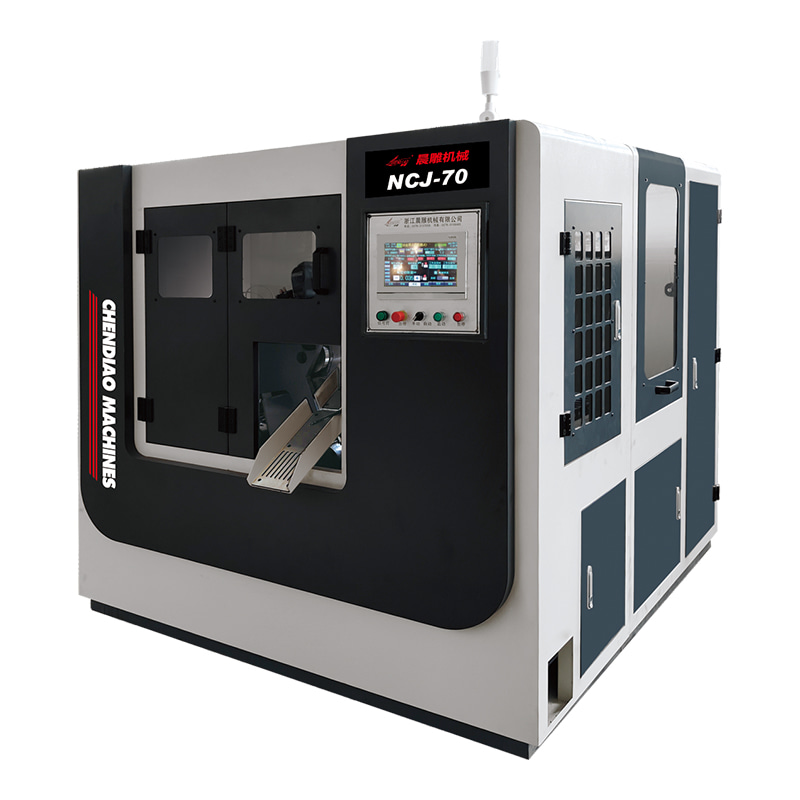
Servo Automatic Feeding High Speed Metal Circular Saw Machine is an ad...
See Details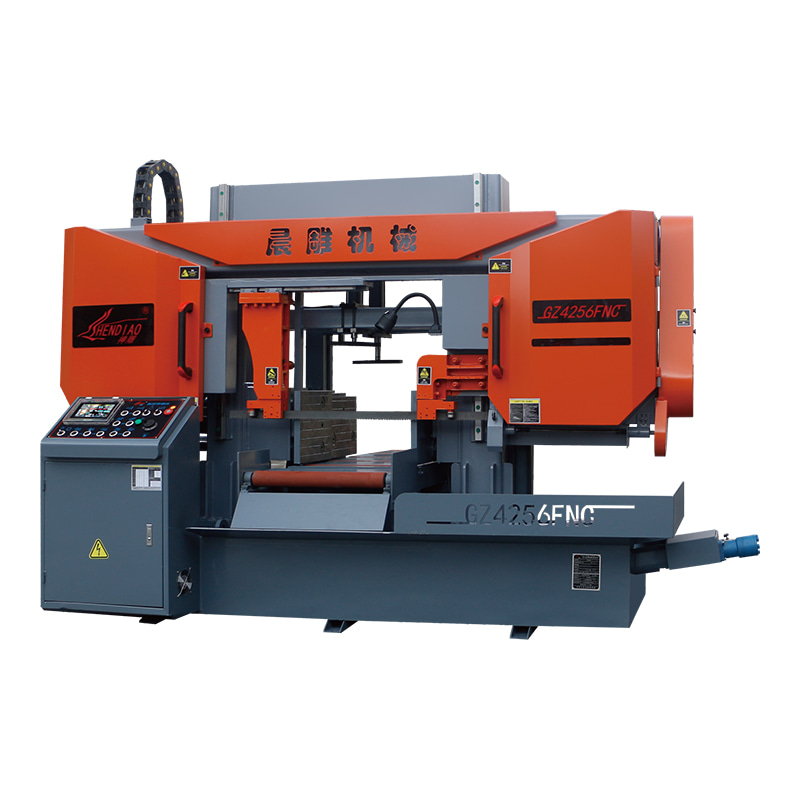
The GZ4256FNC High-Performance Smart Upgraded Bandsaw Machine Can Flex...
See Details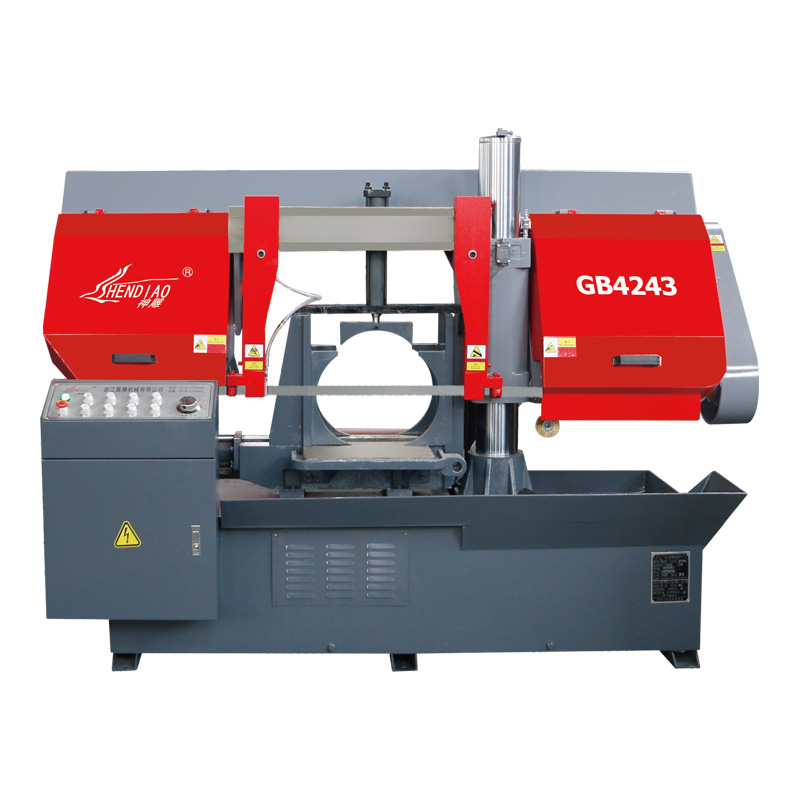
Jaw Full Bundle Rebar Special Cutting Metal Double-Cylinder Horizontal...
See Details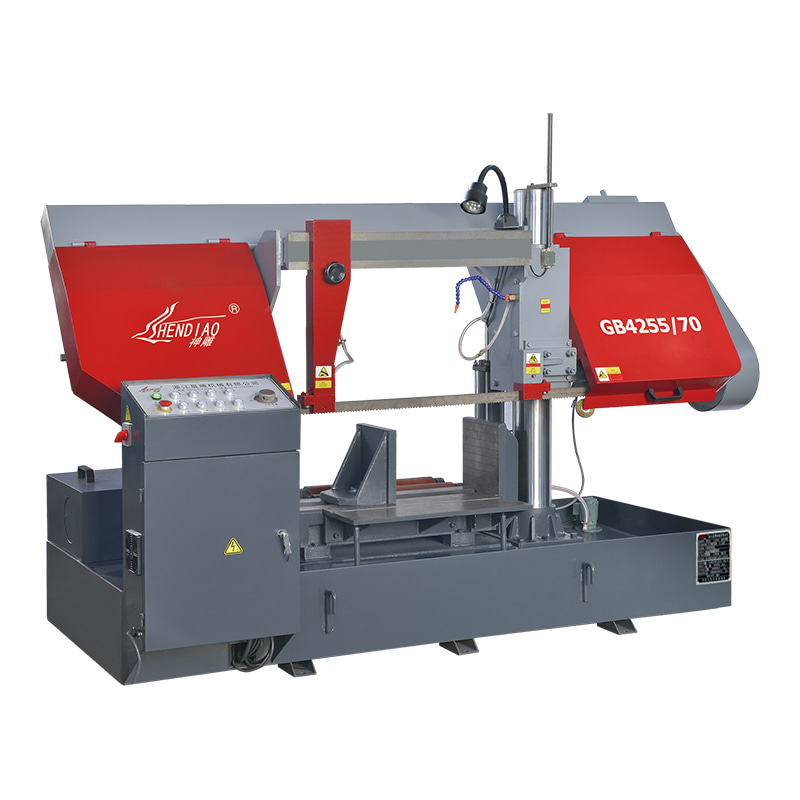
The GB4255/70 Button Chain Feed Double-Cylinder Horizontal Band Metal ...
See Details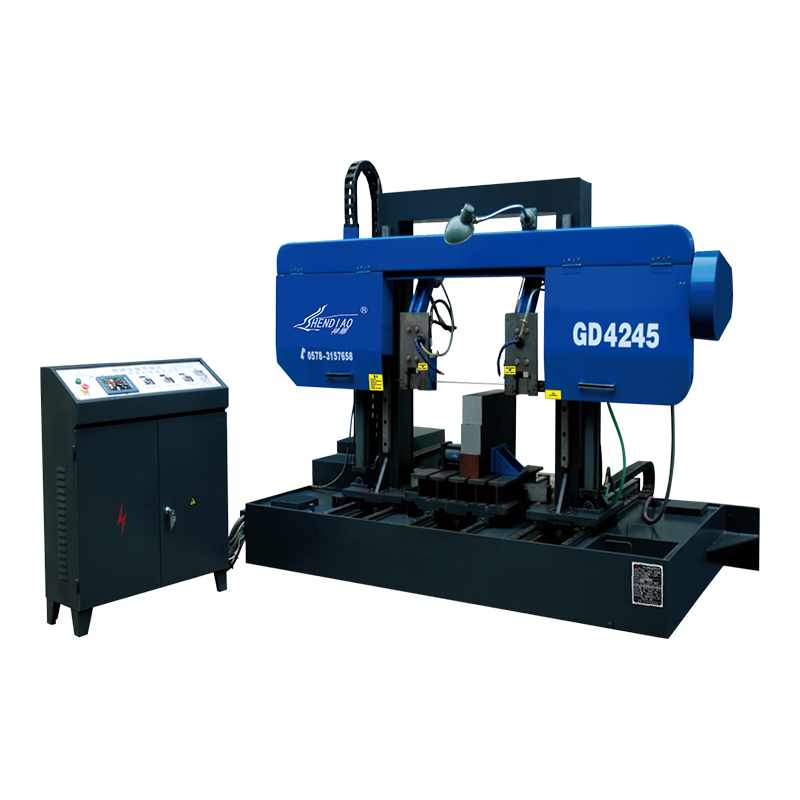
Patent No.: 200720115051.4 200710071420.9 200720115052.9
See Details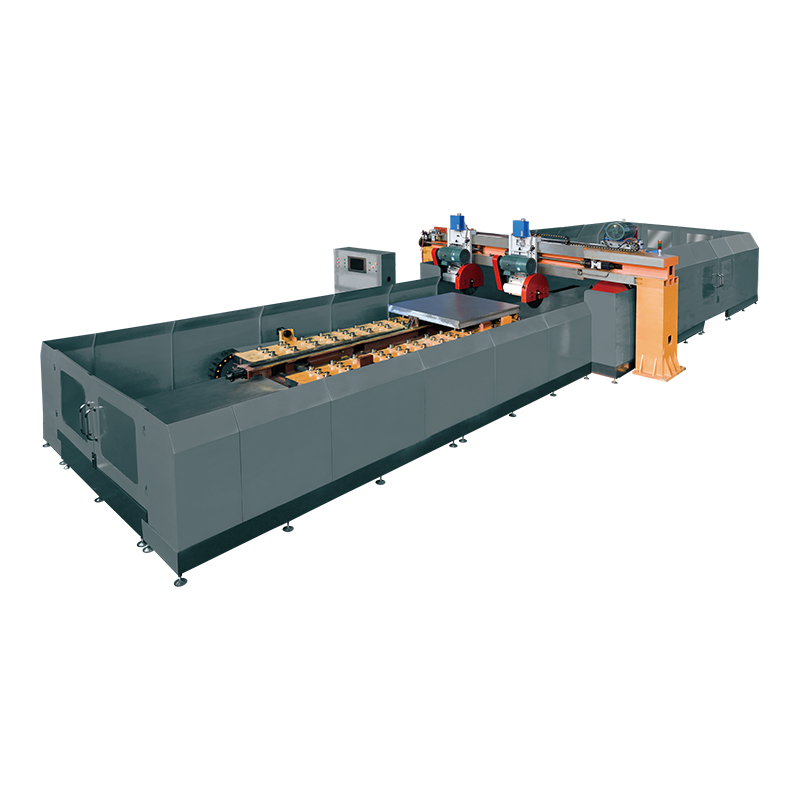
The GBV15/200/400 Large Aluminum Ingot Peripheral Cutting Machine is d...
See DetailsCopyright © Zhejiang Chendiao Machinery Co., Ltd. Rights Reserved.
Band Saw Factory

