


 русский
 Français
 Español
GZ1515/170G Automatic Hydraulic Feed Sawing Aluminum Plate Circular Saw
Cat:Circular Saw
Suitable for cutting aluminum alloy plate, high efficiency (3 times of...
See DetailsWhen using an Aluminum Plate Cutting Circular Saw Machine for demanding industrial tasks, blade overheating becomes a primary concern due to the high friction between the rotating teeth and the dense metal surface. During rapid cutting, heat accumulates faster than it can dissipate, causing the blade temperature to rise sharply. This thermal buildup not only reduces cutting efficiency but also accelerates blade wear, causing poor surface finish and dimensional inaccuracy. Excessive heat may also cause aluminum chips to bond to the blade, creating additional resistance and further accelerating the overheating cycle. Understanding these mechanisms is essential for developing practical strategies that address heat at its source and ensure stable cutting performance under elevated operating speeds.
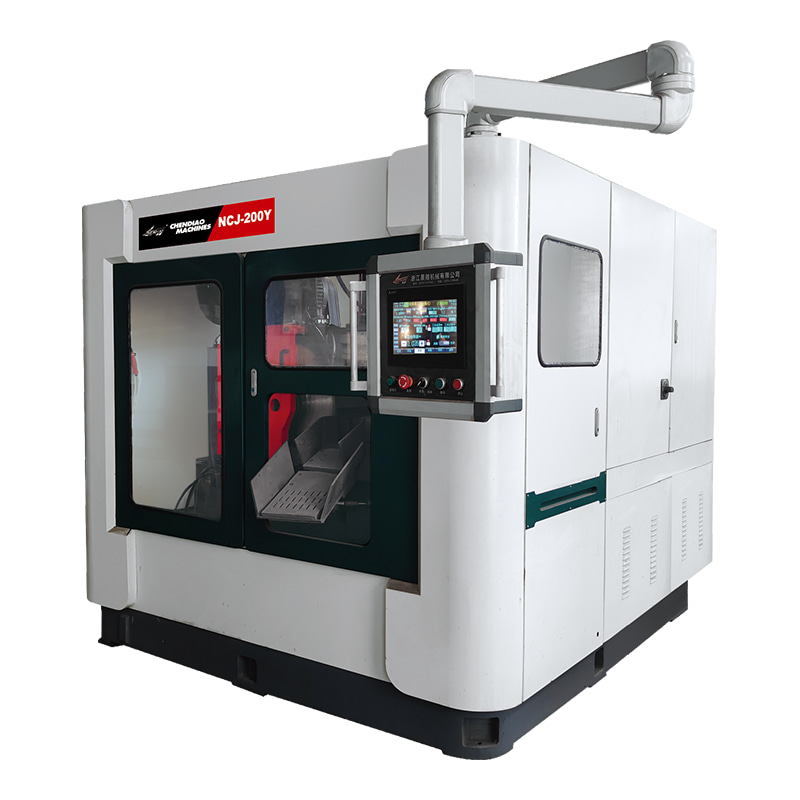
Choosing a blade designed for thermal resilience is one of the effective ways to prevent overheating during accelerated cutting conditions. Carbide-tipped blades with optimized alloys resist thermal deformation and maintain hardness even under elevated temperatures. Tooth geometry plays an equally vital role, as sharper cutting angles reduce friction and help remove chips efficiently, preventing the buildup that often causes thermal spikes. A high tooth count may improve smoothness, but at excessive speeds, it can increase cutting resistance and elevate temperatures. Therefore, selecting a blade with an ideal balance of rake angle, kerf width, and tooth spacing ensures that heat generation remains within manageable limits, even during continuous duty cycles.
Effective cooling solutions are central to controlling blade temperature during high-speed aluminum cutting. Many industrial setups integrate dedicated lubrication systems that apply a fine mist of coolant to the blade, significantly reducing friction and lowering thermal expansion. These misting systems prevent excessive aluminum adhesion, protecting the blade’s surface and keeping the cutting path clean. In environments where continuous lubrication is required, flood cooling can be employed to provide a higher volume of coolant, ensuring rapid dissipation of heat from both the blade and the workpiece. Beyond liquid cooling, airflow channels integrated into protective housings or blade guards can enhance heat evacuation, improving temperature stability throughout long-duration cutting operations.
The performance of a high-speed cutting operation does not rely solely on the blade but also on the machine’s ability to maintain a stable feed rate and vibration control. An Aluminum Plate Cutting Circular Saw Machine equipped with precision feed mechanisms ensures that the blade engages the material consistently, preventing sudden load spikes that generate excessive heat. Irregular feeding not only increases friction but also produces uneven chip formation, which can trap heat along the cutting edge. Machines with rigid frames and anti-vibration construction reduce oscillation, allowing smoother cutting and more efficient heat distribution. By maintaining consistent mechanical control, operators ensure that heat does not accumulate unpredictably along the blade surface.
Routine inspection of cutting components is essential for preventing overheating before it becomes severe enough to disrupt operation. Dull teeth dramatically increase friction and should be sharpened or replaced in regular intervals based on production load. Chip extraction systems must be kept clean to prevent clogging, as poor chip evacuation directly contributes to temperature rise. Thermal monitoring with infrared sensors or machine-integrated temperature alarms can provide real-time feedback, enabling operators to adjust feed rate or speed as soon as early signs of overheating appear. Through preventive maintenance and proactive monitoring, the cutting system maintains stable performance even under stringent high-speed demands.
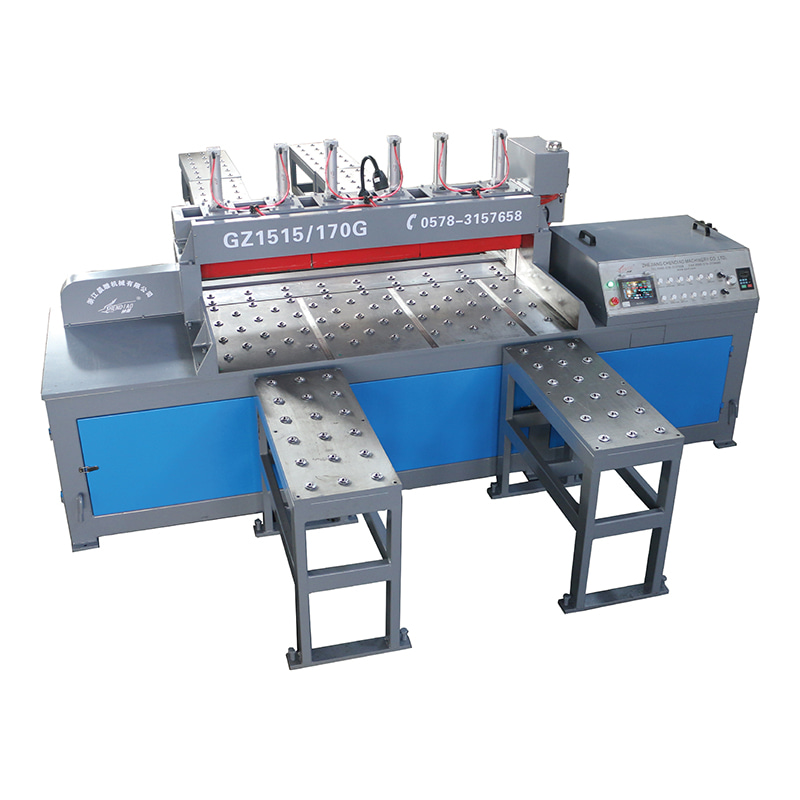
Suitable for cutting aluminum alloy plate, high efficiency (3 times of...
See Details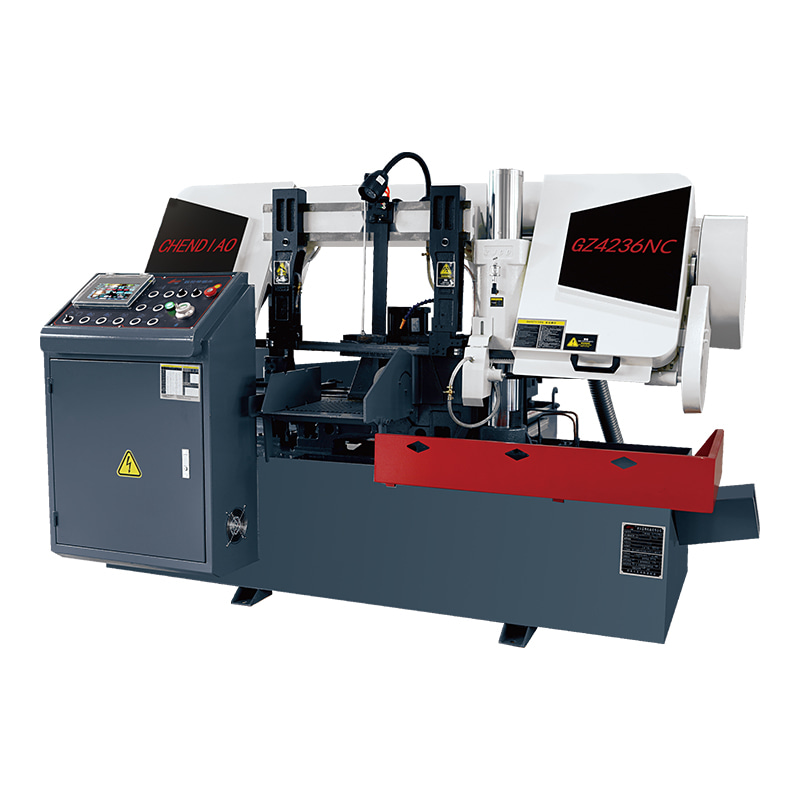
Suitable for sawing and cutting materials into same-size in massive qu...
See Details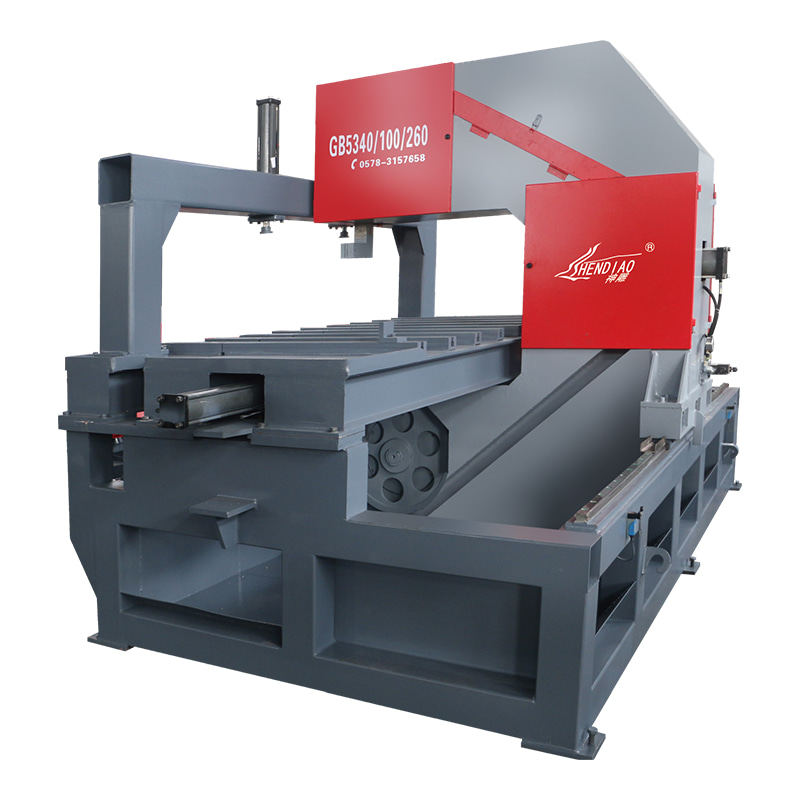
The GB5340/100/260 Gantry Pressed Plate Cutting Vertical Band Sawing M...
See Details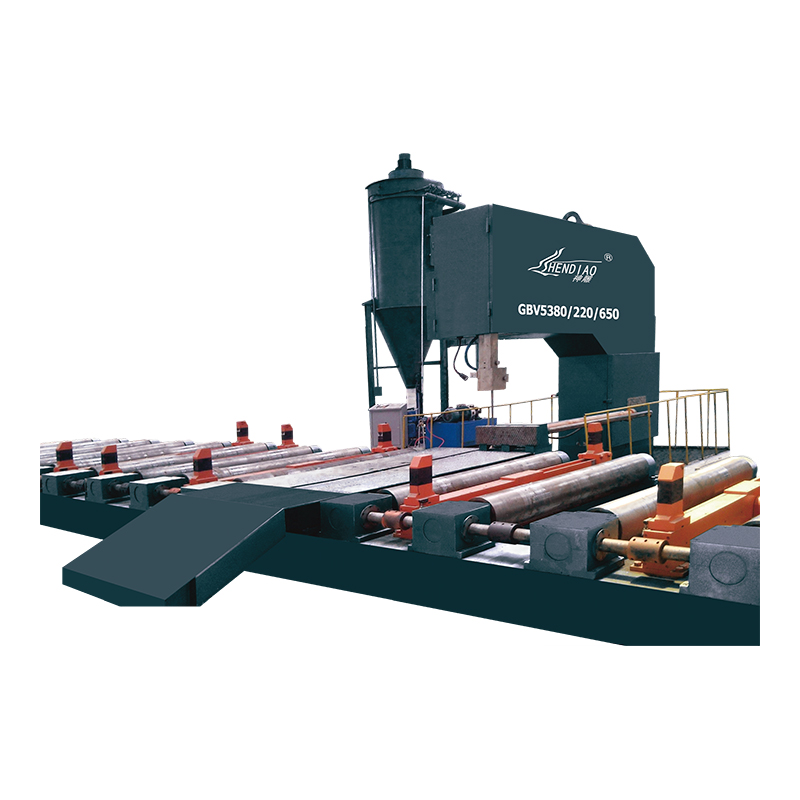
The GBV5380/220/650 High-Speed Aluminum Cutting Vertical Band Blanking...
See Details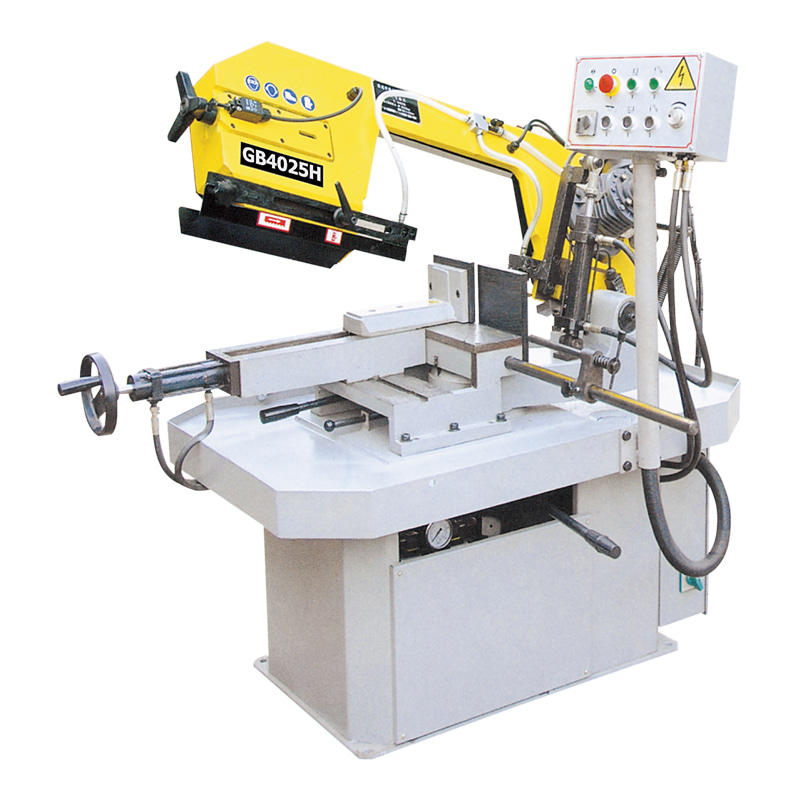
The GB4025H is a great choice,if you need a reliable saw for tackling ...
See Details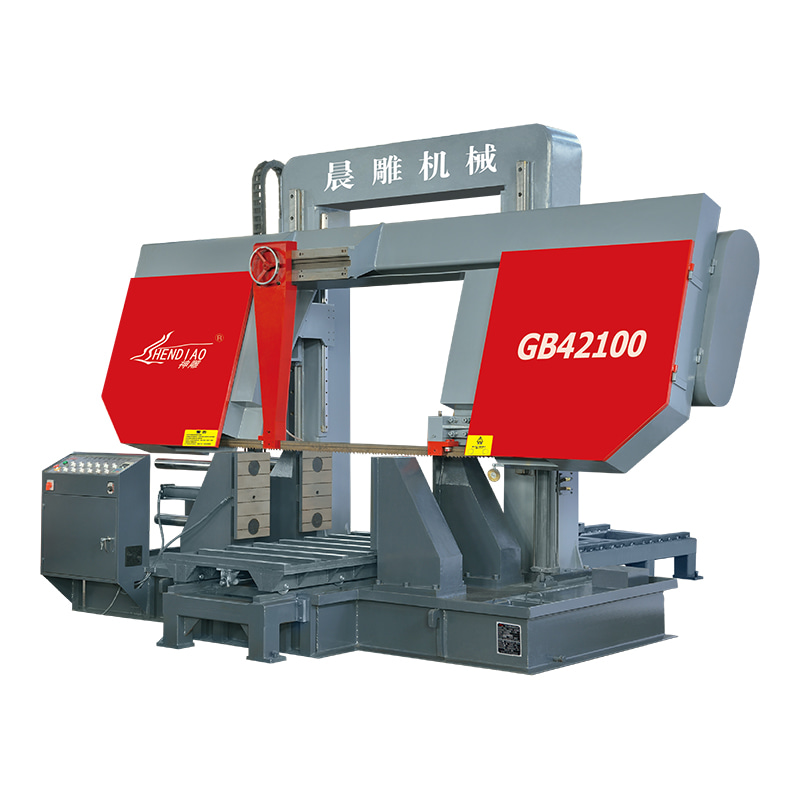
The GB42100 Slide Type Double Guide Gantry Type Band Metal Sawing Mach...
See DetailsCopyright © Zhejiang Chendiao Machinery Co., Ltd. Rights Reserved.
Band Saw Factory

