


 русский
 Français
 Español
GZ4233W Automatic Horizontal CNC Band Sawig Machine Energy Saving No Head
Cat:CNC Band Sawig Machine
Suitable for sawing and cutting materials into same size in massive qu...
See DetailsWhen evaluating how a Graphite Cutting Band Saw Machine performs while processing thick aluminum plates, cutting accuracy becomes a priority for industrial users seeking consistency and dimensional reliability. Although originally optimized for graphite and similarly delicate materials, modern versions of this equipment have been engineered to accommodate denser and more rigid metals, including aluminum alloys with substantial cross-sections. In thick-plate manufacturing, precision reflects the machine’s ability to maintain a straight line, achieve uniform kerf width, and produce surfaces that require minimal secondary machining. These outcomes depend not only on the inherent design of the saw but also on its stability, blade integrity, and mechanical alignment under continuous load.
Blade composition and tooth configuration play a decisive role in determining precision when cutting aluminum plates with significant thickness. Bi-metal and carbide-tipped blades offer the rigidity and wear resistance necessary to resist deflection, a key factor that prevents wandering during deep cuts. Tooth pitch determines how effectively chips are removed from the cutting zone, and in thick aluminum sections, larger tooth spacing helps avoid clogging that can force the blade off path. Blade tension must remain tightly controlled to sustain linearity throughout the entire cut, especially when the material height increases and downward resistance builds in the lower cutting region, where deviations are likely to occur.
The structural rigidity of the equipment heavily influences the achievable accuracy when thick aluminum plates are processed. Even with a suitable blade installed, insufficient frame stiffness or poor damping causes vibration, which directly reduces surface quality and dimensional precision. A rigid band saw frame reduces oscillation transmitted to the blade, enabling the machine to maintain a consistent cutting trajectory from start to finish. Dual-column guide structures, often integrated into higher-end machines, enhance vertical stability and ensure that the blade remains perpendicular to the workpiece. Since aluminum is softer than steel but prone to chip adhesion, maintaining a stable cutting rhythm is essential to achieving smooth edges without taper or chatter marks.
Achieving high cutting accuracy in thick aluminum materials requires careful calibration of both feed rate and band speed. Excessively high feed force can cause the blade to twist or deflect, while insufficient feed may allow heat buildup, softening the blade teeth and creating micro-vibrations that degrade precision. A balanced feed rate ensures that the blade advances smoothly through the thick plate without excessive mechanical stress. Cutting speed also contributes to the final accuracy, as proper speed selection allows for efficient chip evacuation, temperature stability, and uniform material removal. Consistent mechanical control throughout the cutting cycle is critical for maintaining tight tolerances across the entire thickness.
Precision cutting of thicker aluminum plates is enhanced by robust blade guide assemblies that keep the blade aligned even under heavy load. Ceramic or carbide guides provide wear resistance and maintain narrow clearance gaps that prevent lateral blade movement. Adjustable upper guides that move close to the material surface reduce unsupported blade length, improving straightness in deep cuts. Additional support components, such as hydraulic clamping systems or anti-slip workpiece fixtures, ensure the aluminum plate remains securely positioned throughout the operation. These elements work together to maintain geometric fidelity and prevent micro-shifts that may introduce error.
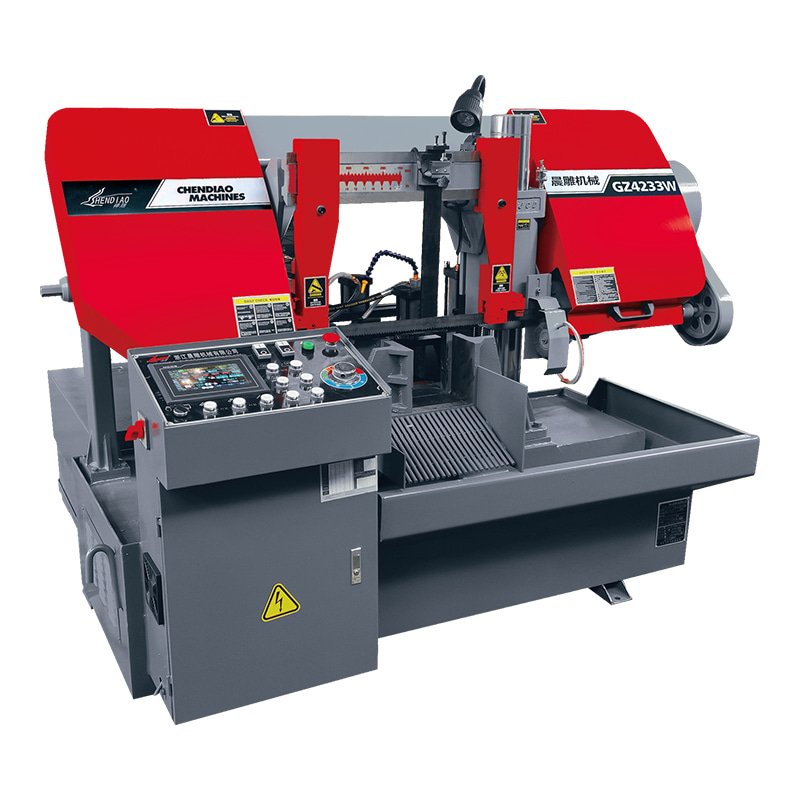
Suitable for sawing and cutting materials into same size in massive qu...
See Details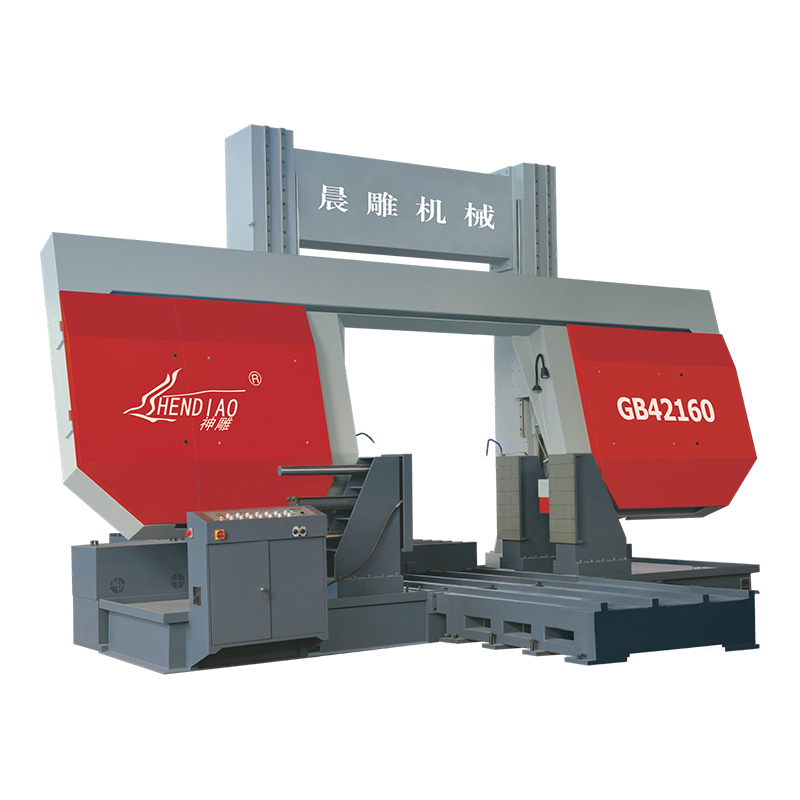
The GB42160 is a gantry-type metal band saw built with a seriously bee...
See Details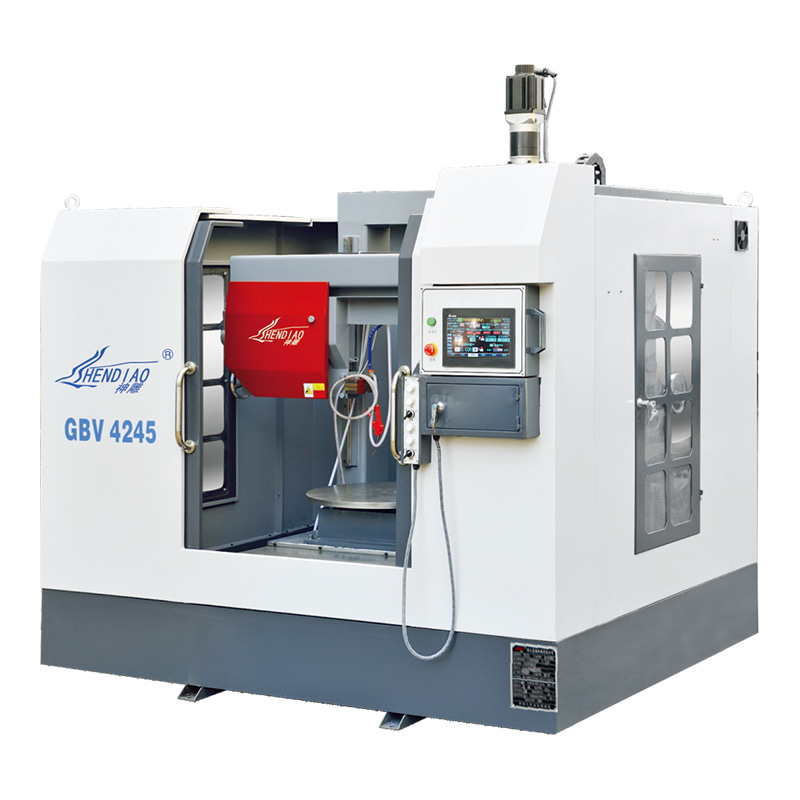
The GBV4245 Sapphire Cutting Machine Disc Saw is a specialized solutio...
See Details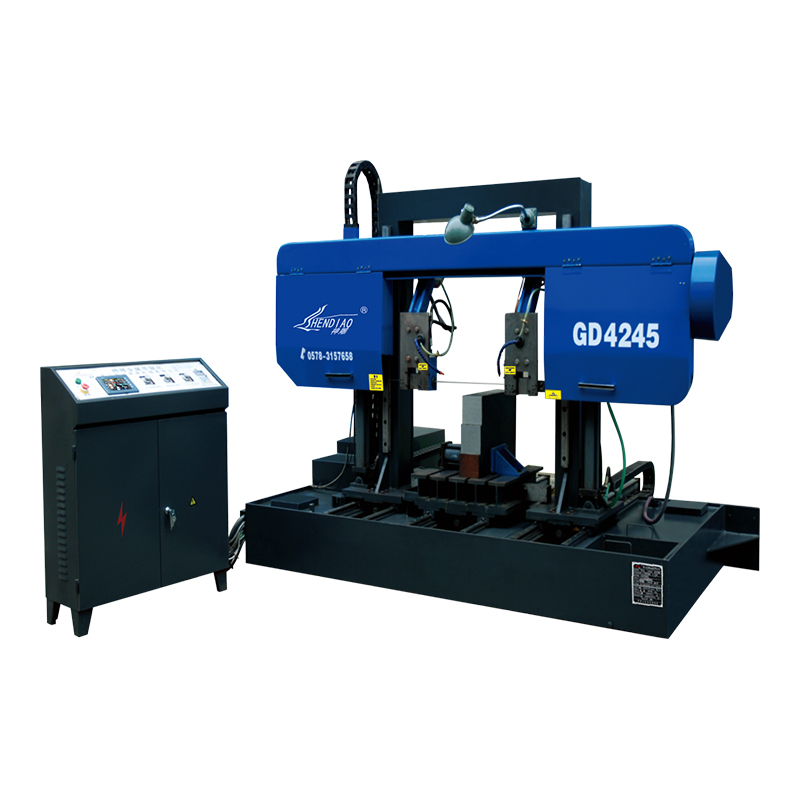
Patent No.: 200720115051.4 200710071420.9 200720115052.9
See Details
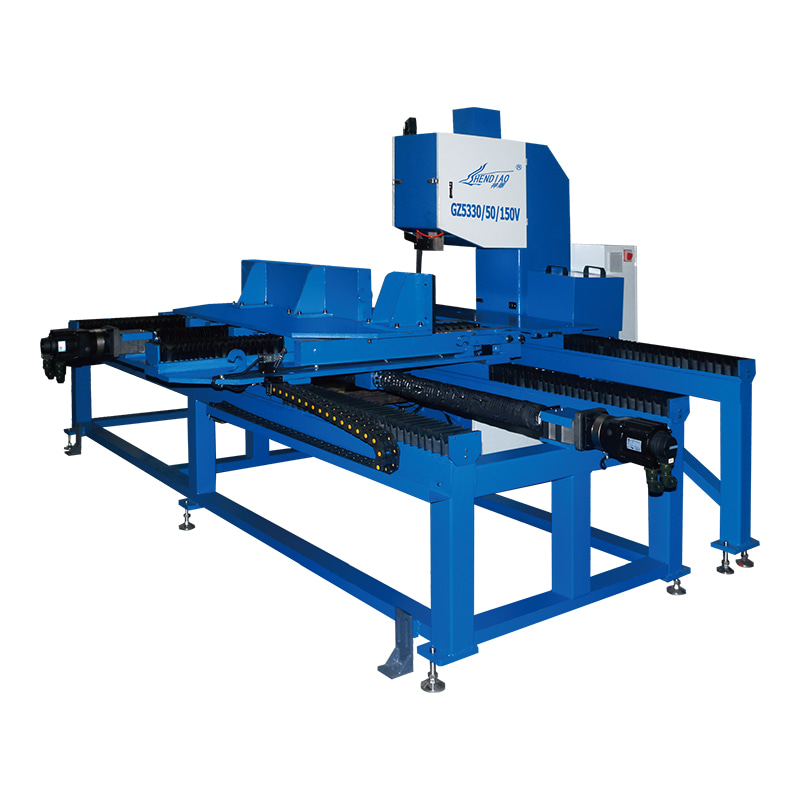
The GZ5330/50/150V Fully Automatic Feeding And Variable Frequency Sawi...
See Details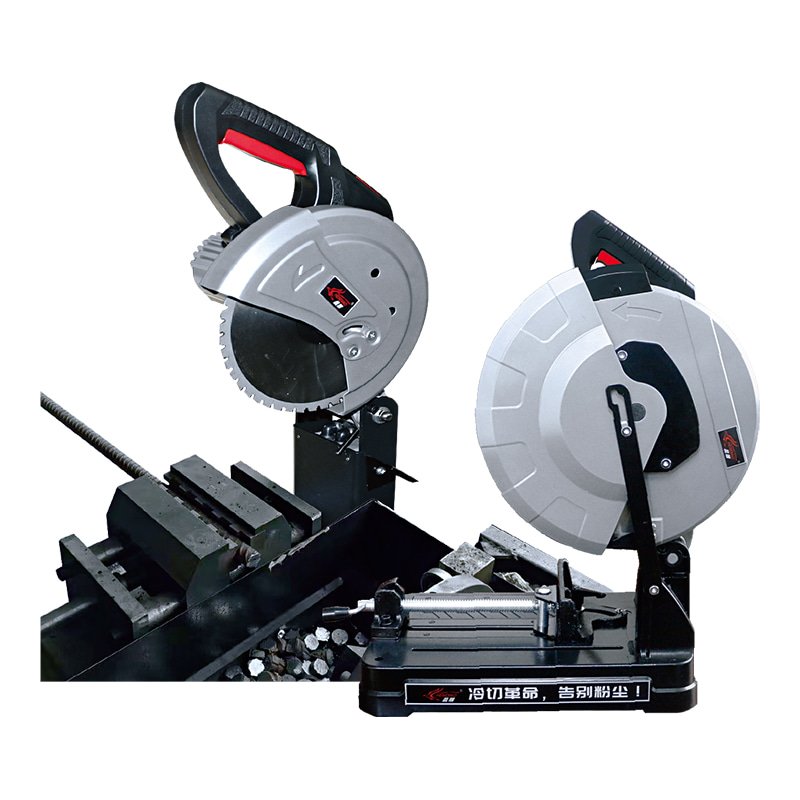
The 25/35 Permanent Magnet Brushless Cold Cutting Saw Machine is highl...
See DetailsCopyright © Zhejiang Chendiao Machinery Co., Ltd. Rights Reserved.
Band Saw Factory

