


 русский
 Français
 Español
GZ4266FNC Fully Automatic Feeding Full Roller High-Speed Intelligent Band Saw
Cat:High-Speed Intelligent Band Saw
The GZ4266FNC Fully Automatic Feeding Full Roller High-Speed Intellige...
See DetailsA workshop is more than a room filled with machines. The position of each machine affects how people move, how materials are handled, and how work moves from one task to another. This becomes especially important when a vertical band saw machine is added to a production area.
A vertical band saw machine can be used for a range of cutting tasks. Its role may change from one workshop to another. Some facilities handle individual workpieces and custom jobs. Others process repeated batches of material. Some have open floor space, while others need to make careful use of a compact area.
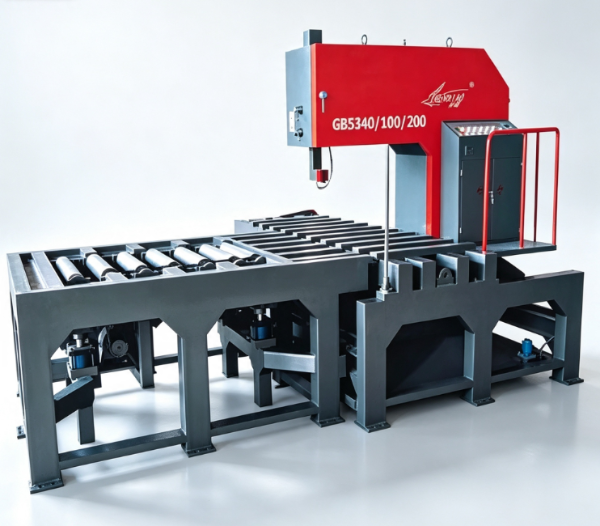
Because of these differences, machine planning should not follow one fixed layout. The same vertical band saw machine may work well in one workshop but require a different position in another.
The planning process is therefore closely connected with the shape of the workshop, the movement of materials, the location of other equipment, and the type of cutting work being performed.
The location of a machine should be considered as part of the whole workshop rather than as an isolated decision.
The available floor area is an obvious concern, but it is only one part of the picture. Workers also need enough room to bring materials to the cutting area, position workpieces, operate the machine, and move completed pieces away.
The direction of material movement can also influence the layout. If raw material enters from one side of the workshop, placing the saw close to that route may reduce unnecessary handling. If finished components leave through another area, the machine can be positioned to support a more natural movement path.
The surrounding equipment matters as well. A cutting machine may work alongside drilling, grinding, forming, welding, or assembly operations. Its location should make sense in relation to these activities.
A simple planning review can include the following questions:
These questions help turn an empty floor plan into a practical production arrangement.
Different workshop layouts create different planning needs. A machine placed in the middle of an open production area may work well when material can approach from several directions. A similar position may create problems in a narrow workshop where movement follows a single route.
An open workshop gives planners more freedom. The band saw machine can be placed according to material flow and the relationship between nearby workstations. The layout can also allow workers to approach the machine from a convenient direction.
A narrow workshop requires more attention to movement. Machines may need to follow a clearer sequence. In this setting, the band saw machine may be positioned along one side of the production path instead of becoming an obstacle in the central passage.
A workshop divided into several zones creates another situation. Cutting may be treated as a separate area between material storage and later processing. This can make the production sequence easier to understand.
| Workshop Layout | Main Planning Concern | Possible Role of the Vertical Band Saw Machine |
|---|---|---|
| Open workshop | Flexible movement | Central or side-based cutting area |
| Narrow workshop | Limited movement routes | Position along a practical production path |
| Zoned workshop | Clear separation of tasks | Dedicated cutting section |
| Mixed-use workshop | Different activities share space | Placement based on workflow |
| Small workshop | Efficient use of floor space | Compact arrangement with clear access |
There is no universal placement rule. The useful position is the one that fits the actual work pattern.
Small workshops often have to make several activities fit into the same area. Storage, cutting, processing, inspection, and packing may all happen within a relatively limited space.
In this situation, every machine position matters. A band saw machine should not block a major passage simply because an empty area happens to be available.
A side position can sometimes make the overall space easier to organize. Materials can be brought toward the machine without cutting across the main route used by workers. Finished pieces can then move toward another workstation.
However, placing the machine too close to a wall or another piece of equipment can make daily operation less convenient. The planning process should consider the space needed around the machine, not just the footprint of the equipment itself.
Storage also deserves attention. Long or irregular workpieces can be difficult to handle if the storage area is far from the cutting station. Moving them through a crowded workshop can add unnecessary work.
For a small workshop, planners can consider a simple relationship:
Material storage → cutting area → next processing area
This does not mean every workshop must use a straight line. The purpose is to reduce confusing movement and repeated handling.
A compact workshop can also benefit from clearly defined floor zones. Even when several functions share one room, visual separation can make the work area easier to understand.
Material flow is one of the useful ways to evaluate a workshop layout.
Consider a workpiece that enters the facility, waits in storage, moves to cutting, and then continues to another process. If the band saw machine is placed far away from these activities, the workpiece may travel back and forth across the workshop.
That movement can make the workplace feel busy even when production volume is moderate.
A more natural arrangement keeps related activities within a sensible sequence. Raw materials can move toward the cutting area, while processed pieces continue toward their next destination.
This approach is particularly useful when workpieces are large, heavy, or awkward to carry. The easier the route is to understand, the easier it may be for workers to handle the material.
Material flow does not always need to be linear. Some workshops use a loop arrangement. Others divide material according to product type or processing method.
The band saw machine may therefore have different relationships with storage and downstream workstations.
| Material Flow Pattern | Layout Consideration |
|---|---|
| Straight flow | Place cutting between storage and later processes |
| Loop flow | Keep the cutting area connected to both sides of the workflow |
| Split flow | Position the machine where different material routes can reach it |
| Shared flow | Avoid placing the machine across common movement paths |
| Job-based flow | Keep cutting accessible to several work areas |
The important point is not to force every workshop into the same pattern. The machine should support the movement that already makes sense for the work.
Yes. A band saw machine rarely operates alone.
In many workshops, cutting is connected with several other operations. A workpiece may be cut and then drilled. Another may go to forming or grinding. A different job may require inspection before moving further.
These relationships can influence machine placement.
For example, placing the saw close to a workstation that receives cut material may reduce unnecessary movement. If several processes require access to the same cutting area, the layout may need a more central position.
At the same time, placing too many machines close together can make the area crowded. Workers may have less room to move materials or perform individual tasks.
A useful approach is to look at the frequency of movement between work areas. Activities that are closely connected can be placed near each other. Activities that rarely interact do not always need to occupy nearby space.
This creates a practical balance between proximity and openness.
The position of the band saw machine can also affect visibility across the workshop. In some layouts, keeping major work areas visually open makes it easier for workers to understand what is happening around them.
A machine should therefore be evaluated not only by where it fits, but also by what its position does to the rest of the workshop.
A zoned workshop divides different activities into recognizable areas. There may be a storage zone, cutting zone, processing zone, inspection area, and finished-product area.
This approach can make planning easier because each activity has a defined place.
The band saw machine can form part of a dedicated cutting zone. Materials enter the area, cutting takes place, and pieces then move to the next stage.
A separate cutting zone can also help distinguish active processing from storage. This may make the workshop easier to organize as work changes during the day.
However, zones should not become isolated islands. If the cutting area is separated too far from material storage or downstream processing, workers may spend more time moving between locations.
The boundaries between zones should therefore support the workflow rather than simply divide the floor.
A practical zoned layout may include:
Incoming material is checked and placed where it can be accessed without interfering with active production.
Materials waiting for cutting are kept in an organized location.
The vertical band saw machine handles the planned cutting work.
Cut pieces move toward the next operation.
Completed work can be checked or prepared for the next stage.
The exact arrangement can change according to the workshop. What matters is that workers can understand the relationship between the zones.
Custom cutting creates a different planning challenge.
A workshop producing similar parts repeatedly may have a predictable material route. A custom fabrication shop may handle different materials and workpieces throughout the day. The cutting area needs to remain accessible to changing jobs.
In this setting, placing the vertical band saw machine too deeply inside a fixed production line may reduce flexibility.
A more open position can allow materials from different directions to reach the machine. Temporary workpieces can also be moved without disrupting the entire workshop.
The surrounding storage arrangement becomes important as well. Custom work may involve materials with different shapes and handling needs. Keeping every material in one fixed location may not always be practical.
The cutting area can therefore benefit from a nearby temporary holding space. This allows current jobs to stay close to the machine without taking over the main working route.
The planning approach can be viewed through three simple factors:
| Factor | Planning Question |
|---|---|
| Job variety | Does the machine need to serve different types of work? |
| Material movement | Can different workpieces reach the cutting area easily? |
| Workflow changes | Can the surrounding space adapt when jobs change? |
This type of layout gives the band saw machine a more flexible role. It becomes a shared production resource rather than a fixed point in one repetitive route.
A workshop rarely remains exactly the same. Equipment may be added, storage may move, and production tasks may change. A layout that works today may need adjustment later.
This does not mean planners need to predict every possible change. It means the initial arrangement should leave some room for adaptation.
A vertical band saw machine can be easier to integrate into a changing workshop when its location does not depend on one highly fixed workflow.
Space around the cutting area can also have practical value. If every available section of the floor is occupied, adding another workstation later may require major rearrangement.
Planning with some flexibility can reduce this problem.
Another consideration is access. If the machine becomes difficult to reach after another piece of equipment is installed nearby, future changes can create daily inconvenience.
The layout should therefore be viewed as a working system rather than a finished picture.
A useful planning exercise is to imagine several possible changes:
If the band saw machine can continue to function without major disruption under these situations, its position has a degree of layout flexibility.
This approach also encourages workshops to think beyond the machine itself. Good planning connects equipment, people, materials, and space into one working environment.
The vertical band saw machine is only one part of that arrangement. Its value within a workshop depends not only on the cutting task, but also on how easily the surrounding operation can work with it.
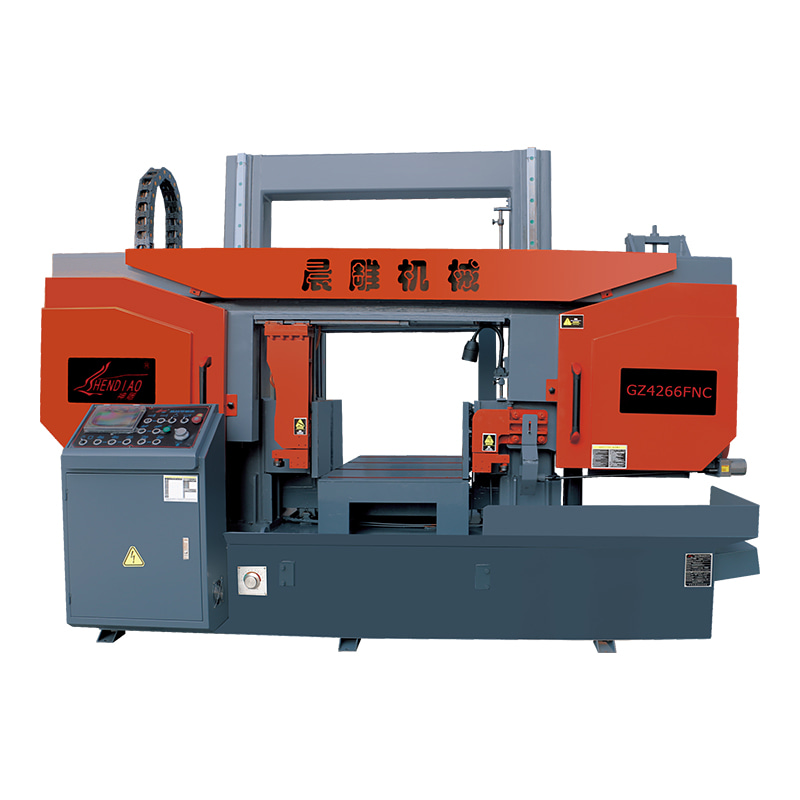
The GZ4266FNC Fully Automatic Feeding Full Roller High-Speed Intellige...
See Details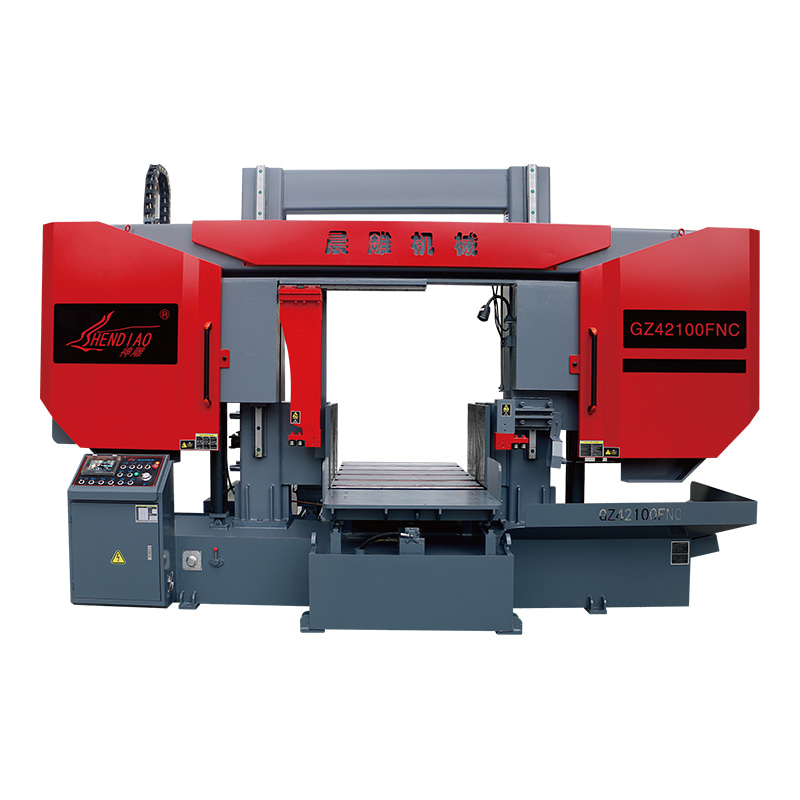
Automatic chip device. Saw blade hydraulic tensioning. Saw blade wire ...
See Details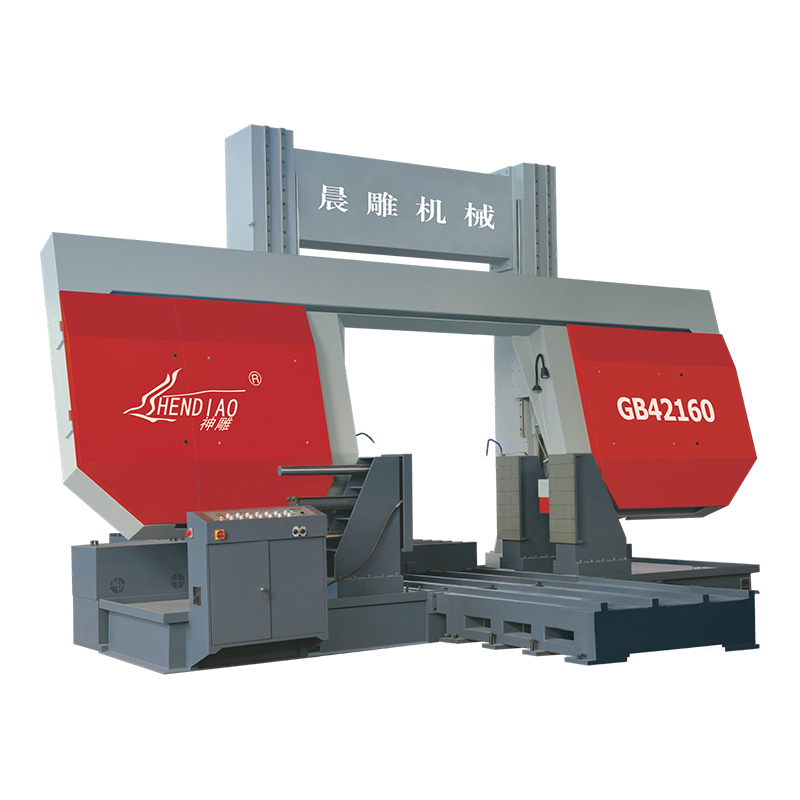
The GB42160 is a gantry-type metal band saw built with a seriously bee...
See Details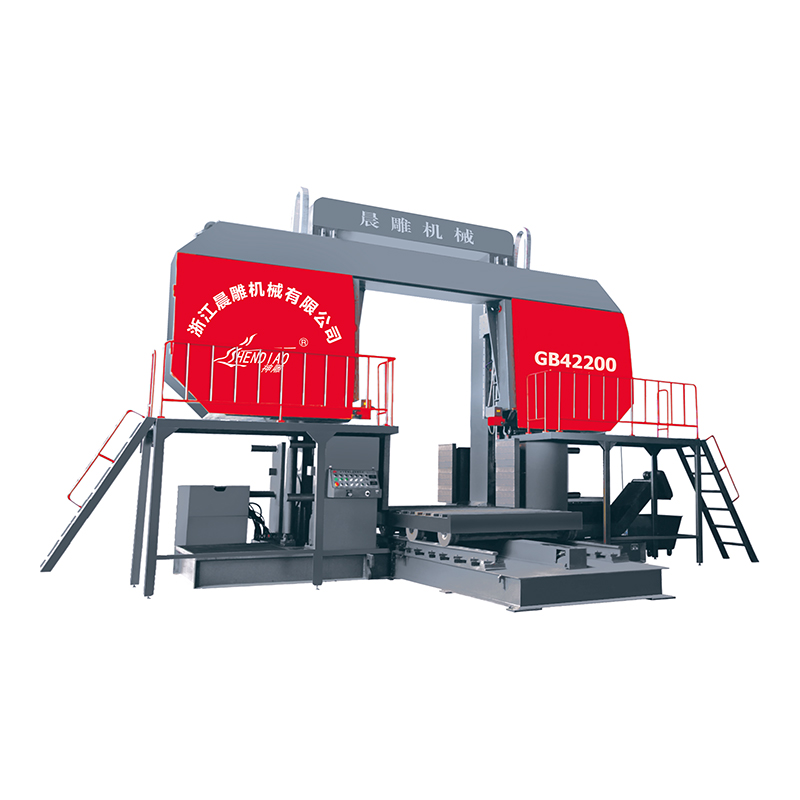
The GB42200 Gantry Type Band Pulley Automatic Feeding Metal Sawing Mac...
See Details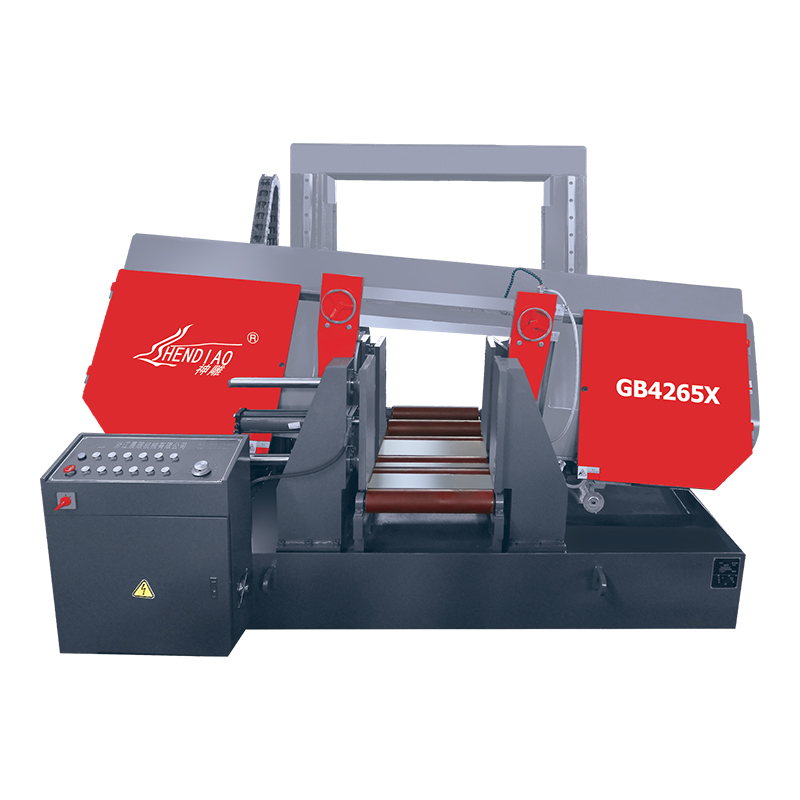
Ideal equipment for heavy-material cutting. Blade tension: hydraulic. ...
See Details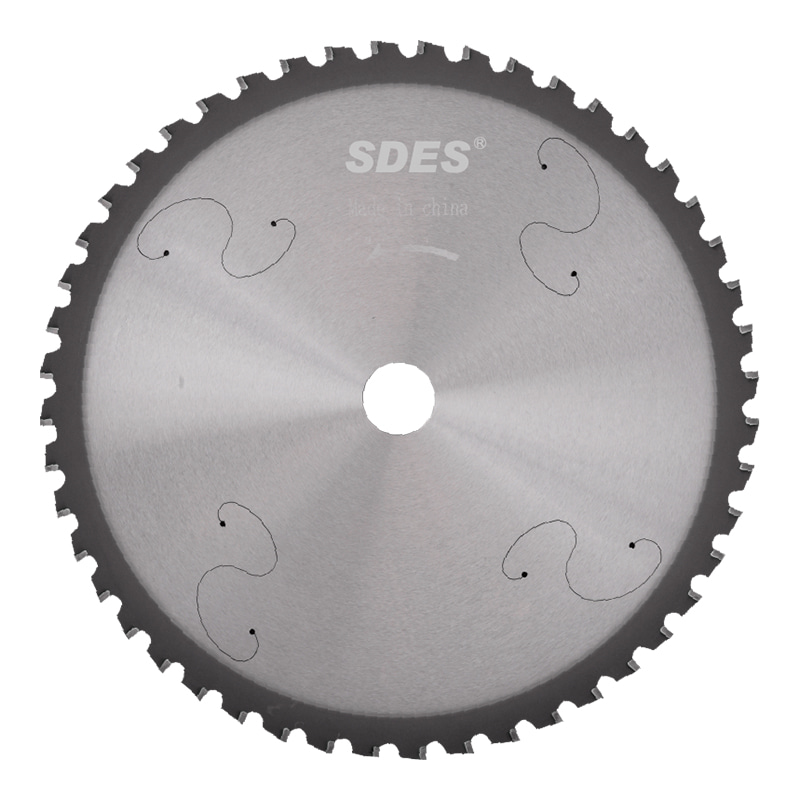
The 25/35 Cold Metal Ceramic Blade is a high-performance cutting tool ...
See DetailsCopyright © Zhejiang Chendiao Machinery Co., Ltd. Rights Reserved.
Band Saw Factory

