


 русский
 Français
 Español
NCJ-150 Fully Automatic High-Speed Metal Circular Saw Machine Steel Rod Blanking Machine Sawing Machine
Cat:Hinged Circular Saw Machine
Highly rigid body structure with advanced clamping device, environment...
See DetailsA CNC Band Saw Machine is used to cut materials into required shapes or sections as part of a wider manufacturing process. It combines band sawing with computer-controlled operation, allowing cutting work to follow a planned sequence rather than relying entirely on manual handling.
The machine can have a useful role in workshops that handle repeated cutting tasks, different workpiece shapes, or production processes that require a consistent cutting routine. Its role is not limited to one type of workshop. Metal fabrication, general manufacturing, machinery production, and material preparation can all involve this type of equipment.
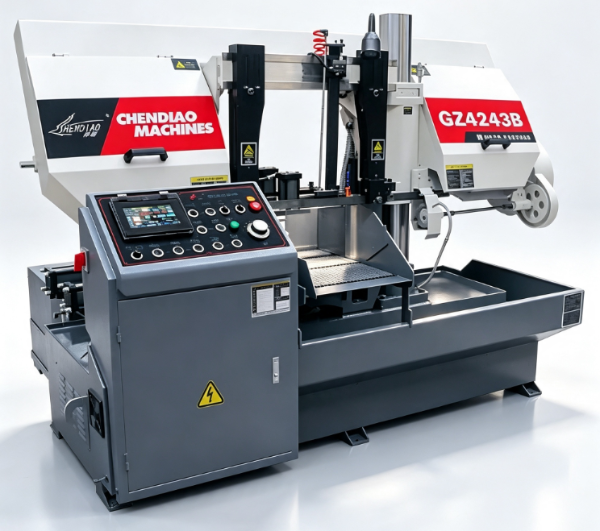
The reason for using a CNC Band Saw Machine depends on the work being carried out. Some workshops need to prepare raw material for later processing. Others need to produce repeated sections for assembly. Custom fabrication shops may also use the machine when different cutting jobs need to be handled within the same working area.
Understanding its purpose starts with looking at where cutting fits into the complete production process.
At its basic level, a Machine cuts workpieces with a continuous band blade while the machine follows a planned cutting operation.
The CNC system gives the machine a way to follow programmed instructions. Instead of requiring an operator to control every part of a repeated cutting sequence, the machine can carry out defined movements according to the prepared work plan.
This changes the role of the operator. The person working with the machine still needs to prepare materials, set up the cutting task, check the workpiece, and monitor the process. However, repeated manual actions can be reduced when the same type of cutting needs to be performed several times.
The machine may be used for:
The exact use depends on the material, workpiece shape, production method, and requirements of the workshop.
A useful way to understand the machine is to see it as one stage within a larger workflow. Material enters the production area, reaches the cutting station, is divided or shaped through sawing, and then moves toward another operation.
The Machine provides the cutting stage in that sequence.
Many production environments contain cutting tasks that are repeated throughout the working day. When operators need to perform the same sequence again and again, the cutting process can become a significant part of the overall workflow.
A Machine can help organize these tasks around a planned sequence. The operator can prepare the job and allow the machine to follow the defined cutting instructions.
This is useful when a workshop needs to process several similar workpieces. It can also help when the cutting operation is only one stage in a larger manufacturing routine.
For example, a workshop may receive metal stock that needs to be divided into sections before drilling, turning, welding, or assembly. The saw prepares the material so that the next operation can begin.
The machine therefore does more than make a cut. It helps connect material preparation with later production activities.
| Production Situation | Role of a CNC Band Saw Machine |
|---|---|
| Repeated cutting | Follows a planned cutting sequence |
| Material preparation | Divides stock before later processing |
| Machinery production | Prepares sections for components |
| Custom fabrication | Supports different cutting jobs |
| Batch work | Processes similar workpieces through a planned routine |
| Workshop production | Connects cutting with other manufacturing stages |
The value of the machine can therefore be linked to workflow rather than cutting alone.
CNC band saw machines are commonly associated with metal cutting. Depending on the machine design and intended application, they can be used with different types of metal materials and workpiece forms.
The material itself is only part of the decision. Its shape, size, hardness, surface condition, and intended use can also influence how the cutting task should be planned.
A workshop may handle bars, tubes, profiles, plates, or other forms of metal stock. These materials can enter the production process for different reasons.
A tube may need to be divided into sections before assembly. A metal bar may need to be prepared before machining. A structural profile may need to be cut for fabrication.
This means the same Machine can serve different purposes in different facilities.
Material planning should therefore be connected with the actual cutting job. Instead of asking only whether a machine can cut a particular material, buyers and production planners can also consider how the material arrives, how it is stored, how it moves to the saw, and where the cut pieces go afterward.
These details can affect how useful the machine becomes within the workshop.
Not every workshop produces identical parts throughout the day. Custom fabrication often involves different workpieces, materials, and cutting requirements.
A Machine can be incorporated into this type of environment when the workshop needs a controlled way to handle changing cutting jobs.
Custom fabrication may involve preparing material for frames, structures, machinery parts, support components, or other products. Each job can have its own cutting plan.
The machine does not remove the need for planning. Instead, the cutting instructions can be prepared according to the requirements of each job.
This creates a different relationship between automation and flexibility. Automation does not always mean producing the same item repeatedly. A CNC-controlled machine can also be part of a workshop where jobs change regularly.
The surrounding workflow becomes important.
A custom fabrication shop may need to move different workpieces toward the cutting area throughout the day. The saw should therefore be placed where materials can reach it without creating unnecessary movement through other work areas.
Temporary storage can also matter. Materials for the next job may need to wait near the cutting station without interfering with current work.
In this setting, machine use is connected to both cutting and workshop organization.
Repeated cutting is one area where CNC control can have a practical role.
When several workpieces require similar cuts, the operator may not need to manually control every repeated movement. A prepared cutting routine can guide the machine through the planned operation.
This can make the workflow easier to organize. Workers can focus on material preparation, monitoring, inspection, and other activities instead of repeating the same manual actions for every workpiece.
However, repeatability does not mean that every job should be treated in exactly the same way. Material conditions can change. Workpieces can vary. Production requirements can also shift.
The operator still has an important role in checking whether the cutting plan matches the actual material and production task.
A Machine can therefore support repeated work while remaining part of a human-managed production process.
This is especially relevant for workshops that produce multiple sections from the same type of stock. Once the material is prepared, the machine can follow the intended cutting routine while workers manage the broader operation.
The main difference between a conventional manual cutting process and a CNC-controlled cutting process is the way instructions are handled.
In a manual process, the operator has a more direct role in controlling individual cutting actions. With CNC control, the machine follows a prepared set of instructions.
This can change the workflow before, during, and after cutting.
Before cutting, the job needs to be planned. The workpiece needs to be prepared and positioned. The cutting instructions need to match the intended result.
During cutting, the operator monitors the machine and the material. The machine follows its programmed sequence, while the operator remains responsible for the surrounding process.
After cutting, the resulting pieces can be checked and transferred to the next stage.
This creates a workflow with clearer separation between preparation, machine operation, and material handling.
The difference can be described simply:
Manual cutting:
Operator action → cutting → operator adjustment → next workpiece
CNC cutting:
Job preparation → programmed cutting sequence → monitoring → inspection → next operation
The second approach can be useful when a workshop wants to organize repeated cutting work around a defined process.
A Machine can appear at different points in a manufacturing workflow, but it is often associated with material preparation.
Raw material may arrive in longer sections than the final product requires. The saw can divide that material into pieces that are easier to process.
Those pieces can then move to machining, forming, welding, grinding, assembly, or another production stage.
This makes the cutting machine an important connection between incoming material and later manufacturing work.
A simple production path might look like:
Material receiving → storage → cutting → secondary processing → inspection → assembly
The actual sequence can be different. Some workshops may move cut pieces directly to fabrication. Others may send them to another machine before assembly.
The position of the saw should reflect these relationships.
If cutting is placed far away from both material storage and the next processing area, workers may need to move materials through unnecessary routes. If the machine is placed too close to unrelated operations, it may interfere with other activities.
Production planning should therefore consider the machine as part of the complete material flow.
Choosing a Machine involves more than looking at the cutting function.
The workshop should understand what kind of work the machine will actually perform. A machine used mainly for repeated material preparation may have different requirements from one used for varied custom fabrication.
The material is another consideration. The workshop should identify the types of stock it handles and the forms in which those materials arrive.
The production pattern also matters. Some businesses handle steady batches. Others deal with frequent job changes. Some need a machine to serve several production areas.
The surrounding layout should also be reviewed.
| Planning Area | Question to Consider |
|---|---|
| Material | What types and forms of material will be processed? |
| Workpieces | Are the cutting jobs repeated or varied? |
| Production | Is the workflow based on batches, custom jobs, or both? |
| Handling | How will material reach the cutting area? |
| Downstream work | Where will cut pieces go next? |
| Operators | What preparation and monitoring will be required? |
| Workshop layout | Can the machine fit naturally into the existing workflow? |
These questions help define the actual role of the machine before a purchase or layout decision is made.
A CNC Band Saw Machine is not simply a piece of cutting equipment placed somewhere on a workshop floor. Its usefulness is closely tied to the material it processes, the jobs it handles, the people who operate it, and the production stages around it.
When these elements are considered together, the machine can become part of a more organized cutting workflow rather than a separate operation added to the workshop.
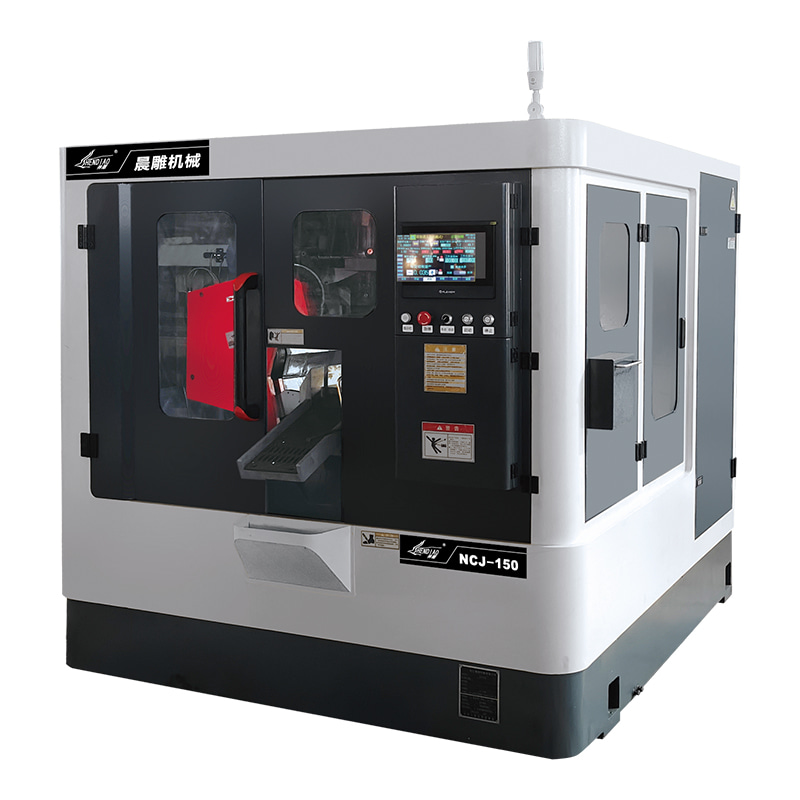
Highly rigid body structure with advanced clamping device, environment...
See Details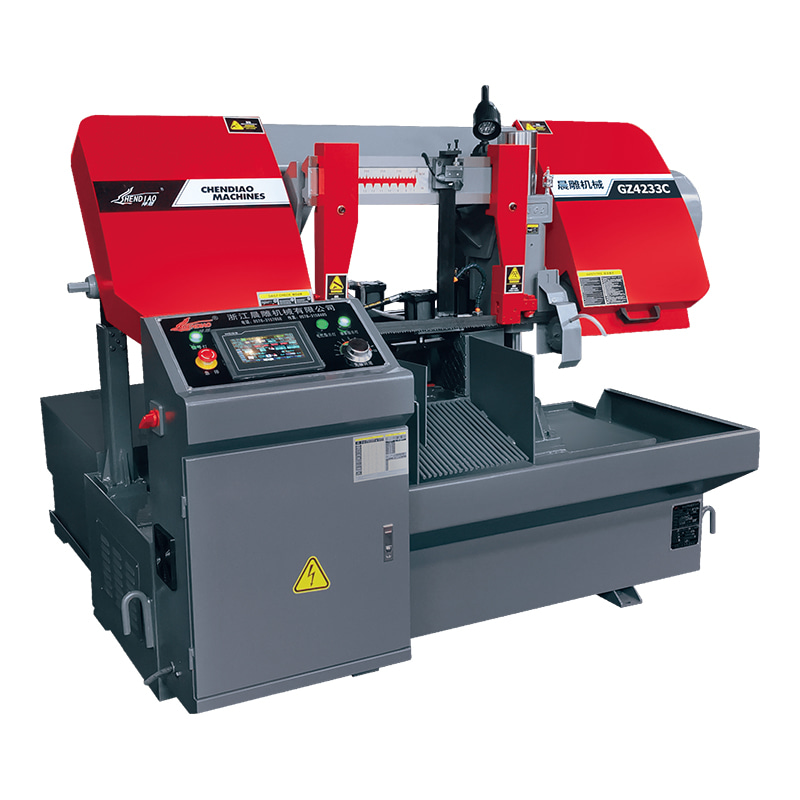
Suitable for sawing and cutting materials into same-size in massive qu...
See Details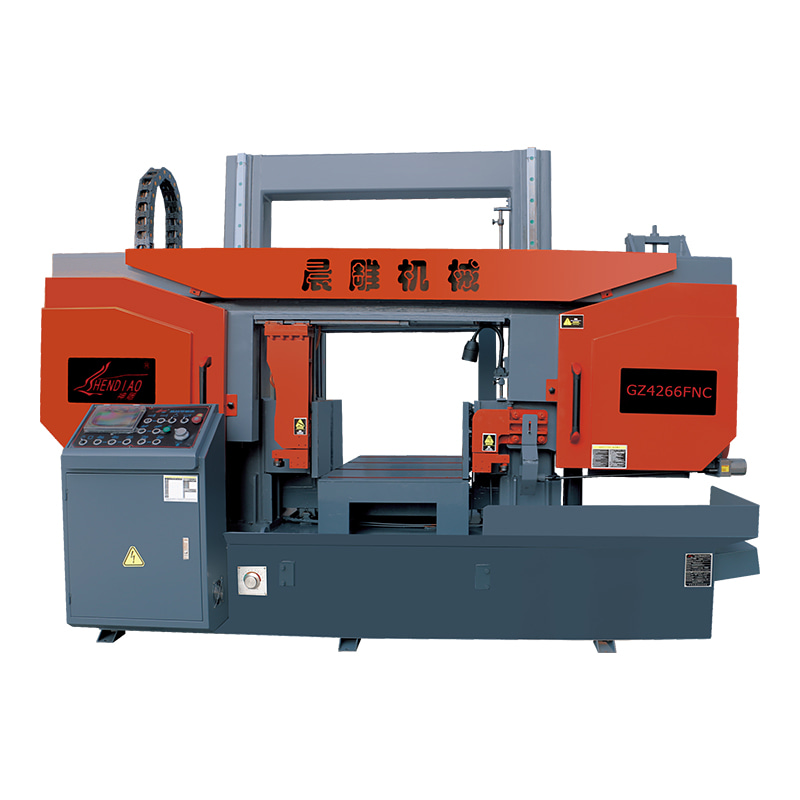
The GZ4266FNC Fully Automatic Feeding Full Roller High-Speed Intellige...
See Details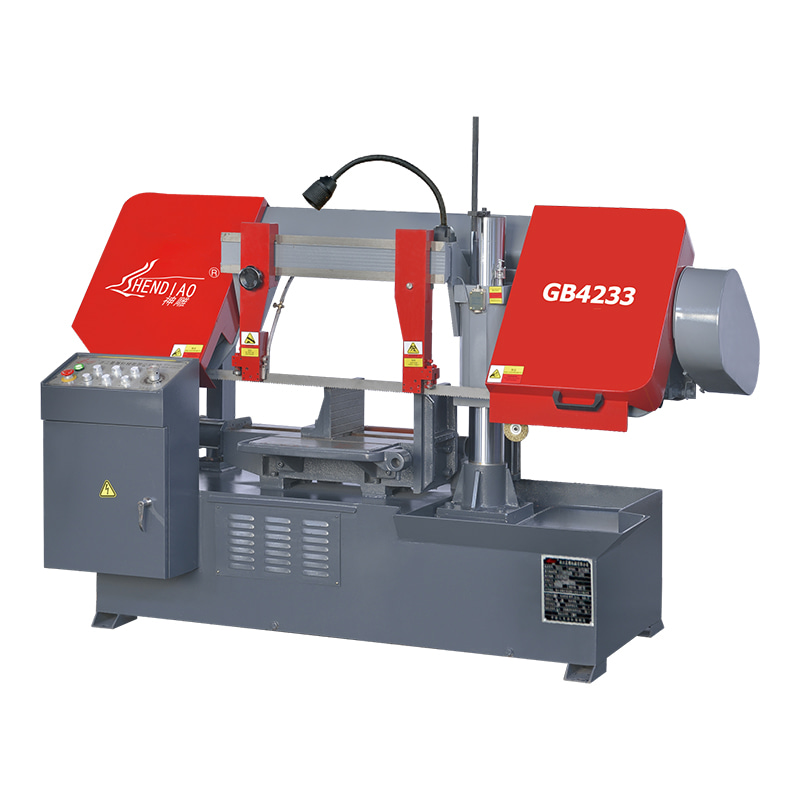
The GB4233 Double-Cylinder Horizontal Band Metal Sawing Machine comes ...
See Details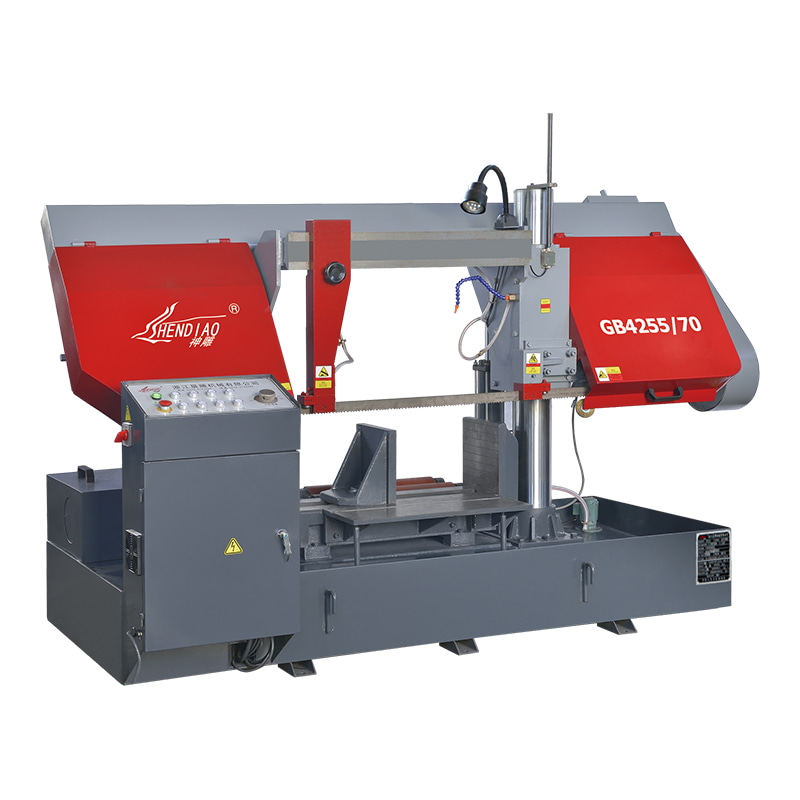
The GB4255/70 Button Chain Feed Double-Cylinder Horizontal Band Metal ...
See Details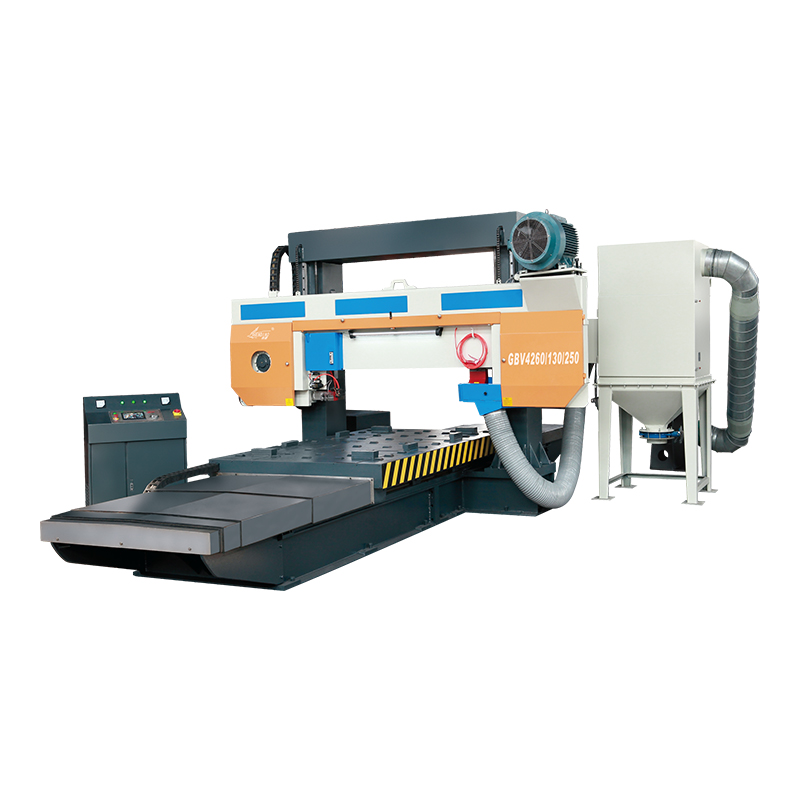
Suitable for cutting large aluminum alloy plates. Saw blade tensioning...
See DetailsCopyright © Zhejiang Chendiao Machinery Co., Ltd. Rights Reserved.
Band Saw Factory

