


 русский
 Français
 Español
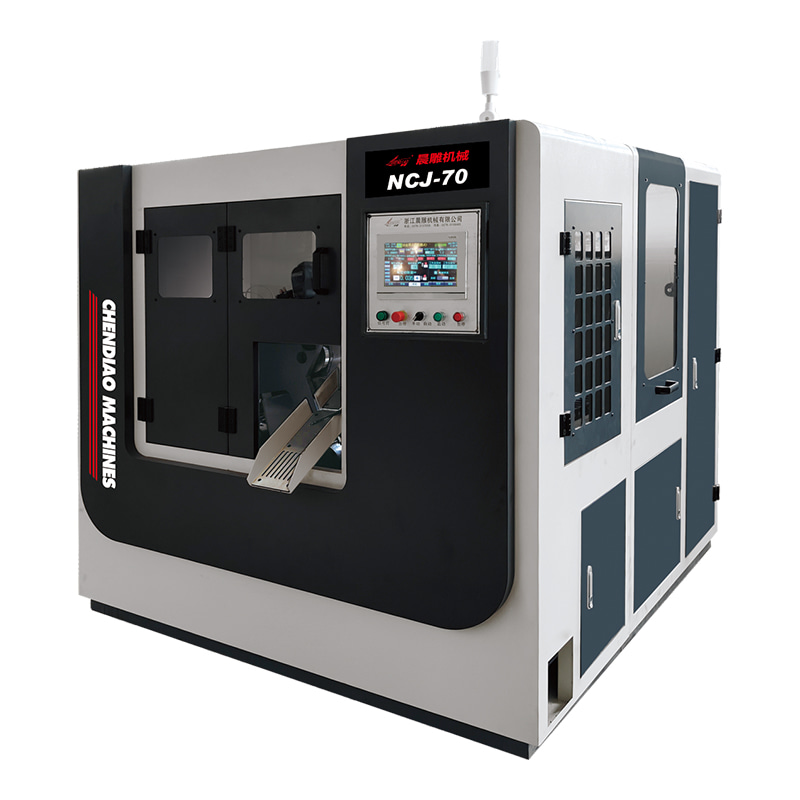
NCJ-70 Servo Automatic Feeding High Speed Metal Circular Saw Machine
Cat:Hinged Circular Saw Machine
Servo Automatic Feeding High Speed Metal Circular Saw Machine is an ad...
See DetailsMetal cutting is a fundamental step across nearly all manufacturing lines. Whether you're shaping raw stock or prepping parts for follow-up fabrication, how clean each cut turns out and how you lay out your cutting sequence directly impact the whole shop's efficiency.
Manufacturers now handle a wider mix of orders than before, so many shop owners are hunting for machinery that streamlines their cutting workflows. Automatic metal band saws have become a solid, down-to-earth pick for businesses aiming to tidy up their metal processing routines.
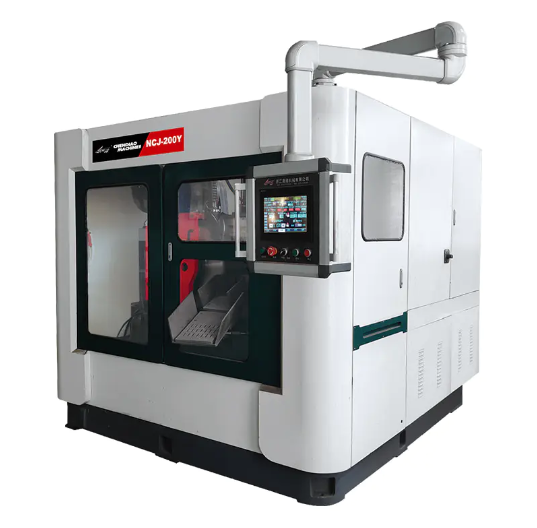
Old manual cutting tools rely heavily on constant hands-on adjustment. Automated saws shift the focus to consistent process control and simple operation. Staff don't need to waste hours on repetitive manual work, and every cutting run follows a steady, predictable routine.
The benefits of an automatic metal band saw stretch far beyond just the cutting phase itself. It also shapes how teams schedule output, assign labor, move raw materials around the floor, and run day-to-day shop management.
Metal processing environments often involve repeated cutting tasks. A single workshop may need to handle different materials, different shapes, and different production schedules.
When cutting work relies heavily on manual operation, the production process can become difficult to manage. Workers need to repeat similar actions throughout the day, and the final results may vary depending on experience and working conditions.
An automatic metal cutting band saw machine provides another way to organize these tasks. After materials are prepared and the machine is set up, the cutting process can continue with less direct involvement from operators.
This allows manufacturers to create a smoother working rhythm. Employees can focus on checking materials, arranging production steps, or handling other important tasks instead of staying with one cutting operation for a long time.
For companies looking to improve workshop organization, automation offers a more flexible production method.
| Production Aspect | Influence of Automatic Cutting Equipment |
|---|---|
| Daily Operation | Makes repeated cutting tasks easier to arrange |
| Worker Management | Reduces the need for constant manual attention |
| Production Planning | Supports a clearer workflow |
| Material Preparation | Helps organize cutting activities |
In metal fabrication, time is often connected with production costs and delivery schedules. A cutting process that runs smoothly can help avoid unnecessary delays.
An metal cutting band saw machine helps reduce repeated manual steps during operation. Workers do not need to handle every cutting movement by themselves, which can make the working process less complicated.
For production lines that require regular material preparation, this type of equipment can provide a more stable working pattern. Operators can arrange several tasks around the machine instead of spending most of their time on one process.
Another important point is workflow connection. Cutting is usually only one part of manufacturing. After cutting, materials may move to other production stages. When the cutting process is easier to manage, the following steps can also be arranged more smoothly.
This makes automation valuable not only for large production environments but also for workshops that want better daily organization.
Consistency is an important concern in metal processing. Materials often need to fit with later manufacturing procedures, so stable cutting results can make production easier to control.
Manual cutting depends greatly on the operator's experience. Even experienced workers may face differences when working for long periods or handling repeated tasks.
Automatic metal cutting band saw machines help create a more controlled operation process. The machine follows an arranged working method, reducing some changes caused by manual handling.
For businesses producing similar parts or preparing similar materials regularly, this can bring practical benefits. A more stable cutting process can help reduce adjustments during later production stages.
However, equipment selection still needs to match actual working needs. Different materials, production environments, and usage conditions may require different machine choices.
Metal cutting involves lots of repetitive work. Staff have to haul metal stock, align workpieces and watch over every cut without pause.
Doing these same motions all day tires workers out physically. Automatic metal band saws take over most of these routine jobs and lighten their load.
Workers can shift their focus to overseeing production and coordinating jobs. Instead of carrying out every single step manually, they manage the whole cutting workflow.
This doesn't mean skilled hands are no longer needed. Operators still rely on their know-how to set up the machine, sort materials and check finished cut quality.
Automation just changes how workers interact with machinery. The saw handles monotonous repeated tasks, while staff take charge of work that calls for experience and sound judgment.
Cutting metal means loads of repetitive work. Employees haul metal pieces, line them up correctly and keep an eye on every cutting run the whole time.
Doing these same movements all day wears people out physically. Automatic metal band saws take care of most of this routine work and cut down staff fatigue.
Workers can spend more time monitoring production and arranging jobs. They no longer need to finish every step by hand, and instead oversee the full cutting process.
This doesn't mean skilled workers aren't necessary anymore. Their practical experience is still vital for machine setup, sorting raw materials and checking the quality of cut parts.
Automation only changes how people work with the machines. The saw handles boring, repeated tasks, while staff focus on work that needs experience and sensible decisions.
Material preparation is closely connected with cutting efficiency. If materials are not managed properly, production schedules may face unnecessary interruptions.
An metal cutting band saw machine can support a clearer material handling process. When cutting tasks are arranged in advance, workers can better prepare materials and coordinate production steps.
This can help reduce confusion in busy workshops. Materials can move through different stages in a more organized way, making the production process easier to follow.
Better material management also helps companies understand their production needs. Clear cutting arrangements make it easier to plan daily work and adjust production activities when requirements change.
For manufacturers working with different metal materials, organized handling can improve overall workflow.
Selecting industrial equipment requires more than looking at the machine itself. Buyers need to consider how the equipment fits into their existing production environment.
Several factors can influence the final choice:
| Consideration | Importance |
|---|---|
| Production Type | Determines whether the machine matches daily needs |
| Material Application | Helps select suitable cutting equipment |
| Operation Method | Affects worker usage and management |
| Maintenance Support | Influences long-term operation |
| Supplier Communication | Helps solve future questions |
A suitable supplier can provide guidance based on actual requirements. Good communication before purchase can help businesses understand whether the equipment fits their production process.
Companies may also consider future production changes. Equipment that offers flexible use can provide more value when production needs develop.
Metal processing continues to move toward more organized and efficient production methods. Manufacturers are not only looking at cutting speed but also considering workflow, labor arrangement, and production management.
Automatic metal cutting band saw machines reflect this change. They combine cutting operations with a more structured working approach, helping companies handle repeated tasks in a practical way.
The growing use of automation shows how industrial equipment is adapting to modern manufacturing needs. For businesses working with metal materials, choosing suitable cutting equipment can influence daily production efficiency and long-term operation planning.
Servo Automatic Feeding High Speed Metal Circular Saw Machine is an ad...
See Details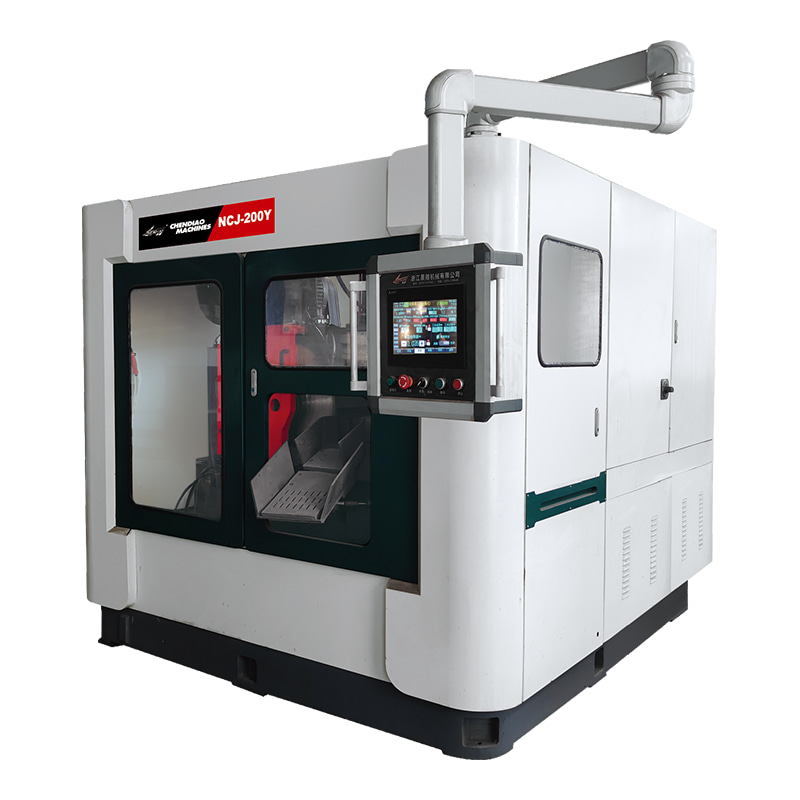
Highly rigid body structure with advanced clamping device, environment...
See Details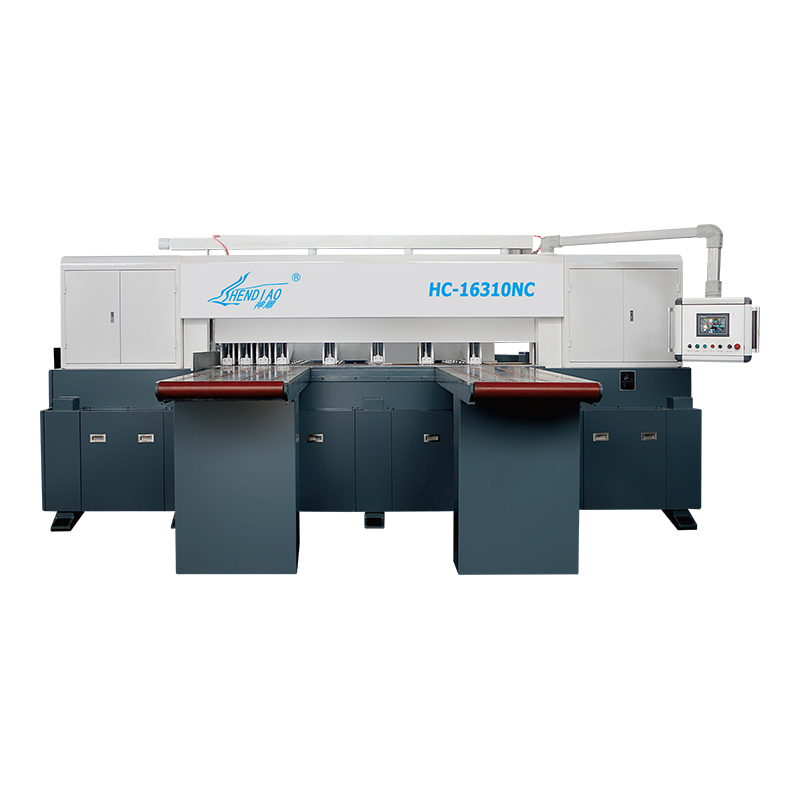
Suitable for cutting aluminum alloy plate, high efficiency (3 times of...
See Details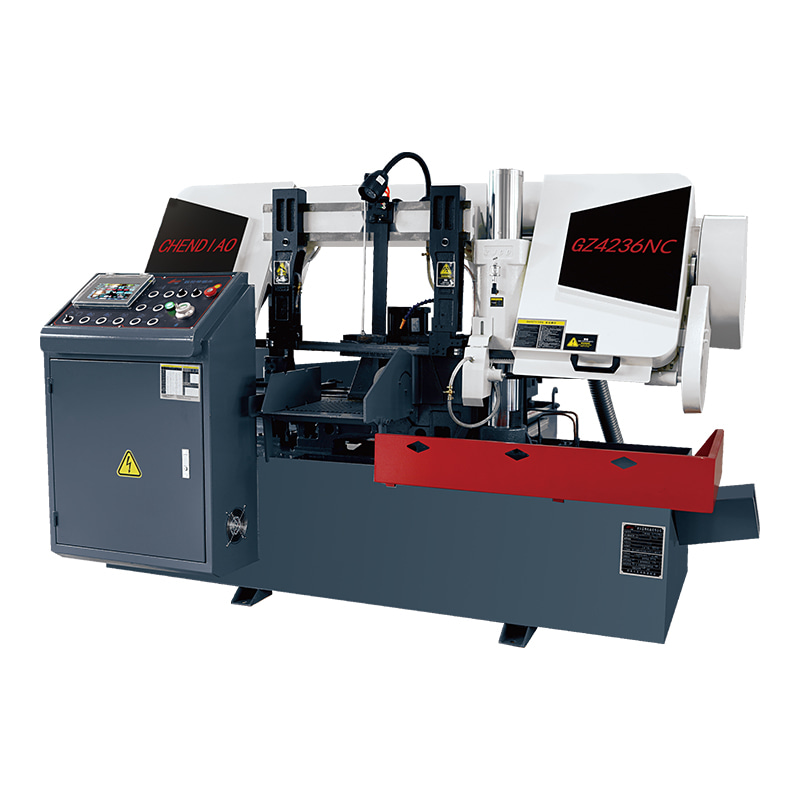
Suitable for sawing and cutting materials into same-size in massive qu...
See Details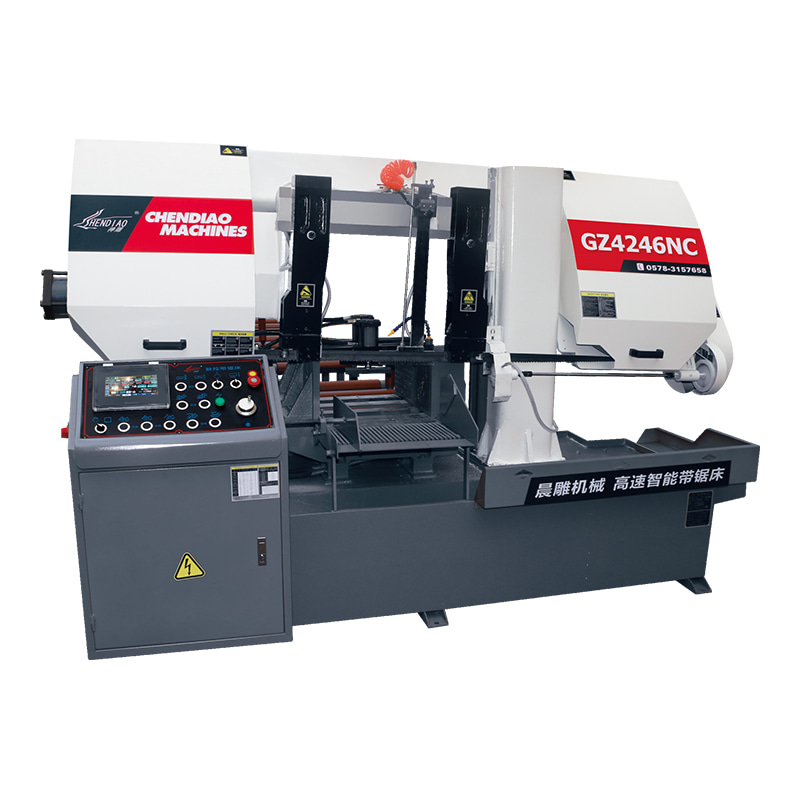
The GZ4246NC Newly Upgraded Large Square Column High-Speed Intelligent...
See Details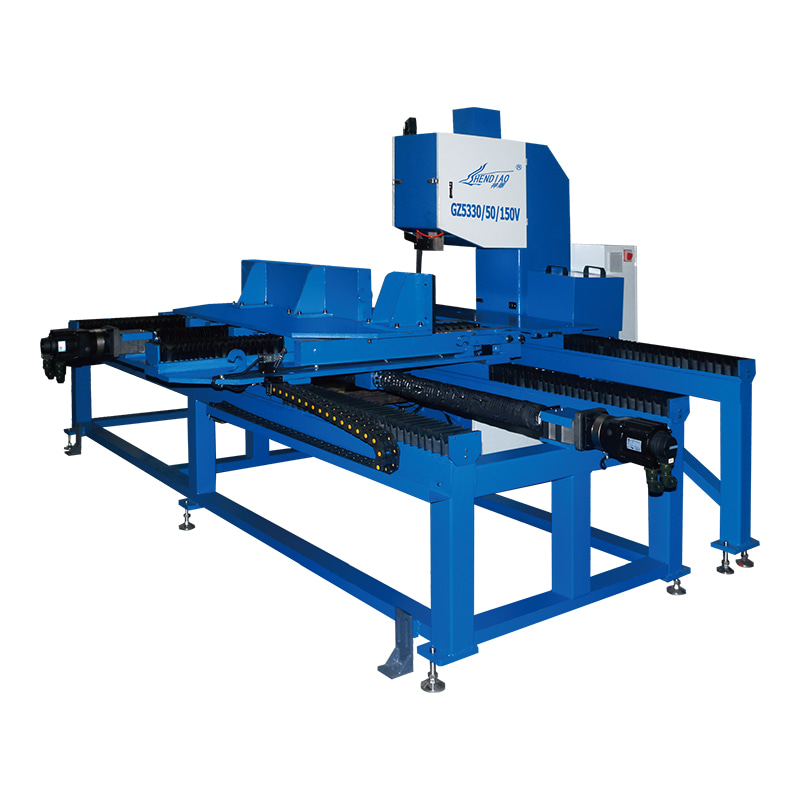
The GZ5330/50/150V Fully Automatic Feeding And Variable Frequency Sawi...
See DetailsCopyright © Zhejiang Chendiao Machinery Co., Ltd. Rights Reserved.
Band Saw Factory

