


 русский
 Français
 Español
GZ4285FNC Heavy-Duty High-Speed Intelligent Band Saw For High-Volume Sawing
Cat:High-Speed Intelligent Band Saw
The GZ4285FNC Heavy-Duty High-Speed Intelligent Band Saw For High-Volu...
See DetailsMetal cutting work has always depended on steady hands and consistent rhythm. In many workshops, manual band saw machines were once the standard choice. They are still in use today, but the pressure of faster orders and more stable output has changed how people look at equipment.
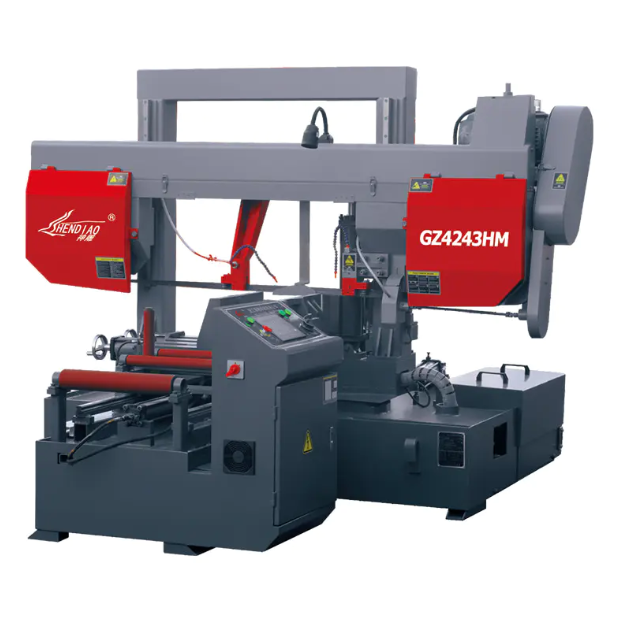
Semi-automatic metal cutting band saw machine are now appearing more often in daily operations. Not because manual tools stopped working, but because expectations around consistency and workload have shifted.
The difference between the two is not only about speed. It shows up in how the work feels during long hours, how materials move through the process, and how stable the results look at the end.
Manual machines rely completely on the operator's hands and timing. Every cut depends on how steady the material is held and how evenly it is fed.
At the beginning of a shift, the work may feel smooth. But as time passes, small changes appear. Pressure is not always the same. Feeding speed can shift slightly without notice. These tiny differences are easy to miss but can affect the final result.
Another issue is physical strain. Holding and guiding heavier materials over and over is tiring. When fatigue builds up, the process naturally becomes less stable.
This is usually where semi-automatic systems start to make sense in daily use.
A semi-automatic band saw machine still needs an operator, but it takes over part of the repetitive motion.
Once the material is positioned and settings are adjusted, the machine handles much of the cutting cycle on its own. The operator does not need to constantly apply force or control every movement.
This changes the rhythm of work. Instead of continuous hands-on control, the process becomes more like short supervision periods between cycles.
Work no longer feels like one long physical task. It turns into a sequence of smaller, more manageable steps.
In manual cutting, consistency depends heavily on the person operating the machine. Even experienced workers can produce slight differences from one cut to another.
Semi-automatic systems reduce that variation. The machine repeats the same motion in a controlled way, which helps keep each cut closer to the previous one.
| Work Aspect | Manual Machine | Semi-Automatic Machine |
|---|---|---|
| Cutting rhythm | Depends on operator | More stable movement |
| Output pattern | Can vary over time | More uniform |
| Adjustment need | Frequent | Occasional |
| Operator effort | Continuous | Intermittent |
What stands out is not a dramatic change, but a smoother repetition over time.
In practice, yes. It shows up in small ways.
When a person is working with metal pieces for a long time, attention naturally shifts. Holding position slightly differently or feeding material at uneven speed can happen without noticing.
These small changes may not cause immediate problems, but over a full workday they can find to uneven results or extra adjustment work.
Semi-automatic machines reduce the need for constant physical involvement. The operator still watches the process, but the machine carries the repetitive load. This helps keep energy more balanced across the shift.
Material handling is often where differences become clearer.
With manual machines, positioning and guiding depend on the operator's control. If the material is long or heavy, stability can be harder to maintain.
Semi-automatic systems help keep the material movement more consistent once it is set in place. The machine supports the motion, so there is less drifting or unintended shifting during cutting.
This becomes more noticeable when doing repeated cuts. Instead of adjusting each piece again and again, the process stays closer to the original setup.
In many workshops, cutting is only one part of the process. There is also preparation, sorting, and finishing work happening at the same time.
Manual machines often require the operator to stay close throughout the entire cutting cycle. That limits flexibility.
With semi-automatic systems, there is more room between actions. While one cycle is running, the operator can prepare the next piece or handle completed parts.
The work area feels less crowded in terms of attention. Tasks are still there, but they do not overlap as heavily.
Material waste usually comes from small inaccuracies. A slight angle change or uneven feed can find to pieces needing adjustment.
Semi-automatic machines help reduce that variation by keeping motion more steady. When cuts are repeated, they tend to stay closer to the same pattern.
This does not eliminate waste completely, but it reduces the chance of repeated correction work. Over time, that difference becomes noticeable in daily operations.
Safety conditions differ a lot based on how much workers need to touch raw materials during cutting work.
With fully manual cutting gear, operators keep their hands close the whole time to fix, grip and feed materials into position.
Semi-automatic equipment cuts down such constant physical contact. Workers stay further away and spend of their shift watching machine operation rather than manually steering workpieces.
Machine movement follows fixed cycles and runs more steadily. Hazards still exist on site, yet staff do not need frequent urgent tweaks while cutting proceeds.
Stability comes from repetition that behaves the same way each time.
Manual systems depend on human consistency, which naturally changes from moment to moment. Energy levels, attention, and timing all play a role.
Semi-automatic systems follow a fixed motion pattern once set. That makes repeated tasks feel more controlled.
Over a full production day, this stability is what many workshops notice most. Not a big change in one cut, but a steady difference across many cycles.
The move toward semi-automatic machines is not about replacing people. It is more about reducing strain from repetitive physical work.
Manual cutting still has its place, especially for smaller or flexible tasks. But when repetition increases, machines that support consistency become more practical.
Work is slowly shifting toward a shared model. Machines handle repetition, while operators handle decisions and supervision.
This balance reflects how many workshops are adjusting to everyday production demands.
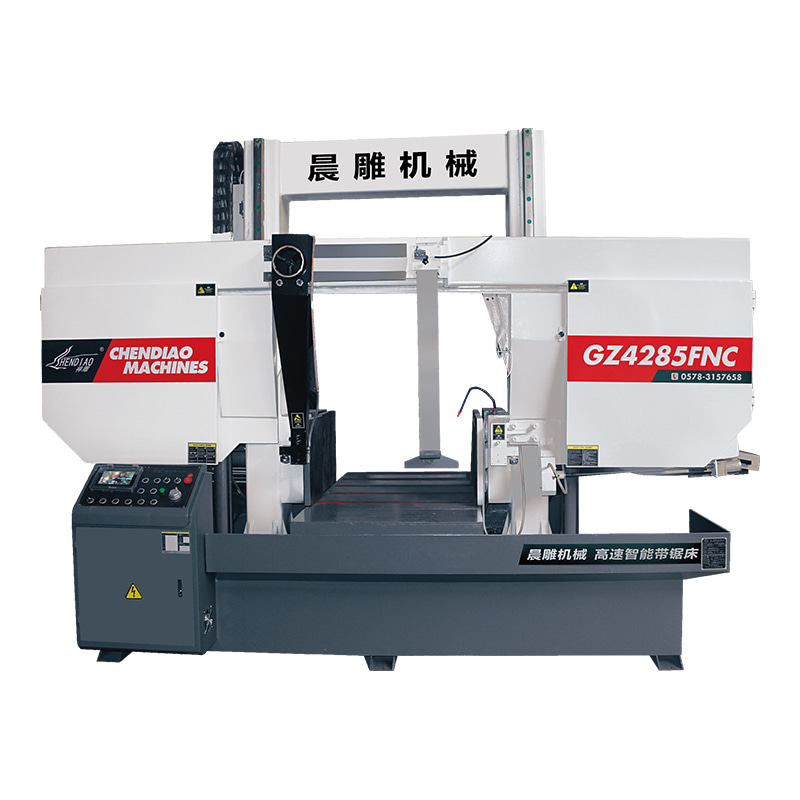
The GZ4285FNC Heavy-Duty High-Speed Intelligent Band Saw For High-Volu...
See Details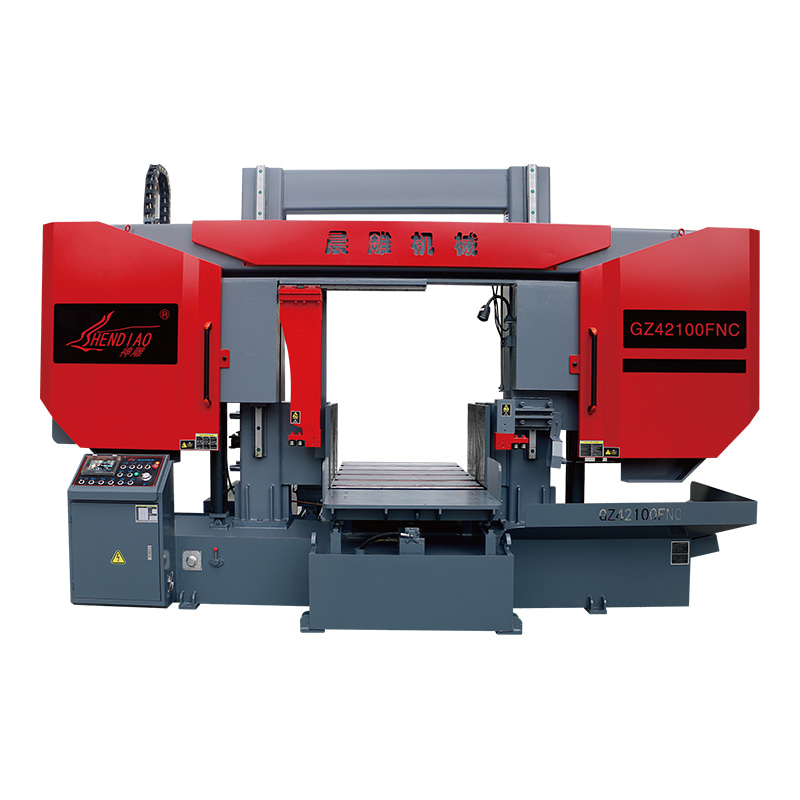
Automatic chip device. Saw blade hydraulic tensioning. Saw blade wire ...
See Details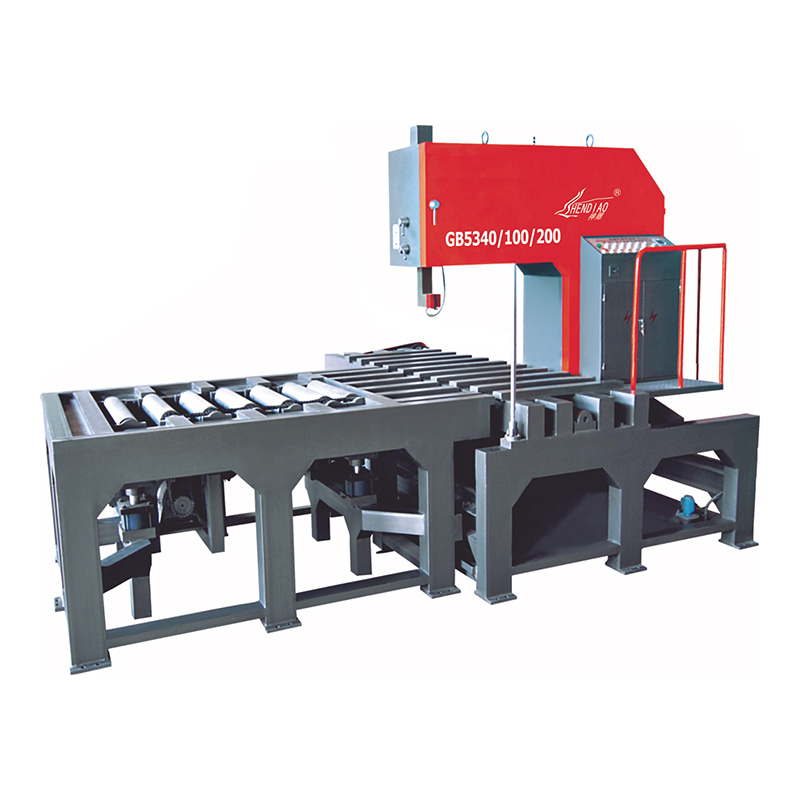
Apply in billets, plates, forgings and other steel cutting. Materials ...
See Details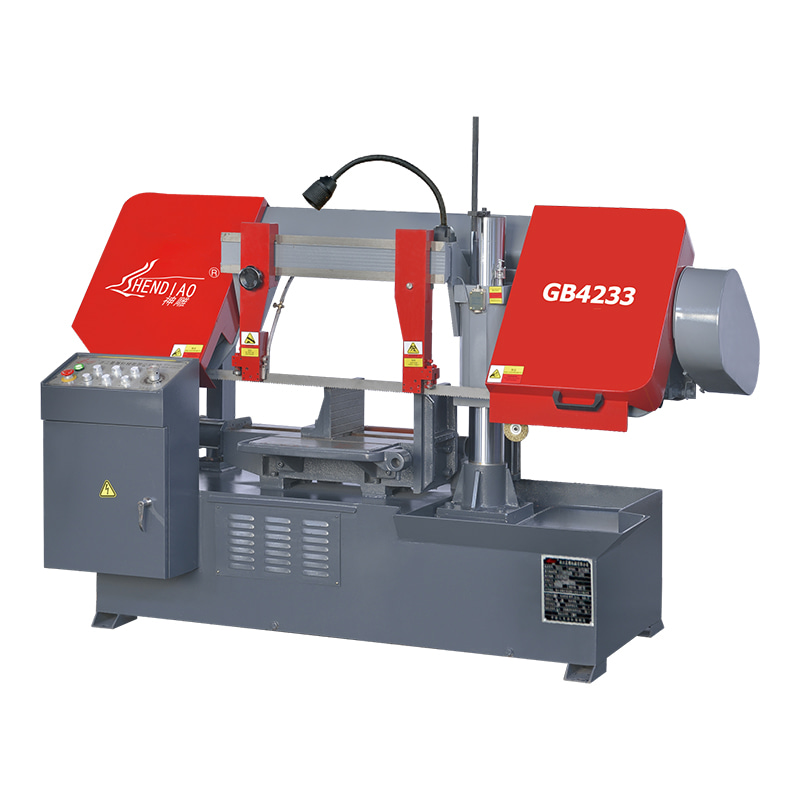
The GB4233 Double-Cylinder Horizontal Band Metal Sawing Machine comes ...
See Details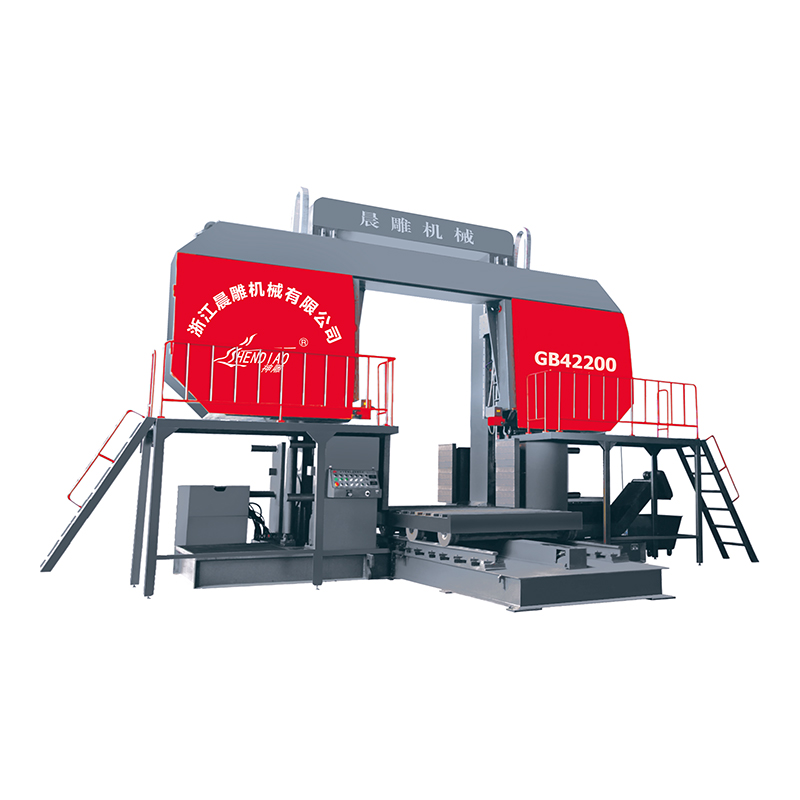
The GB42200 Gantry Type Band Pulley Automatic Feeding Metal Sawing Mac...
See Details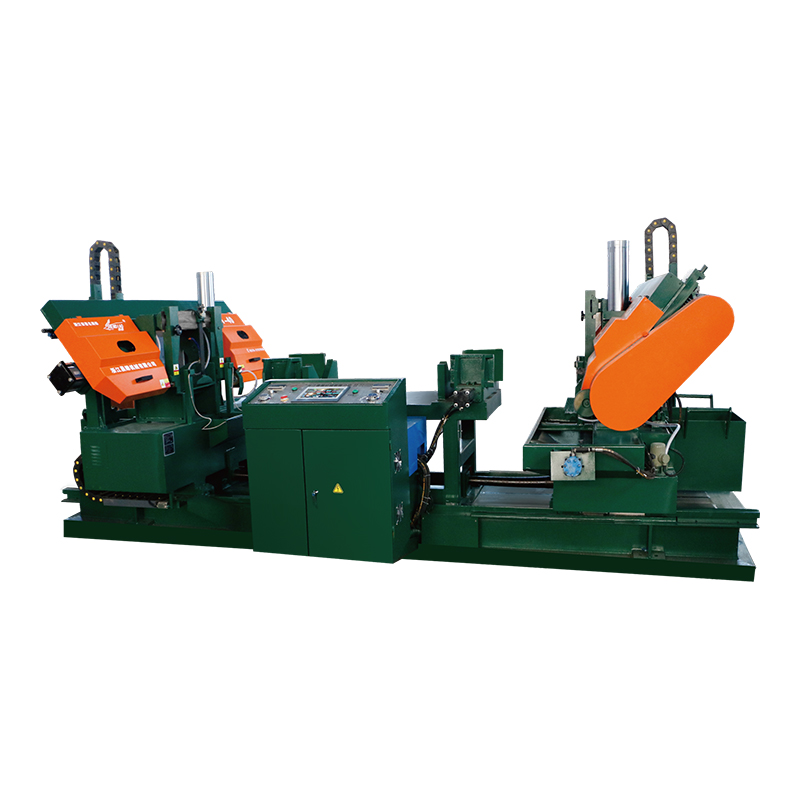
ST-40 CNC Double-Head Band Sawing Machine is designed for high-precisi...
See DetailsCopyright © Zhejiang Chendiao Machinery Co., Ltd. Rights Reserved.
Band Saw Factory

