


 русский
 Français
 Español
GZ4243B Upgraded Manual-Automatic Dual-System Operation CNC Band Sawig Machine
Cat:CNC Band Sawig Machine
Suitable for sawing and cutting materials into the same size in massiv...
See DetailsA fully automatic angle cutting band saw machine is used for cutting metal materials at specific angles in a continuous and controlled way. It shows up in workshops and production lines where repeated cutting tasks are needed and where consistency matters more than one-off manual adjustments.
Instead of measuring and cutting each piece by hand, the machine takes over of the routine steps. Material is placed in position, the angle is set, and the machine repeats the same cutting motion across a batch.
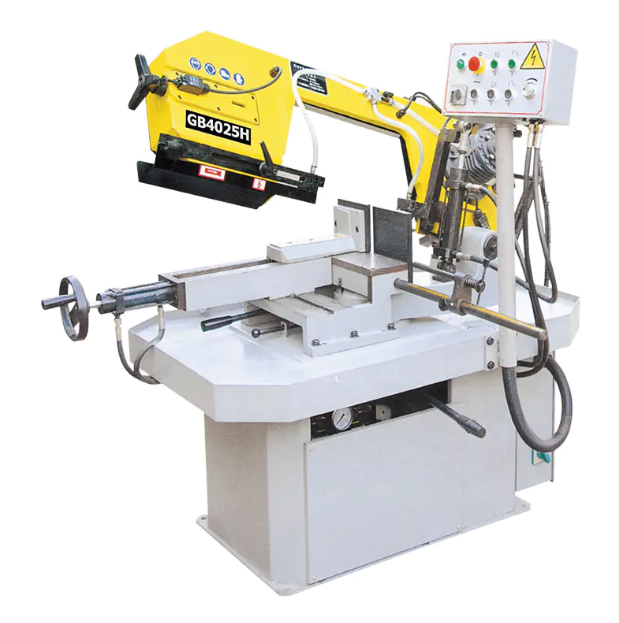
It sounds straightforward, but in real use, it changes how work flows through a factory area. Fewer pauses. Less handling. More repeatable output.
Straight cuts are not always enough in metal processing. Many structures depend on joints that meet at an angle. If the angle is off, the next assembly step becomes harder.
Angle cutting is often used when parts need to connect in different directions. Think of frames, support structures, or welded assemblies. These pieces rarely meet in a straight line.
A small change in angle can affect how stable a structure feels later. That is why cutting accuracy is not just a detail, but part of the overall build quality.
In many workshops, angle cutting is also about reducing rework. If the cut is correct the time, later correction is less likely.
The machine is mostly used on metal-based materials. These are often long, solid pieces that need to be shortened or shaped before further processing.
Different materials behave differently when they are cut. Some are smooth and easy to handle. Others feel heavier and resist movement slightly during feeding.
| Material type | Cutting behavior | Typical use |
|---|---|---|
| Steel rods | Stable during cutting | Structural parts |
| Metal bars | Consistent feed | Frame work |
| Alloy pieces | Slight resistance | Mechanical components |
| Profile sections | Balanced response | Assembly preparation |
The machine does not "change" the material. It simply divides it at the required angle, piece by piece.
The working process is repetitive, but not random. It follows a fixed cycle that repeats as long as material is supplied.
A simple flow looks like this:
feeding → positioning → angle alignment → cutting → release → collection
Each step depends on the one before it. If positioning is slightly off, the cut will reflect that difference.
Material feeding is usually the starting point. Pieces are placed into the machine area and guided forward.
Positioning is where alignment matters most. Even a small shift can change the final result.
Once aligned, the machine holds the material steady and begins cutting at the selected angle. The movement is controlled and gradual rather than sudden.
After cutting, the finished piece is released and moved out of the working area so the next cycle can begin.
Manual cutting requires repeated measurement and physical handling for each piece. That means every item goes through human adjustment before cutting.
With a fully automatic system, the setup is done once per batch. After that, the machine repeats the same action.
| Aspect | Manual cutting | Automatic angle cutting machine |
|---|---|---|
| Setup work | Repeated | One-time per batch |
| Output consistency | Depends on operator | More stable |
| Material handling | High | Reduced |
| Speed stability | Varies | More steady |
The difference is noticeable in long production runs. When dozens or hundreds of pieces are needed, repetition becomes the key factor.
This type of machine is usually found in metal-related production environments. Not decorative work, but practical fabrication tasks.
It appears in places where metal parts are prepared before assembly or welding.
Common usage areas include:
In these environments, cutting is not the final step. It is part of a longer chain of processing.
The machine is rarely working alone. It sits in a small production flow that includes feeding, cutting, and output handling.
A typical arrangement looks like this:
raw material area → feeding station → cutting machine → output table → next process
Material moves in one direction. That helps avoid confusion and reduces waiting time between steps.
While the machine is cutting one piece, the next piece is usually being positioned. This overlap keeps the workflow moving.
If output is not removed in time, the machine may slow down or pause. So collection timing is part of the rhythm.
Angle setting is the core of this machine's function. It defines how the material will be divided.
Once the angle is set, the machine repeats that same direction for each piece in the batch.
If the angle is changed, it is usually done between batches, not during continuous cutting.
The process is simple in structure:
Even a small difference in angle can affect how parts fit later in assembly, so this step is usually checked carefully before production begins.
Even though the machine runs automatically, it still needs attention during operation. Materials, alignment, and output behavior can shift slightly over time.
Operators usually watch for small signs instead of major problems.
They may notice:
| Stage | What is observed |
|---|---|
| Feeding | Smooth entry of material |
| Cutting | Stable movement |
| Output | Angle uniformity |
| Collection | Shape consistency |
Adjustments are not constant, but they are part of normal operation when needed.
Once the material is cut, it does not stay in the machine area. It moves into the next stage of processing or storage.
Depending on the workshop, this could mean welding, assembly, or simple sorting.
Finished pieces are often grouped based on shape or angle type. This helps keep later steps organized.
The flow is usually:
cut parts → grouping → temporary placement → next process
Even though the pieces are already shaped, they still need careful handling to avoid misalignment or damage before the next step.
A fully automatic angle cutting band saw machine is not the final stage of production. It sits in the middle of a larger workflow.
Its role is to prepare materials so that other processes can continue without delay.
When it runs smoothly, downstream work becomes easier. Welding, assembly, and fitting steps all depend on accurate cut pieces.
It does not work in isolation. It connects directly to how the rest of the production line behaves, especially in metal processing environments where repetition is common.
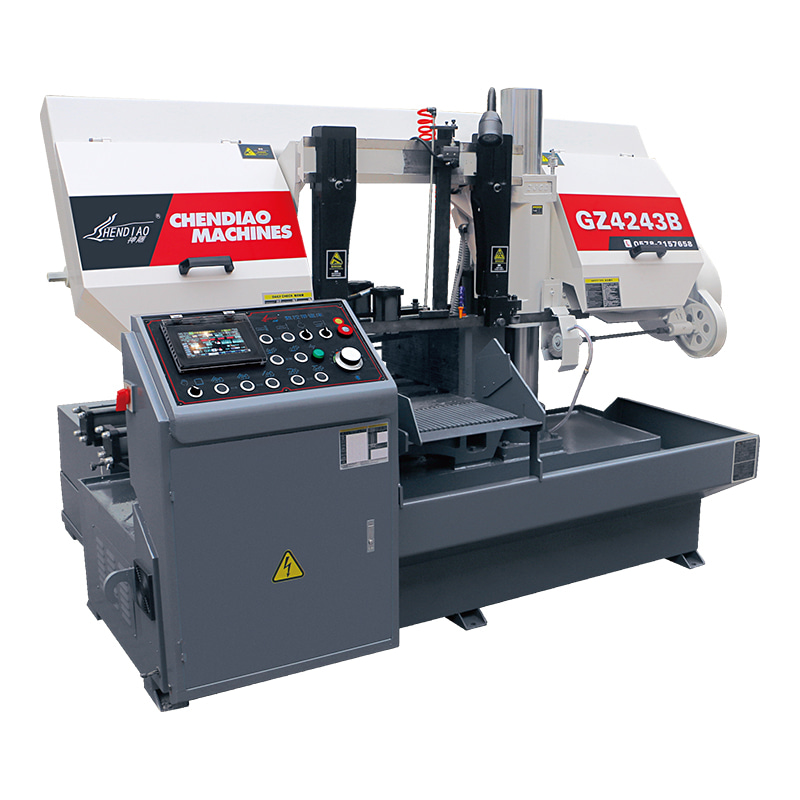
Suitable for sawing and cutting materials into the same size in massiv...
See Details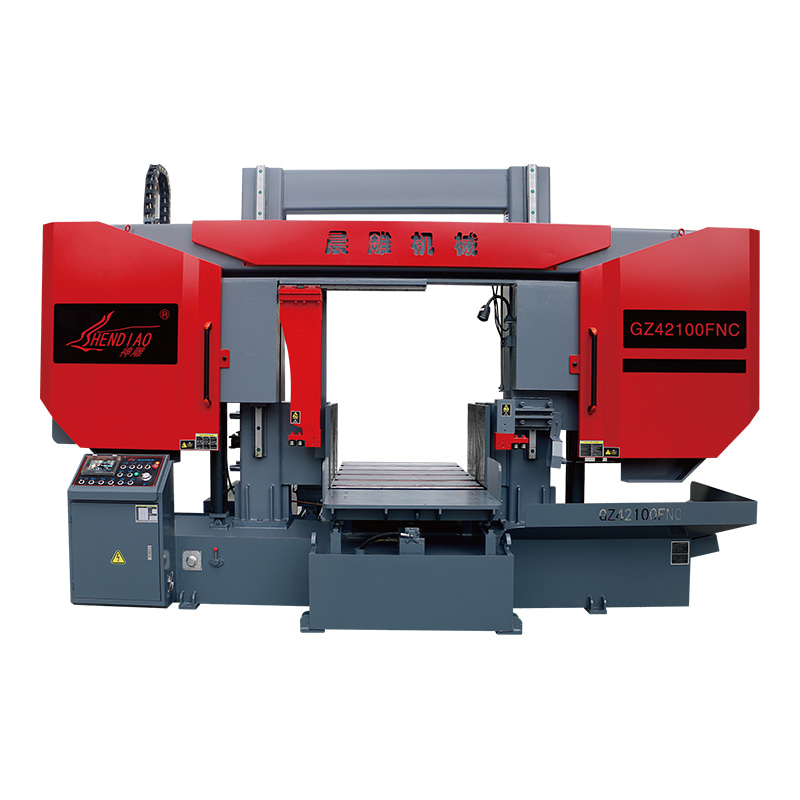
Automatic chip device. Saw blade hydraulic tensioning. Saw blade wire ...
See Details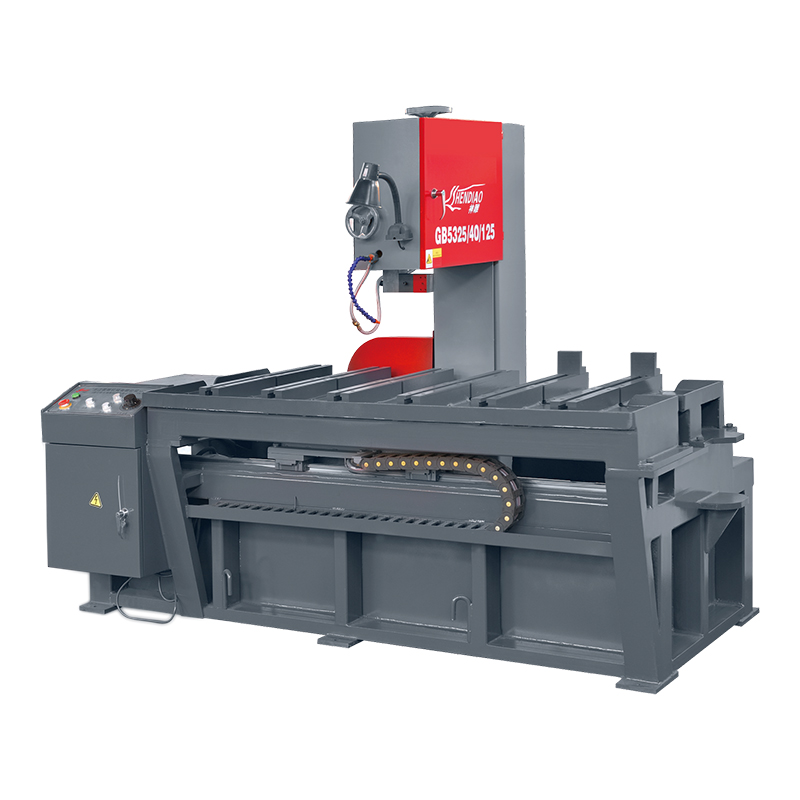
The GB5325/40/125 Semi-Automatic Vertical Band Sawing Machine handles ...
See Details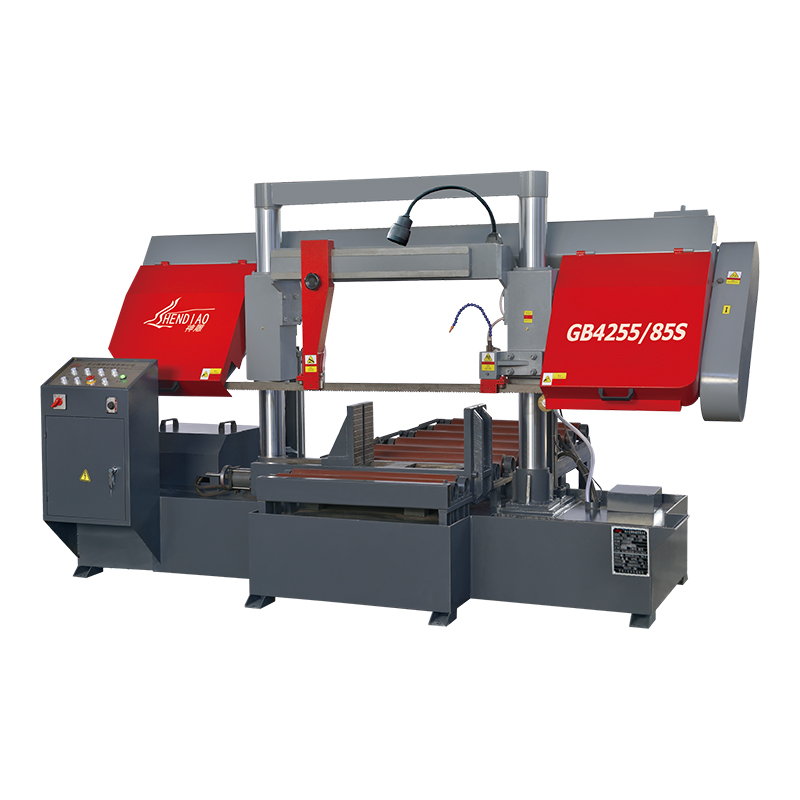
The GB4255/85S horizontal band saw is a beast of a machine built for h...
See Details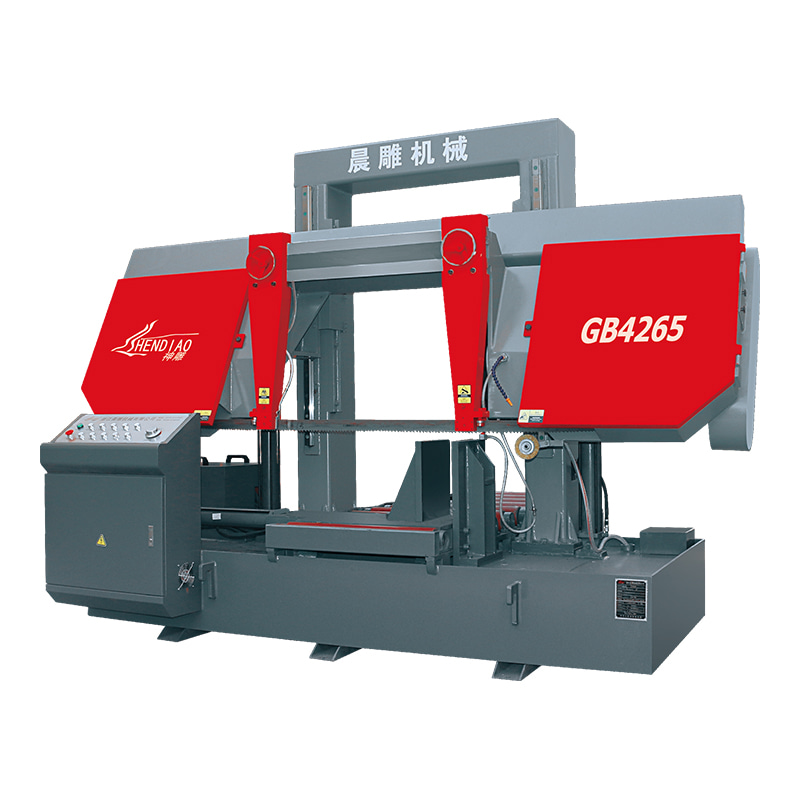
The GB4265 Semi-Automatic Gantry Type Band Chain Feeding Metal Sawing ...
See Details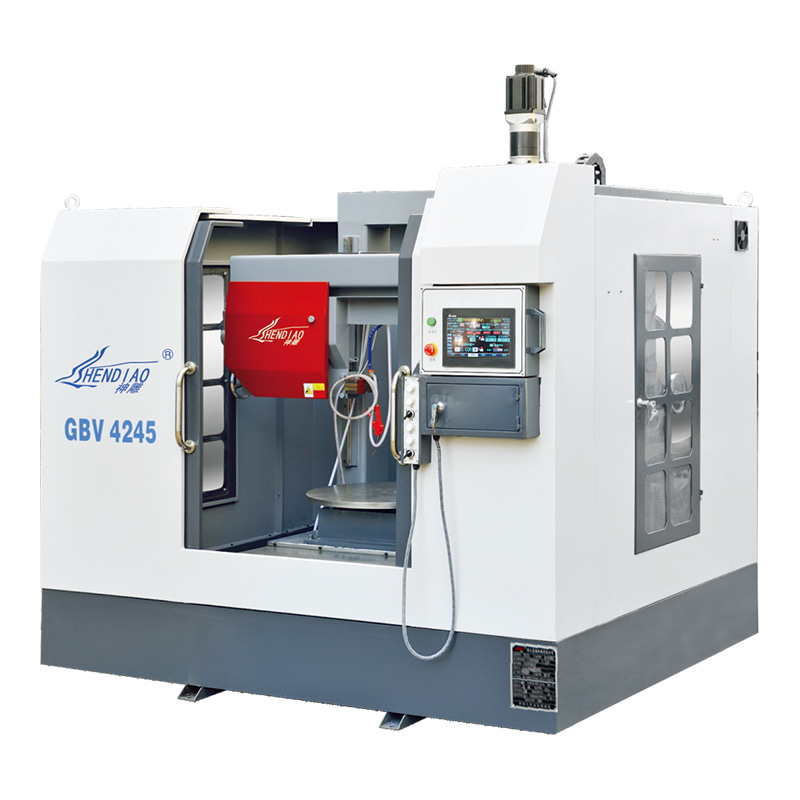
The GBV4245 Sapphire Cutting Machine Disc Saw is a specialized solutio...
See DetailsCopyright © Zhejiang Chendiao Machinery Co., Ltd. Rights Reserved.
Band Saw Factory

