


 русский
 Français
 Español
NCJ-70 Servo Automatic Feeding High Speed Metal Circular Saw Machine
Cat:Hinged Circular Saw Machine
Servo Automatic Feeding High Speed Metal Circular Saw Machine is an ad...
See DetailsGraphite cutting band saw machines are widely used in processing environments where shaped carbon materials are needed. The machine works under continuous contact with abrasive particles, which makes routine care an important part of daily operation. Without proper attention, performance may become uneven, and cutting quality can slowly change over time.
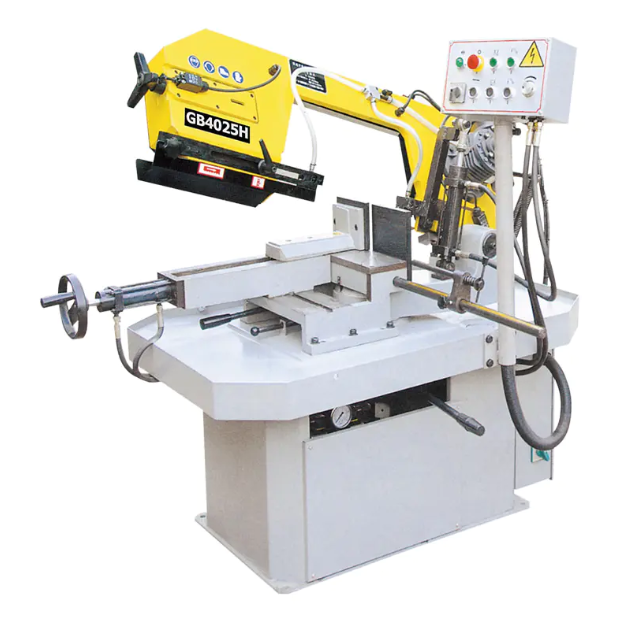
Maintenance in this context is not a single task. It is a series of small actions that keep movement stable, surfaces clean, and cutting behavior consistent. Each part of the machine plays a role, and each part responds differently to wear.
Graphite behaves differently from many other materials. It produces fine particles during cutting. These particles are light, spread easily, and tend to settle in small gaps inside machinery.
Over time, this buildup can affect:
A band saw machine used for graphite is exposed to repeated friction. Even small changes in surface condition can influence cutting behavior. Regular attention helps keep these changes under control.
Maintenance is not only about preventing breakdowns. It also helps maintain consistent output quality, especially when the machine runs for long periods.
Cleaning is often the frequent maintenance task. It does not require complex steps, but it does require consistency.
Graphite dust tends to settle in corners and along moving paths. If left unattended, it can gradually build up.
Common cleaning focus areas include:
A simple routine usually includes:
Dry cleaning methods are often preferred. Moist cleaning is used only when appropriate for the environment. The goal is to prevent material from accumulating in hidden areas.
The cutting blade is one of the active parts of the machine. It is in constant contact with graphite material. This contact gradually changes its surface condition.
Regular observation helps identify early signs of wear.
Key points to observe include:
Small shifts in alignment can affect the entire cutting process. Even slight deviation may to uneven surfaces on the processed material.
Blade condition is not only about sharpness. It is also about stability during motion. A stable blade supports smoother cutting behavior.
Band saws can't cut well if the blade doesn't move steady. Even a little wiggle or uneven motion will mess up the cut—either make it inconsistent or imprecise.
To keep the movement stable, three key parts work together:
For daily checks to keep movement stable, do these every day:
Weird sounds are usually the sign that the machine is out of balance. If you fix these small issues right away, they won't get worse and ruin the cut quality.
Graphite dust from cutting isn't like regular workshop dirt. It's super fine and light—blows around easily with air, getting all over the machine and the work area.
If you don't control it, graphite dust builds up in these sensitive spots:
Good dust management keeps the machine working well long-term and keeps the work area clean and safe.
Here's what you need to do for routine dust care:
You can't get rid of all graphite dust in a graphite cutting area—it's impossible. The goal is to keep it from building up so much that it messes with how the machine works.
Lubricant keeps the band saw's moving parts from sticking. But when cutting graphite, the lubricant gets covered in fine graphite dust that's floating in the air or sitting on the machine.
This means you have to be careful with how much lubricant you use: too little, and parts rub together (causing wear); too much, and it traps graphite dust, making a gunky buildup that's bad for the machine.
Focus on these areas when lubricating:
You need to check these areas often. If parts feel stiffer than usual, or the blade moves choppily, you need to adjust the lubrication.
The better way is to use just enough lubricant—only what's needed to keep parts moving smoothly. Don't use extra, because that will just collect more graphite dust.
Wear does not appear suddenly. It develops gradually through repeated use. Recognizing early signs helps prevent larger disruptions.
Common indicators include:
These signs often appear slowly. They may not affect operation immediately, but they indicate that internal conditions are changing.
Observation over time is more important than single inspections. Patterns reveal more than isolated checks.
Inspection frequency depends on usage intensity. Machines that run continuously require closer attention. Machines used intermittently may follow a lighter schedule.
Instead of fixed timing, many operators rely on usage patterns:
Inspection does not always mean disassembly. Often, it involves simple observation, listening, and surface checking.
Small, regular checks reduce the chance of unexpected interruption.
| Area of Machine | What Is Observed | Common Maintenance Action |
|---|---|---|
| Cutting zone | Surface condition and residue | Cleaning and debris removal |
| Blade path | Alignment and movement smoothness | Adjustment and inspection |
| Guide system | Stability of motion | Dust clearing and checking wear |
| Drive movement | Consistency of operation | Sound and vibration observation |
| Surface joints | Dust accumulation | Routine cleaning |
| Rotation points | Smoothness of turning | Light lubrication checks |
This structure shows how different parts require different attention styles. Maintenance is not uniform. It follows the behavior of each component.
Machine condition is not only determined by design. It is also shaped by how it is used.
Small operational habits can influence long-term performance:
Operators often notice subtle changes before any visible issue appears. This practical awareness becomes part of maintenance in real environments.
In graphite cutting environments, maintenance is not separate from operation. It runs alongside it. Each use of the machine slightly changes its condition. Each cleaning action restores balance.
The process is continuous:
This cycle repeats over time. It is less about individual actions and more about maintaining steady conditions through repetition.
The machine does not remain static. It evolves with use. Maintenance helps guide that evolution in a controlled direction, keeping cutting behavior steady and predictable across different working cycles.
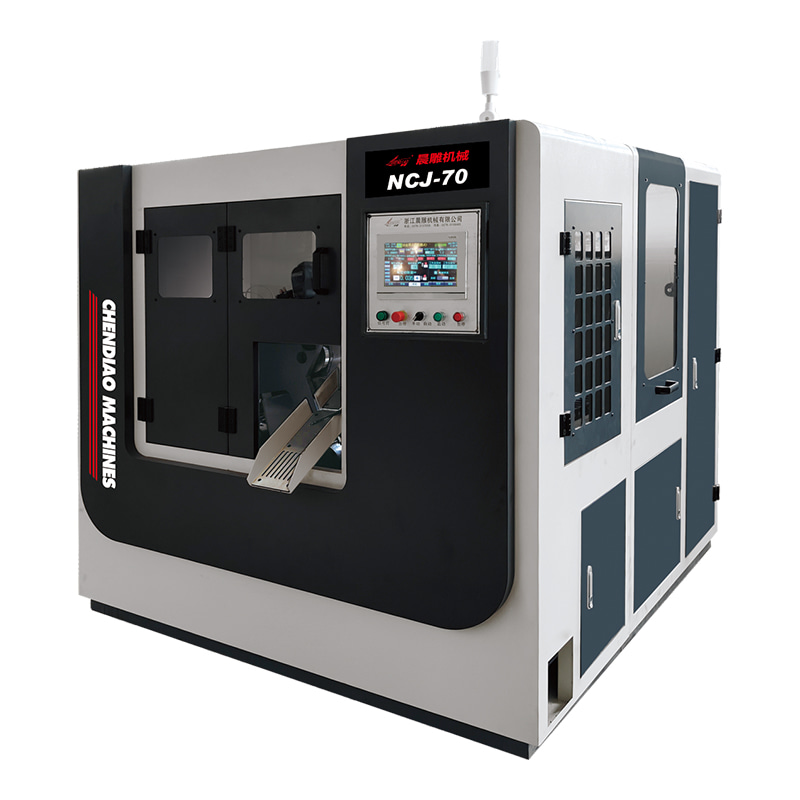
Servo Automatic Feeding High Speed Metal Circular Saw Machine is an ad...
See Details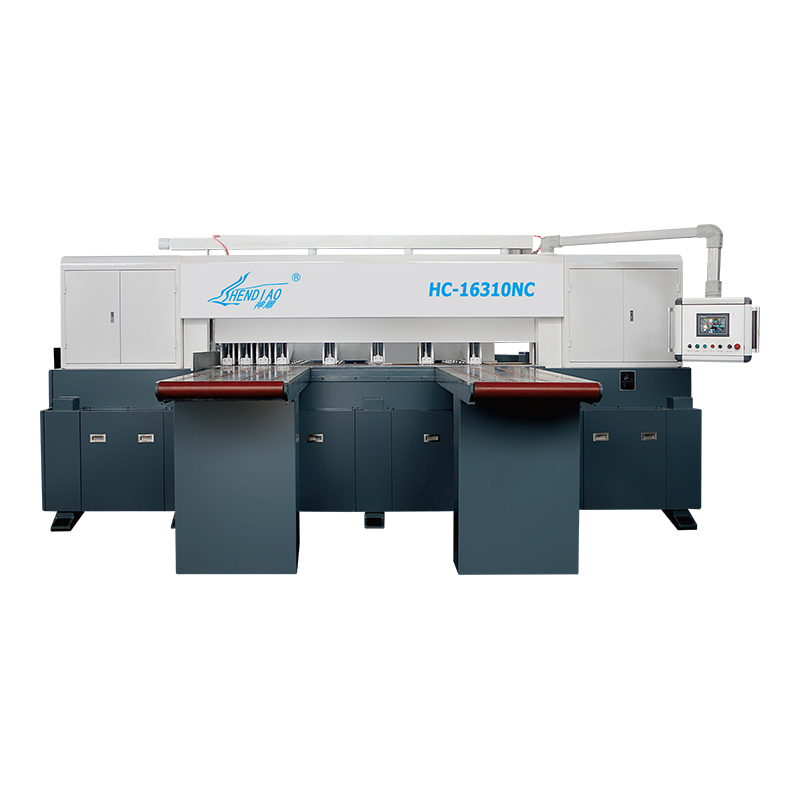
Suitable for cutting aluminum alloy plate, high efficiency (3 times of...
See Details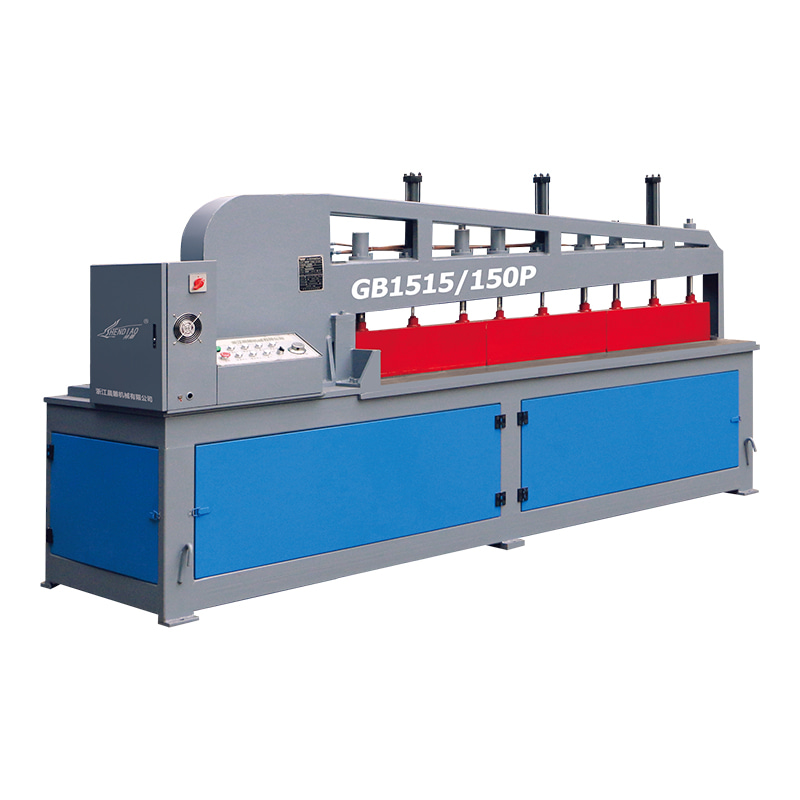
Suitable for cutting aluminum alloy sheet, high efficiency (3 times mo...
See Details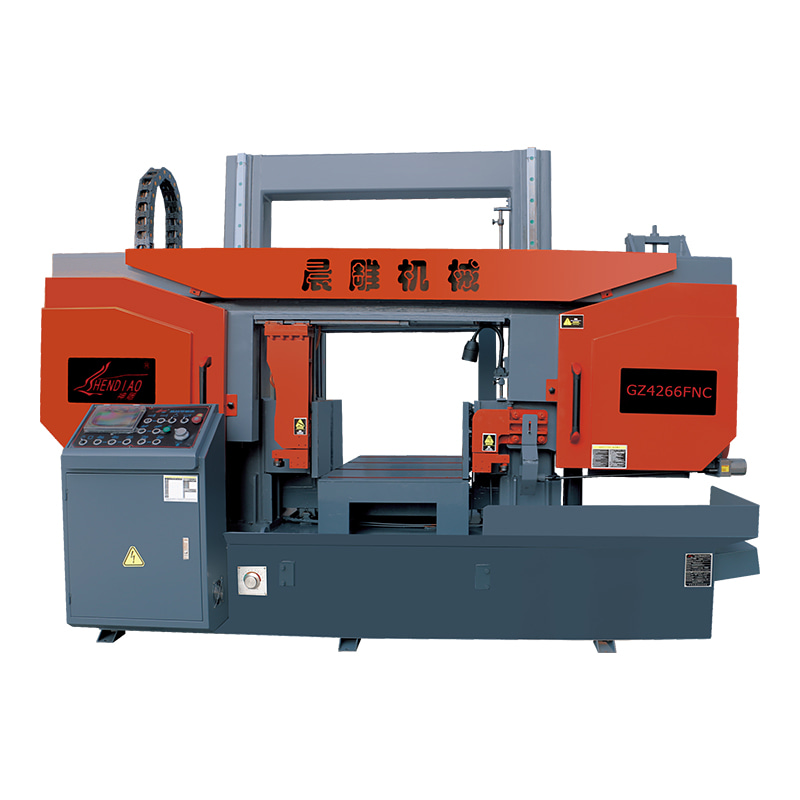
The GZ4266FNC Fully Automatic Feeding Full Roller High-Speed Intellige...
See Details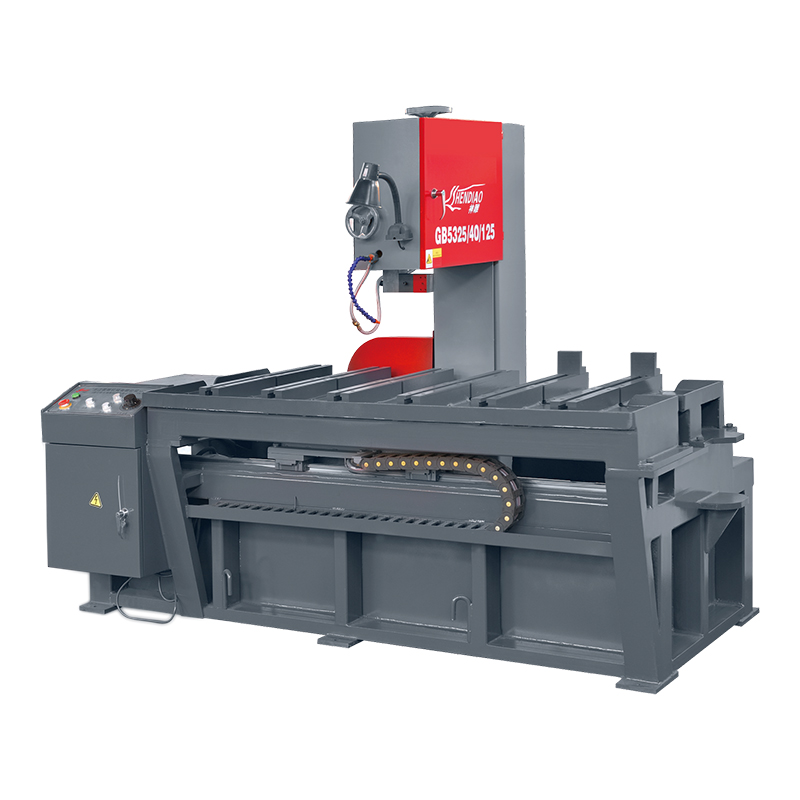
The GB5325/40/125 Semi-Automatic Vertical Band Sawing Machine handles ...
See Details
Jaw Full Bundle Rebar Special Cutting Metal Double-Cylinder Horizontal...
See DetailsCopyright © Zhejiang Chendiao Machinery Co., Ltd. Rights Reserved.
Band Saw Factory

