


 русский
 Français
 Español
GZ4233NC Efficient High-Speed Intelligent Band Saw With Automatic Chip Removal Device
Cat:High-Speed Intelligent Band Saw
Automatic chip removal device, saw blade hydraulic tensioning device, ...
See DetailsIn many fabrication workshops, cutting is one of those steps that quietly defines the rest of the work. Before shaping, assembling, or finishing, material has to be divided into usable pieces. A Vertical Metal Cutting Band Saw Machine often sits in this stage. It looks simple. A blade moves in a loop. Material is guided into it. Yet the range of things it can handle is broader than it appears.
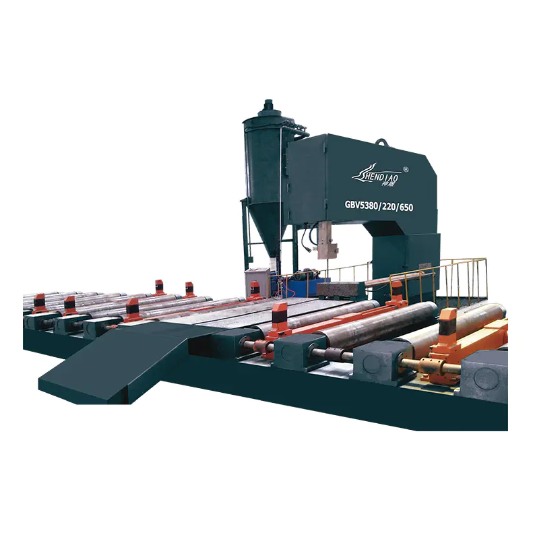
The real question is not only what it can cut, but how different materials behave once they meet the blade.
A vertical band saw does not force material through a fixed cutting path. Instead, the material is guided into a moving blade. That small difference changes everything.
The blade moves continuously in one direction. The operator controls how the material enters that movement. Because of this setup, the machine can adjust to different shapes, sizes, and textures without changing its structure.
It is less about rigid automation and more about controlled interaction. That is why it can work across different material types in the same workspace.
Metal is the main category processed by this type of machine. Within that category, behavior varies quite a bit depending on structure and hardness.
Steel used in general fabrication
This material is widely seen in frames, supports, and structural parts. It usually cuts in a steady way. The resistance is predictable, so the blade moves through it with a consistent rhythm.
Stainless-type materials
These tend to feel denser during cutting. The motion needs to stay stable. If the feed becomes uneven, the cut can lose smoothness. With steady handling, the process remains controlled.
Aluminum-based materials
Aluminum is lighter and easier to move through the blade. It responds quickly to cutting, but it also needs careful control to avoid rough edges.
Copper and similar soft metals
These materials are more flexible in structure. They can deform if pressure shifts too much. A steady, calm feed helps keep the cut line clean.
Each metal behaves differently, but the machine stays the same. The difference comes from how it is guided.
Not every piece of metal arrives in a neat block. Many are cast, welded, or partially formed. Some have curves or uneven surfaces.
A vertical band saw handles this through manual guidance. The operator can turn or shift the material during cutting. The blade keeps moving, while the workpiece changes position.
This allows:
The key is flexibility in handling, not just machine strength. The operator and machine work together to follow the shape.
Even though the machine is designed for metal, it is not limited to it. In many workshops, it is used for other solid materials when needed.
Wood-based blocks
Dense wood can be cut into sections. The motion needs to stay controlled to avoid rough edges.
Rigid plastics
Some plastics respond well to steady cutting. The main concern is keeping movement smooth to prevent melting or deformation.
Composite materials
These are made of mixed layers or structures. Cutting them requires steady motion so the layers stay aligned during separation.
The machine does not change for these materials. The operator adjusts how the material is fed into the blade.
Thickness affects how the material interacts with the blade. A thin piece moves through quickly and with less resistance. A thick piece takes more time and control.
The machine itself keeps moving at a steady pace. The difference comes from how the material is guided.
Thicker sections may require slower feed. Not because the machine struggles, but because the contact area is larger and needs more balance.
Thin materials allow quicker movement, but they still need stability to avoid uneven edges.
Density changes how much resistance is felt during cutting.
Heavier, compact materials tend to push back more against the blade. Lighter materials feel easier to guide through the cut.
A vertical band saw does not adjust its structure for this. Instead, the operator adapts the feed speed and pressure.
Dense materials often feel slower in motion. Lighter ones move more easily, but still require control to maintain clean results.
It is not about difficulty, but about balance between material and movement.
The surface of a material affects how it enters the blade. A smooth surface moves steadily. A rough or uneven surface may shift slightly before settling into the cut.
This small movement can change how the blade engages. That is why positioning matters at the start of each cut.
Even if the internal material is suitable, surface irregularities can affect how stable the process feels.
Operators often adjust the initial alignment based on surface appearance before starting the cut.
Some materials are not uniform. They contain different layers or combined structures.
A vertical band saw passes through each layer in sequence. The blade does not distinguish between them, but the material may respond differently as it is cut.
One layer may feel soft, while another resists more. Another may separate slightly under pressure.
The challenge is not the machine itself, but keeping the material stable during the transition between layers.
Controlled movement helps reduce uneven separation.
This type of machine depends heavily on human guidance. The blade moves on its own, but the material path is controlled by the operator.
Adjustments include:
These choices shape the final result more than the machine's movement alone.
Because of this, the same machine can handle very different materials depending on how it is used.
Each material leaves a different result after cutting. Some edges come out smooth. Others need additional finishing. Some maintain shape easily. Others may need careful handling afterward.
Material selection influences:
The machine provides the motion. The material determines how that motion is expressed in the final piece.
Many workshops do not work with only one material type. A single day may involve metal, plastic, and composite parts.
A vertical band saw supports this mixed environment because it does not require major changes between tasks. Adjustments happen during operation, not in setup.
This makes transitions between materials smoother. The machine stays the same, while the workflow shifts around it.
Knowing what a vertical band saw can cut is only part of the picture. Understanding how each material reacts during cutting is just as important.
Some materials move easily. Others require slower control. Some stay stable throughout. Others shift slightly as the blade passes through.
The machine provides steady motion. The material responds in its own way. The final result comes from how those two elements interact during the cut.
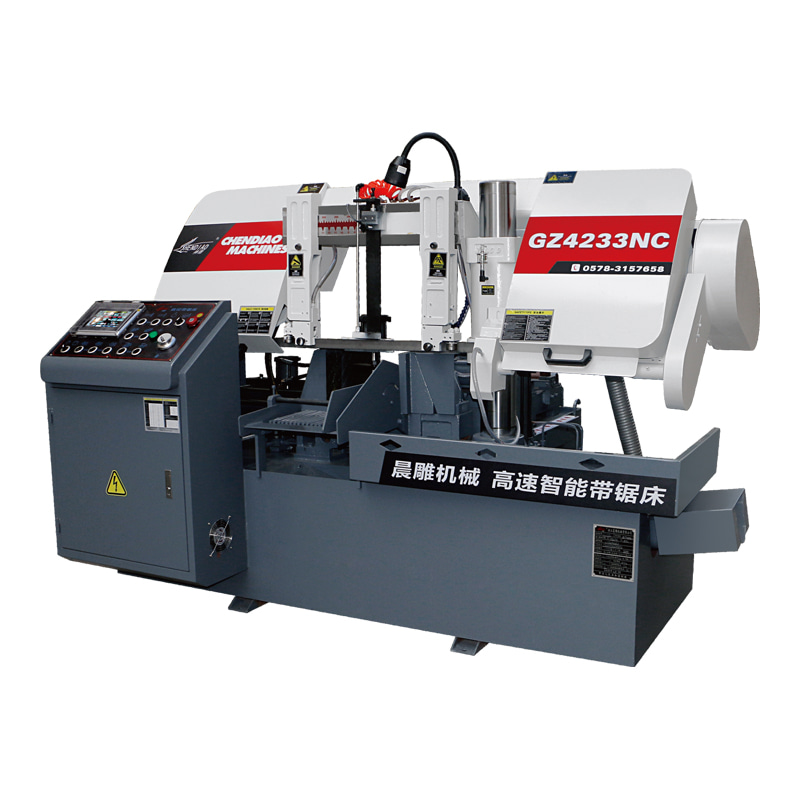
Automatic chip removal device, saw blade hydraulic tensioning device, ...
See Details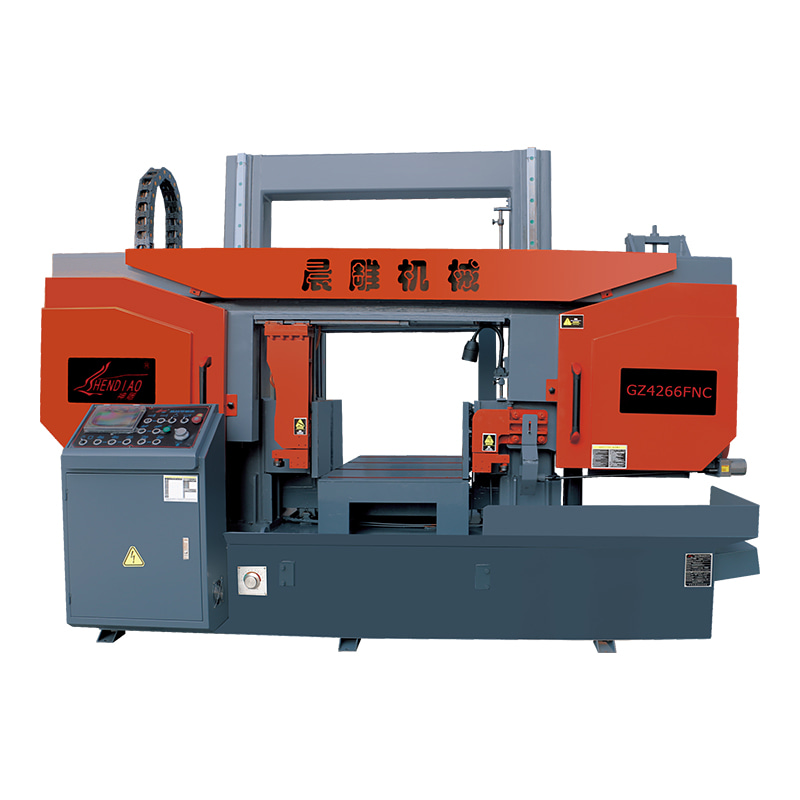
The GZ4266FNC Fully Automatic Feeding Full Roller High-Speed Intellige...
See Details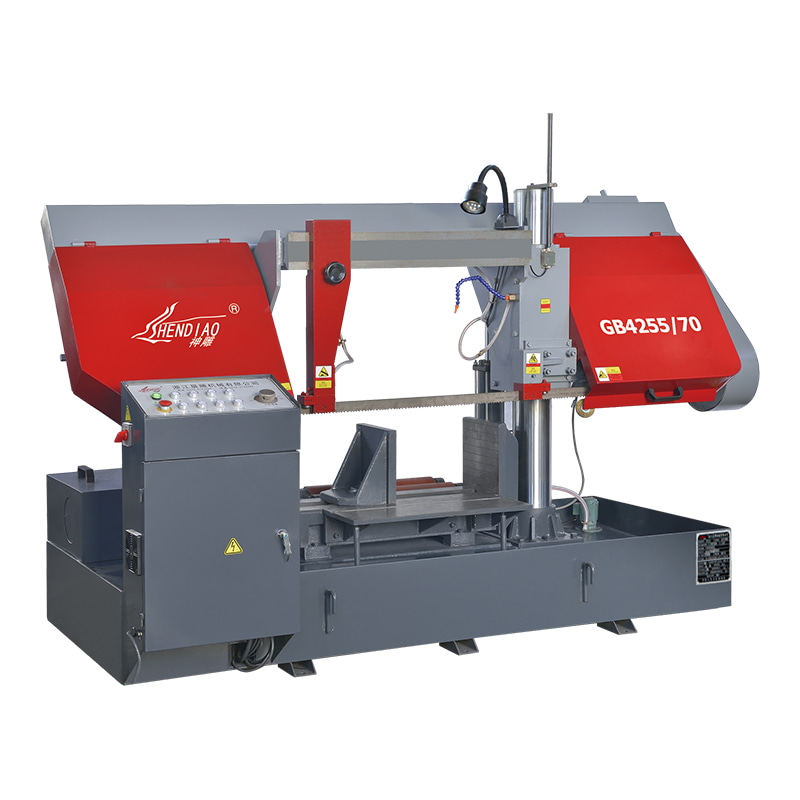
The GB4255/70 Button Chain Feed Double-Cylinder Horizontal Band Metal ...
See Details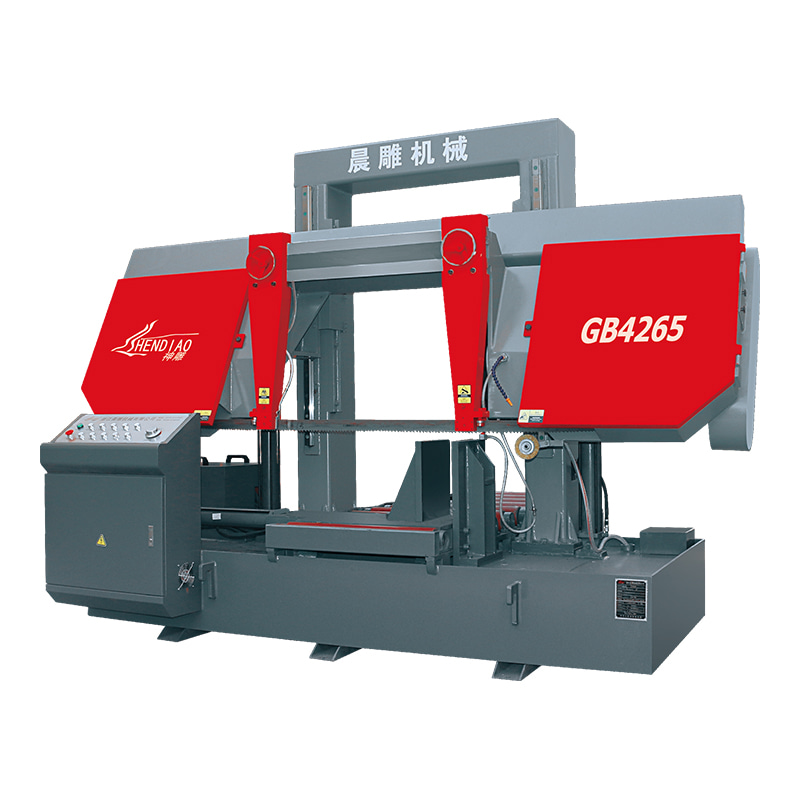
The GB4265 Semi-Automatic Gantry Type Band Chain Feeding Metal Sawing ...
See Details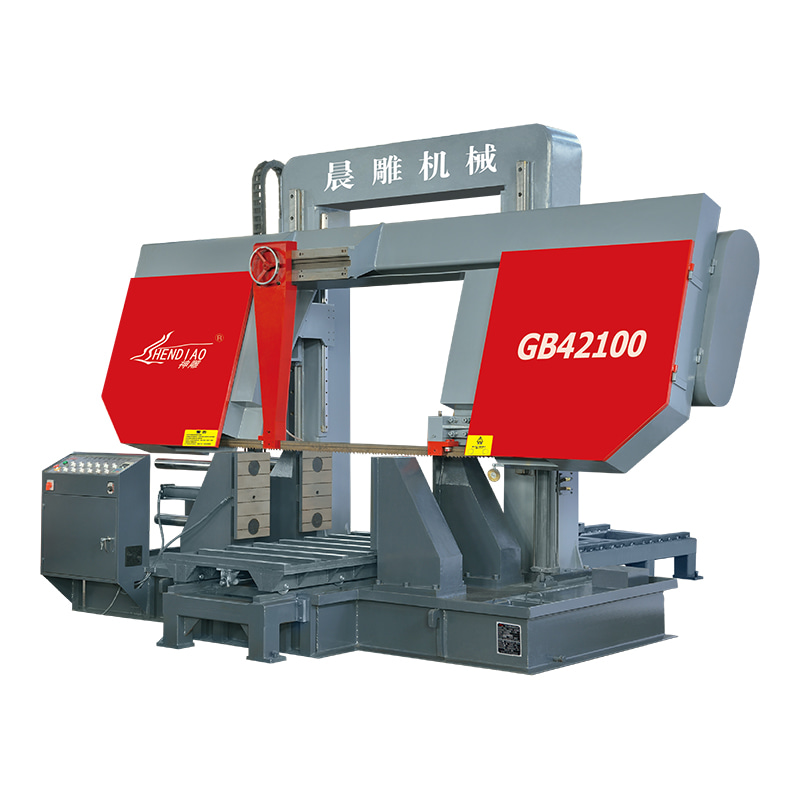
The GB42100 Slide Type Double Guide Gantry Type Band Metal Sawing Mach...
See Details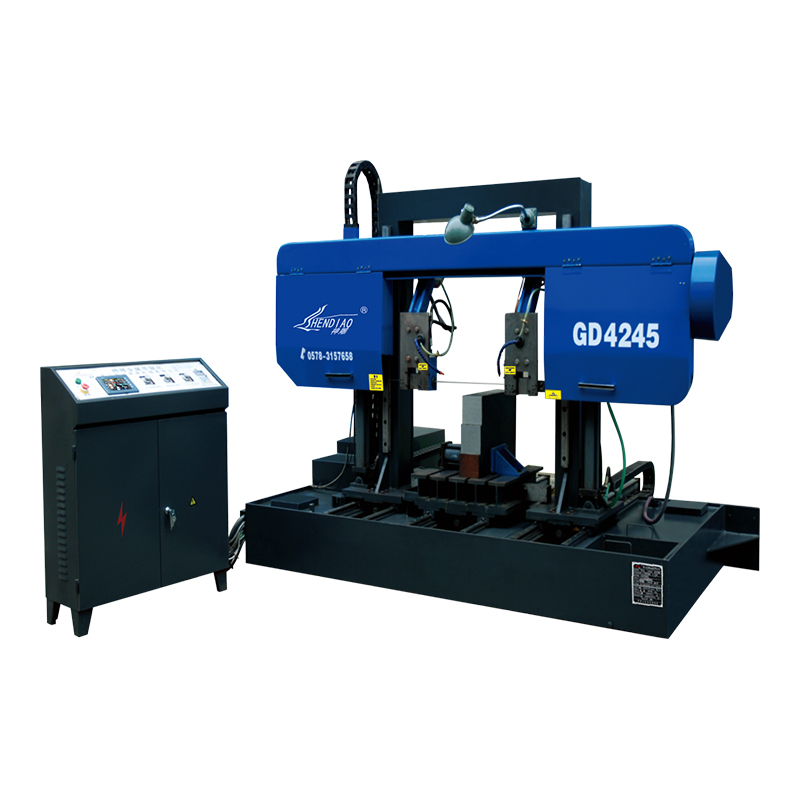
Patent No.: 200720115051.4 200710071420.9 200720115052.9
See DetailsCopyright © Zhejiang Chendiao Machinery Co., Ltd. Rights Reserved.
Band Saw Factory

