


 русский
 Français
 Español
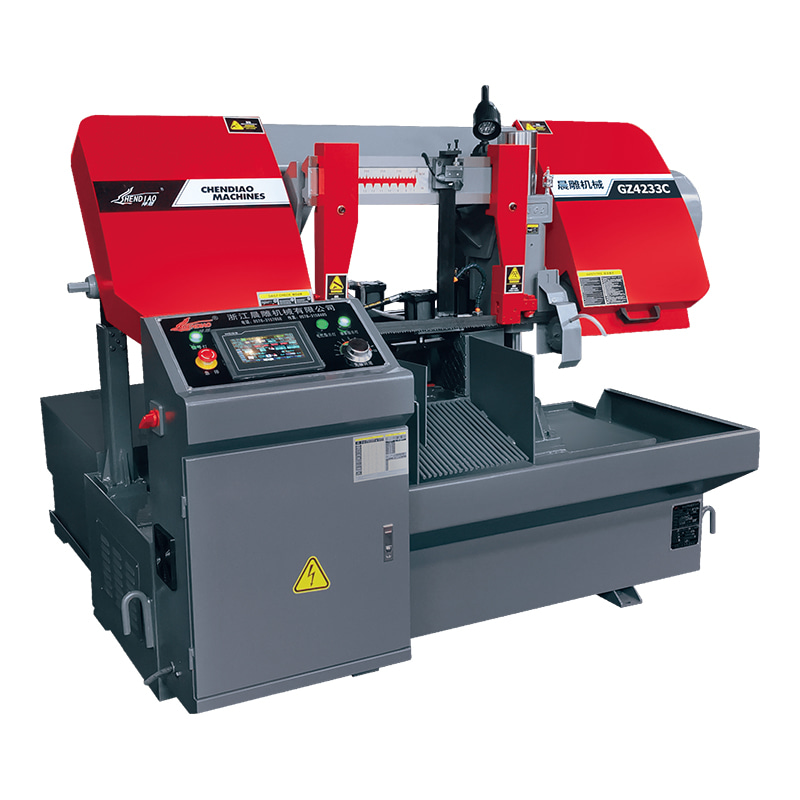
GZ4233C Horizontal Double Column Fully Automatic Metal CNC Band Sawig Machine
Cat:CNC Band Sawig Machine
Suitable for sawing and cutting materials into same-size in massive qu...
See DetailsA horizontal band saw machine is used in many workshops where raw material needs to be cut into sections before the next stage of production. Its horizontal cutting arrangement makes it suitable for handling a range of metal stock, including bars, tubes, profiles, and other workpieces that need to be divided into usable sections.
Cutting is often one of the early steps in manufacturing. Material arrives in a form that may be longer or larger than the finished part. It needs to be prepared before machining, welding, forming, or assembly can begin.
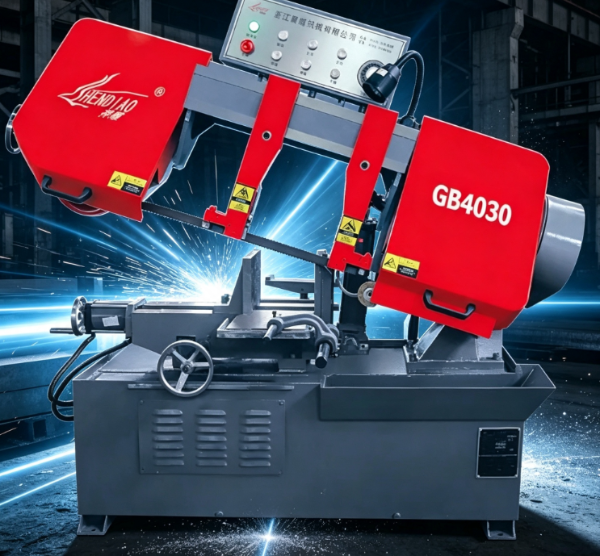
This gives the horizontal band saw machine a practical position within the production flow. It does not necessarily produce the final component. Instead, it prepares material for the processes that follow.
The way the machine is used can vary considerably between industries. A metal fabrication shop may use it for structural parts. A machinery workshop may use it to prepare material for components. A maintenance department may use it when replacement parts or repair materials need to be cut.
Understanding where these machines are commonly used also means looking at the type of work carried out in each setting.
Band saw machines are commonly found in workshops where metal stock needs to be cut repeatedly or prepared for later work.
General metalworking shops are one example. These facilities may handle different types of material throughout the day. Some jobs are simple cutting tasks, while others are part of a larger fabrication process.
The machine can also fit into workshops that produce components for other businesses. In such environments, material preparation may happen before drilling, turning, milling, welding, or assembly.
Small and medium-sized workshops may also use machines when they need a dedicated cutting station. The machine can serve different jobs without requiring the entire production area to be reorganized.
| Workshop Type | Common Cutting Role |
|---|---|
| Metal fabrication workshop | Preparing material for fabricated structures |
| Machinery workshop | Cutting stock for components |
| Maintenance workshop | Preparing replacement and repair materials |
| General manufacturing workshop | Preparing material for later processing |
| Welding and fabrication shop | Cutting sections before joining |
| Custom production workshop | Handling different cutting jobs |
| Material preparation area | Dividing stock before production |
The exact application depends on the material and workflow. A machine that serves mainly as a material preparation station in one workshop may be used as part of a larger production sequence in another.
Metal fabrication is one of the common environments for band saw machines.
Fabrication work often starts with raw material that needs to be cut into workable sections. These sections may later become frames, supports, structures, brackets, or other fabricated products.
A machine can be placed near the beginning of this workflow. Material is brought to the cutting area, divided into sections, and then moved to the next fabrication stage.
The cutting process can support different types of work. A fabrication shop may receive a large order that involves repeated sections. It may also handle custom jobs where material requirements change from one project to another.
This makes the machine useful in both routine and changing work environments.
The surrounding workshop layout can affect how well the cutting station fits into fabrication work. Long materials need to reach the machine without interfering with other activities. Cut sections also need a clear route toward welding, drilling, forming, or assembly.
For this reason, the location of the saw can be as important as the cutting task itself.
A fabrication workshop may organize its workflow around a simple sequence:
Material storage → cutting → fabrication → inspection → assembly
The actual route can be different, but the idea remains the same. Cutting provides a link between stored material and the next stage of production.
Machinery manufacturing often involves individual components that must be prepared before they can be machined or assembled.
Metal bars, tubes, profiles, and other stock may arrive in longer sections. Cutting them into manageable pieces can make later processing easier.
A machine can therefore be used near the material preparation stage.
The cut workpiece may then move to another machine for additional processing. It could be drilled, turned, milled, shaped, welded, or assembled depending on the product.
This relationship gives the saw a supporting role in machinery production.
For example, a workshop producing mechanical assemblies may need to prepare several pieces of stock before individual components are processed. The saw can handle the initial division of material, while other equipment performs the following operations.
This can also simplify material organization. Instead of sending long stock through several areas of the workshop, the material can be divided before it reaches more specialized workstations.
The result is a workflow in which each stage has a clear purpose.
| Production Stage | Possible Role of the Horizontal Band Saw |
|---|---|
| Material receiving | Initial preparation of incoming stock |
| Material storage | Preparing stock for scheduled jobs |
| Cutting | Dividing material into workpieces |
| Machining | Supplying prepared pieces |
| Fabrication | Providing sections for joining |
| Assembly | Preparing components for use |
The saw does not replace later manufacturing processes. It prepares the material so those processes can take place in a more organized way.
They can also have a practical role in maintenance environments.
Maintenance workshops often deal with unexpected jobs. A replacement component may need to be prepared quickly. A damaged structure may require a new section. A repair team may need to cut material to match an existing part.
Unlike a production line with a fixed product range, maintenance work can change from one job to another.
A machine can support this type of work because it can be used for different cutting tasks within the same workshop.
The material may come from stored stock rather than a dedicated production order. Workers can select the required material, prepare the workpiece, and move it to the cutting area.
The machine may then support activities such as:
This makes the machine relevant beyond traditional manufacturing.
Its role in maintenance is often connected with flexibility. The workshop may not know exactly which material will be needed next. The cutting station therefore needs to be accessible and easy to connect with different work areas.
Custom fabrication is another setting where these machines can be useful.
Custom work rarely follows one fixed pattern. A workshop may produce different structures or components according to individual orders. Material requirements can change from one job to another.
A band saw machine can become a shared cutting resource in this environment.
One job may require several sections of a metal profile. Another may require pieces cut from a bar or tube. The machine can serve both tasks as long as the workpieces are suitable for its intended use.
This type of application also changes how the surrounding space should be planned.
A custom fabrication workshop may need temporary storage close to the cutting area. Materials for upcoming jobs should be easy to identify and access. At the same time, completed sections should not block the path used for incoming stock.
The cutting area may therefore need more flexibility than a highly repetitive production line.
Custom fabrication also creates a closer connection between cutting and design. The final shape of a product influences the material that needs to be prepared. The cutting stage must respond to the requirements of the job rather than follow one fixed routine.
This makes the machine part of a broader process that connects material selection, cutting, fabrication, and assembly.
Material preparation is one of the clearest roles of a horizontal band saw machine.
Raw stock often arrives in a form that is not ready to enter the next manufacturing stage. A bar may be too long. A tube may need to be divided. A profile may need to be cut into sections before fabrication.
The saw creates a transition between stored material and usable workpieces.
This can make production planning easier because materials can be prepared according to the needs of upcoming jobs.
Material preparation also affects handling. A long piece of stock may be more difficult to move between workstations than several prepared sections. Once the material has been divided, each section can be directed toward its intended process.
The relationship between cutting and material flow can be represented simply:
Stored material → cutting station → prepared workpieces → next operation
This does not mean every workshop needs a straight production line. Some facilities use different routes for different jobs.
The important point is that the cutting station should connect naturally with the areas around it.
Poor placement can create unnecessary movement. A machine located far from both material storage and later processing areas may cause workers to carry material across the workshop several times.
A well-planned cutting area can make material movement easier to understand.
The same machine can have different responsibilities depending on the industry.
In structural fabrication, it may prepare sections for frames and supports. In machinery manufacturing, it may provide stock for components. In maintenance work, it may prepare replacement material.
Other industries can also use horizontal band saw machines where metal sections need to be prepared before another operation.
The important difference is often not the machine itself, but what happens before and after cutting.
| Application Area | Material Flow | Cutting Purpose |
|---|---|---|
| Structural fabrication | Storage to fabrication | Preparing structural sections |
| Machinery production | Storage to machining | Preparing component stock |
| Maintenance | Stock to repair area | Preparing replacement material |
| Custom fabrication | Flexible job-based flow | Preparing different workpieces |
| General manufacturing | Storage to production | Preparing material for processing |
| Welding work | Cutting to joining | Preparing sections for welding |
This is why it can be difficult to describe one single “typical” use.
A workshop may use the machine for several purposes at the same time. The cutting station can serve routine production in the morning and custom fabrication later in the day.
The machine becomes part of the workshop's wider material strategy.
The answer depends on how material moves through the facility.
A useful location is usually one that connects material storage with the next production stage. The machine should be accessible to workers while leaving enough room for material handling.
Long workpieces require particular attention. Their movement should not interfere with major walkways or other machines.
The area around the saw should also be considered. Workers need to position material, operate the equipment, remove cut sections, and prepare the next job.
Placing the machine close to a material storage area may reduce unnecessary movement. In other workshops, placing it closer to welding or machining may make more sense because those processes receive the cut pieces immediately.
There is no single layout that applies to every facility.
A small workshop may use a compact cutting zone along one side of the production area. A larger facility may create a dedicated material preparation section. A custom fabrication shop may prefer a more accessible position that can serve several work areas.
The machine's location should therefore reflect the workshop's actual production pattern.
As manufacturing environments continue to handle different materials and changing production tasks, horizontal band saw machines can remain closely connected with one basic need: turning stored material into usable workpieces that are ready for the next stage of work.
Suitable for sawing and cutting materials into same-size in massive qu...
See Details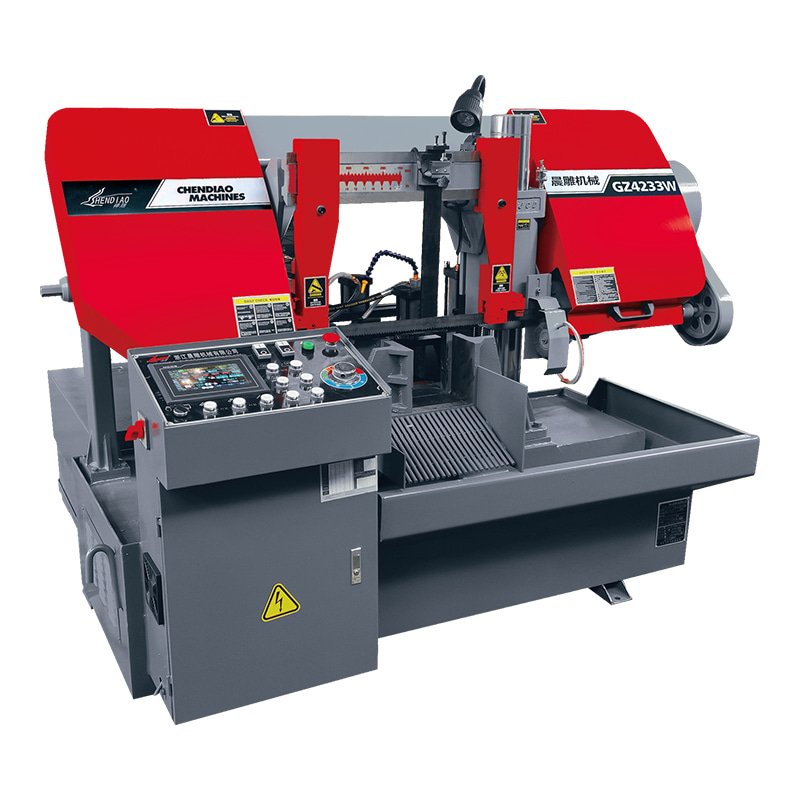
Suitable for sawing and cutting materials into same size in massive qu...
See Details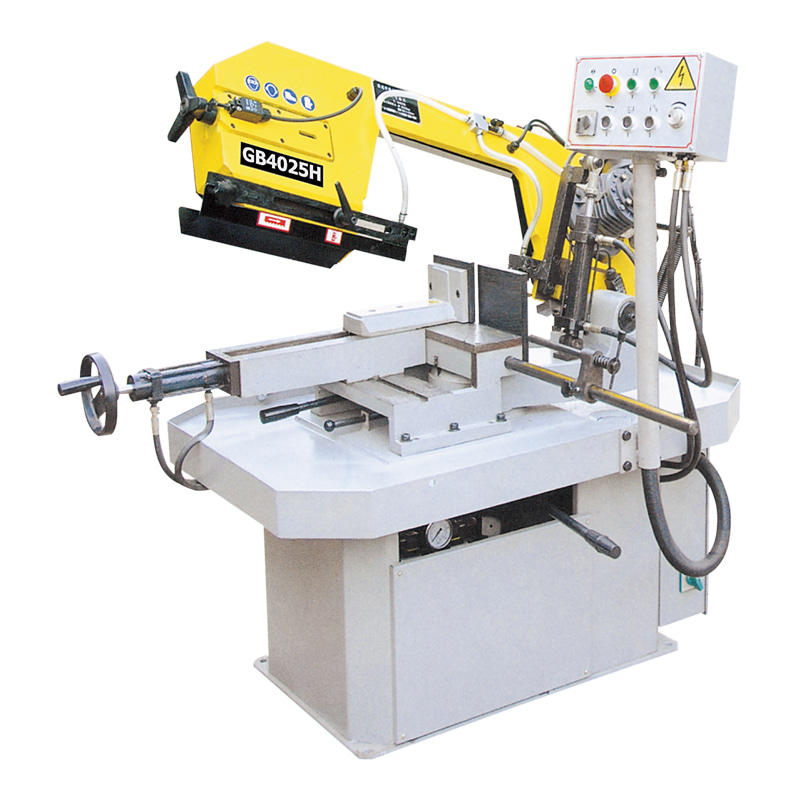
The GB4025H is a great choice,if you need a reliable saw for tackling ...
See Details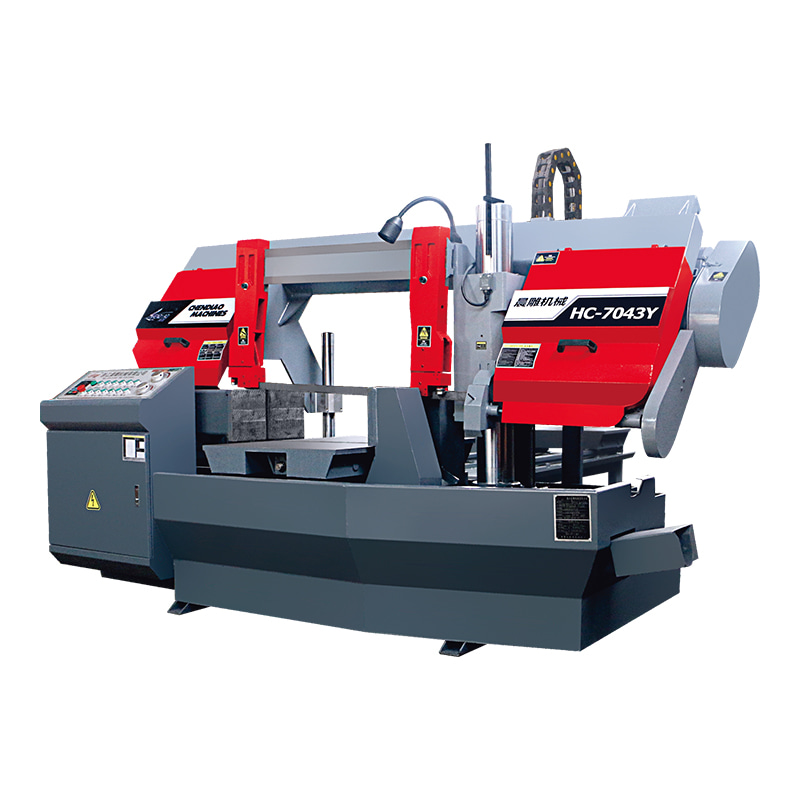
Improved for sawing mold materials. Hydraulic feeding of the working p...
See Details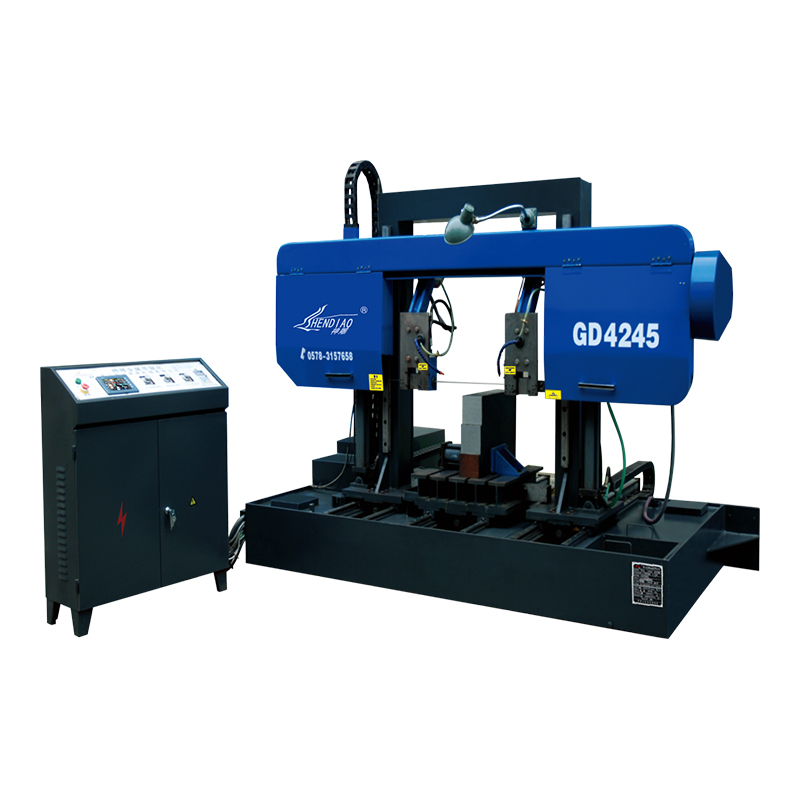
Patent No.: 200720115051.4 200710071420.9 200720115052.9
See Details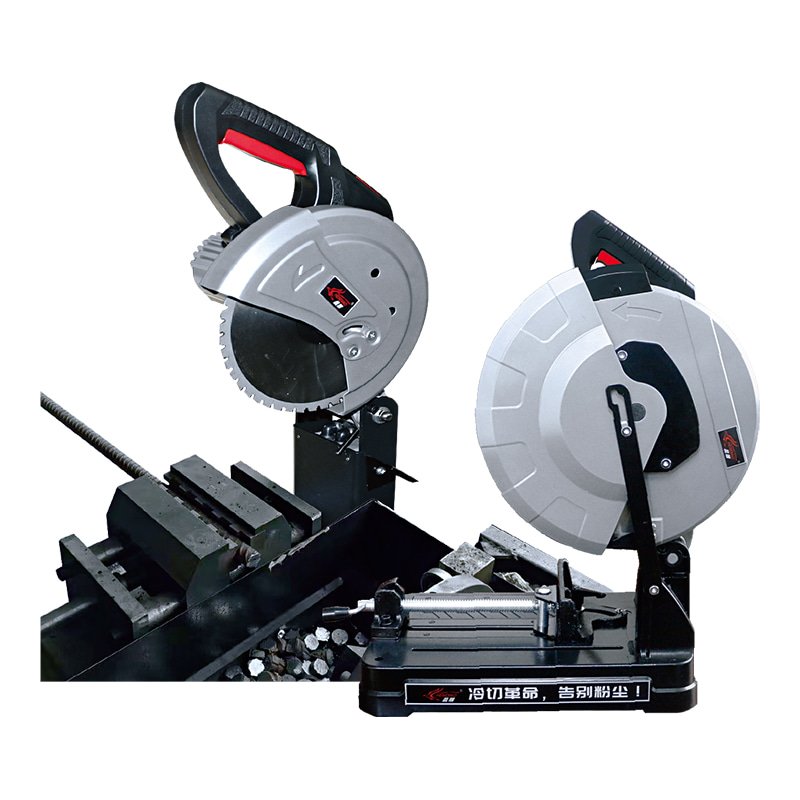
The 25/35 Permanent Magnet Brushless Cold Cutting Saw Machine is highl...
See DetailsCopyright © Zhejiang Chendiao Machinery Co., Ltd. Rights Reserved.
Band Saw Factory

